

If your electric oven isn’t getting hot, you’re probably wondering what went wrong and how fast you can fix it. The good news is most issues are simple enough to diagnose at home, and you don’t always need to wait for a technician. Below we break down the most common reasons an oven stops heating, give you step‑by‑step DIY fixes, and tell you when it’s smarter to call the experts.
First, let’s look at the usual culprits. The heating element is the most frequent offender – it can burn out or develop a crack after years of use. If it’s the problem, the oven will stay cool even though the controls look fine.
Another common issue is a faulty thermostat or temperature sensor. Those little parts tell the oven how hot it should get, and a bad sensor can make the oven think it’s already reached the set temperature.
Don’t forget about the wiring. Loose connections or a tripped circuit breaker can stop power from reaching the element altogether. Lastly, a broken bake or broil switch can prevent the oven from turning on, even if everything else is in good shape.
Before you pick up the phone, try these simple checks. First, unplug the oven or turn off the circuit at the fuse box – safety first. Then, inspect the heating element for visible breaks or dark spots. If you see damage, you’ll need a replacement element. Most ovens use a standard part that you can order online; the cost in 2025 ranges from £30 to £80 depending on the model.
Next, test the thermostat or temperature sensor with a multimeter. Set the meter to the ohms setting and compare the reading to the specs in your oven’s manual. A reading far off indicates a bad sensor, which usually costs £15‑£30 to replace.
If the element and sensor look fine, check the oven’s wiring. Look for loose terminals or burnt marks. Tighten any loose screws and replace frayed wires. Remember, if you’re not comfortable with electricity, skip this step and call a qualified electrician.
Finally, run a quick reset. Some ovens have a reset button inside the control panel; press it for a few seconds, plug the oven back in, and see if it heats. This can clear minor electronic glitches.
When these steps don’t bring heat back, it’s time to call a professional. A licensed repair service can diagnose deeper electrical faults, replace sealed control boards, or address gas‑electric combo issues that are unsafe for DIY work.
Our own Bognor Regis Appliance Repair Experts can be on‑site within a day, provide a clear cost estimate, and usually get most ovens back in action within an hour. For urgent situations, like a broken element right before a family dinner, a same‑day service can save you stress.
In short, start with the element, then move on to the sensor, wiring, and reset. Keep a spare element in your toolbox if you often bake; it’ll save time and money in the long run. And always remember: if you ever doubt the safety of a repair, the safest choice is to let a pro handle it.
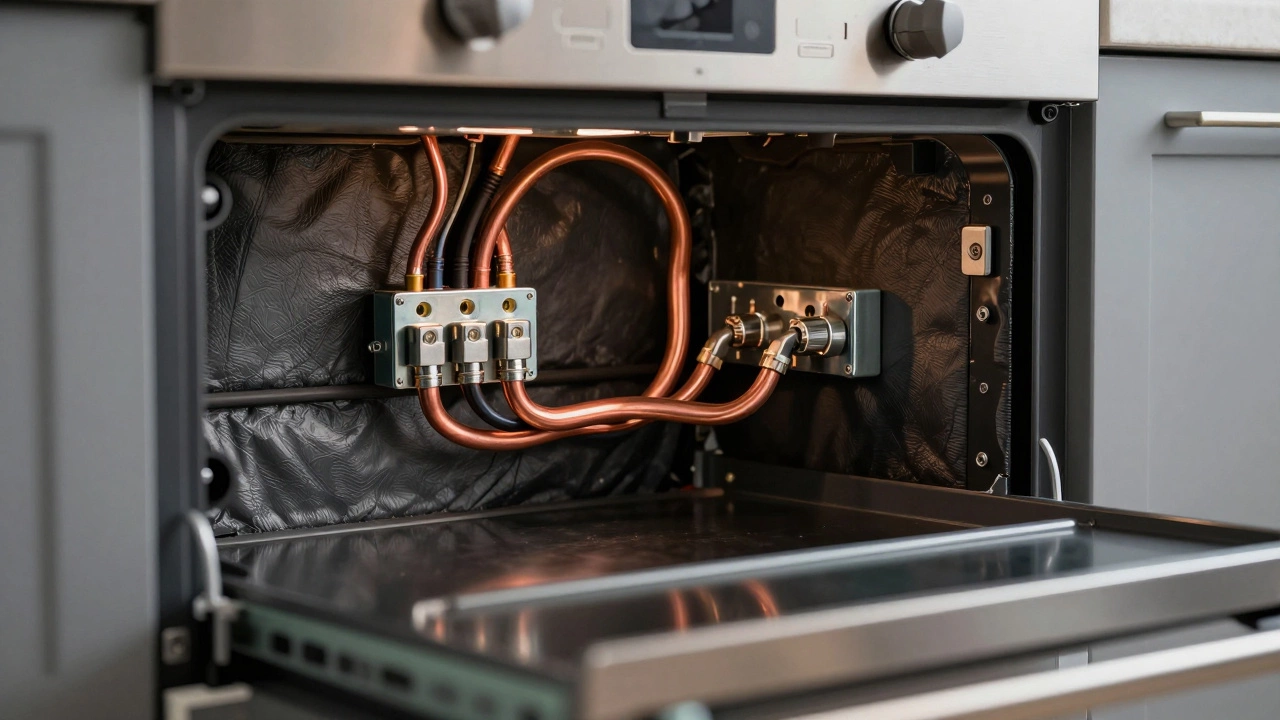
Discover whether you can replace an electric oven yourself or need to hire a professional. Learn about voltage requirements, safety risks, and legal building codes for appliance installation.
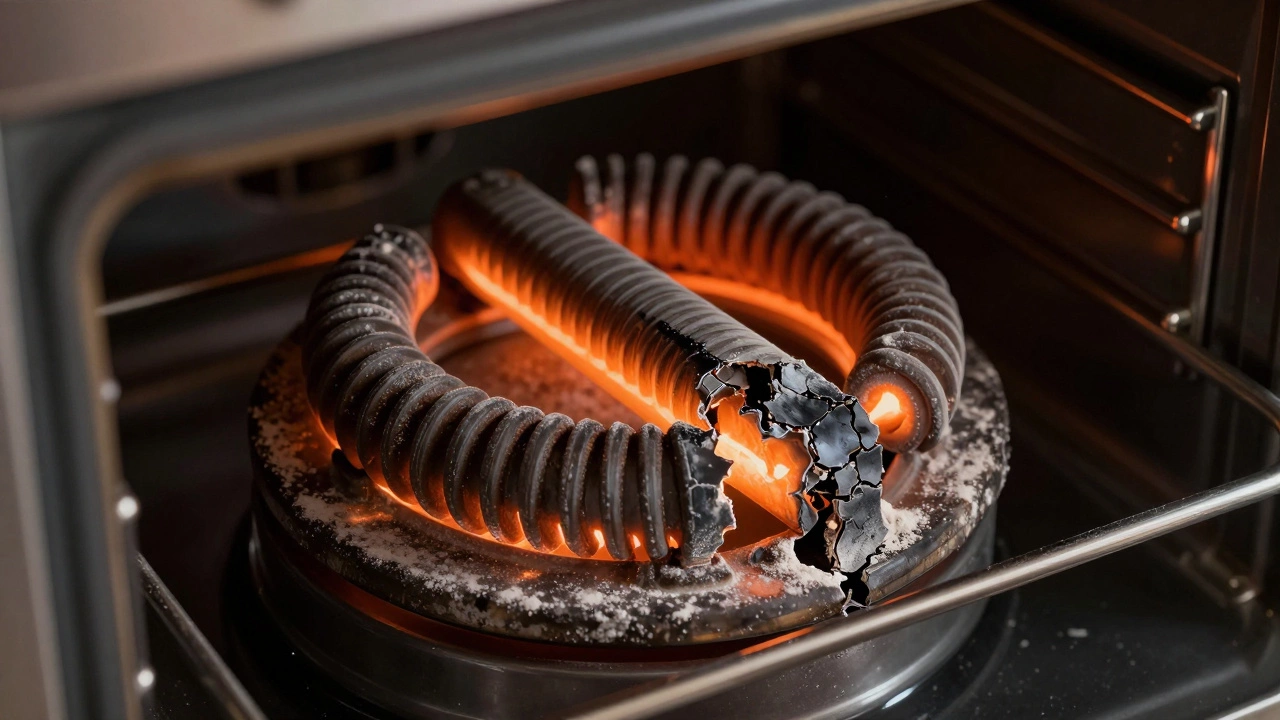
Learn how to tell if your oven element is blown by checking for visible damage, testing with a multimeter, and observing oven behavior. Most oven heating issues are simple fixes.

Thinking about whether to repair an 8-year-old oven? This article digs into the real costs and benefits, from repair bills to how long ovens actually last. You'll get tips on diagnosing simple issues yourself, signs to look for before calling a pro, and how energy efficiency compares between old and new models. See how warranties, brand reputation, and parts availability impact the final call. Get advice that’s practical, straight-up, and doesn’t waste your time.
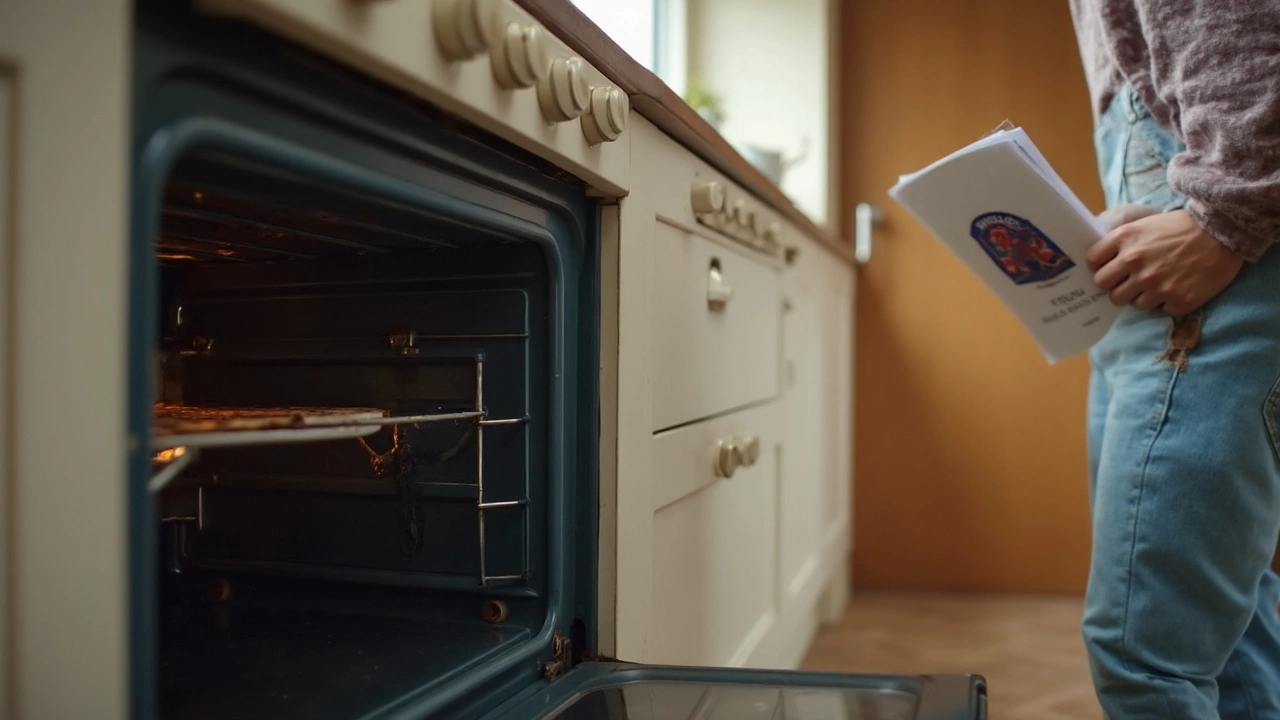
Wondering if you can still use your oven with a broken heating element? This article breaks down what actually happens when the heating element fails and what your options are. Learn about safety concerns, possible workarounds, and when it’s smarter just to fix it instead of limping along. Get tips on recognizing a bad element and ideas for a cheap, fast repair. Find out what really works and what won’t, straight from someone who’s fixed more than a few ovens themselves.

Thinking about replacing your electric oven on your own? This article breaks down what you need to know about doing it yourself— from basic safety to common pitfalls. Learn how tricky the process can get, which tools you might need, and when it's smarter to call a pro. Get tips to save money and avoid kitchen disasters. Designed for anyone who values a good meal and a working oven.

Trying to figure out if you should repair your electric stove or just buy a new one? This article breaks down the real costs, common repairs, and the value of fixing versus replacing. Find out what issues are usually fixable, what repairs make sense, and when to let go. You'll also get practical tips for simple DIY fixes and signs you need a pro. Make a smart choice for your kitchen and your wallet.

Ever wondered how long your trusty range oven will last? On average, a well-maintained range oven can serve you for about 10 to 15 years. Routine cleaning and minor repairs can help extend its lifespan. Knowing when to repair or replace your oven is crucial for efficiency and safety. Read on for practical tips to make sure your oven lasts as long as possible.

Thinking about installing a new electric oven? It's not always as simple as plugging it in. Discover the ins and outs of electric oven installation with tips on wiring, safety precautions, and when to call a professional. Learn what to check before attempting to plug in a new unit and how to ensure everything's set up correctly for safe and efficient use.

Searching for a trusty electric oven can make a big difference in your cooking experience and lessen repair issues. This article uncovers the top-performing brands known for reliable electric ovens, sharing insights on what makes these brands stand out. From innovative features to energy efficiency, you'll learn tips on choosing the right oven and maintaining it for long-lasting use. Whether you're shopping for a new appliance or fixing an old one, this guide shines a light on the best options available today.
When your electric oven unexpectedly stops working, it can throw your kitchen routine into chaos. Understanding the potential reasons behind this issue can help you fix it quickly. Whether it's a power supply problem, faulty elements, or user error, this guide will walk you through common causes and solutions to get your oven back in working order. Discover useful tips to identify and address troubles with your electric oven efficiently.
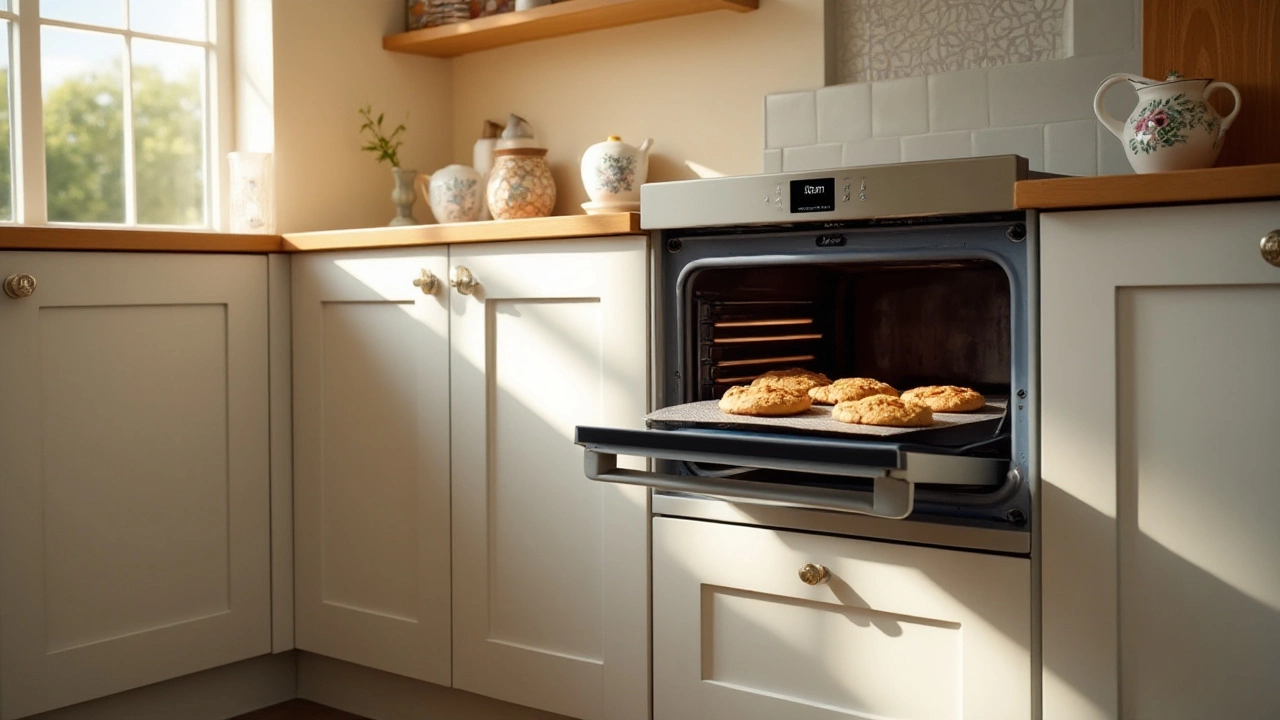
An electric oven is a staple in most kitchens, used for everything from baking cookies to roasting savory meals. Knowing how long an electric oven is expected to last can help homeowners budget and plan for replacement or repairs. This article explores the average lifespan of electric ovens, factors influencing their durability, and tips on maintenance to extend the life of the appliance. Understanding these aspects will aid in maximizing the utility and performance of your oven.
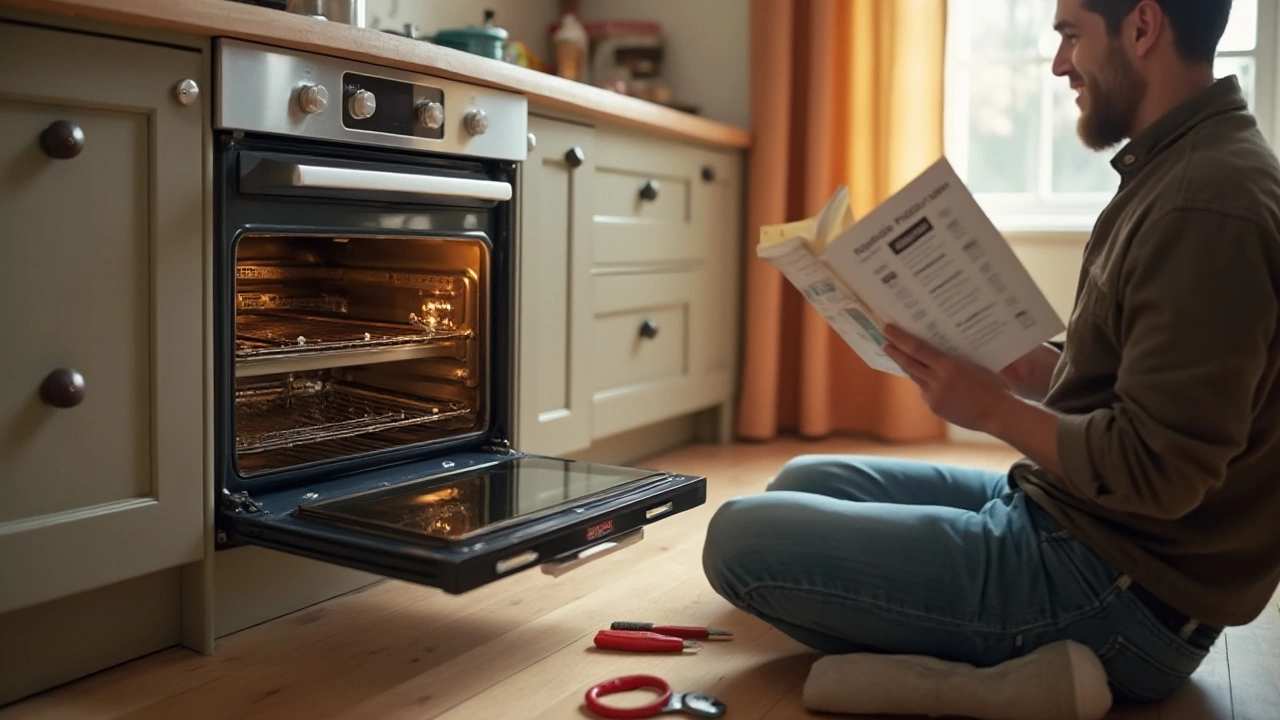
If your electric oven isn't heating properly, it might be time to replace the heating element. Understanding the costs and what's involved in the repair process can help you make informed decisions. This article dives into the factors affecting replacement costs, step-by-step guidance on how to change the element, and practical tips to ensure your oven runs smoothly. With these insights, you can tackle the repair yourself or hire the right professional for the job.
An appliance technician plays a crucial role in keeping household and commercial appliances running smoothly. They diagnose issues, perform necessary repairs, and offer maintenance tips to prevent future problems. Understanding their responsibilities helps in appreciating their importance. This article provides insights into the day-to-day duties of an appliance technician and offers tips for those aspiring to join this field.

Find out exactly how much to get a boiler serviced in 2026. We break down average costs, what's included, and tips to avoid hidden fees.

Unravel the mysteries of oven troubles with a comprehensive guide that walks you through common issues and their solutions. From unexpected cold spots to issues with heating elements, this article explores practical approaches to diagnosing and fixing your oven. Learn about signs to watch out for, potential tools needed, and tips to maintain your oven's optimal performance. Perfect for homeowners who want to save a little cash and feel empowered to tackle minor repairs before calling in the professionals. This guide makes oven repair accessible and doable for the average person.

A malfunctioning boiler can be a real nuisance, especially during the cold months. Understanding whether a broken boiler constitutes an emergency is crucial. This article provides insights into when to prioritize boiler repairs, potential risks associated with delayed attention, and essential DIY tips to consider before professional help arrives. Dive into valuable advice on maintaining your heating system efficiently.
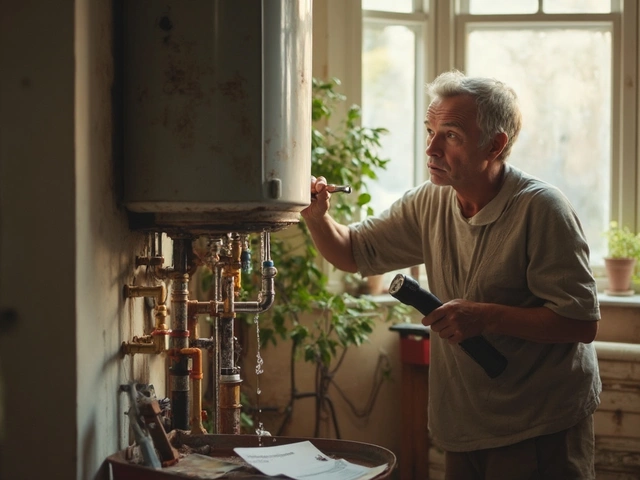
Wondering if your hot water heater is about to quit? This article breaks down the most common signs that your water heater needs to be replaced, from strange noises to rusty water. Find out how long these tanks usually last, what to look for during regular maintenance, and how to handle sudden issues. You'll get practical tips to keep your heater running smoothly and avoid a cold shower surprise. If you've ever worried about flooding, energy bills, or weird knocking, this is for you.