

Want to save money and avoid a service call? Doing simple installations yourself is easier than you think. With the right tools and a clear plan, you can replace a fan, swap an oven element, or fit a new hob without the stress of a professional visit.
First, gather the basics: a screwdriver set (flat‑head and Phillips), a wrench or adjustable spanner, pliers, and a flashlight. For anything that touches electricity, keep a voltage tester on hand and always switch off the circuit at the breaker. If you’re working on gas appliances, turn the gas supply off and check for leaks with a soap‑water solution. Having a clean workspace and a small container for screws makes the job smoother.
Safety isn’t optional. Even low‑voltage tasks can shock you if you skip the breaker. Wear safety glasses when you’re drilling or cutting, and keep a fire extinguisher nearby just in case. A quick check of the appliance manual for any model‑specific warnings can prevent costly mistakes.
Below are the most common DIY installations you’ll find on our site. Pick the one that matches your problem and follow the numbered steps.
1. Replacing a Kitchen Extractor Fan
• Remove the old fan by unscrewing the mounting brackets.
• Disconnect the wiring, noting which wire goes where (take a photo if you need to).
• Fit the new fan, secure the brackets, and reconnect the wires.
• Turn the power back on and test the airflow.
2. Swapping an Electric Hob Element
• Slip the hob off its base (usually a few clips).
• Locate the faulty element and unscrew it.
• Install the new element, making sure the contacts line up.
• Re‑attach the hob, restore power and check each burner.
3. Installing a New Oven Heating Element
• Open the oven door and remove the back panel.
• Disconnect the old element’s connector, then unscrew it from the oven frame.
• Place the new element, tighten the screws, and reconnect the plug.
• Replace the panel, close the door and run a short heating test.
Each of these jobs follows the same pattern: turn off power, remove the old part, fit the new one, and test. If anything feels stuck, apply a little penetrating oil or gently tap with a rubber mallet—don’t force it.
When you finish, clean up any debris and double‑check that all screws are tight. A tidy installation not only looks good but also lasts longer. If the appliance still doesn’t work after you’ve followed the steps, it’s time to call a professional.
DIY installation isn’t just for the handy‑person; it’s for anyone willing to take a few minutes, read the instructions, and work safely. With the guides above, you’ll feel confident tackling common repairs around the house. Grab your tools, follow the steps, and enjoy a fully functioning appliance without the extra cost.
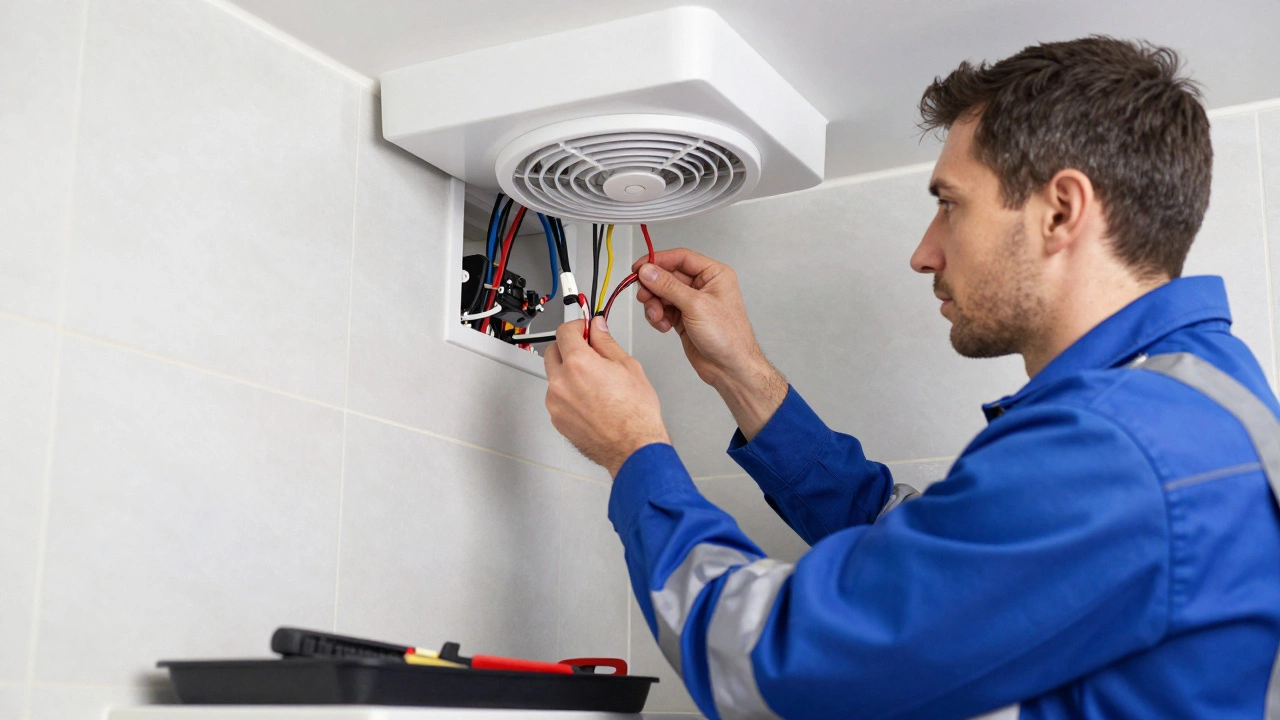
Discover which tradesperson fits an extractor fan. Learn when to hire an electrician vs. a plumber for safe, compliant UK installations.

Thinking of tackling an extractor fan installation on your own? Doing it yourself can be a rewarding project if you have the right tools and know-how. This guide breaks down the process into manageable steps, explains what to watch out for, and offers practical tips to avoid common pitfalls. You'll learn when it makes sense to go DIY and when you might need to call in a pro.
Wondering if it's worth repairing your electric oven or if you should just buy a new one? This article dives into the factors to consider, from cost effectiveness to the age of your appliance, helping you make an informed decision. We'll discuss common issues that can be fixed, when to call in a pro, and some smart tips to extend the lifespan of your oven. By the end, you'll know whether fixing or replacing is the better choice for your situation.
Find out when repairing your dryer isn’t the smart move. Learn real signs, safety warnings, and how to choose between fixing and just getting a new one.
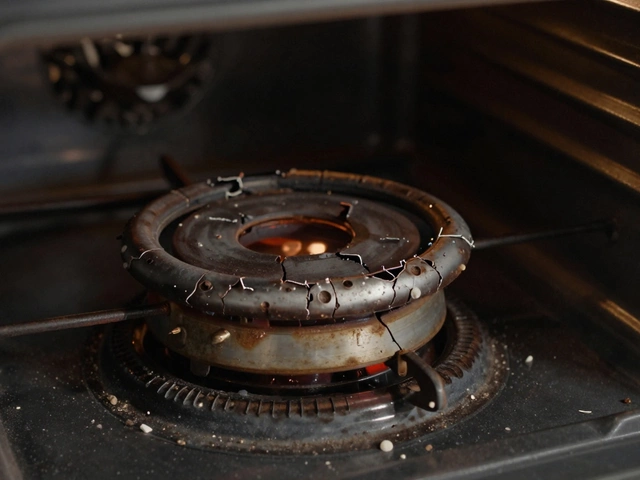
If your oven won't heat up, it's usually a simple fix-like a broken element, faulty thermostat, or blown fuse. Learn the most common causes and how to diagnose them yourself before calling a repair technician.
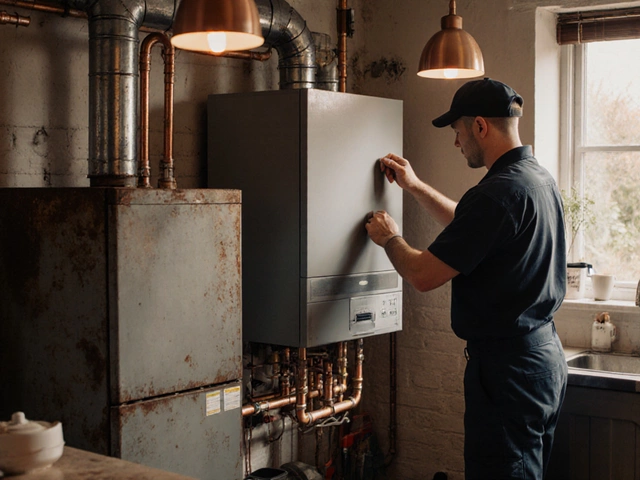
Find out how much a new boiler costs in 2025, including prices by type, installation fees, rebates, and how to avoid overpaying. Learn when to replace your boiler and what to look for in a quote.
In the world of home heating, boilers are real workhorses. But have you ever wondered how long your trusty boiler will keep chugging along? Typically, a boiler can last anywhere from 15 to 20 years, depending on various factors like maintenance, usage, and quality of installation. Knowing when to fix or replace your boiler not only ensures a warm home but also helps you avoid unexpected expenses.