Extractor Fan Installation Advisor
Answer a few questions about your project to find out which professional is the right fit for your home.
Warning:
You've just bought a new, sleek extractor fan to stop your bathroom mirrors from fogging up or to keep your kitchen from smelling like fried fish for three days. Now comes the million-dollar question: who actually puts the thing in the wall? While it might look like a simple 'plug and play' job, messing with ventilation involves a weird mix of electrical work, masonry, and airflow physics. If you get it wrong, you aren't just wasting money; you're potentially inviting damp, mold, or even electrical fires into your home.
Quick Summary: Who to Call
- Electricians: Best for wiring, switching, and safety certifications.
- HVAC Technicians: Ideal for complex ducting and whole-house ventilation.
- Handymen: Good for simple replacements of existing units.
- Specialist Installers: Best for high-end kitchen range hoods.
The Electrical Expert: Why an Electrician is Usually Your Best Bet
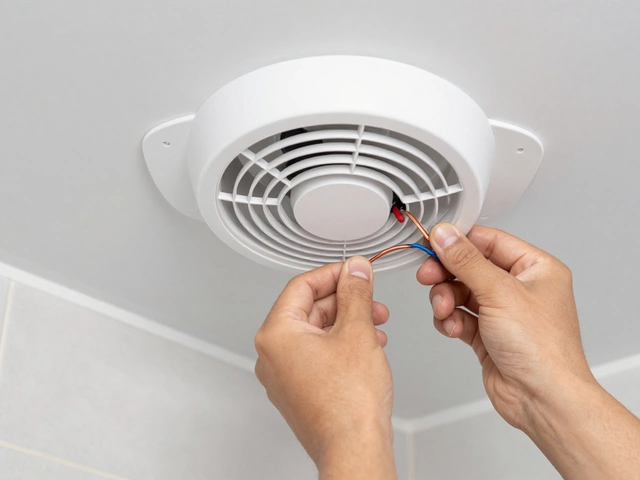
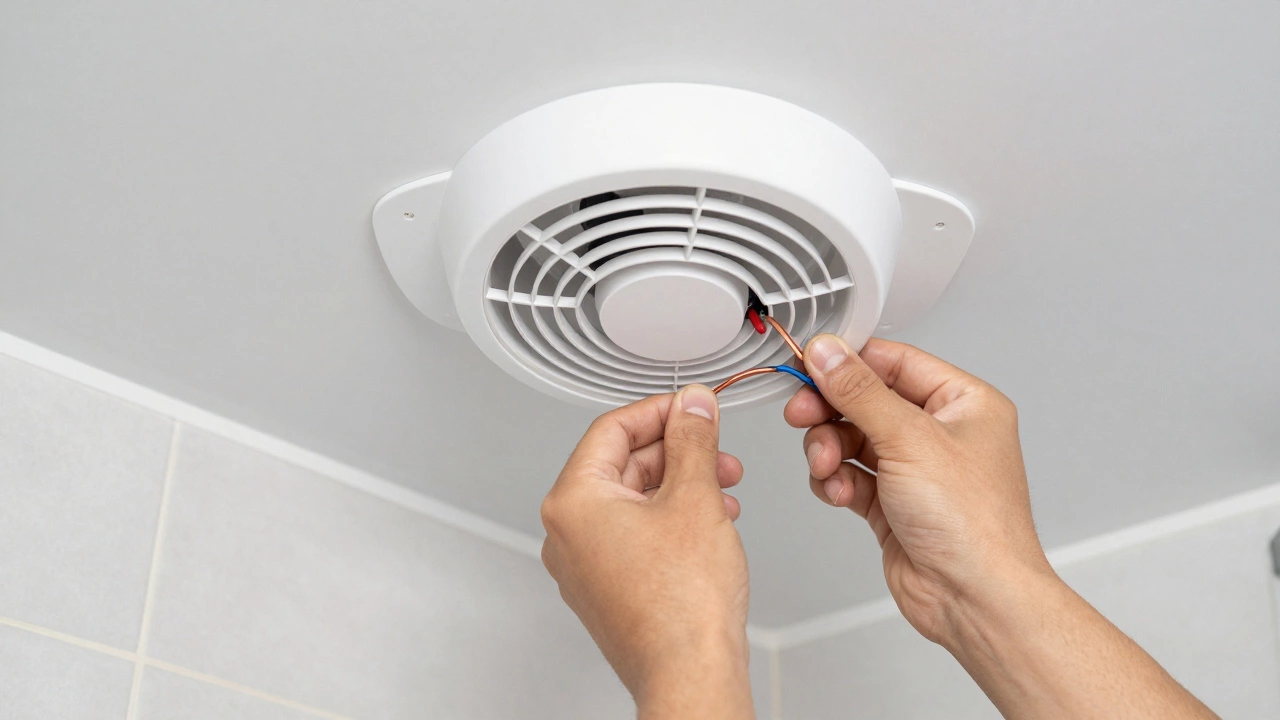
For most people, a Qualified Electrician is the gold standard. Why? Because extractor fans aren't just fans; they are electrical appliances wired into your home's mains. If you're installing a new unit where there wasn't one before, you'll need someone who can run a new cable from the consumer unit or a nearby light circuit.
In the UK, specifically, wiring in 'wet rooms' like bathrooms and kitchens falls under strict regulations. An electrician knows how to handle IP Ratings (Ingress Protection), which define how resistant a piece of electrical gear is to water. If you put a low-IP rated fan in a steamy bathroom, you're asking for a short circuit. A pro will ensure the fan is compatible with your zone and that the wiring is safely tucked away in conduit.
If you're looking for a extractor fan installation that comes with a guarantee, a certified electrician can provide a completion certificate. This is a piece of paper that proves the work meets safety standards, which is a lifesaver when you eventually try to sell your house and the surveyor starts asking questions about the electrics.
The Airflow Specialist: HVAC Technicians
If your project is more than just swapping a plastic box in the ceiling, you might need an HVAC Technician. HVAC stands for Heating, Ventilation, and Air Conditioning. These pros don't just care about the power; they care about where the air goes.
Imagine you're installing a heavy-duty extractor in a commercial-style kitchen. You can't just vent that air into the attic-you'll end up with a damp roof and rotting timbers. An HVAC pro calculates the CFM (Cubic Feet per Minute), which is the measure of how much air the fan moves. They ensure the Ducting-the pipes that carry the air outside-is the right diameter and has the fewest bends possible. Every sharp turn in a duct slows down the airflow and makes the fan work harder, which leads to more noise and a shorter lifespan for the motor.
The Generalist: When a Handyman Suffices
Now, let's be real: not every job requires a specialist. If you have an existing fan that has simply died and you've bought an identical replacement model, a skilled Handyman can often handle the swap. Since the wiring is already there and the hole in the wall is already cut, it's mostly a matter of unscrewing the old unit and clipping in the new one.
However, there's a risk here. Handymen aren't always trained in the latest electrical codes. If they find a loose wire or an outdated junction box, they might just 'tape it up' rather than fixing the root cause. It's a cheaper option for a 10-minute job, but if you notice the new fan is humming strangely or the light flickers when it turns on, you've probably saved a few pounds only to create a bigger problem.
| Project Type | Recommended Pro | Key Priority | Risk of Wrong Choice |
|---|---|---|---|
| Replacing an old fan (same model) | Handyman | Speed and Cost | Substandard wiring |
| Adding a fan to a new room | Electrician | Safety & Certification | Electrical fire / Shock |
| Kitchen Range Hood / Complex Vents | HVAC Tech / Specialist | Airflow Efficiency | Damp/Mold in walls |
| Whole-house ventilation upgrade | HVAC Engineer | System Balance | Poor air quality/Noise |
Kitchen vs. Bathroom: Different Needs, Different Pros
Depending on where the fan is going, your choice of installer changes. Bathroom fans are usually about moisture control. You want a quiet, efficient unit that triggers via a timer or a humidity sensor. An electrician is perfect here because the mechanical part is simple, but the control circuit (the timer) needs to be wired correctly.
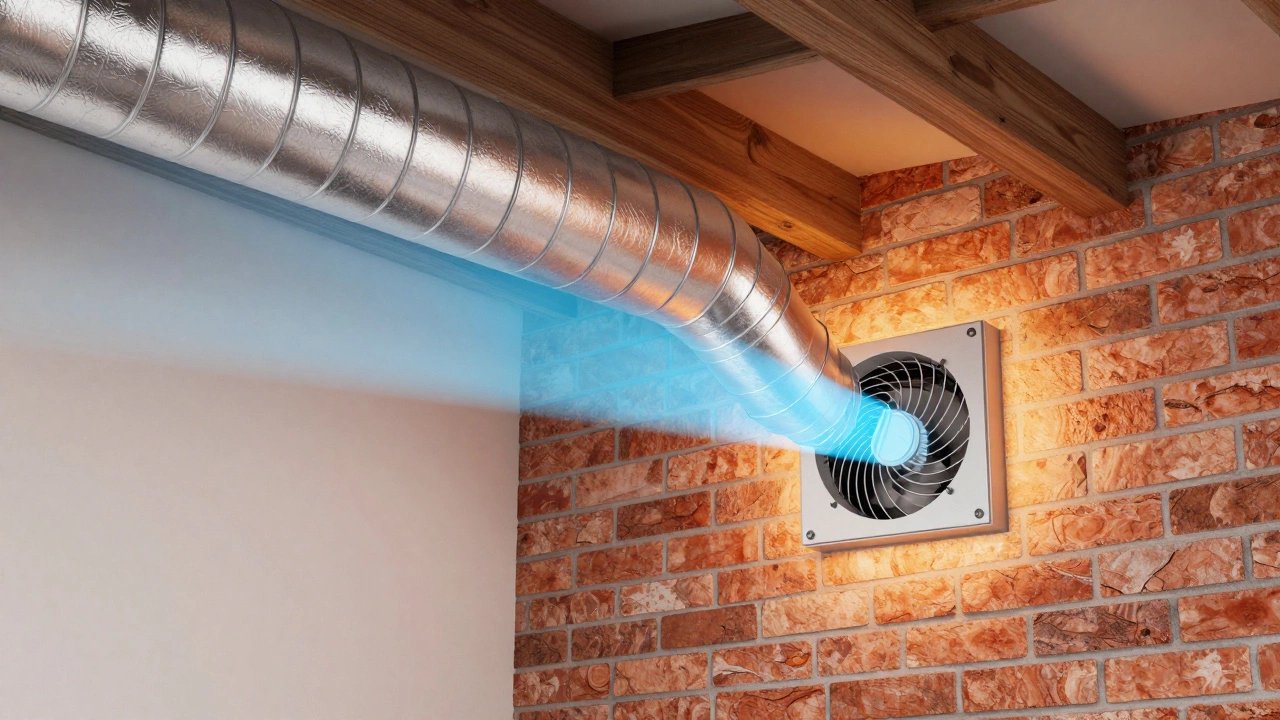
Kitchens are a different beast. If you're installing a Range Hood, you're dealing with grease, heat, and high volumes of smoke. These units are often heavier and require secure mounting to cabinetry or walls. Some range hoods are 'recirculating,' meaning they just filter the air and push it back into the room. These are easy. But 'ducted' hoods require a hole through an external wall. This is where you need someone comfortable with a masonry drill and a level, often a combination of a builder and an electrician.
Common Pitfalls to Avoid During Installation
Regardless of who you hire, there are a few things that often go wrong. First is the 'short-cut vent.' Some installers will vent a fan into the cavity of a wall or the loft space because it's easier than drilling through brick. This is a disaster waiting to happen. Warm, moist air hitting a cold attic space creates condensation, which leads to black mold and structural rot. Always insist that the ducting goes all the way to the outside air.
Another issue is 'under-speccing' the fan. If you have a large master bathroom but install a tiny 100mm fan designed for a cloakroom, the air will never truly clear. You'll see water droplets on the ceiling, and eventually, your paint will start peeling. A professional will calculate the room volume and recommend a fan with the appropriate extraction rate.

The DIY Temptation: Should You Do It Yourself?
You might be thinking, 'It's just a fan, I can do this.' If you are extremely comfortable with a multimeter and know how to isolate your electricity at the consumer unit, swapping a like-for-like fan is doable. But the moment you need to cut a new hole in a load-bearing wall or run new wiring through joists, stop. The cost of a professional is far less than the cost of fixing a collapsed ceiling or replacing a melted wire.
Moreover, if you're renting, doing your own electrical work can void your insurance or get you into trouble with your landlord. A professional invoice is your proof that the installation was done safely and correctly.
Do I need a certified electrician for a bathroom fan?
Yes, it is highly recommended. Bathrooms are high-moisture areas, and electrical work here must follow specific safety zones and IP ratings to prevent shocks and fires. A certified pro ensures the installation meets local building codes.
How much does an extractor fan installation typically cost?
Costs vary wildly depending on whether it's a simple replacement or a new install. A simple swap might cost between £50 and £120 for labor. A full new installation involving wiring and wall drilling can range from £150 to £300 plus the cost of the unit.
Can a handyman install a kitchen extractor hood?
If the electrical point and the vent hole already exist, a handyman can likely mount the unit. However, if new wiring or external ducting is required, you should hire an electrician or HVAC specialist to ensure the air is vented correctly and the power is safe.
What is the difference between a recirculating and a ducted fan?
A recirculating fan pulls air through a charcoal filter to remove odors and then blows the air back into the room. A ducted fan pulls air out and pushes it completely outside the building via a pipe. Ducted fans are much more effective at removing moisture and heat.
How do I know if my fan is underpowered for my room?
If your bathroom mirrors remain fogged for more than 10-15 minutes after a shower, or if you see condensation building up on the walls and ceiling, your fan likely doesn't have enough CFM (airflow capacity) for the size of the room.
Next Steps and Troubleshooting
If you're currently staring at a broken fan, start by checking the fuse in your plug or the circuit breaker in your electrical panel. If the fan makes a loud grinding noise but isn't moving air, the motor is likely shot, or the bearings have failed-this is a job for a replacement.
For those planning a renovation, the best move is to coordinate your electrician and your builder. Have the builder cut the holes and run the ducting first, then bring in the electrician to wire the unit. This prevents the 'wrong hole' scenario where a fan is installed only to find the ducting is blocked by a joist or a pipe.