

Want to get rid of cooking smells and steam without hiring anyone? Installing a kitchen extractor fan yourself is easier than you think. With a few basic tools and a clear plan, you can have fresh air blowing in minutes. Let’s walk through what you need, the safest way to mount the fan, and the little tricks pros use.
First, gather your gear. You’ll need a screwdriver set, a drill with appropriate bits, a stud finder, a level, and a safety mask. The fan kit usually comes with a wiring harness, but keep extra electrical tape and wire connectors handy. If your kitchen has plasterboard, a small saw or utility knife will help cut the opening. Check the fan’s power rating matches your home’s circuit – most extractor fans run on a standard 13‑amp socket.
1. Choose the right spot. The fan should sit above the hob, about 650‑750 mm high, and align with any existing vent duct. Use the stud finder to spot ceiling joists; you’ll want to mount the fan between them for solid support.
2. Mark and cut the opening. Hold the fan’s frame against the ceiling and trace the outer edge. Double‑check the cut line with a level, then cut carefully with a drywall saw. Keep the cut clean – a jagged edge makes sealing harder.
3. Prepare the ducting. Most fans come with a flexible duct that connects to an external vent. Measure the distance to the outside wall, cut the duct to length, and secure it with duct tape. Avoid sharp bends; a smooth path keeps airflow strong.
4. Wire the fan. Turn off the circuit at the consumer unit. If you’re comfortable with basic wiring, connect the fan’s live, neutral, and earth wires to the corresponding points in the ceiling outlet. Twist the connections together, cap with connectors, and wrap with tape. If anything feels unsure, stop here and call a qualified electrician.
5. Mount the fan. Slide the fan into the ceiling opening and line up the mounting brackets. Secure it with the supplied screws, making sure it’s level. Tighten firmly – a wobbling fan makes noise and can damage the ceiling.
6. Seal and finish. Apply a bead of silicone sealant around the fan’s edge to keep moisture out. Fit any decorative covers or grills, then reinstall any ceiling tiles you removed.
7. Test it out. Switch the circuit back on and turn the fan on. You should hear a steady hum and feel air pulling up the duct. Check for vibrations and ensure the external vent flap opens properly.
If you run into any hiccups – like the fan not turning on, strange smells, or a noisy motor – it’s time to call in Bognor Regis Appliance Repair Experts. Our technicians know all fan models and can sort wiring or duct issues quickly.
Remember, safety first. Never work on live wires, and if you’re not 100% comfortable with the electrical part, a qualified electrician can finish the job in minutes. With the right prep, a new extractor fan can make your kitchen feel brighter, cleaner, and more comfortable.
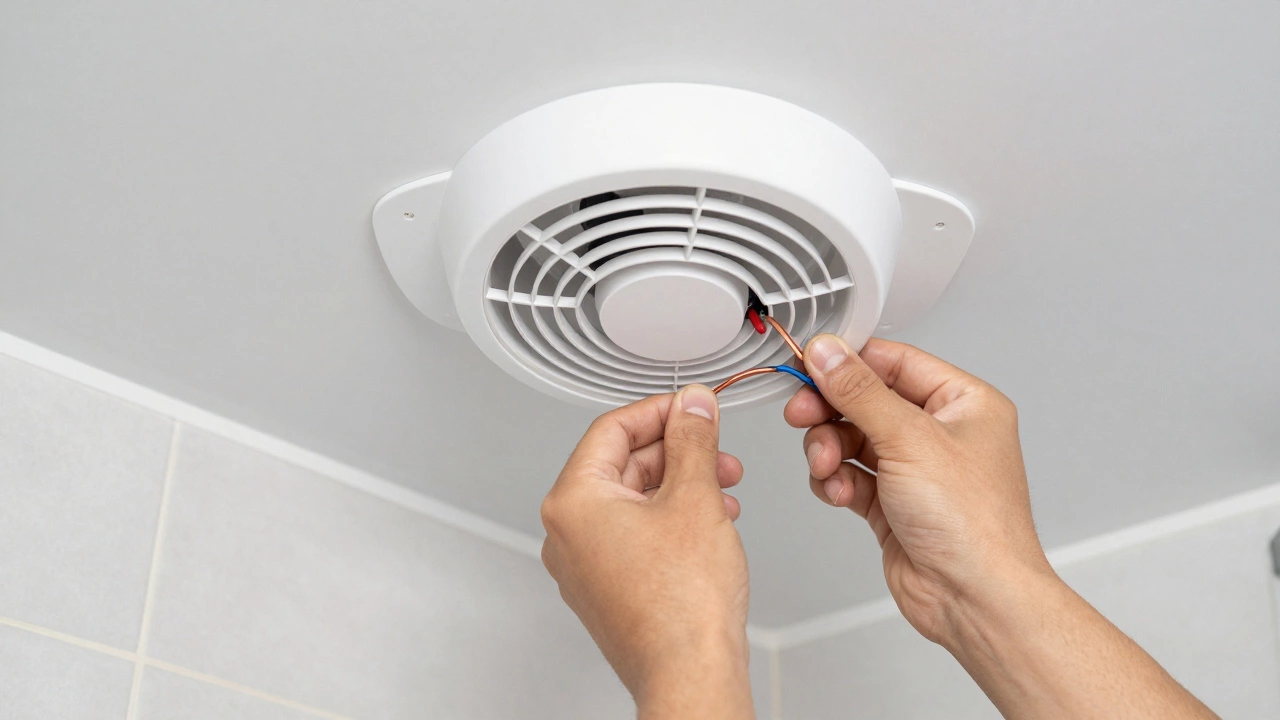
Wondering who should install your extractor fan? Learn when to hire an electrician, HVAC tech, or handyman for safe and efficient ventilation installation.
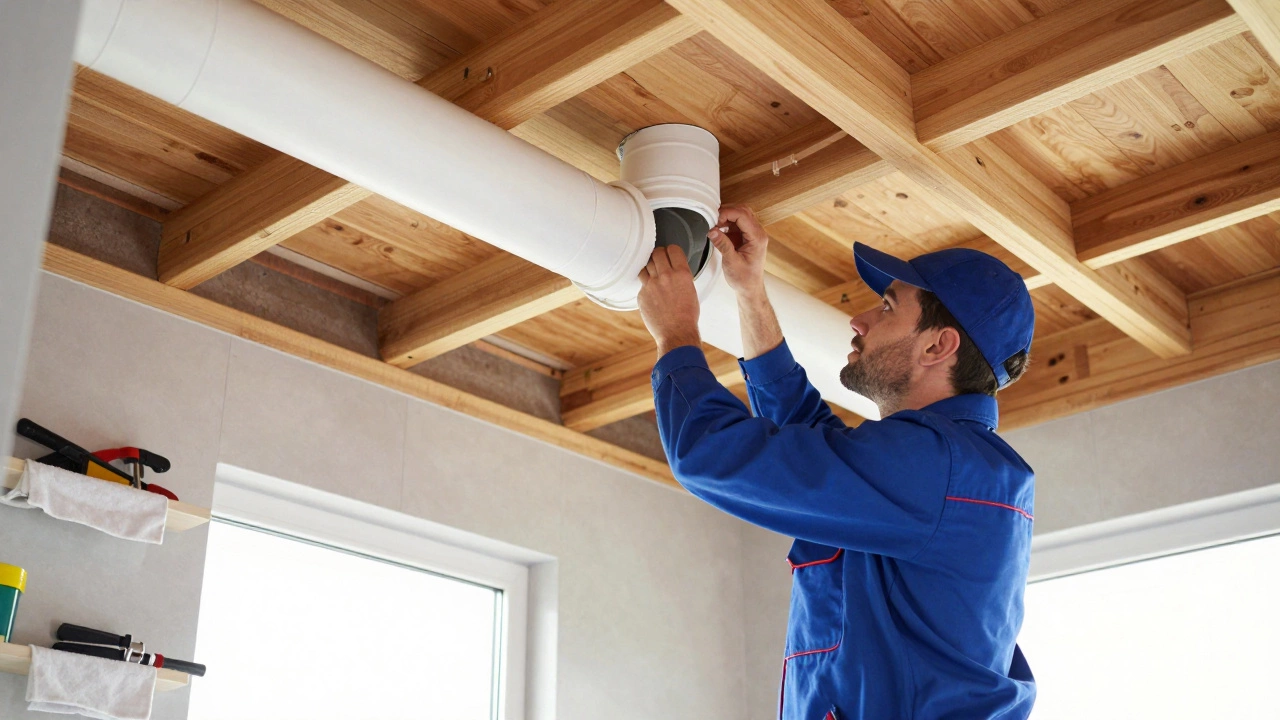
Plumbers can install extractor fan ductwork, but only electricians can legally wire them. Learn who to call for safe, code-compliant installation and how to avoid costly mistakes.
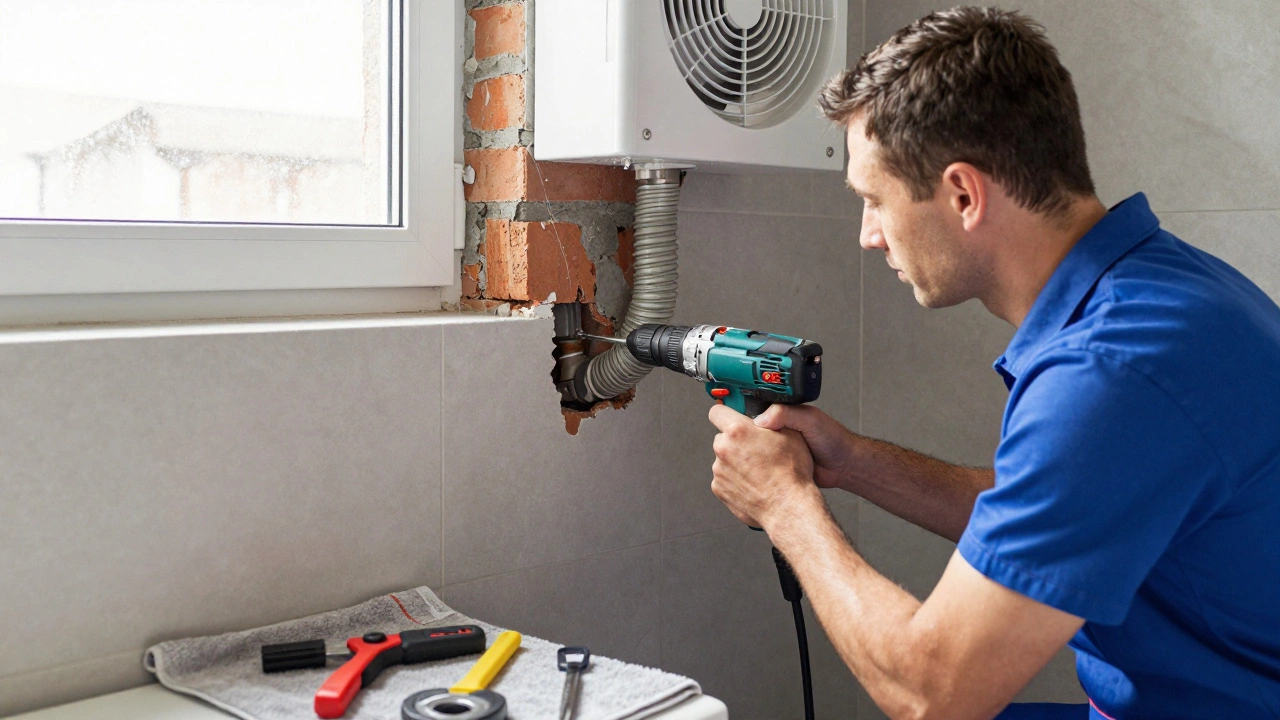
Can a plumber fit an extractor fan? While they can install the unit, only a qualified electrician can legally and safely handle the wiring. Learn what you need to know before hiring anyone.

Thinking of tackling an extractor fan installation on your own? Doing it yourself can be a rewarding project if you have the right tools and know-how. This guide breaks down the process into manageable steps, explains what to watch out for, and offers practical tips to avoid common pitfalls. You'll learn when it makes sense to go DIY and when you might need to call in a pro.

Keeping your home well-ventilated is essential, and extractor fans play a crucial role in maintaining air quality. Whether you're installing a new fan or repairing an old one, it's important to know who to call. Professional electricians and specialized ventilation technicians are the go-to experts. They ensure fans are properly installed and functioning efficiently, saving you from potential hassles down the road.

Replacing an extractor fan might seem challenging, but with the right tools and some guidance, it can be done efficiently. This guide outlines the process of replacing an extractor fan, from identifying signs it needs replacement to understanding how to choose the right model. Learn practical tips for handling installation and maintaining safety during the project. Make this task more approachable with easy-to-follow steps designed for beginners.

Boiler servicing is an essential aspect of home maintenance that ensures safety and efficiency. While it might seem tempting for homeowners to attempt servicing their own boilers, it's crucial to understand the complexities and risks involved. This article explores whether boiler maintenance can be a DIY project, providing key tips and insights. It offers guidance on what aspects are safe to handle on your own and when to call in a professional.

Deciding whether to repair an electric oven after five years can be tricky, especially with advancing technology and evolving household needs. This article explores the practical aspects of oven repair, including cost-benefit analyses, common issues, and DIY tips to help inform your decision. By understanding key factors like repair costs versus replacement options, you can make an informed choice. Learn how to assess the condition of your oven and get tips on when professional help might be needed.

Repairing a glass hob is an essential task for maintaining a functional and modern kitchen. The cost of fixing a glass hob can vary greatly depending on the damage's severity and the required repair type. This article delves into the various factors influencing repair costs, from crack treatment to replacement solutions. It also provides tips for maintenance to prolong the lifespan of your hob and prevent future damage.

Thinking of how long your gas hob will last? Dive into the expected lifespan of gas hobs, factors that affect their longevity, and simple maintenance tips. Discover how regular care can stretch your appliance's life and understand when it's time to consider repair or replacement. Make informed decisions to keep your culinary adventures flaming well.

Extractor fans are essential for maintaining air quality in enclosed spaces like kitchens and bathrooms. When these fans break down, they can lead to moisture buildup and unpleasant odors. This guide offers practical advice on fixing a broken extractor fan, providing step-by-step instructions that any homeowner can follow. Learn how to diagnose common issues and the tools needed to restore your fan to working order.