Extractor Fan Compliance Checker
Extractor Fan Installation Checker
Answer these questions to determine if your installation meets UK building regulations and electrical safety standards.
When you’re replacing a broken extractor fan in your bathroom or kitchen, you might wonder: can a plumber fit an extractor fan? It’s a common question - especially if you’ve already called one for a leaky pipe or a faulty boiler. The short answer? Yes, many plumbers can install an extractor fan. But not all of them should, and not all jobs are the same. Here’s what actually matters when deciding who to call.
What an extractor fan actually does
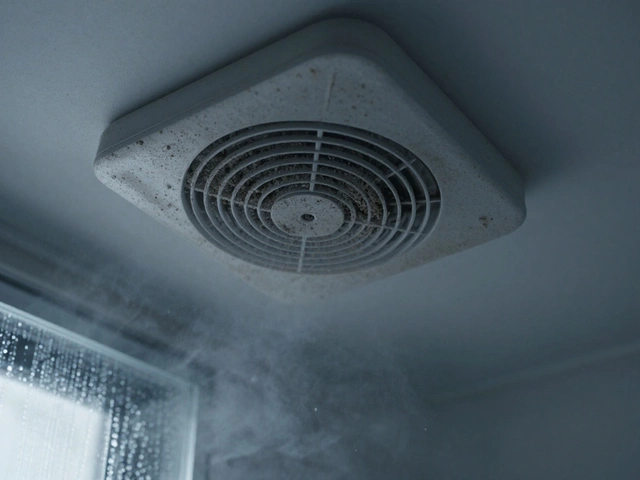
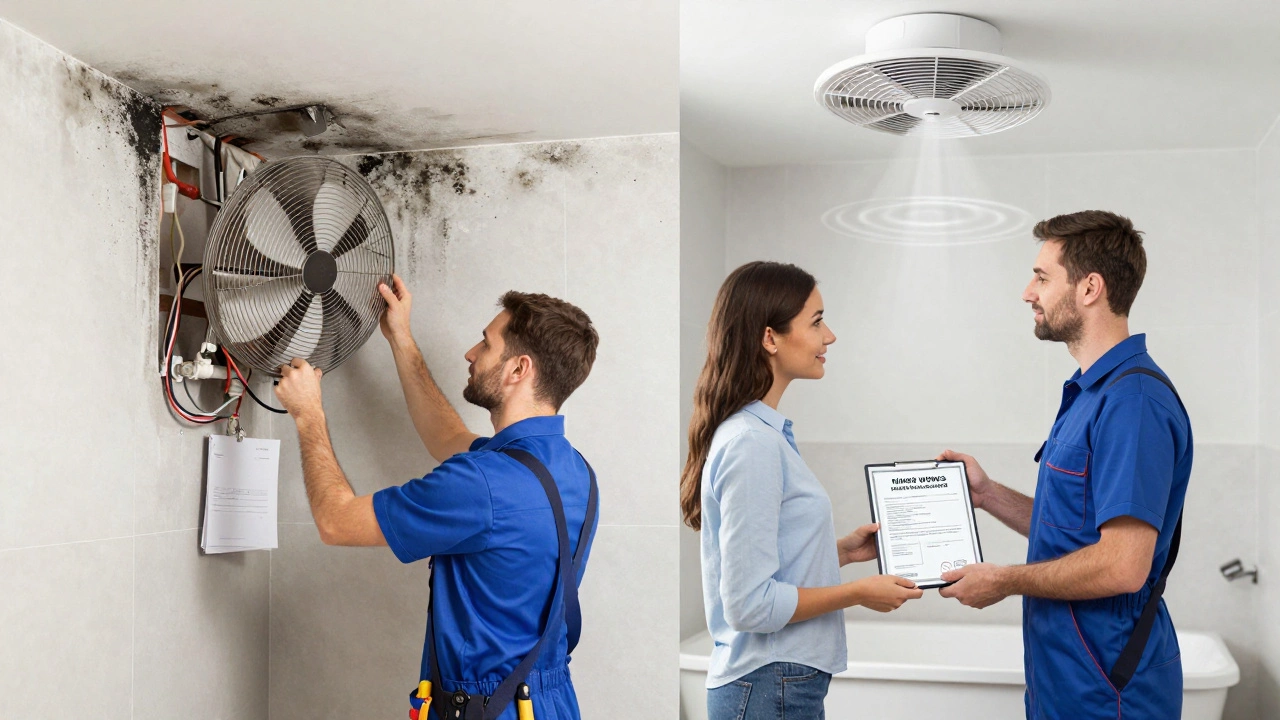
An extractor fan isn’t just about removing smells. In the UK, building regulations require them in bathrooms and kitchens to control moisture and prevent mould. Without proper ventilation, damp builds up, walls get black with mildew, and wood rot sets in. That’s why extractors aren’t optional - they’re legally required in new builds and major renovations.
Modern extractors come in different types: ceiling-mounted, wall-mounted, inline (hidden in the loft), and window-mounted. Most are connected to a duct that runs through the wall or roof to the outside. Some have timers, humidity sensors, or even Bluetooth controls. The installation isn’t just about screwing a box to the wall - it’s about sealing ducts, routing cables, and making sure airflow meets Building Regulations Part F.
Why plumbers often get called
Plumbers are usually the first people you think of when something’s wrong in the bathroom. If your extractor fan died right after your shower pipe started leaking, it’s natural to assume the same person can fix both. And in many cases, they can. Most plumbers in the UK have basic electrical knowledge - enough to wire a fan to an existing circuit, especially if it’s on a switched spur from the lighting circuit.
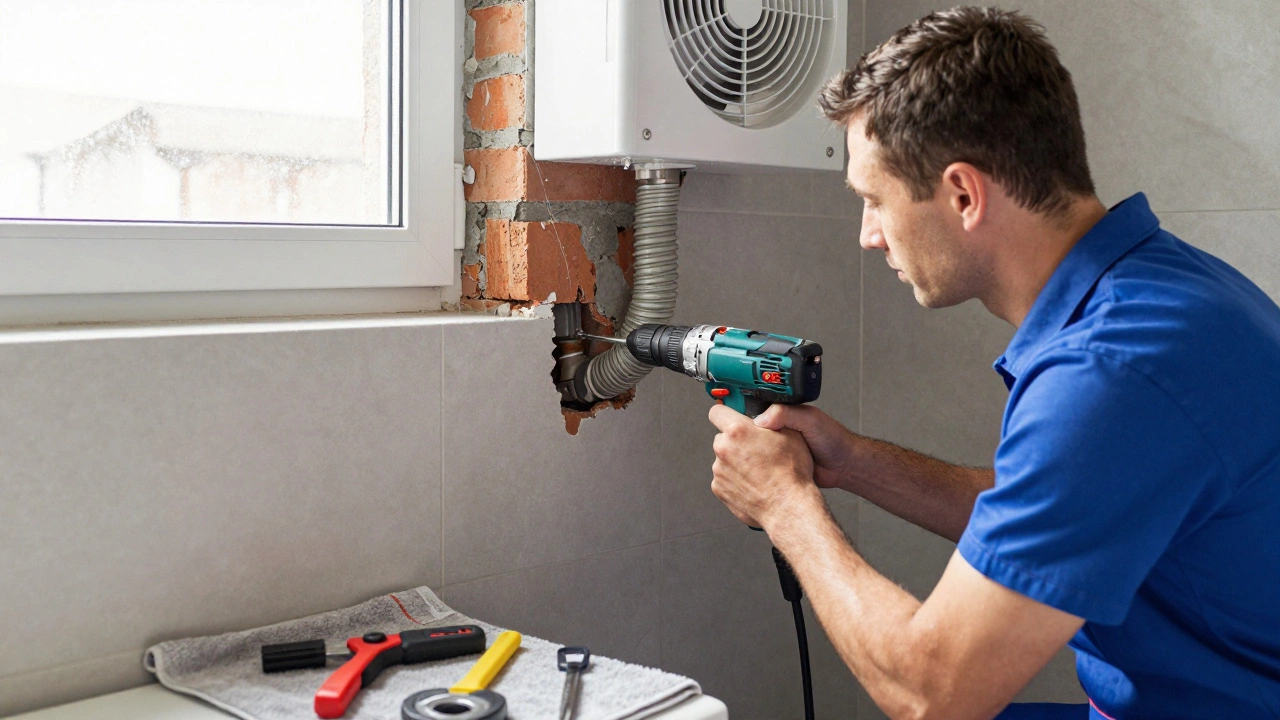
They’re also familiar with running pipes and ducts through walls and ceilings. If your fan needs a new duct to go from the bathroom to the outside, a plumber often knows how to cut through brickwork or roof tiles without causing leaks. That’s a skill electricians don’t always have.
Where plumbers fall short
But here’s the catch: installing an extractor fan involves electricity. And in the UK, any electrical work that’s not a simple plug-in replacement must comply with Part P of the Building Regulations. That means it needs to be either:
- Done by a qualified electrician registered with a competent person scheme (like NICEIC or ELECSA)
- Notified to your local building control before work starts
Most plumbers aren’t electricians. They don’t have the certification to test circuits, install RCD protection, or sign off on electrical compliance. If a plumber wires your fan directly into the fuse box without proper certification, you could be breaking the law - and your home insurance might not cover damage caused by faulty wiring.
There’s also the issue of fan selection. A plumber might recommend a basic 15-litre-per-second fan because it’s cheap and easy to fit. But if your bathroom is 10 square metres with a shower, you need at least 18 litres per second. A mismatched fan won’t remove moisture fast enough, and you’ll be back to mould problems in six months.
Electricians are the safer choice
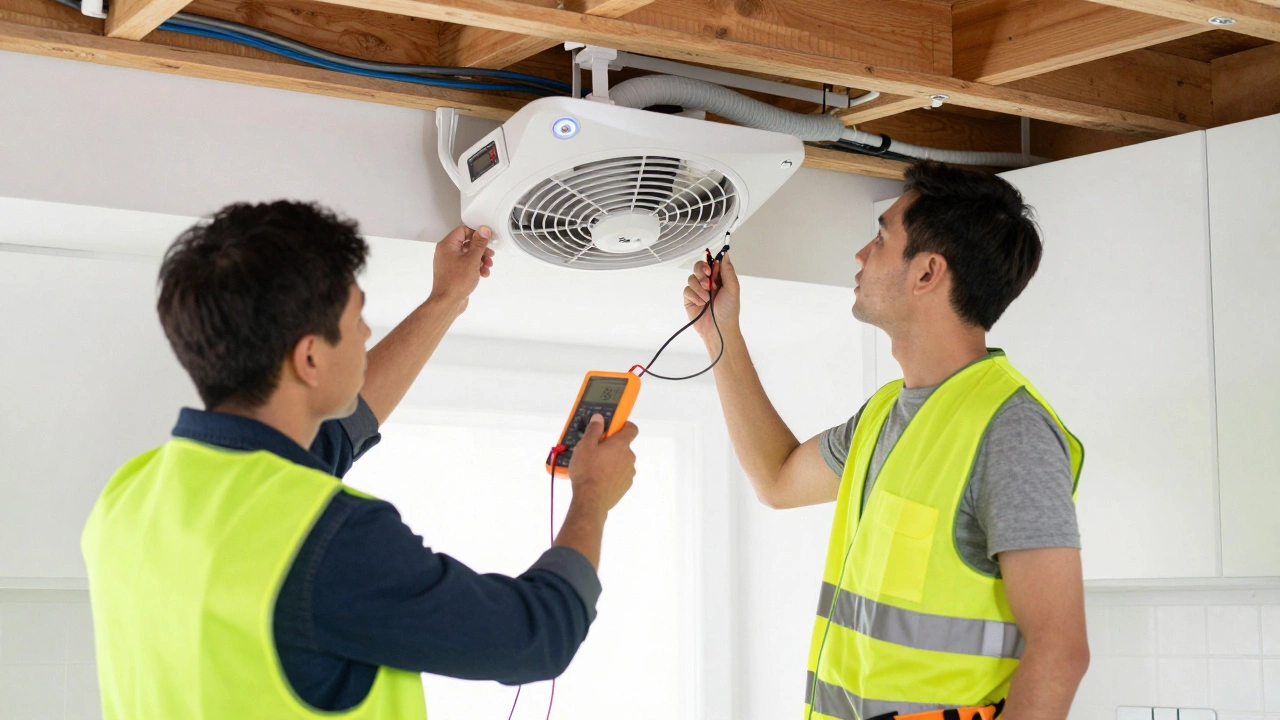
If you want guaranteed compliance, safety, and performance, hire a qualified electrician. They’ll:
- Check your existing circuit load
- Install a fused spur or dedicated circuit if needed
- Use the correct cable size and RCD protection
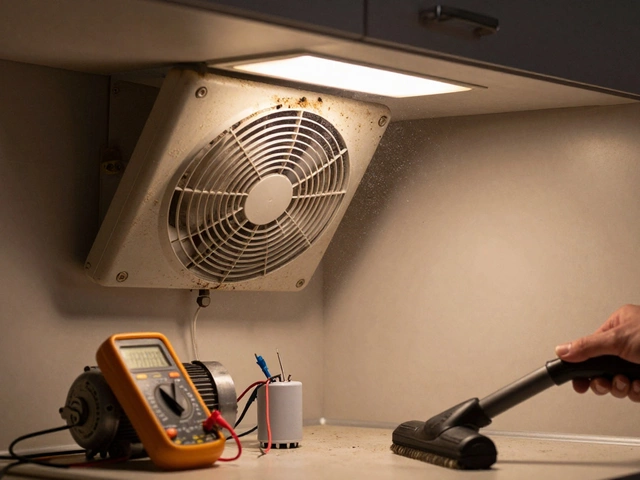
- Test the installation with a PAT tester
- Provide a Minor Electrical Installation Works Certificate
That certificate is proof you followed the law. It’s also what your insurer will ask for if there’s ever a fire or water damage claim. And most electricians can still handle the ducting - many work alongside builders or have teams that do both electrical and ventilation work.
What about DIY?
You might think: “I’m handy. I’ll just do it myself.” But unless you’re a registered electrician, you can’t legally carry out the wiring. Even swapping a fan on the same circuit requires checking for correct earthing and isolation. A mistake here could electrocute you, overload the circuit, or start a fire.
And if you install the fan without ducting it outside - say, you just vent it into the loft - you’re not just doing it wrong. You’re violating Building Regulations. Local councils can require you to remove it. You might even be fined.
When a plumber is the right choice
There are exceptions. If you’re replacing an old fan with a new one of the same type, on the same circuit, and the wiring is already up to standard, a skilled plumber with experience in extractor installations might handle it. But they should still:
- Confirm the circuit is safe and properly protected
- Use a certified electrician to test and certify the work if they’re not qualified
- Provide documentation
Some plumbing companies in Bristol and beyond now have in-house electricians or partnerships with them. Ask: “Do you have a certified electrician on your team?” If they say yes, that’s a good sign. If they say, “I’ll just wire it up,” walk away.
Cost differences: plumber vs electrician
Plumbers often charge less - around £100 to £150 for a simple fan swap. Electricians usually charge £150 to £250. But here’s what you’re paying for:
- Plumber: Labour, ducting, fan. May skip certification.
- Electrician: Labour, ducting, fan, testing, certification, compliance paperwork.
The electrician’s price includes legal protection. The plumber’s doesn’t. And if you ever sell your home, a buyer’s surveyor will check for Building Regulations compliance. No certificate? That’s a red flag. You might have to pay an electrician to come back and fix it - at full price - just to get the sale through.
What to look for when hiring
Don’t just pick the cheapest quote. Ask these three questions:
- “Are you registered with a competent person scheme for electrical work?”
- “Will you provide a Minor Works Certificate after installation?”
- “What fan model do you recommend, and why?”
Good tradespeople will show you their registration number. You can check it online at NICEIC or ELECSA. If they can’t give you a reason for their fan choice, they’re not thinking about airflow, noise levels, or long-term efficiency.
Real-world example: Bristol bathroom job
A homeowner in Clifton replaced their 20-year-old extractor fan with a new one. They hired a plumber because he was local and cheap. He didn’t test the circuit or provide a certificate. Six months later, the wall behind the fan turned black with mould. The surveyor during the house sale flagged it as a “non-compliant installation.” The buyer demanded a £1,200 credit for remediation - including rewiring, new ducting, and certification. The plumber refused to help. The homeowner paid out of pocket.
It didn’t have to happen.
Final advice
Yes, a plumber can physically fit an extractor fan. But unless they’re also a qualified electrician, they can’t legally or safely complete the job. The safest, smartest, and most cost-effective route is to hire a certified electrician - even if it costs a bit more upfront. You’re not just paying for labour. You’re paying for peace of mind, legal compliance, and protection for your home.
And if you’re replacing a fan in a bathroom - which you should do every 10 to 15 years - don’t cut corners. Moisture doesn’t wait. Neither do the consequences.