

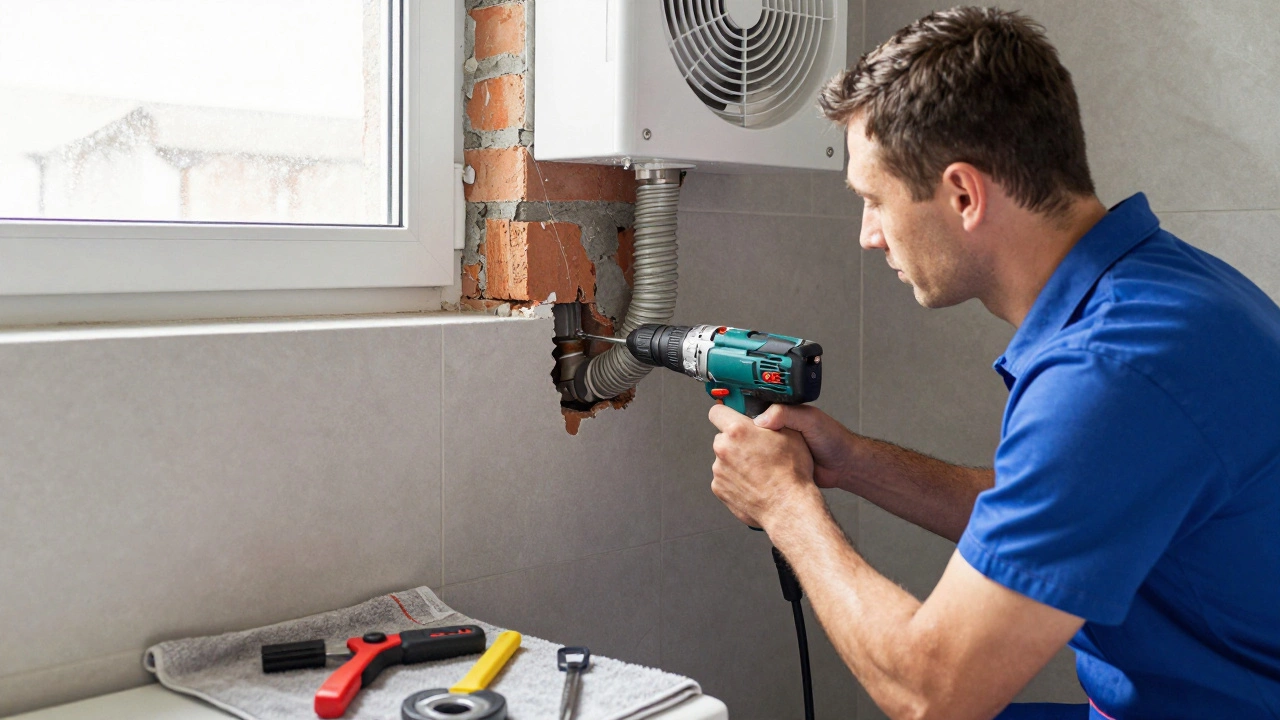
Can a plumber fit an extractor fan? While they can install the unit, only a qualified electrician can legally and safely handle the wiring. Learn what you need to know before hiring anyone.

When your water heater only puts out cold water, it’s more than just annoying—it can point to real problems inside the unit. This article breaks down the most common reasons behind a water heater that refuses to warm up, from tripped breakers to busted heating elements. You’ll find tips on quick checks you can do at home before calling a pro, plus some unexpected facts about how water heaters really work. Knowing what’s wrong can save you from a frigid morning shower and a giant repair bill. Get ready to tackle that cold water problem with practical advice you can use right away.

In the business world, appliances aren't just about the gadgets in your kitchen; they're tools and strategies central to operations. From simplifying daily tasks to enhancing efficiency, appliances play pivotal roles in various business aspects. Understanding their function means knowing how technology, devices, and smart systems integrate into business to drive productivity. Delving into real-life examples, this article provides insights and tips on leveraging appliances effectively.
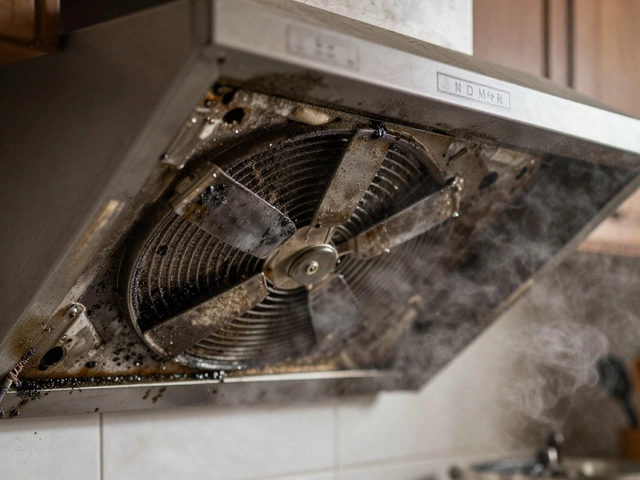
Kitchen extractor fans typically last 10-15 years, but grease buildup and lack of cleaning can cut that in half. Learn the signs it's time to replace yours and how to choose a better model.
Find out when repairing your dryer isn’t the smart move. Learn real signs, safety warnings, and how to choose between fixing and just getting a new one.
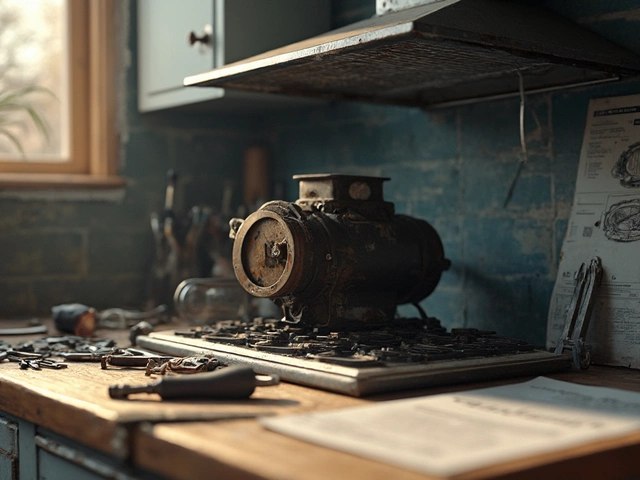
Thinking about swapping out the motor in your extractor fan? This article breaks down what's really involved, the red flags that mean the motor's cooked, and how to decide if you should tackle it yourself or call in a pro. It covers how to find the right replacement part, tips to avoid shocking mistakes, and why some fans just aren’t worth fixing. Whether your bathroom fan wheezes or your kitchen extractor hums like a jet, here’s how to handle a motor on its last legs.