
Extractor Fan Troubleshooter
Select the status that matches your fan's behavior to find the cause.
Diagnosis Complete
Issue Identified
Description of the issue goes here.
Recommended Action:
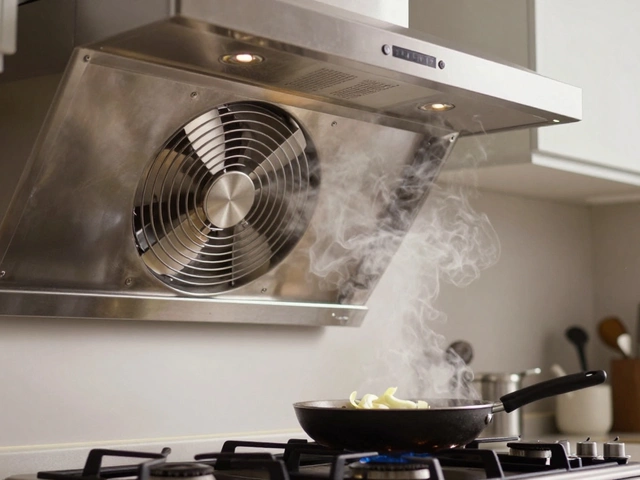
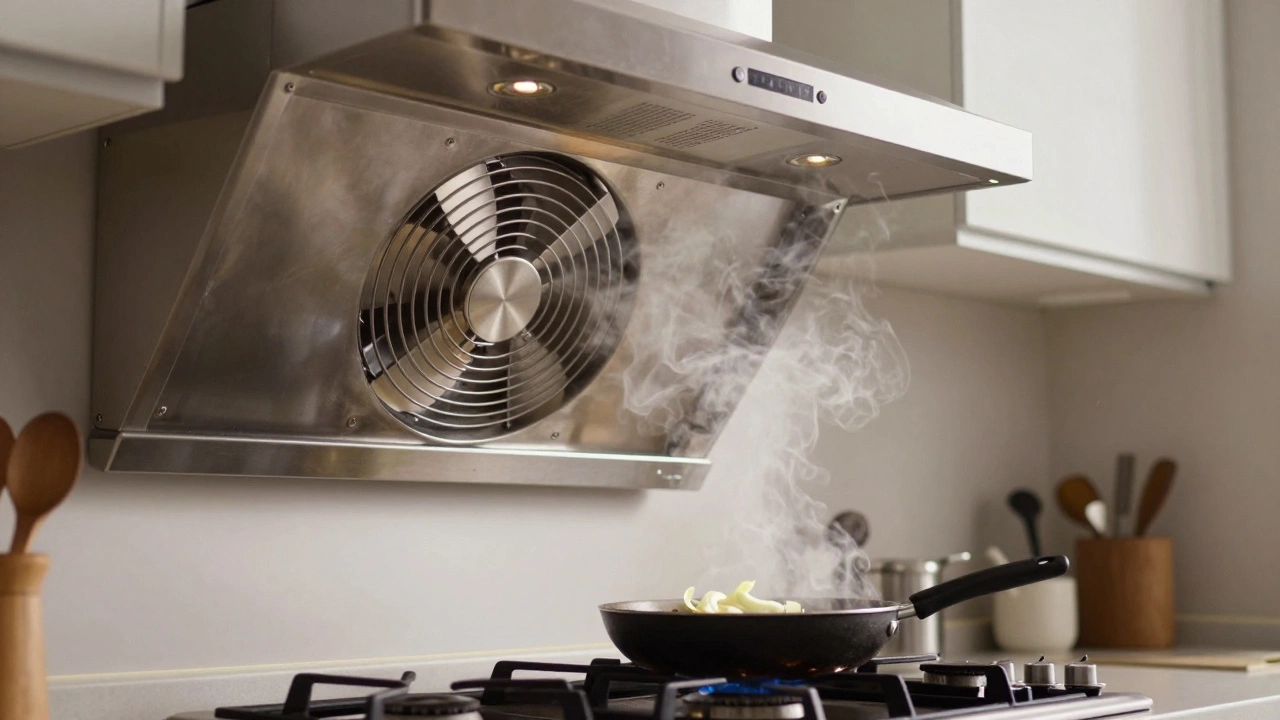
It starts with a smell. You’re cooking a lovely meal-maybe a curry or some fried onions-and suddenly the air in your kitchen feels heavy and stale. You reach for the switch, but the kitchen extractor fan is a ventilation device designed to remove smoke, steam, and odors from the kitchen environment. It usually sits above the hob or built into the range hood. gives you nothing but silence. Or worse, it rattles like a dying lawnmower before giving up entirely. It’s frustrating, messy, and honestly, a bit of a health hazard if grease builds up too much.
I’ve spent years fixing these units across Bristol, from Victorian terraces to modern flats in Clifton. The good news? In most cases, your fan isn’t dead. It’s just clogged, disconnected, or suffering from a simple electrical hiccup. Before you call out an engineer or buy a brand-new unit that costs more than your first car, let’s walk through exactly why these things fail and how you can often fix them yourself.
The Clogged Filter: The Usual Suspect
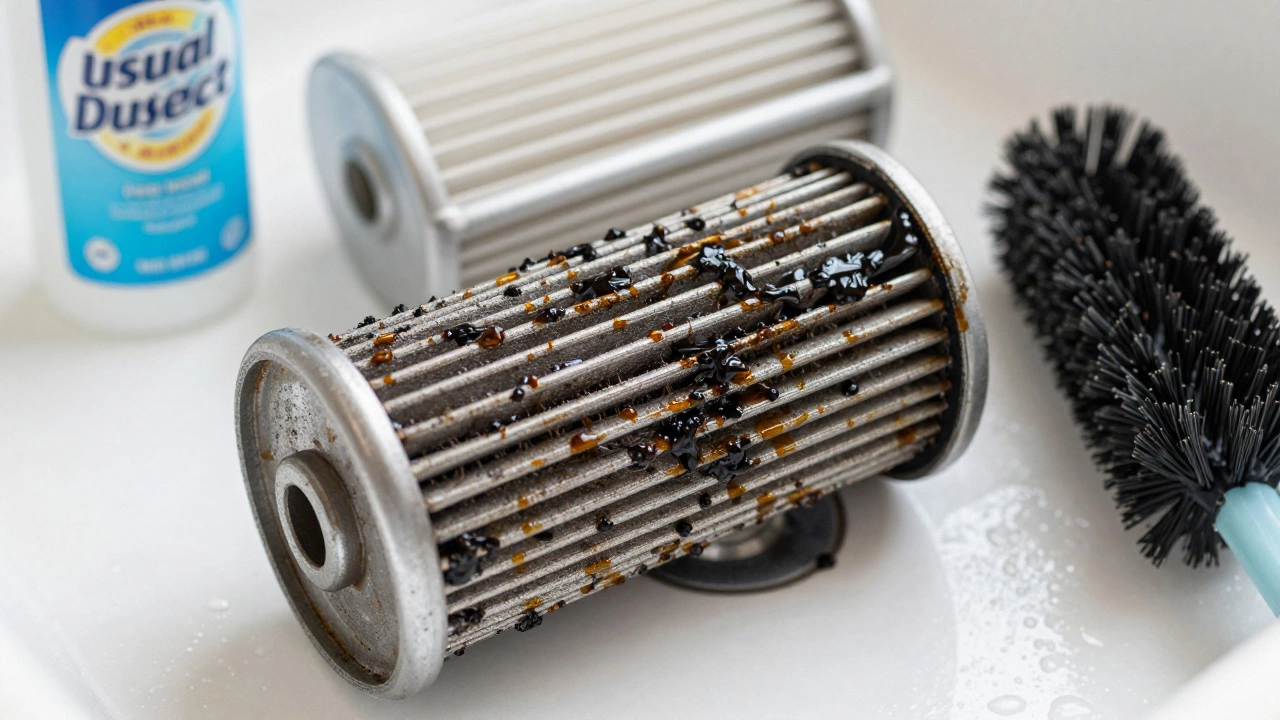
If your fan used to work fine and has gradually become quieter or stopped pulling air altogether, look at the filters first. This is the number one reason I see homeowners calling for repairs that don’t actually need one. Over time, grease particles from your cooking stick to the metal mesh or charcoal filters. Eventually, they create a solid blockage. Air cannot pass through, so the motor struggles or simply idles because there’s no resistance to push against.
Grease filters are removable metal meshes that trap oily vapors to prevent them from entering the ducting system. These are usually made of aluminum or stainless steel. If yours looks dark, sticky, or coated in a thick layer of grime, that’s your problem. The fix is surprisingly easy. You can soak these filters in hot water with a strong degreaser or even dishwasher-safe detergent. Let them soak overnight, scrub gently with a soft brush, and rinse. If you have a recirculating fan (one that doesn’t vent outside), you’ll also have Carbon filters are activated charcoal pads that absorb odors in non-ducted extraction systems. These can’t be washed; they need replacing every three to six months depending on how much you cook.
Electrical Issues: Is Power Reaching the Fan?
If cleaning the filters didn’t help, we need to check if electricity is actually getting to the unit. Sometimes, a tripped circuit breaker or a loose wire behind the wall plate is all that’s standing between you and a working fan. Start by checking your consumer unit (fuse box). Did any lights go out when the fan died? If not, the main power might still be on, but the specific circuit could be overloaded.
Next, check the switch. Many extractor fans are wired to a dedicated pull-cord or a wall switch near the door. If that switch fails, the fan won’t turn on even if the motor is perfectly healthy. Try bypassing the switch temporarily (if you’re comfortable doing so) or test the switch with a multimeter. If you get continuity, the switch is fine. If not, replace it. It’s a cheap part, costing less than £10 at most hardware stores in the UK.
Also, inspect the wiring connections inside the fan housing. Loose terminals can cause intermittent operation or total failure. Tighten any loose screws on the terminal block, but ensure the power is switched off at the mains first. Safety first, always.
Motor Failure: When the Heart Stops Beating
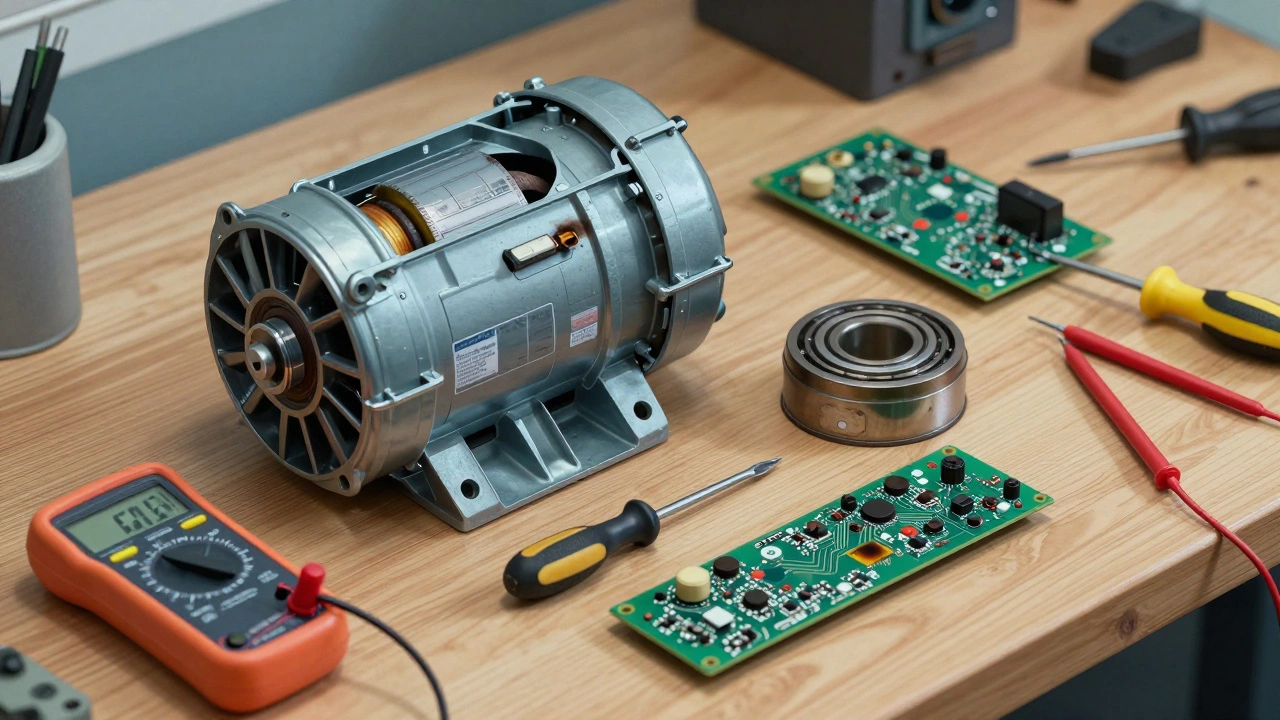
If power is reaching the fan and the filters are clean, but the fan still won’t spin, the motor itself might be faulty. Motors in Range hoods are ventilation appliances mounted above cooking ranges to capture airborne grease, combustion products, fumes, smoke, heat, and odor. typically last between five to ten years. However, they can fail sooner due to overheating or bearing wear. Listen closely when you switch it on. Do you hear a humming sound but no movement? That usually means the motor is receiving power but the rotor is stuck or the capacitors have failed.
A common issue is worn-out bearings. As bearings degrade, they create friction, causing the motor to overheat and eventually burn out. You might notice a grinding noise before it stops completely. If the motor is burnt out, you have two options: replace just the motor assembly (if available as a spare part) or replace the entire fan unit. For older models, replacement is often more cost-effective than hunting down obsolete parts.
Ducting Problems: Blocked Paths and Leaks
For ducted fans, the path the air takes matters just as much as the fan itself. If your Exhaust ducts are tubing systems that channel extracted air from the kitchen to the exterior of the building. are blocked by bird nests, debris, or collapsed flexible tubing, the fan will struggle to push air out. This backpressure can cause the motor to overwork and fail prematurely. Check the external vent cap on your roof or wall. Is it clear? Can it open freely? Sometimes, a stiff hinge or rusted mechanism prevents the flap from opening, effectively sealing the fan shut.
Leaky ducts are another culprit. If joints in the ducting aren’t sealed properly with foil tape, air escapes into the loft or wall cavity instead of going outside. This reduces efficiency and makes the fan seem weaker than it is. Inspect visible sections of ducting for gaps or tears. Seal them immediately to restore proper airflow.
Control Board and Capacitor Failures
Modern extractor fans often come with electronic control boards rather than simple mechanical switches. These boards manage speed settings, lights, and timers. Like any electronics, they can fail due to voltage spikes, moisture damage, or age. If your fan has multiple speeds but only one works, or if the lights work but the fan doesn’t, the control board might be the issue. Similarly, single-phase motors rely on start capacitors to kickstart rotation. A weak or blown capacitor will prevent the fan from starting, even though the motor is fine. Testing a capacitor requires a multimeter with capacitance measurement capabilities. If the reading is significantly lower than the rated value printed on the component, replace it.
| Symptom | Likely Cause | Difficulty Level | Estimated Cost |
|---|---|---|---|
| Fan runs but no suction | Clogged grease/carbon filters | Easy | £0 - £15 (new filters) |
| No power, no noise | Tripped breaker, loose wire, bad switch | Medium | £5 - £30 (switch/wiring) |
| Humming but not spinning | Bad capacitor or seized motor bearings | Hard | £20 - £60 (cap/motor) |
| Loud grinding noise | Worn bearings or foreign object in blades | Medium | £30 - £80 (motor assembly) |
| Intermittent operation | Loose connection or failing control board | Hard | £40 - £100 (board/replacement) |
When to Call a Professional
While many issues are DIY-friendly, some situations require professional intervention. If you’re unsure about electrical safety, always hire a qualified electrician. Working with live wires is dangerous and voids insurance if done incorrectly. Also, if your fan is integrated into a complex chimney system or requires structural changes to reroute ducting, bring in a specialist. They have the tools to diagnose airflow issues accurately and ensure compliance with building regulations.
In Bristol, where older properties often have quirky wiring setups, professional diagnosis can save you time and money in the long run. Don’t hesitate to seek help if the problem persists after basic troubleshooting.
How do I know if my extractor fan motor is dead?
If you hear a humming sound but the blades don’t move, the motor might be seized or the capacitor failed. If there’s no sound at all and power is confirmed, the motor windings may be burnt out. Use a multimeter to check for continuity in the motor coils. No continuity means the motor is dead.
Can I clean my extractor fan without removing it?
You can wipe down the exterior and accessible interior surfaces with a degreaser spray. However, for deep cleaning, especially of the internal fan blades and motor housing, removal is recommended. Accumulated grease poses a fire risk and reduces efficiency significantly.
Why does my extractor fan smell burning?
A burning smell usually indicates overheating due to clogged filters, a failing motor, or electrical arcing from loose connections. Turn off the fan immediately, unplug it, and inspect for visible signs of scorching or melted plastic. If the smell persists after cleaning and cooling, replace the motor or consult an electrician.
How often should I replace carbon filters?
Carbon filters should be replaced every 3 to 6 months for average households. If you cook frequently with strong-smelling foods like fish or spices, consider replacing them monthly. Unlike metal grease filters, carbon filters cannot be cleaned and lose effectiveness once saturated.
Is it worth repairing an old extractor fan?
If the repair cost exceeds 50% of a new unit’s price, replacement is usually better. Newer models are more energy-efficient, quieter, and come with warranties. However, if it’s a high-end custom hood, repairing might preserve its aesthetic value. Always weigh labor costs against part prices.