

If your extractor fan has gone silent or is sputtering, you don’t have to live with stale air. Most fans fail because of dust, a loose connection, or a worn motor – all fixes you can tackle in an hour with basic tools. Below you’ll find the most common reasons fans quit, a step‑by‑step repair guide, and clear signs when it’s time to call an electrician or a ventilation expert.
First, check the obvious. A clogged filter or a build‑up of grease on the blades can stop airflow and make the motor overheat. Next, look at the power side: a tripped circuit breaker, a loose plug, or a dead switch are quick fixes. Lastly, the motor itself may be humming but not turning – that usually means the bearings are worn or the fan’s capacitor has gone bad. Knowing which of these three groups (cleaning, electrical, motor) is causing the issue will save you time.
1. Safety first. Turn off the circuit at the fuse box and unplug any detachable cords. Lay a towel on the floor to catch any drips.
2. Remove the cover. Most fans have a few screws on the front grille. Unscrew them, pull the cover off, and set it aside.
3. Clean the blades and filter. Use a soft brush or an old toothbrush to scrub away grease and dust. If the fan has a metal mesh filter, soak it in warm, soapy water for ten minutes, then rinse and dry.
4. Test the wiring. With the fan still off, check the wires for loose terminals. Tighten any loose screw connections and look for any blackened or frayed insulation. If you see damage, replace the wire or call a qualified electrician.
5. Spin the motor. Gently turn the fan blade by hand. It should move freely. If it sticks, spray a little light oil on the bearings. If it still won’t turn, the motor may need a new capacitor – a small, inexpensive part that you can swap out.
6. Re‑assemble and test. Put the cover back, screw it in, restore power, and flip the switch. You should hear a steady hum and see airflow. If the fan runs but is noisy, the blades might be misaligned; tighten any loose screws on the blade hub.
If any of these steps feel beyond your comfort level – especially dealing with wiring or motor parts – it’s wise to call a professional. An electrician can safely check the circuit, while a ventilation specialist will know the exact replacement fan model for your space.
Remember, regular maintenance makes future fixes easier. Clean the filter every month if you cook often, and give the fan a quick visual check each season. A well‑maintained fan lasts years, saving you both hassle and the cost of a full replacement.
So next time your kitchen or bathroom feels stuffy, you now have the tools and confidence to fix the extractor fan yourself. A few minutes of work, a little cleaning, and a safe check of the wiring can bring fresh air back to your home without a pricey service call.
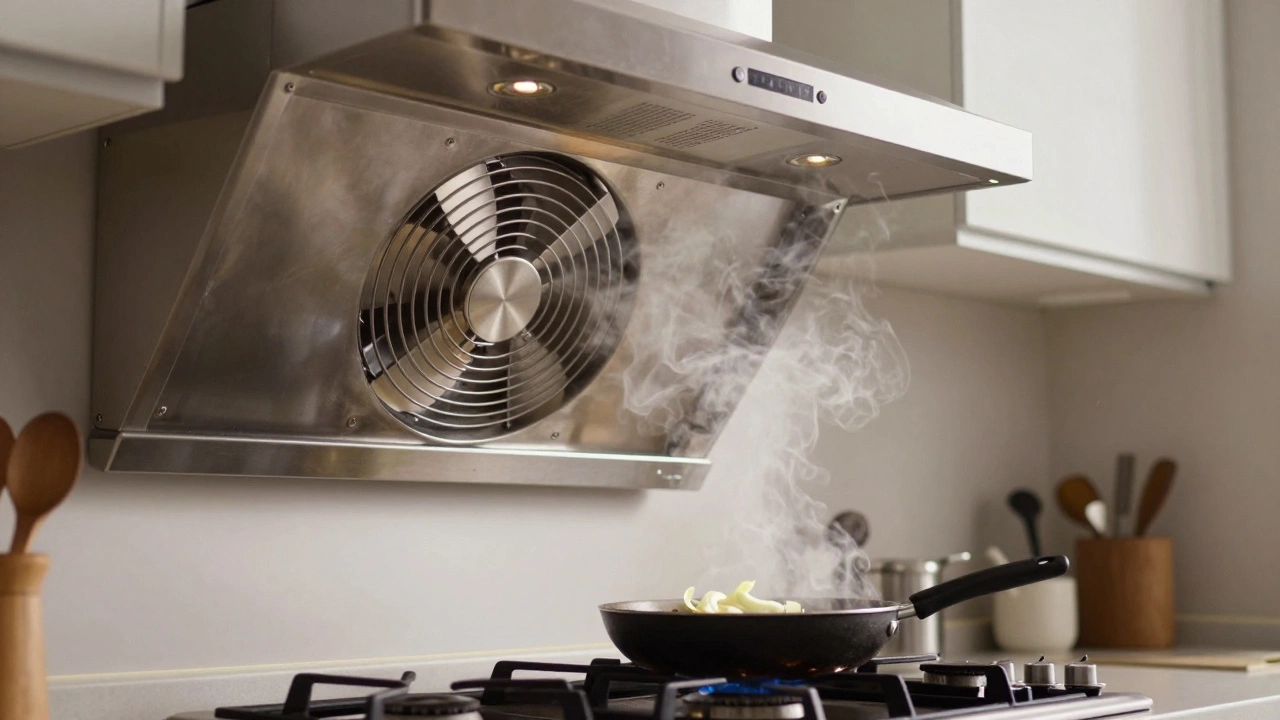
Discover why kitchen extractor fans stop working and how to fix them. From clogged filters to motor failures, learn practical troubleshooting steps to restore airflow and avoid costly repairs.

Repairing an extractor fan can seem daunting, but with the right guidance and tools, it's a task that can be tackled with confidence. This article walks you through the essential steps of diagnosing common issues, the tools needed for basic repairs, and tips for maintaining your fan in top condition. Whether in a kitchen or bathroom, keeping your extractor fan functional ensures optimal ventilation and air quality. Learn when a repair is possible and when it might be time to seek professional help.

Fixing an extractor fan can be a straightforward process if approached with the right tools and knowledge. This article delves into various factors affecting repair time, common issues encountered, necessary tools, and preventive tips to maintain optimal performance. Readers will discover useful advice on diagnosing problems and learn how to efficiently address and resolve them, ensuring a smooth and fresh airflow in kitchens and bathrooms.
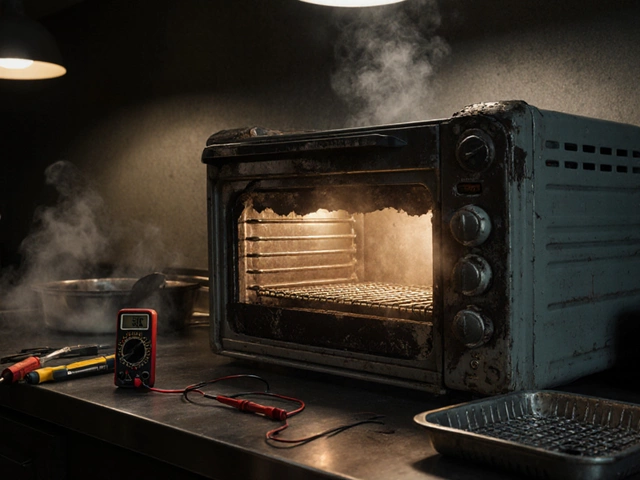
If your electric oven isn't heating, it's usually due to a broken element, faulty thermostat, or blown thermal fuse. Learn how to diagnose and fix the most common causes quickly and safely.
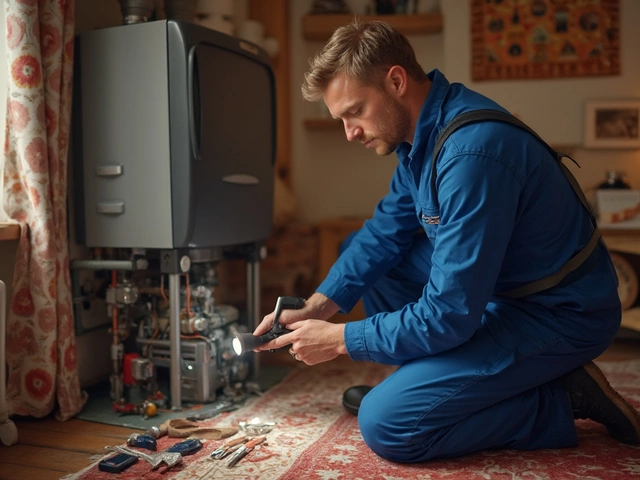
Regular boiler servicing is crucial to ensure safety and efficiency in home heating systems. A comprehensive service involves thorough inspections and cleaning, enhancing performance and extending the lifespan of the unit. Areas covered include checking the burner, inspecting the flue, and ensuring controls work correctly. Routine servicing helps prevent breakdowns and identifies potential issues early. Understanding what's involved can help homeowners make informed decisions and maintain reliable heating.

Choosing a cooker that stands the test of time can be daunting amid a sea of brands promising longevity. This article delves into which brands have stood out for their durability and reliability. By exploring user experiences and industry insights, it aims to guide you in the right direction. Discover how some brands maintain their reputation for endurance and what to consider when selecting your next appliance.

Discover when to worry about your boiler, warning signs to watch, and smart tips for safe use. Get practical advice to avoid major boiler headaches.

Find out if your food is safe after a freezer breakdown. Learn how long food stays cold, what to keep vs. toss, and essential steps to prevent waste and illness.