Extractor Fan Lifespan & Health Checker
Use this tool to estimate the lifespan of your extractor fan based on its type and quality, and to diagnose potential issues based on symptoms.
You turn on the light in your bathroom or start cooking a spicy meal in the kitchen, and you hear that familiar whirring sound. But lately, it sounds more like a rattle. The air isn't moving as fast as it used to. You might be asking yourself: do extractor fans actually wear out? The short answer is yes. Every mechanical device has a finite life, and extractor fans are no exception. They deal with heat, moisture, grease, and dust daily. Over time, these elements take their toll.
Understanding when a fan is simply dirty versus when its internal components have failed can save you money. It also prevents mold growth and poor indoor air quality. This guide breaks down how long these units last, what kills them early, and how to tell if you need a simple clean or a full replacement.
The Average Lifespan of an Extractor Fan
If you buy a standard household extractor fan is a ventilation device designed to remove stale air, odors, and moisture from enclosed spaces, you should expect it to last between 10 to 15 years. This estimate applies to both kitchen range hood fans and bathroom exhaust fans under normal usage conditions. High-quality brands often use ball bearings instead of sleeve bearings, which can push that lifespan closer to 20 years. Cheaper models, often found in budget renovations, might struggle past the five-year mark.
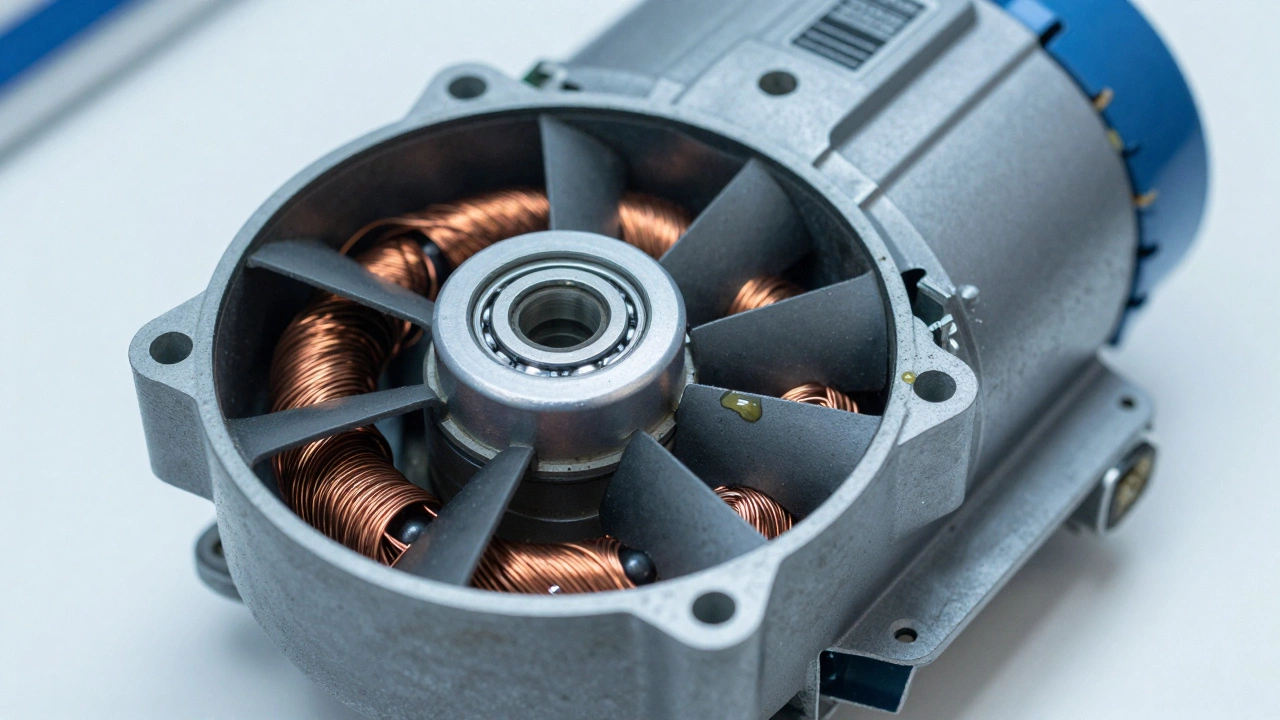
The type of motor matters significantly. Most residential fans use shaded-pole motors or permanent split capacitor (PSC) motors. Shaded-pole motors are simpler but less efficient and tend to overheat faster, leading to earlier failure. PSC motors run cooler and quieter, offering better longevity. If your home was built before 2010, you likely have older technology that wears out quicker than modern energy-efficient models.
| Fan Type / Quality | Average Lifespan | Common Failure Point |
|---|---|---|
| Budget Bathroom Fan | 5-8 Years | Sleeve bearing seizure |
| Standard Kitchen Hood | 10-12 Years | Motor overheating due to grease |
| Premium Ball-Bearing Fan | 15-20 Years | Capacitor failure |
| Ductless Recirculating Fan | 8-10 Years | Carbon filter saturation & motor strain |
Why Do Extractor Fans Fail?
Extractors don't just stop working for no reason. There are specific enemies that shorten their lives. Identifying these helps you protect your investment.
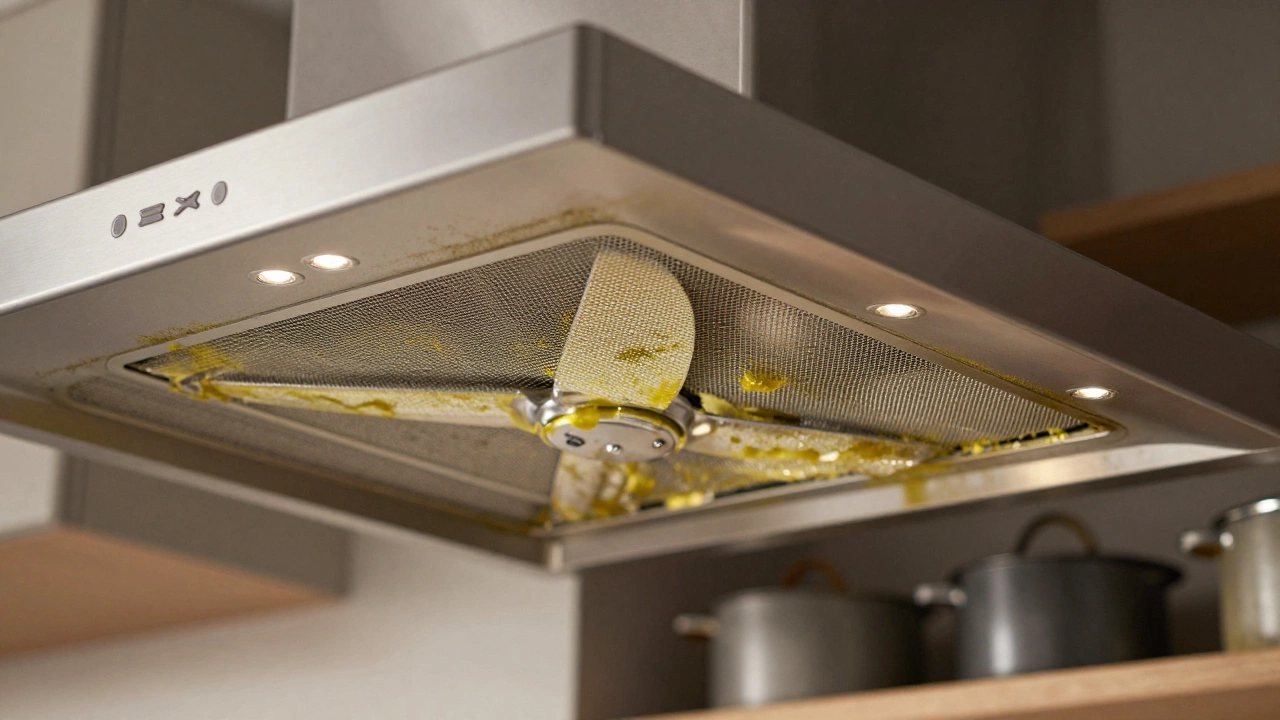
- Grease Buildup: In kitchens, oil particles stick to the fan blades and motor housing. This creates an imbalance. The motor has to work harder to spin the heavy, greased blades. This extra strain generates heat, which degrades the motor's insulation wire inside the coil. Eventually, the motor burns out.
- Moisture and Humidity: Bathroom fans operate in high-humidity environments. Condensation can seep into the motor casing. Over years, this causes corrosion on the electrical contacts and the metal shaft. Corrosion leads to friction, noise, and eventual seizure.
- Dust and Lint: Dust acts like sandpaper on moving parts. It clogs the air intake and coats the bearings. A dusty fan draws less air, causing the motor to run hot even at low speeds.
- Vibration: If the fan isn't mounted securely, constant vibration loosens screws and damages the mounting bracket. More importantly, vibration accelerates wear on the bearings. A loose fan will make rattling noises long before it stops spinning entirely.
Signs Your Extractor Fan Is Dying
You don't have to wait for the fan to die completely to know there's a problem. Early detection allows for cheap repairs rather than expensive replacements. Watch for these red flags.
Unusual Noises
A healthy fan hums quietly. If you hear grinding, screeching, or loud rattling, something is physically wrong. Grinding usually means the bearings are shot. Screeching often indicates the fan blade is hitting the housing because the motor shaft has bent or the mount has shifted. Rattling suggests loose debris inside the ductwork or a loose screw in the fan cage.
Reduced Airflow
Hold your hand near the vent. If you barely feel a breeze compared to when you installed it, the fan is struggling. This could be a clogged filter, a blocked duct, or a weakening motor. If cleaning the filter doesn't help, the motor's torque is declining.
Intermittent Operation
Does the fan start, stop, then start again? Or does it only work if you wave a towel near the switch? This points to electrical issues. The most common culprit is a failing capacitor is an electronic component that stores and releases electrical energy to help the motor start and run smoothly. Capacitors degrade over time. When they lose charge, the motor gets inconsistent power.
Heat Generation
Touch the faceplate of the fan after it has run for ten minutes. It should be warm, not hot. If it's too hot to touch comfortably, the motor is overheating. This is a critical warning sign. Continued use can melt the plastic housing or cause a fire hazard. Turn it off immediately and inspect for blockages or motor failure.
Can You Repair a Worn-Out Fan?
Not all failures require a brand-new unit. Many "dead" fans are actually just dirty or have one replaceable part. Here is how to approach repairs based on the symptom.
Cleaning vs. Replacing Bearings
If the fan is noisy but still spins, try cleaning it first. Remove the grille and wash the blades with warm soapy water. Dry them thoroughly. Reassemble and test. If the noise persists, the bearings are likely worn. Sleeve bearings cannot be repaired; the whole motor assembly must be replaced. Ball bearings can sometimes be cleaned and lubricated with a drop of lightweight machine oil, but this is a temporary fix. For a permanent solution, replacing the entire motor kit is often cheaper than buying specialized bearing tools.
Replacing the Capacitor
If the fan hums but doesn't spin, or spins very slowly, check the capacitor. It looks like a small silver cylinder attached to the motor wires. You can buy universal replacement capacitors online. Match the microfarad (µF) rating printed on the old one. Disconnect power at the breaker box before touching any wires. Swap the capacitor and test. This is a $10 fix that can revive a fan for another five years.
When to Replace the Whole Unit
If the motor itself smells like burning plastic, the windings are fried. This is not repairable. Also, if your fan is over 15 years old, consider upgrading. Modern fans are significantly quieter and more energy-efficient. The cost of labor to replace a motor in an old unit often exceeds the price of a new, high-efficiency model.
Maintenance Tips to Extend Fan Life
Prevention is cheaper than cure. Simple habits can double the life of your extractor fan.
- Clean Filters Monthly: Kitchen mesh filters trap grease. Wash them in the dishwasher or with degreaser every month. Bathroom filters collect dust and hair; vacuum them monthly.
- Check Ductwork Annually: Ensure the external vent flap opens freely. Birds' nests or leaves can block the exit, forcing the motor to work against pressure. Clear any obstructions.
- Lubricate If Applicable: Some older fans have oil ports. Add a few drops of non-detergent motor oil annually. Most modern sealed bearings do not need this, so check your manual.
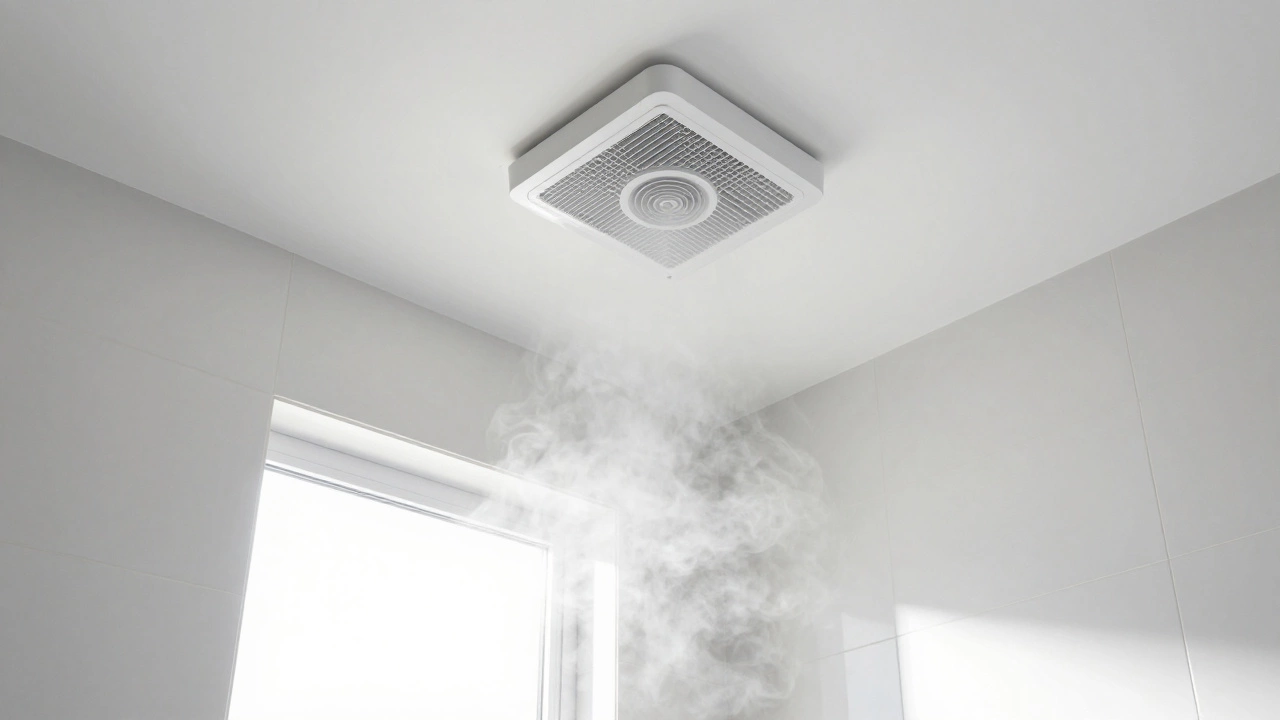
- Use Timers or Humidity Sensors: Running the fan longer than necessary wastes energy and wears the motor. Install a humidity sensor for bathrooms so the fan runs only as long as needed to clear steam.
DIY vs. Professional Repair
Simple tasks like cleaning filters, checking switches, and replacing accessible capacitors are safe DIY jobs. However, if the issue involves wiring inside the wall, complex motor disassembly, or if you are uncomfortable working with electricity, hire a professional. Electricians can diagnose voltage issues that damage motors. HVAC specialists can ensure ductwork is properly sized and sealed. Improper installation is a leading cause of premature fan failure.
How do I know if my extractor fan motor is bad?
A bad motor usually presents with three signs: it makes a loud grinding or buzzing noise, it feels excessively hot to the touch, or it fails to spin despite receiving power (you may hear a hum). If cleaning the blades and checking the capacitor doesn't resolve the issue, the motor windings are likely burned out and need replacement.
Is it worth repairing an old extractor fan?
If the fan is less than 10 years old, repairing the capacitor or cleaning the bearings is often worth it. If the fan is older than 15 years, replacement is usually better. Newer models are quieter, more energy-efficient, and come with warranties. The cost of labor for a major repair often exceeds the price of a new mid-range unit.
Why does my extractor fan smell like burning?
A burning smell indicates overheating. This can be caused by excessive grease buildup on the motor, a seized bearing creating friction, or electrical shorts in the wiring. Turn off the fan immediately. Clean any visible grease. If the smell persists after cleaning, the motor is damaged and poses a fire risk. Replace the unit.
Can I lubricate my extractor fan bearings?
Only if the manufacturer specifies oil ports. Many modern fans use sealed ball bearings that cannot be lubricated. Using the wrong oil on sleeve bearings can attract dust and worsen the problem. If your fan is noisy due to dry bearings, adding a single drop of lightweight machine oil might help temporarily, but replacement is the long-term solution.
How often should I clean my kitchen extractor fan filters?
You should clean aluminum mesh filters every 1 to 2 months if you cook regularly. Heavy frying requires more frequent cleaning. Grease buildup restricts airflow, forcing the motor to work harder and overheat. Regular cleaning is the single most effective way to extend the life of your kitchen extractor fan.