

Cooking can fill your kitchen with steam, smoke, and smells. A well‑kept extractor fan pulls all that out, leaving the air fresh. If you let the fan get dirty or ignore odd noises, it loses power and can even start to smell. Below are the most useful things you can do yourself to keep the fan humming.
First, turn off the fan and unplug it if you can. Most kitchen fans have a removable grill or filter. Remove it and tap it gently to shake out loose dust. Then soak the filter in warm soapy water for about ten minutes. Use a soft brush to scrub away any grease that’s stuck. Rinse, dry, and pop it back in. While the filter is out, wipe the fan housing with a damp cloth – that removes dust that can make the motor work harder.
Even after a clean, you might hear a humming or rattling sound. That often means the motor bearings need a little lubrication or the fan blades are slightly bent. Check the motor’s instructions – many modern fans have sealed bearings that you can’t oil yourself. If the blades look misaligned, gently straighten them with a screwdriver. Tighten any loose screws you find. A snug fan runs quieter and uses less electricity.
If the fan still sounds odd after these steps, it could be a sign of worn‑out parts. At that point, calling a local expert like Bognor Regis Appliance Repair Experts saves time and prevents bigger problems. They can test the motor, replace worn bearings, or suggest a full fan swap if needed.
For most households, a filter clean every month and a full housing wipe every three months works well. If you cook a lot of greasy foods or use high heat often, bump the schedule up – weekly filter cleaning can stop grease buildup before it clogs the motor.
Look for these warning signs that it’s time for a professional:
These issues usually mean the motor or wiring needs attention.
Simple cleaning and tightening are safe DIY jobs. Anything involving the motor housing, electrical wiring, or replacement of internal parts should be handled by a qualified technician. Trying to fix a sealed motor yourself can damage the fan and void any warranty.
When you call a pro, ask if they are Gas Safe registered and insured. A reputable service will give you a clear quote, explain what’s wrong, and offer advice on whether repair or replacement makes more sense for your budget.
Keeping your kitchen fan in top shape not only improves air quality but also extends the life of the unit. A few minutes of maintenance each month saves you from costly repairs and keeps cooking enjoyable.
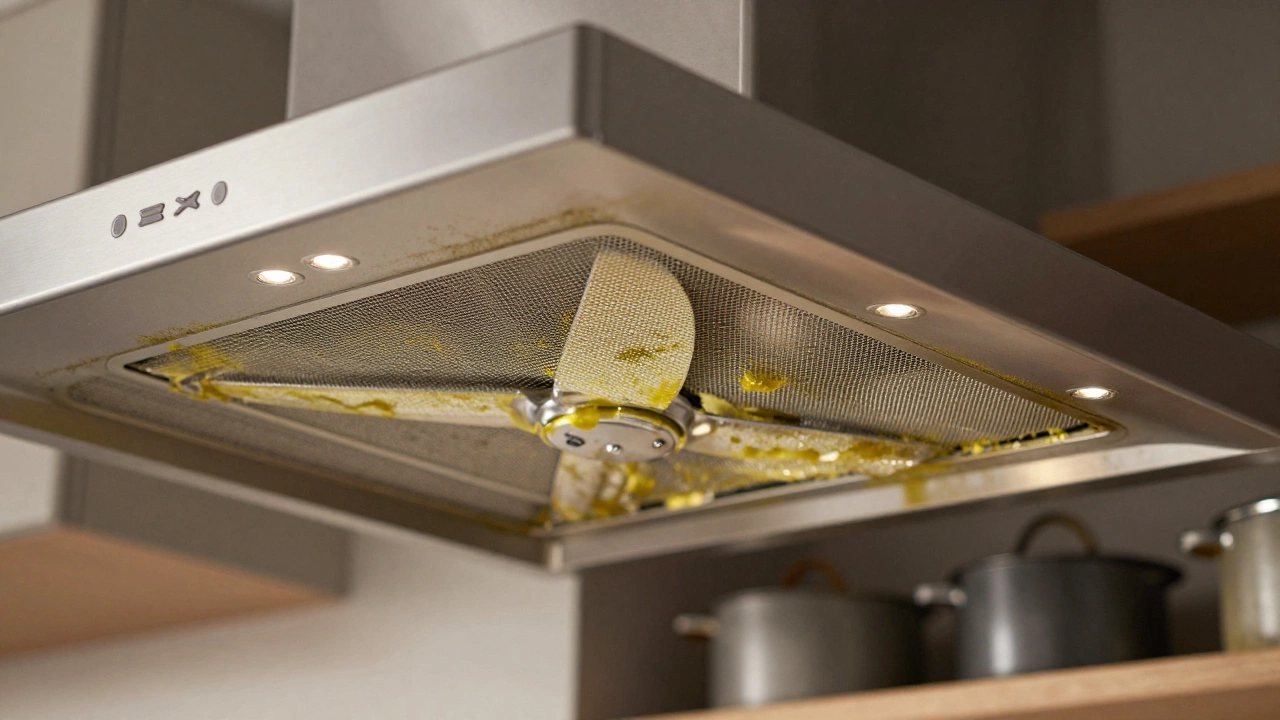
Discover if extractor fans wear out and learn their average lifespan. Identify signs of failure like noise and reduced airflow, and find out when to repair or replace your unit.

Explore the practical steps in diagnosing and fixing common issues with kitchen extractor fans. Learn about the signs your fan might need repair, and gather essential maintenance tips to extend its life. Whether you're a DIY enthusiast or considering professional help, this guide provides valuable insights for restoring your kitchen ventilation system to optimal performance. Discover how regular upkeep can prevent costly replacements.

When your fridge stops cooling, it can be a real worry, especially with all that food at risk. Before you call the repairman, there are a few steps you can try yourself to bring your refrigerator back to life. From checking the thermostat settings to cleaning coils and examining door seals, you might find that a simple DIY fix does wonders. Understanding how these appliances work can also help prevent future hassles. This guide will walk you through the essential tips and tricks to get your fridge cooling again.

Wondering why your water heater keeps needing a reset before you get hot water? Learn the real reasons, what you can safely check, and when it’s time to call for help.

Fridge warm but the light works? Find out why your refrigerator isn’t cooling, common causes, fixes, and when to call in an expert. Easy troubleshooting tips inside.
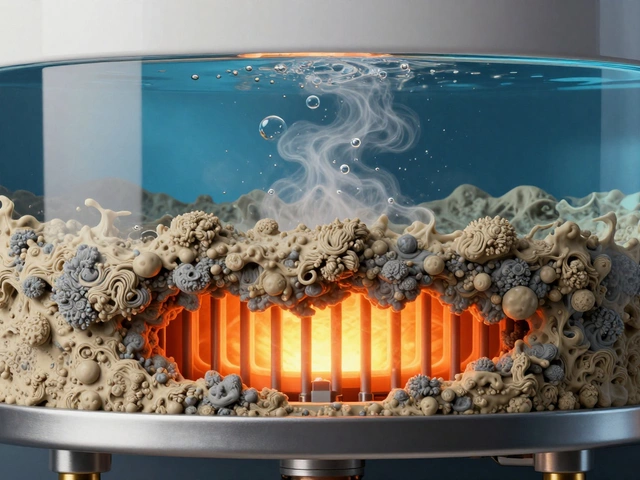
Discover the most common hot water heater problems, including sediment buildup, pilot light failures, and leaks. Learn how to diagnose issues, perform maintenance, and extend your unit's lifespan.

Extractor fans are essential for maintaining good air quality, especially in kitchens and bathrooms. When they stop working, it might be due to electrical, mechanical, or cleanliness issues. Understanding the root causes of fan failures can save you time and money in repairs. Discover common problems, practical tips, and preventive measures to keep your fan spinning efficiently.