

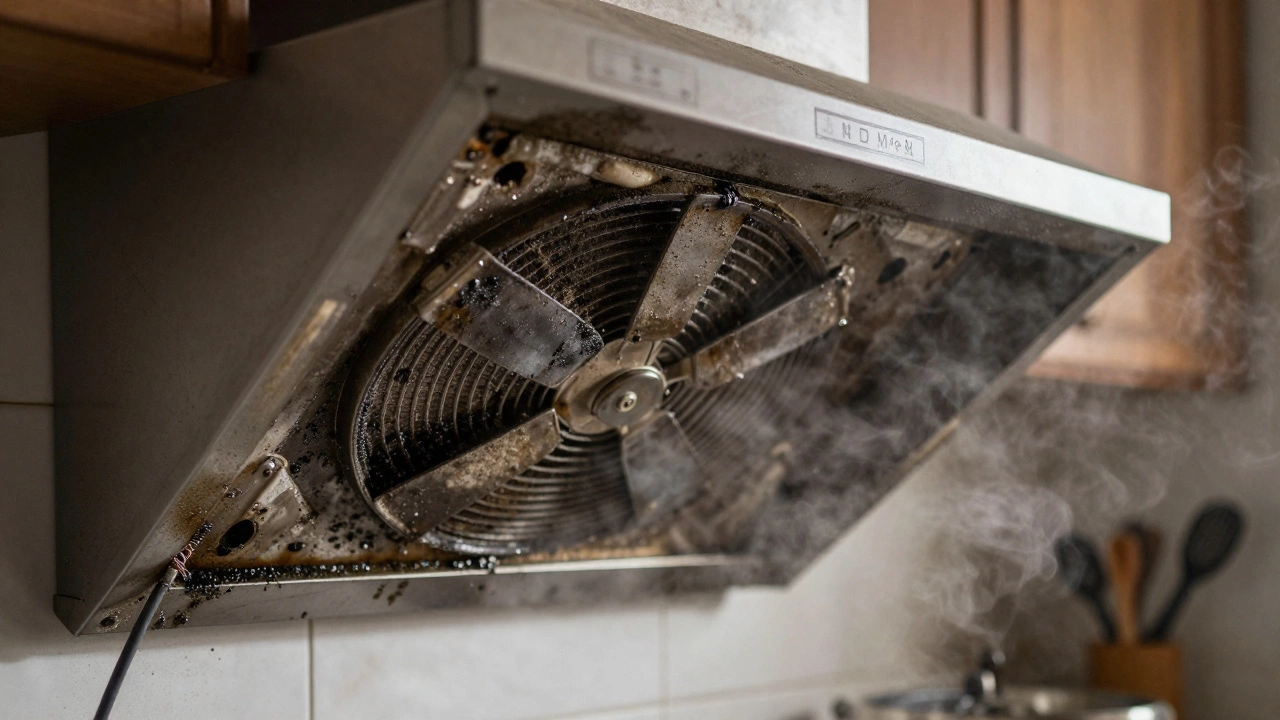
Kitchen extractor fans typically last 10-15 years, but grease buildup and lack of cleaning can cut that in half. Learn the signs it's time to replace yours and how to choose a better model.
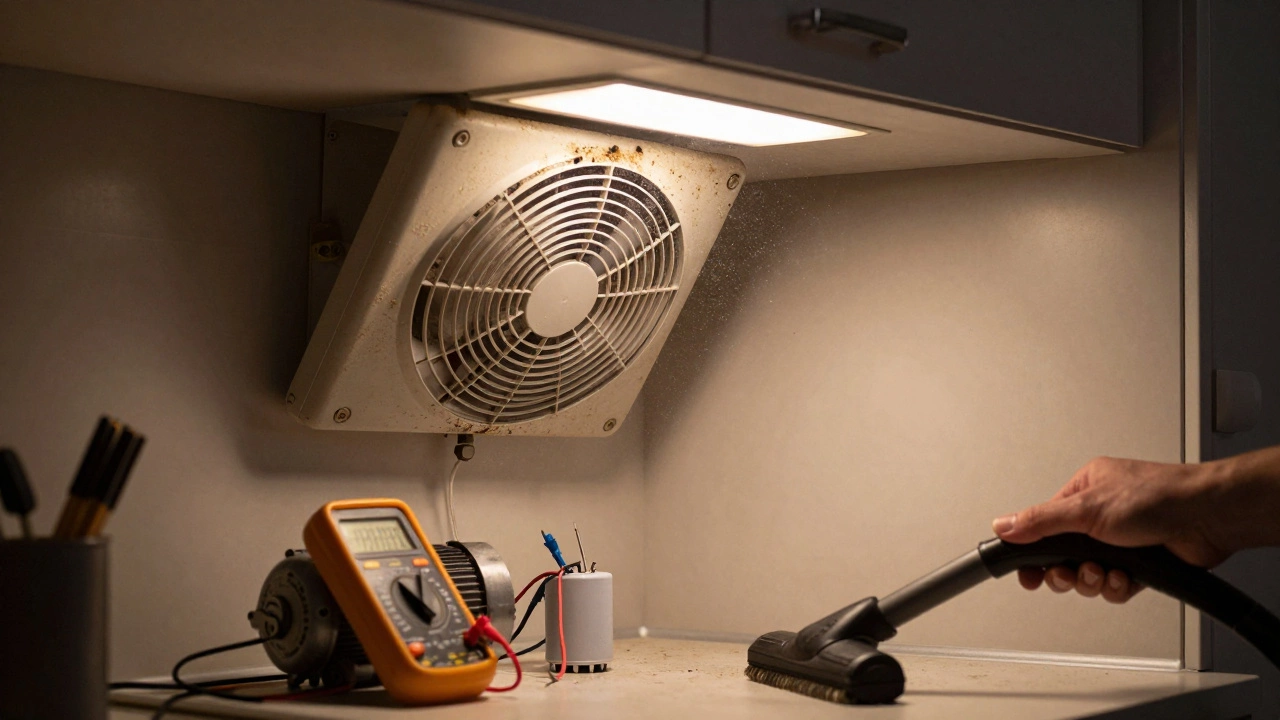
If your extractor fan suddenly stopped working, check the power, capacitor, and airflow first. Most issues are fixable without replacing the unit. Learn how to diagnose and repair common fan failures safely and affordably.
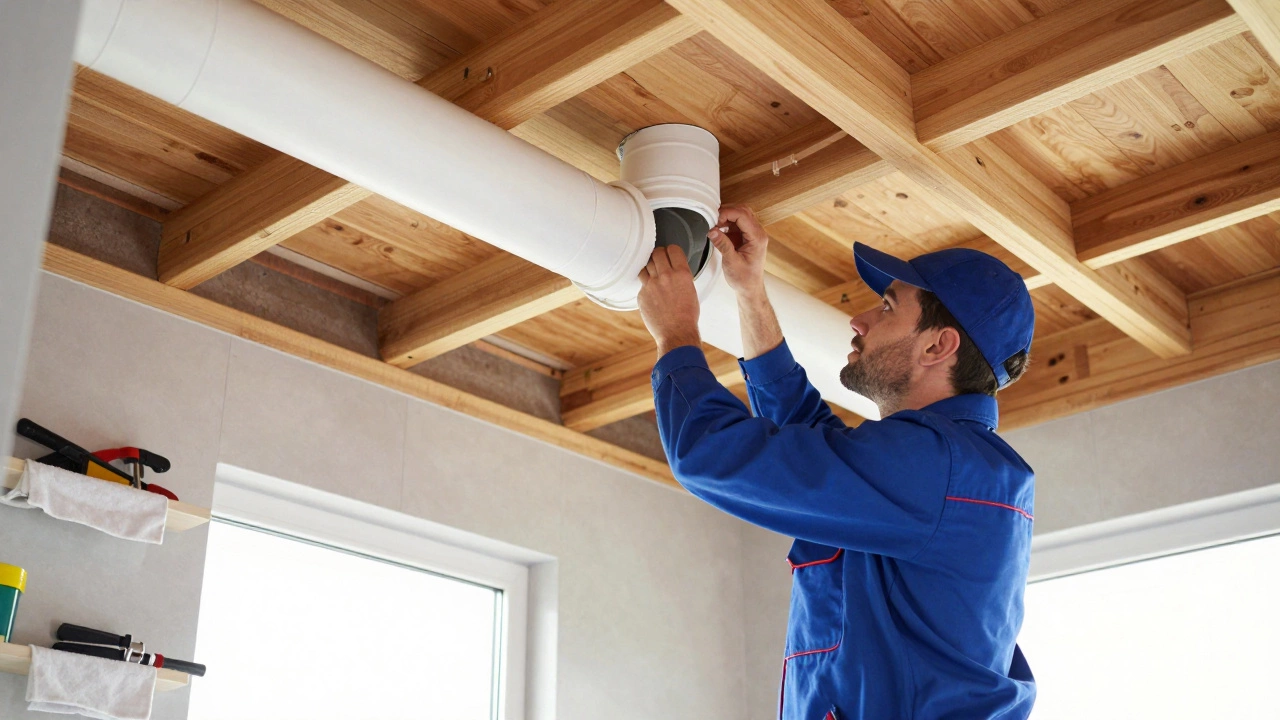
Plumbers can install extractor fan ductwork, but only electricians can legally wire them. Learn who to call for safe, code-compliant installation and how to avoid costly mistakes.
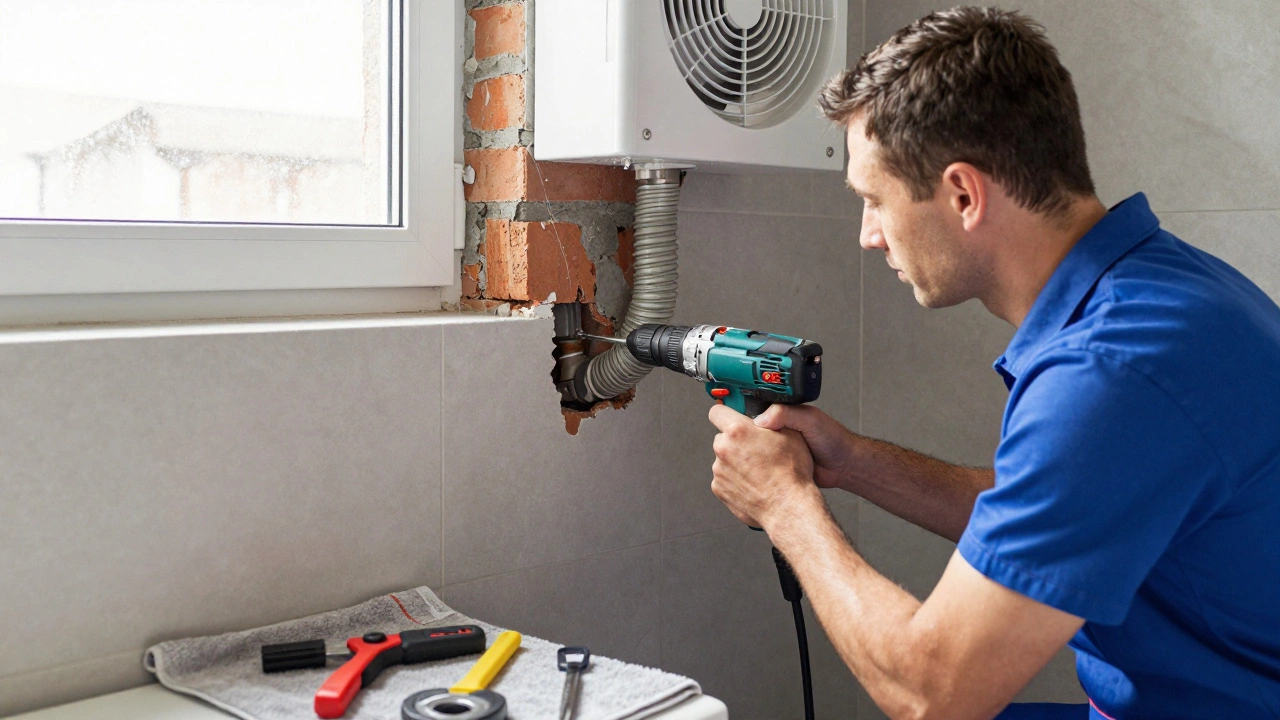
Can a plumber fit an extractor fan? While they can install the unit, only a qualified electrician can legally and safely handle the wiring. Learn what you need to know before hiring anyone.
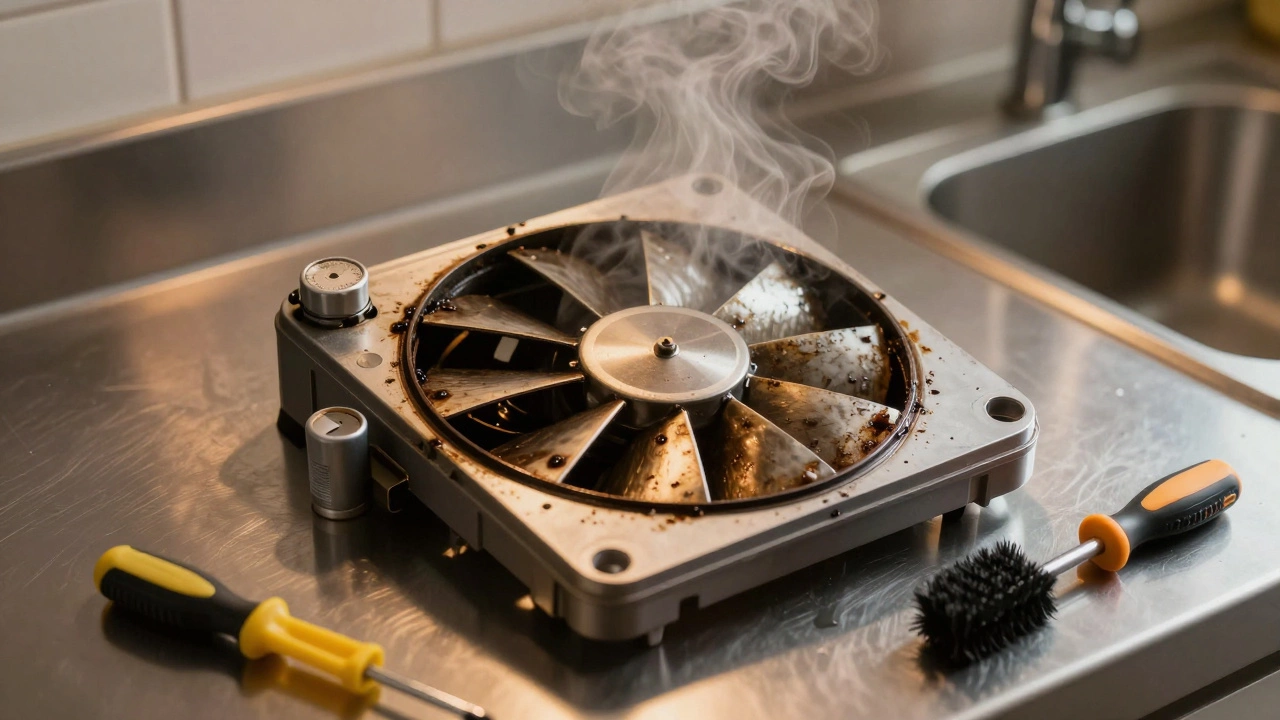
Most extractor fans can be repaired with simple fixes like cleaning, capacitor replacement, or tightening parts. Learn when DIY works and when to call a pro to avoid costly damage from damp and mold.
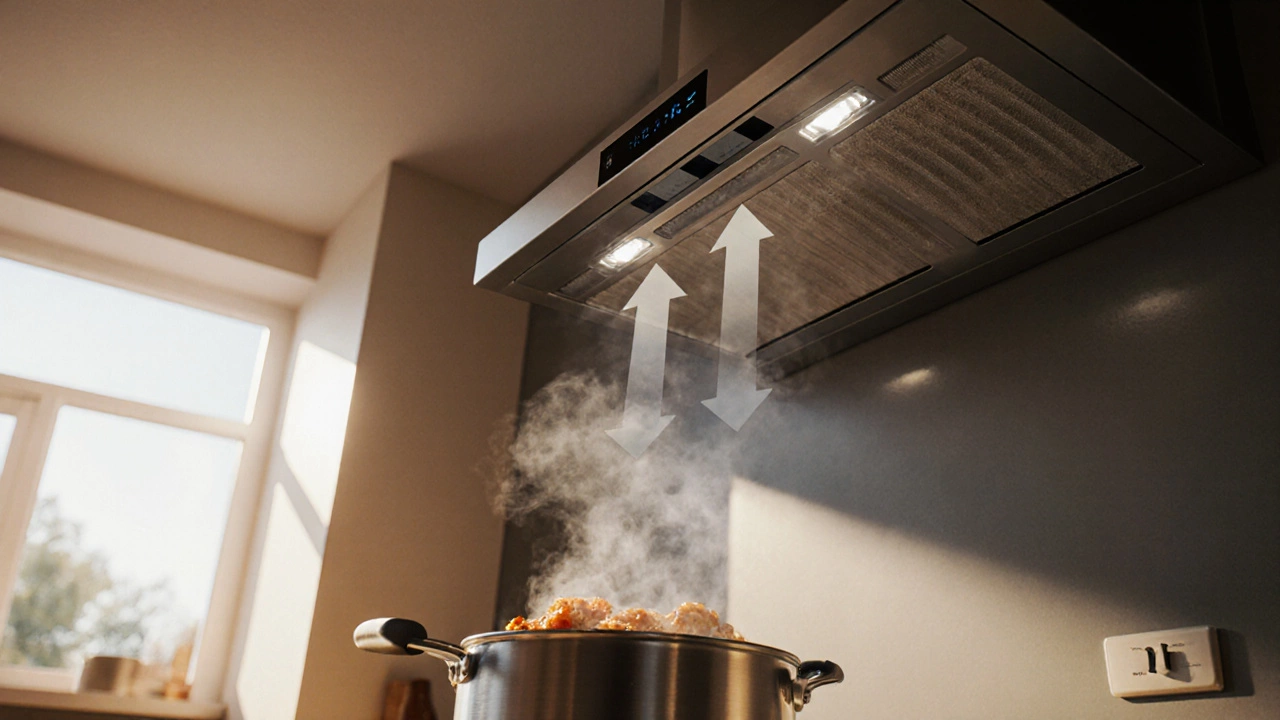
Find out if leaving your extractor fan on is safe, how much energy it uses, and the best practices to protect your home while keeping the kitchen fresh.
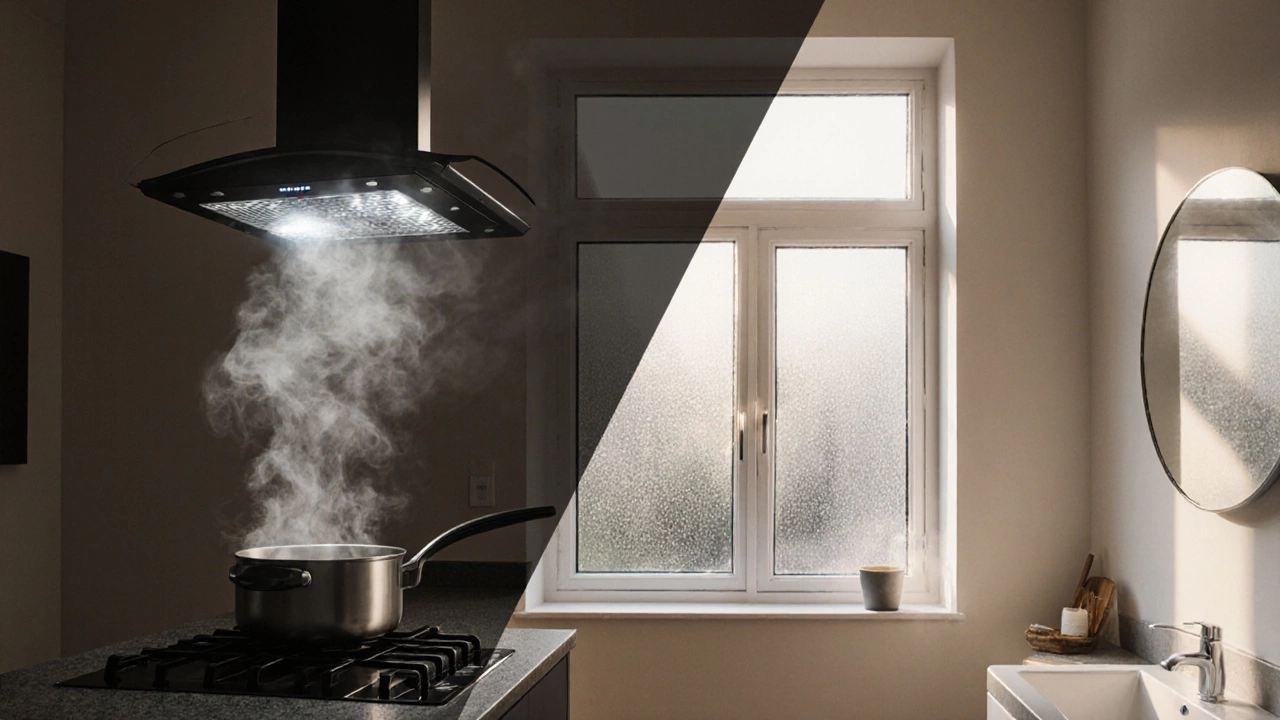
Explore whether you can live without an extractor fan, covering UK regulations, health risks, passive ventilation tricks, dehumidifier use, and when a mechanical fan becomes essential.

Wondering if you can change your kitchen extractor fan yourself? This guide covers steps, safety, tools, common mistakes, and installation tips for a smooth DIY experience.

Wondering how often you should replace your extractor fan? This article covers extractor fan lifespan, signs it's time for a change, maintenance tips, and why fresh air matters.

Wondering who fixes extractor fans? Find out which trade has the right skills, top repair tips, and practical advice for solving extractor fan issues fast.
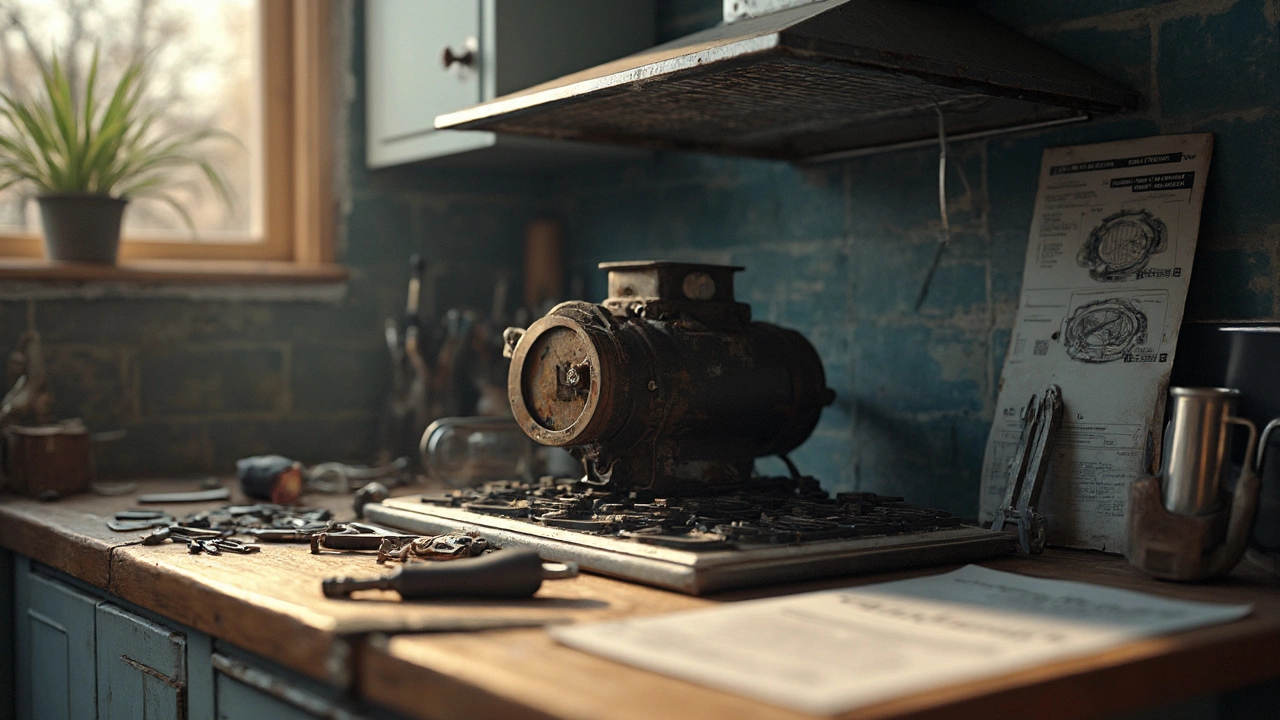
Thinking about swapping out the motor in your extractor fan? This article breaks down what's really involved, the red flags that mean the motor's cooked, and how to decide if you should tackle it yourself or call in a pro. It covers how to find the right replacement part, tips to avoid shocking mistakes, and why some fans just aren’t worth fixing. Whether your bathroom fan wheezes or your kitchen extractor hums like a jet, here’s how to handle a motor on its last legs.
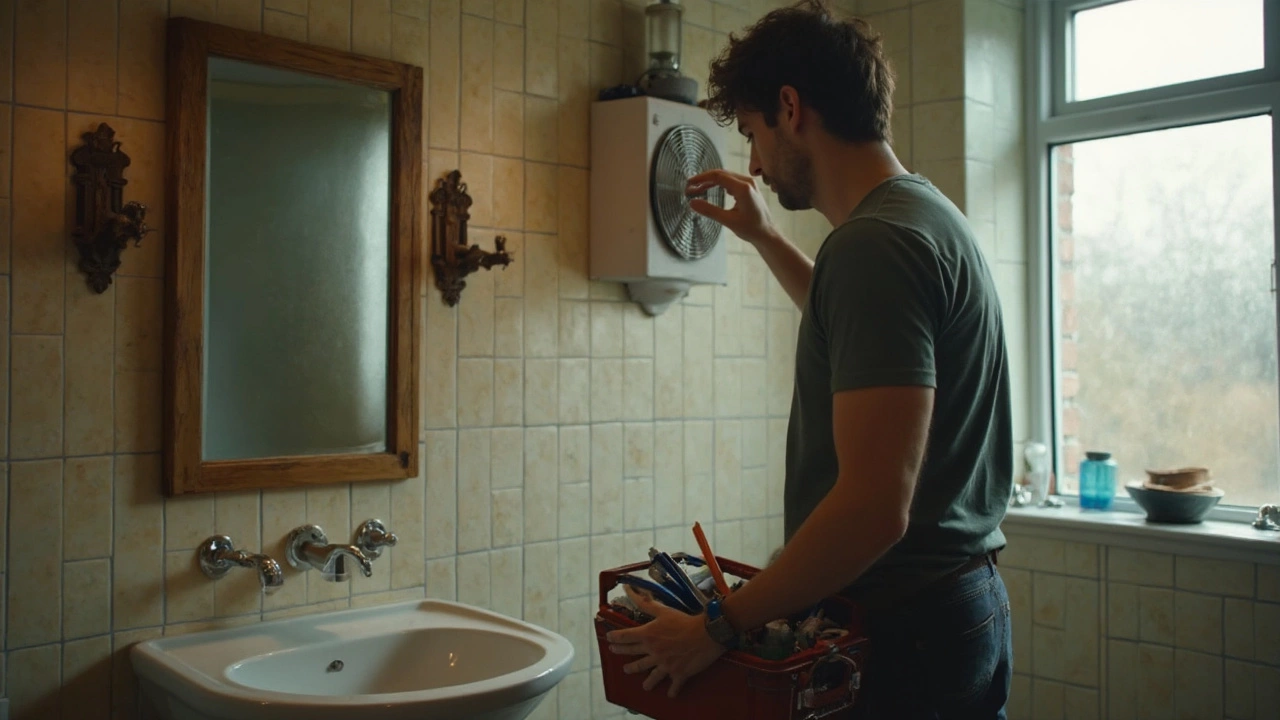
Thinking about swapping out your old extractor fan? This guide digs into how easy (or not) it really is to replace an extractor fan in your bathroom or kitchen. Get the lowdown on what tools you'll need, common surprises people miss, and what makes some fans trickier than others. If you're not sure when to call in a pro, we've got your back there, too. Get ready for a clear, no-nonsense breakdown.

Is fixing a 4-year-old dishwasher actually worth it? Get honest advice, money-saving tips, and clear facts for making the smartest call.
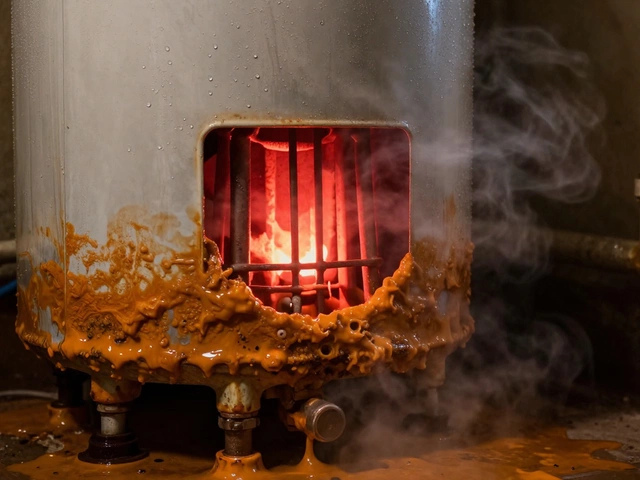
Sediment buildup from hard water is the #1 cause of water heater failure. Learn how mineral deposits damage your tank, why the anode rod matters, and simple steps to prevent leaks and extend your heater's life.

Extractor fans play a pivotal role in maintaining air quality in kitchens and bathrooms by expelling moisture, odors, and smoke. If your extractor fan suddenly stops working, it can lead to persistent humidity or unpleasant smells. This guide provides practical steps for diagnosing and fixing common issues that can cause an extractor fan to malfunction. From checking power supply and fuses to cleaning and replacing parts, understanding the intricacies can save you time and money. By following these steps, you can restore your extractor fan’s functionality and maintain a comfortable home environment.

Thinking about installing a new electric oven? It's not always as simple as plugging it in. Discover the ins and outs of electric oven installation with tips on wiring, safety precautions, and when to call a professional. Learn what to check before attempting to plug in a new unit and how to ensure everything's set up correctly for safe and efficient use.

Learn how often to flush your water heater, why it matters, signs it's time, mistakes to avoid, and simple steps to, maintain hot water at home.