Extractor Fan Cost Calculator
Input Your Fan Details
How This Works
This calculator estimates your energy consumption and costs for running your extractor fan continuously versus using a timed operation. Based on the article, running a fan continuously uses about 0.08 kWh per hour. Timed operation (30 minutes after cooking) uses approximately 90% less energy.
Results
When it comes to Extractor fan is a device that pulls steam, smoke and odors out of a kitchen, most homeowners wonder if they can just leave it running all day. The short answer isn’t a simple yes or no - it depends on the fan’s design, your home’s ventilation layout, and how you balance safety with energy costs.
How an extractor fan actually works
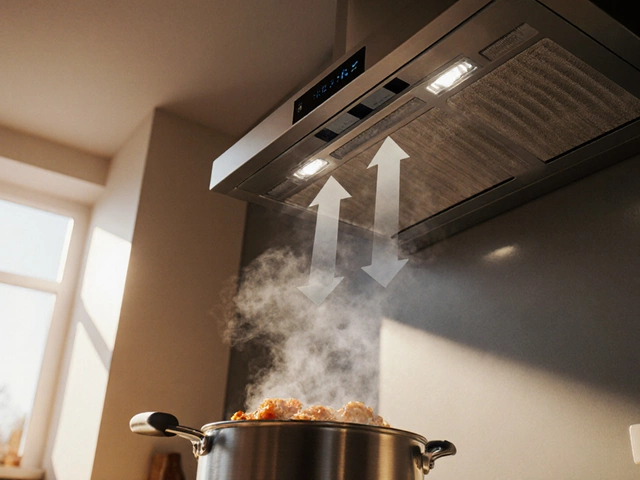
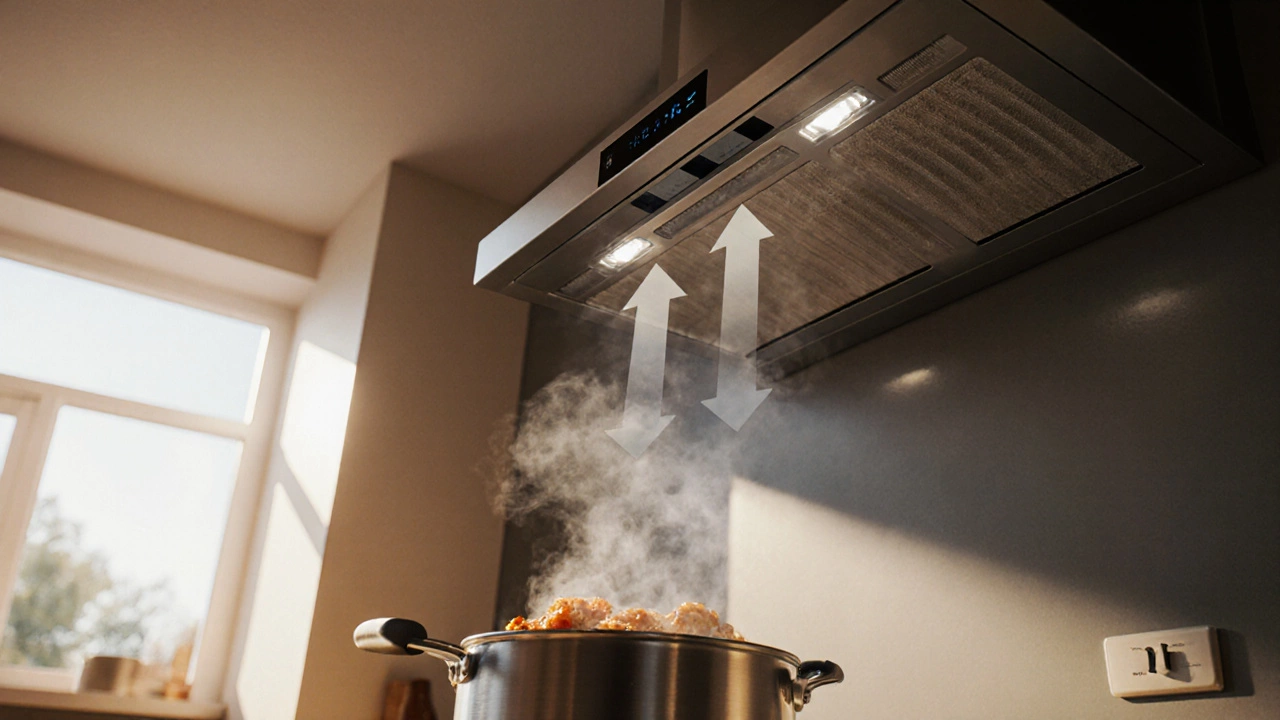
At its core, an extractor fan uses an electric motor to spin a blade that forces indoor air out through a duct or vent. The moving air creates a slight negative pressure, which draws fresh air in through gaps, windows, or dedicated intake vents. This process removes heat, moisture, and airborne contaminants, improving Kitchen ventilation and helping to keep indoor air quality high.
Key factors that affect whether you should leave the fan on
- Motor type and rating - Most residential fans are rated for continuous operation (often labeled "C‑rated"). If your fan isn’t C‑rated, running it nonstop can overheat the motor and shorten its lifespan.
- Energy consumption - A typical 120 V, 80 W kitchen fan uses about 0.08 kWh per hour. Running it 24 hours a day adds roughly 1.9 kWh to your monthly bill, which translates to a few dollars in most regions.
- Noise level - Continuous operation can be noticeable, especially if the fan sits near living spaces. Noise is measured in decibels (dB); a well‑designed fan usually sits between 30-45 dB, comparable to a soft conversation.
- Moisture control - If you cook frequently, especially with steaming or grilling, an always‑on fan helps keep Moisture control in check, preventing condensation on cabinets and mold growth.
- Fire risk - While the fan itself isn’t a fire source, overheating or a blocked duct can create a fire hazard over time. Regular cleaning reduces this risk.
Energy and cost comparison
| Scenario | Average kWh per day | Typical cost (US$) per month* | Noise (dB) | Moisture removal effectiveness | Recommended for |
|---|---|---|---|---|---|
| Continuous (24 h) | 1.9 kWh | $2.30 | 30‑45 dB | High | High‑moisture kitchens, open‑plan homes |
| Timed (30 min after cooking) | 0.14 kWh | $0.17 | 30‑45 dB (only when active) | Medium | Typical households, noise‑sensitive rooms |
*Cost assumes US$0.12 per kWh - adjust for local rates.
Safety guidelines for continuous fan use
- Check the motor rating - look for labels like "C‑rated" or "Continuous duty". If the label is missing, assume it’s not meant for nonstop operation.
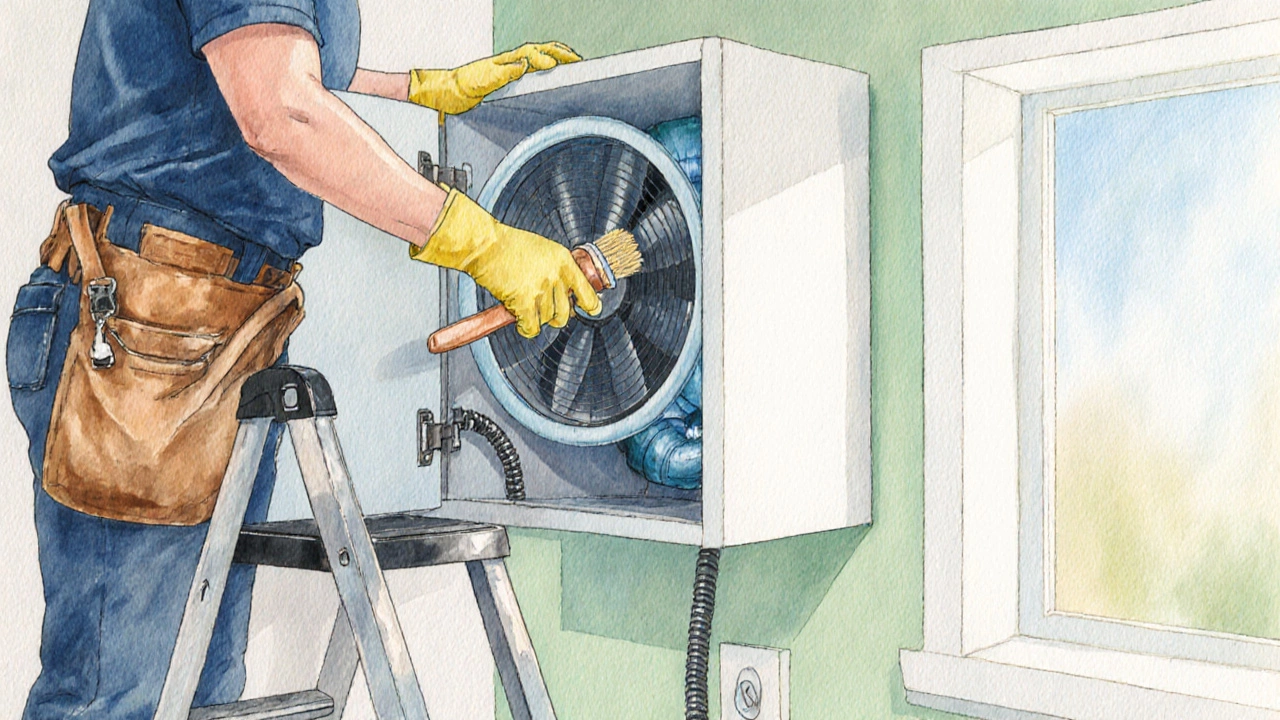
- Inspect the ductwork every 6‑12 months. Remove built‑up grease, dust, or bird nests that could block airflow.
- Install a thermostat or humidity sensor that automatically shuts the fan off when the room reaches a set temperature or moisture level.
- Use a timer or smart plug if you’re unsure about the fan’s continuous rating. Many smart home hubs can trigger the fan based on cooking activity or smoke detection.
- Ensure the fan’s electrical circuit is on a dedicated breaker to prevent overloads.
Impact on indoor air quality
Continuous extraction helps keep Indoor air quality high by removing volatile organic compounds (VOCs) released from cooking oils, spices, and cleaning agents. Studies from the American Society of Heating, Refrigerating and Air‑Conditioning Engineers (ASHRAE) show that a well‑ventilated kitchen can reduce indoor particulate matter by up to 40 % compared to a closed kitchen.
However, if the fan runs nonstop in a tightly sealed home, it can also pull conditioned air out, forcing your HVAC system to work harder. Balancing extraction with fresh‑air intake (e.g., a passive vent or make‑up air fan) mitigates this issue.
When it’s better to turn the fan off
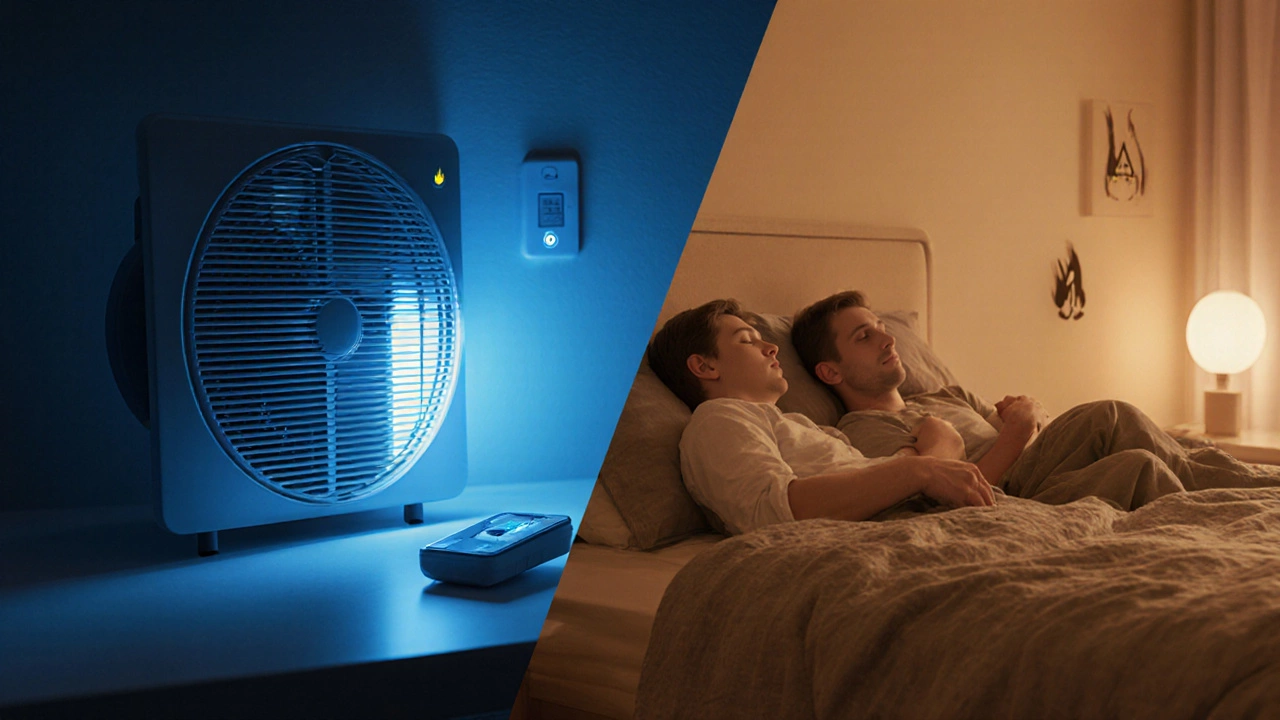
- Quiet evenings - If you’re watching TV or sleeping near the kitchen, a 30‑minute timed run after cooking keeps noise low.
- Energy‑saving goals - Homeowners aiming for a low carbon footprint can reduce electricity use by 90 % simply by switching to a timer.
- Older fans - Units installed before the 2000s often lack modern bearings and can overheat quickly when left on.
Common misconceptions about leaving the fan on
Myth 1: The fan will cause my electricity bill to skyrocket. In reality, a typical fan adds only a few dollars per month. The real cost comes from running large HVAC systems to compensate for lost heated or cooled air.
Myth 2: Continuous operation will clean the air automatically. Extraction removes pollutants but doesn’t filter them. Pairing the fan with a high‑efficiency charcoal or HEPA filter (if your model supports it) improves overall air cleaning.
Myth 3: All fans are built for 24‑hour use. Only those explicitly labeled as continuous‑duty are safe for nonstop operation. Check the user manual or the nameplate on the motor housing.
Choosing the right fan for your needs
If you decide continuous operation is best for your cooking style, look for these features:
- C‑rated motor - Guarantees durability under constant load.
- Variable speed control - Allows low‑speed operation for quiet, long‑duration use.
- Integrated humidity sensor - Automates shut‑off when moisture levels drop.
- Easy‑clean filters - Keeps airflow efficient without frequent disassembly.
Brands such as Vent-Axia, Broan and Elica offer C‑rated models that meet British Standards (BS EN 61534) and US UL listings.
Maintenance checklist to keep your fan safe
- Turn off power and remove the fan cover.
- Wipe blades with a damp cloth; avoid abrasive cleaners that can damage the finish.
- Vacuum the duct and vent cap to clear grease buildup.
- Lubricate motor bearings if the manual recommends oiling (usually once a year).
- Test the fan after reassembly - listen for unusual humming or vibration.
Following this routine twice a year dramatically reduces fire risk and keeps performance consistent.
Bottom line on leaving the extractor fan on
For most modern, C‑rated units, keeping the fan running isn’t a safety nightmare; it’s a trade‑off between a modest increase in energy use and better moisture and odor control. The key is to verify your fan’s rating, maintain the ductwork, and consider smart controls that shut the fan off when it’s not needed. When in doubt, a simple timer set for 30 minutes after cooking delivers most of the benefits without the downsides.
Quick reference guide
| Check motor rating | Look for “C‑rated” or “Continuous duty” |
| Energy impact | ~2 kWh/day = $2‑$3/month |
| Noise | 30‑45 dB (quiet when on low speed) |
| Safety steps | Clean duct, inspect motor, use timer if unsure |
Can I leave my extractor fan on all night?
If the fan is C‑rated, has been cleaned recently, and you’re okay with the extra 2 kWh per day, it’s safe. Otherwise, set a timer for 30‑60 minutes after the last cooking activity.
Will running the fan nonstop increase the risk of fire?
Fire risk mainly comes from clogged ducts or an overheating motor. Regular cleaning and confirming a continuous‑duty rating keep the risk minimal.
How much does an extractor fan cost to run?
A typical 80 W fan uses about 1.9 kWh per day if left on 24 hours, which translates to roughly $2‑$3 per month at US$0.12/kWh.
Is a timer better than a smart plug?
Both work, but a smart plug can react to humidity sensors or voice commands, offering more flexibility than a simple timer.
Do I need a make‑up air vent if I run the fan continuously?
Yes, especially in tight, energy‑efficient homes. A small make‑up air vent or an intake grille prevents excessive negative pressure that can affect heating and cooling efficiency.