

When you leave fan on, you’re choosing to keep a ventilation device running continuously. Leaving a fan on, the practice of keeping a kitchen or bathroom extractor fan running continuously to manage indoor air quality and moisture levels. Also known as continuous fan operation, it helps control humidity and odors. Extractor fan, a mechanical device that pulls stale air, steam, and odors out of a room is the most common type, and it’s part of broader home ventilation, the system of airflow that keeps indoor spaces fresh and dry. Keeping a fan on influences energy consumption, improves indoor air quality, and reduces mold risk.
Running a fan nonstop can be handy after a hot shower or a big dinner. The extra airflow pushes steam and cooking fumes out before they settle into walls or fabrics. However, the extra run‑time adds to your electricity bill. The relationship is simple: continuous fan operation → higher energy consumption. If you’re watching costs, think about the fan’s wattage (often 15‑30 W) and how many hours you leave it on. A fan running 24 hours uses roughly 0.5 kWh per day, which may seem small but adds up over months.
Beyond the bill, there’s a health angle. Stale, humid air creates a breeding ground for mold and dust mites. Mold prevention hinges on keeping humidity below about 60 %. By pulling moist air out, a fan helps maintain that sweet spot. In fact, home ventilation reduces indoor humidity and limits mold growth is a key strategy recommended by indoor‑air experts. If you notice a musty smell or visible mildew, running the fan longer can stop the problem before it spreads.
Building regulations in the UK also play a role. New homes must meet Part F of the Building Regulations, which sets minimum ventilation rates for bathrooms and kitchens. An extractor fan must be capable of extracting a set volume of air per hour to comply. Leaving it on can help meet those standards, especially in damp climates. But the code also encourages energy‑efficient solutions, like timers or humidity‑controlled switches, so you’re not forced to waste power.
If you want the benefits without the constant cost, consider smart alternatives. A timer lets the fan run for a set period after you finish showering or cooking. A humidity sensor can trigger the fan only when moisture hits a certain level, cutting down on unnecessary run‑time. Some homeowners use a dehumidifier in place of a fan for whole‑house moisture control, but that device also draws electricity, so compare the numbers before swapping.
Practical tips for deciding when to leave a fan on are easy to follow:
Below you’ll find a curated set of articles that dive deeper into each of these topics. From assessing the risks of living without a fan to DIY replacement guides, the collection offers clear advice you can act on right away.
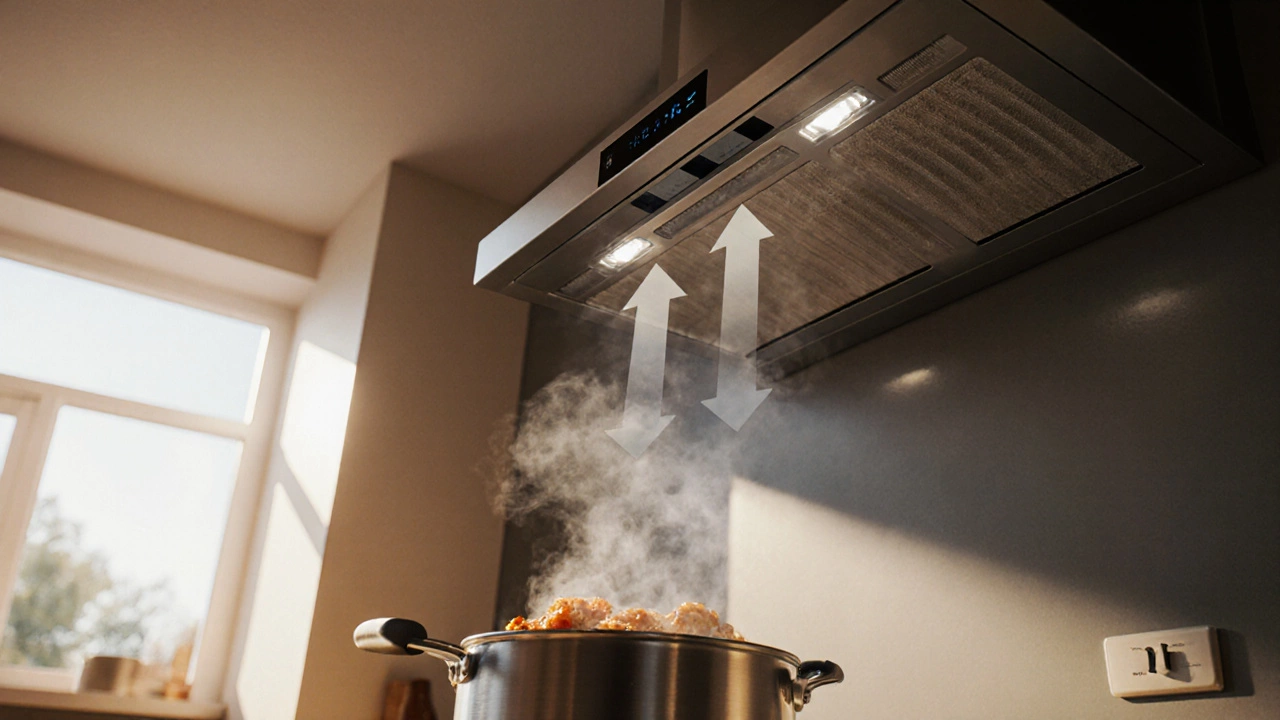
Find out if leaving your extractor fan on is safe, how much energy it uses, and the best practices to protect your home while keeping the kitchen fresh.

Wondering if your hot water heater is about to quit? This article breaks down the most common signs that your water heater needs to be replaced, from strange noises to rusty water. Find out how long these tanks usually last, what to look for during regular maintenance, and how to handle sudden issues. You'll get practical tips to keep your heater running smoothly and avoid a cold shower surprise. If you've ever worried about flooding, energy bills, or weird knocking, this is for you.
Replacing a boiler can seem like a daunting task, but knowing what to expect can make the process easier. Typically, boiler replacement involves several steps including removing the old unit, choosing the right size and type for your home, and ensuring proper installation. Skilled professionals often make the experience smoother by handling the technical aspects and minimizing disruption. Preparation and understanding of the process can help homeowners tackle this job with confidence.

Wondering if your 20-year-old oven can be repaired? Discover repair tips, replacement part insights, costs, and when it makes sense to swap your old oven for a new one.

Thinking about replacing your electric oven on your own? This article breaks down what you need to know about doing it yourself— from basic safety to common pitfalls. Learn how tricky the process can get, which tools you might need, and when it's smarter to call a pro. Get tips to save money and avoid kitchen disasters. Designed for anyone who values a good meal and a working oven.

Boiler servicing is an essential aspect of home maintenance that ensures safety and efficiency. While it might seem tempting for homeowners to attempt servicing their own boilers, it's crucial to understand the complexities and risks involved. This article explores whether boiler maintenance can be a DIY project, providing key tips and insights. It offers guidance on what aspects are safe to handle on your own and when to call in a professional.