

Cooking creates steam, smells, and sometimes a bit of smoke. Without good ventilation those things linger, making the whole house feel stuffy. The heart of kitchen ventilation is the extractor fan, and knowing when it needs help can save you money and headaches.
Most homeowners think a fan either works or it doesn’t. In reality there are a few middle steps – noisy blades, weak suction, or a clogged filter. Spotting these early means you can fix the problem yourself or call a pro before the whole unit quits.
If your fan is more than 8‑10 years old, start checking the performance yearly. Look for these signs:
These clues usually mean the motor bearings are wearing out or the fan blades are bent. A brand‑new fan will restore suction and cut down on energy use, so if you notice any of the above, plan a replacement.
Replacing a fan isn’t rocket science. With a screwdriver, a ladder, and a bit of patience you can do it in under an hour. Here’s a quick rundown:
If the new fan doesn’t feel right, double‑check the wiring connections and make sure the unit is level. An uneven fan can cause wobble and noise later on.
Most modern extractor fans come with a built‑in timer or humidity sensor. These features automatically turn the fan on when steam is detected, which helps keep the kitchen dry without you having to think about it.
Keeping the fan clean is also crucial. Every few months, wipe the outer cover with a damp cloth and, if the model allows, pull out the filter and wash it with warm, soapy water. A clean filter means better airflow and less strain on the motor.
When you’re choosing a new fan, consider the size of your kitchen. A small 50‑mm duct works for a compact cooking area, but larger spaces benefit from a 100‑mm duct for stronger extraction. It’s a small detail that makes a big difference in performance.
Finally, if you run into complicated wiring or notice burnt marks, call a qualified electrician. Dealing with electricity can be risky, and a professional will ensure everything meets UK safety standards.
Good kitchen ventilation isn’t a luxury – it’s essential for a comfortable, safe home. By watching for the warning signs, cleaning regularly, and swapping out an old fan when needed, you’ll keep your kitchen smelling fresh and your energy bills in check.

Learn how to safely clean your extractor fan motor to improve airflow, reduce odors, and prevent costly repairs. This guide covers safety steps, tools needed, and step-by-step instructions for a thorough clean.
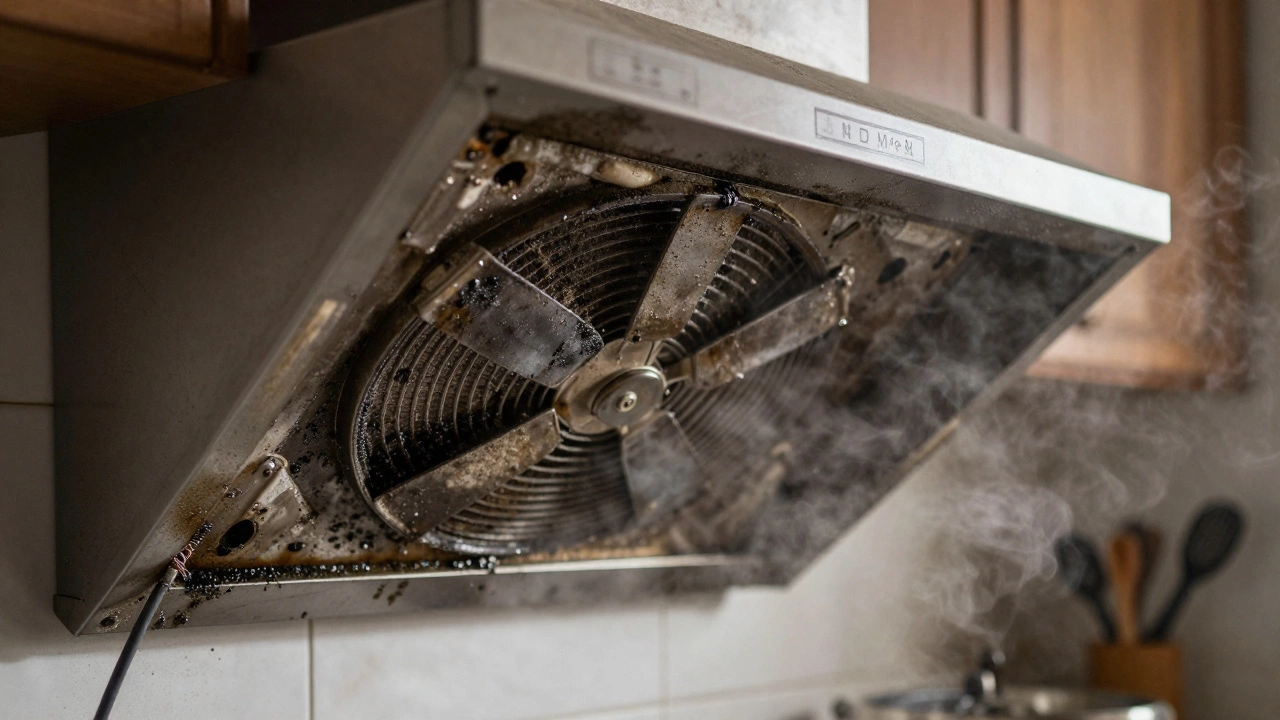
Kitchen extractor fans typically last 10-15 years, but grease buildup and lack of cleaning can cut that in half. Learn the signs it's time to replace yours and how to choose a better model.
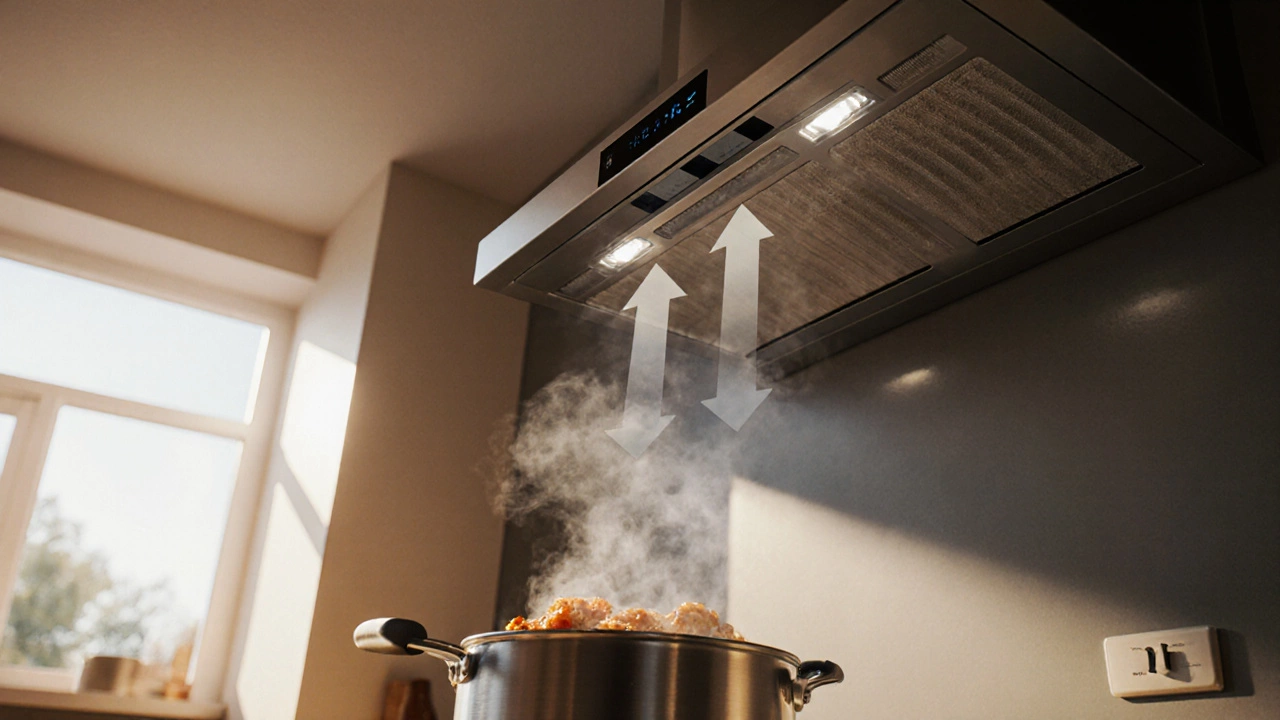
Find out if leaving your extractor fan on is safe, how much energy it uses, and the best practices to protect your home while keeping the kitchen fresh.

Trying to figure out if you need a ventilation fan or an extractor fan? This article breaks down the differences between the two, explains how each one works, and shares tips for choosing and maintaining the right fan for your home. You’ll also pick up advice on recognizing issues, making easy repairs, and knowing when it's time to replace. If you’ve got problems with humidity, bad smells, or stuffy air, this guide is for you.

Wondering if you can swap out an extractor fan without calling in a pro? This article breaks down what it really takes to replace an extractor fan yourself, from the easy steps to watch-outs that could trip you up. Learn which tools you’ll need, how to stay safe with electricity, and where to draw the line and call an expert. Get helpful tips and facts straight from a practical perspective. Perfect for anyone ready to tackle a home repair without risking their safety or their ceiling.

Extractor fans play a pivotal role in maintaining air quality in kitchens and bathrooms by expelling moisture, odors, and smoke. If your extractor fan suddenly stops working, it can lead to persistent humidity or unpleasant smells. This guide provides practical steps for diagnosing and fixing common issues that can cause an extractor fan to malfunction. From checking power supply and fuses to cleaning and replacing parts, understanding the intricacies can save you time and money. By following these steps, you can restore your extractor fan’s functionality and maintain a comfortable home environment.

Discover if electric hobs can be fixed, cost breakdowns, DIY steps, safety tips, and when to replace. A practical guide for UK homeowners.

Ever found yourself standing in front of a stubborn washing machine that just won’t cooperate? It can be frustrating, right? This practical guide walks you through the simple steps to reset your washing machine, saving you from unnecessary headaches. From spotting common issues to quick fixes, you'll find all you need to get your washer back on track.
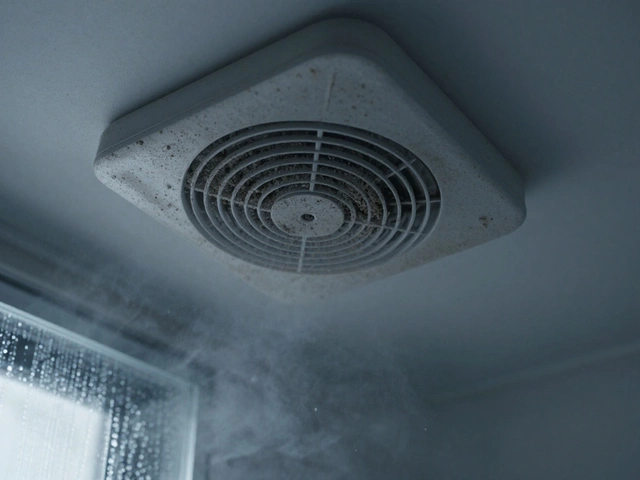
Learn how to service a bathroom extractor fan with this step-by-step guide. Discover essential tools, safety tips, and cleaning techniques to restore airflow and prevent mold.

Thinking about how long your boiler will keep working? This article explains the real lifespan of boilers, the factors that affect how long they last, and how to spot when yours might be on its last legs. You'll get practical tips for stretching out your boiler's life and advice about when it's smarter to repair or just replace. Stay warm and avoid surprise breakdowns with these straightforward facts.

Ever wonder if switching your boiler on and off harms it? This article unpacks how boilers handle frequent power cycles, what really wears them out, and when switching off could save you cash or cause problems. Find out the best ways to run your boiler for both safety and savings. Practical tips and real facts—all in plain English. Avoid costly repairs by knowing how to treat your boiler right.