

When thinking about extractor fan safety, the practice of keeping kitchen and bathroom fans in good working order to protect health and comply with standards. Also known as ventilation fan safety, it plays a key role in preventing moisture buildup, reducing fire risk, and meeting legal requirements. Proper ventilation, the exchange of stale indoor air with fresh outdoor air is the backbone of this safety concept, while mold prevention, stopping fungal growth by controlling humidity directly depends on it. In the UK, building regulations, the set of rules that ensure construction safety and energy efficiency explicitly require functional extractor fans in wet rooms. When a fan can’t keep up, a dehumidifier, an appliance that reduces indoor moisture levels can act as a backup, but it’s not a substitute for proper fan operation. Understanding these connections helps you keep your home safe, healthy, and legal.
First, a well‑maintained fan removes steam, cooking fumes, and odors before they settle into walls or insulation. This reduces the chance of condensation, which is the main driver of mold growth. When humidity stays high, spores can thrive, leading to health issues like allergies or asthma. Second, the fan’s electrical components must be in good condition; a faulty motor or loose wiring can spark and cause a fire, especially in kitchens where grease accumulates. Third, the UK’s Part F of the Building Regulations mandates that bathrooms, toilets, and kitchens have adequate extraction to remove excess moisture. Failure to meet these standards can result in fines or costly remedial work when you sell the property. Finally, even if the fan is technically compliant, clogged filters or blocked ducts undermine its efficiency, turning a safe system into a hidden hazard.
So what should you do? Start with a simple visual check: make sure the grille isn’t blocked by pantry items, and listen for unusual noises that hint at motor wear. Turn the fan on for a minute and feel the airflow; weak suction often signals a clogged duct or failing motor. If you spot grease build‑up, run a gentle cleaning cycle with a mix of hot water and mild detergent, then dry thoroughly. For bathrooms, wipe away soap scum and ensure the duct runs straight to the outside, not into an attic. If the fan is more than ten years old, consider a replacement—modern units are quieter, more energy‑efficient, and often include overload protection. Should you need extra moisture control, especially in basements or poorly ventilated rooms, a dehumidifier can keep humidity under 60% while you sort out the fan. Remember, the goal isn’t just to meet regulations; it’s to protect your family’s health and your home’s longevity.
Armed with this background, you’ll find the articles below cover everything from DIY cleaning steps to when you should call a professional electrician or a ventilation specialist. Whether you’re dealing with a noisy kitchen fan, a bathroom that “feels damp,” or you simply want to verify you’re following the latest UK standards, the collection offers clear, actionable advice to keep your extractor fan safe and effective.
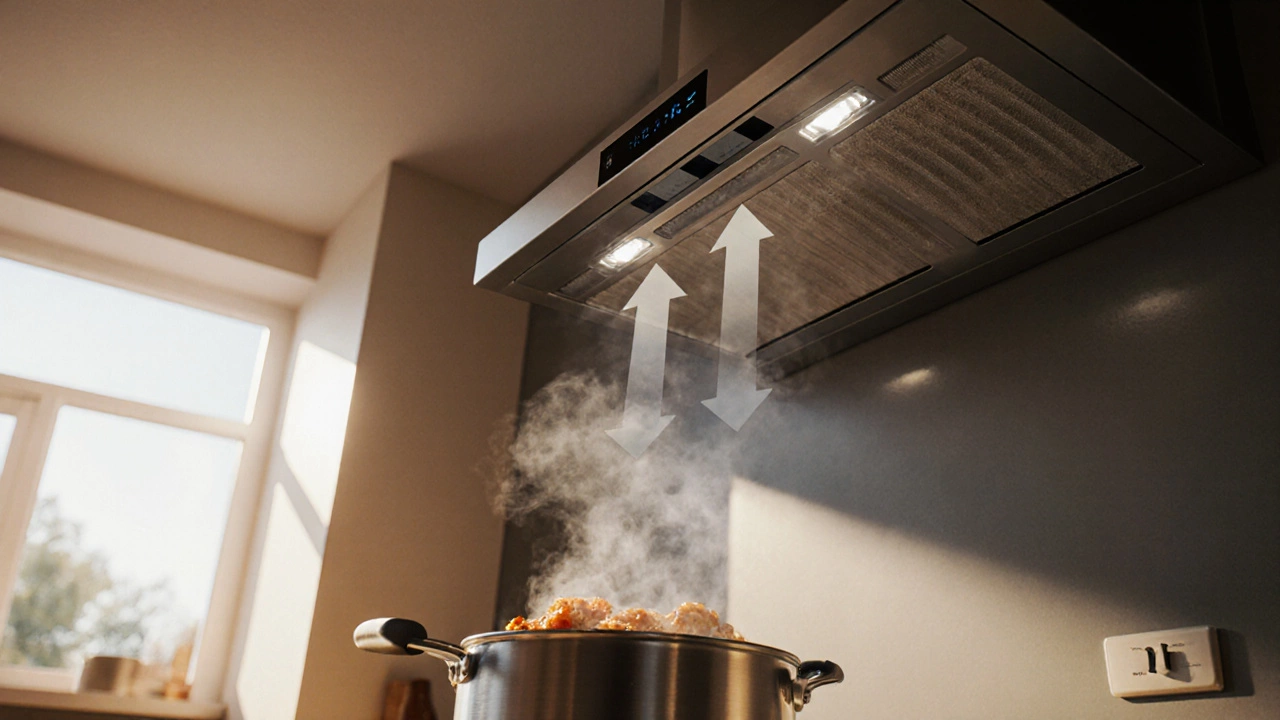
Find out if leaving your extractor fan on is safe, how much energy it uses, and the best practices to protect your home while keeping the kitchen fresh.

Find out if Geek Squad repairs are truly free. Learn about warranty coverage, service plans, and real repair costs for laptops.

Oven troubles can throw a wrench in your meal plans. From a faulty heating element to problematic door hinges, diagnosing oven issues doesn't have to be daunting. This guide helps you identify and address common electric oven problems. Learn when a DIY fix is safe and when it's time to consult a professional. Simple steps and practical tips get you on your way to a working oven.

Repairing an aging laptop can be a tricky decision. This article explores whether it's still worth investing in a 7-year-old device. We'll consider factors like performance, cost, potential upgrades, and environmental impact. Dive in to learn about the practical and sentimental value of maintaining your trusty laptop.
Replacing a boiler can seem like a daunting task, but knowing what to expect can make the process easier. Typically, boiler replacement involves several steps including removing the old unit, choosing the right size and type for your home, and ensuring proper installation. Skilled professionals often make the experience smoother by handling the technical aspects and minimizing disruption. Preparation and understanding of the process can help homeowners tackle this job with confidence.
Determining whether your dishwasher requires repair or replacement can save you both time and money. This article guides you through recognizing common issues, assessing the efficiency of your current dishwasher, and deciding on repair versus replacement. Gain insights into the lifespan of dishwashers and learn handy tips for maintaining them. Make well-informed decisions about your kitchen appliances for a hassle-free experience.