

When dealing with a continuous use fan, a fan designed to run nonstop without overheating. Also called a always‑on fan, it’s common in kitchens, bathrooms and utility rooms where constant airflow stops mold and odors. Extractor fan, a device that pulls stale air out of a space often relies on the same motor technology, so understanding fan motor, the electric component that drives the blades is key to preventing failures. Finally, a kitchen ventilation fan, a specific type of extractor that manages cooking fumes illustrates how continuous use fans fit into everyday home comfort. Together these elements form a system where airflow, durability, and safety interact – a continuous use fan enables constant airflow, extractor fans require reliable motors, and proper ventilation keeps indoor air healthy.
Running a fan all day sounds simple, but the design choices matter. A fan built for continuous operation has heat‑resistant bearings, insulated wiring and a motor that can handle the extra wear. That’s why you’ll see higher‑grade components in an extractor fan compared to a standard room fan. If the motor overheats, it can trigger safety switches or even cause a fire, which is why regular cleaning of the blades and checking for dust buildup is a must. Also, building regulations in the UK often require a functional ventilation system in kitchens and bathrooms to prevent mold growth – a continuous use fan meets that requirement without the need for manual switches. The result is a quieter, more reliable setup that saves you from the hassle of turning the fan on and off every time you cook or shower.
Maintenance is straightforward if you know what to look for. First, listen for unusual noises – a whining or grinding sound usually means the motor bearings need lubrication or replacement. Next, inspect the fan housing for cracks or loose screws; a compromised enclosure lets dust reach the motor faster. Finally, test the fan’s safety cut‑out by briefly running it at full speed; if it shuts down unexpectedly, the thermal protection may be faulty. These checks align with what our repair experts recommend for any appliance that runs continuously. By catching problems early, you avoid costly breakdowns and keep the fan running safely for years.
Below you’ll find a curated collection of articles that dive deeper into each of these topics. From diagnosing a noisy motor to understanding the regulations that make continuous use fans essential, the posts give practical steps you can try yourself and clear signs when it’s time to call a professional. Whether you’re looking to maintain your kitchen extractor, troubleshoot a bathroom fan, or simply learn how a fan motor works, the information ahead will help you keep the air moving without a hitch.
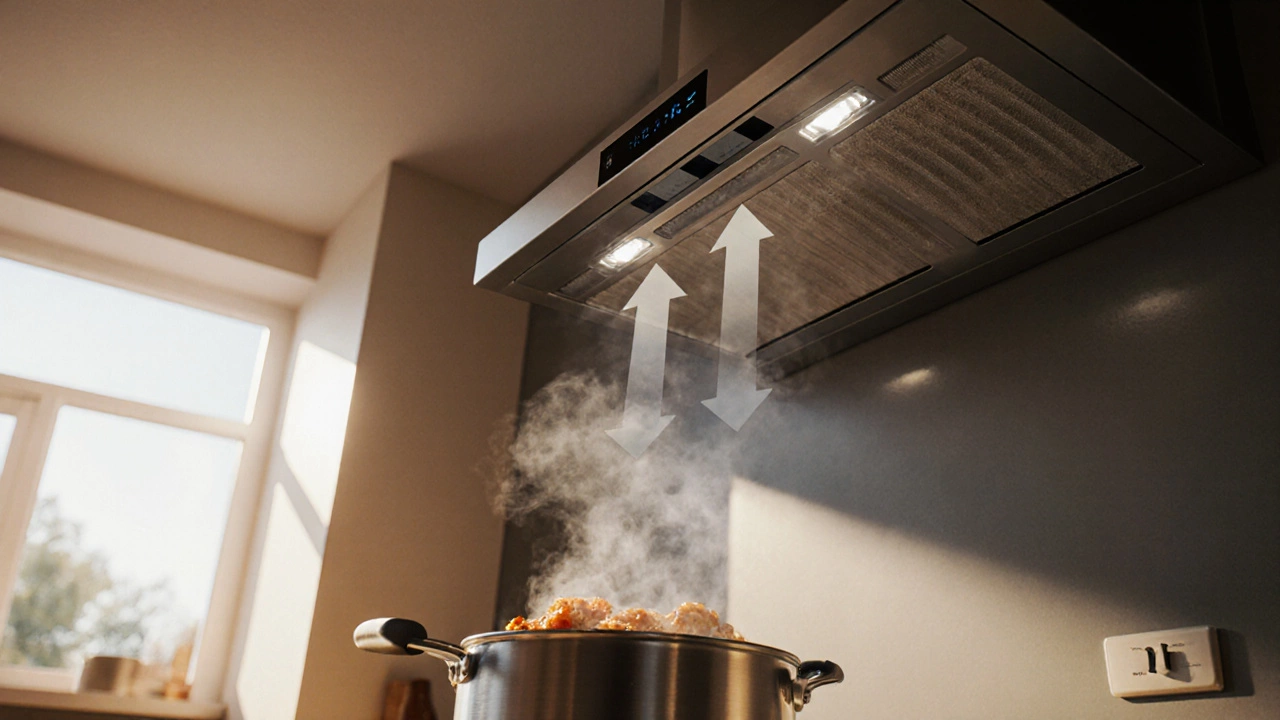
Find out if leaving your extractor fan on is safe, how much energy it uses, and the best practices to protect your home while keeping the kitchen fresh.

Gas appliances in the UK must be checked annually by a Gas Safe engineer to prevent deadly carbon monoxide leaks. Skipping checks risks health, safety, and legal penalties. Learn what happens during a service and how to stay safe.
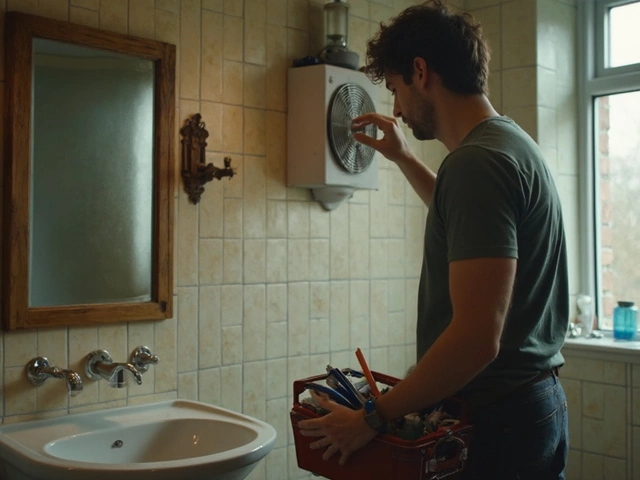
Thinking about swapping out your old extractor fan? This guide digs into how easy (or not) it really is to replace an extractor fan in your bathroom or kitchen. Get the lowdown on what tools you'll need, common surprises people miss, and what makes some fans trickier than others. If you're not sure when to call in a pro, we've got your back there, too. Get ready for a clear, no-nonsense breakdown.
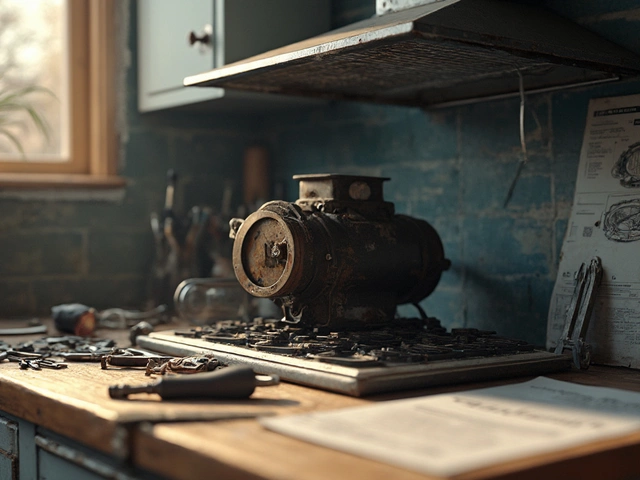
Thinking about swapping out the motor in your extractor fan? This article breaks down what's really involved, the red flags that mean the motor's cooked, and how to decide if you should tackle it yourself or call in a pro. It covers how to find the right replacement part, tips to avoid shocking mistakes, and why some fans just aren’t worth fixing. Whether your bathroom fan wheezes or your kitchen extractor hums like a jet, here’s how to handle a motor on its last legs.

Fixing your fridge on your own can be a real money-saver if you know where to start. First, you've got to figure out what's actually wrong before grabbing your toolbox. With some basic tools and a little patience, you might just handle common issues like leaks, noisy operation, or poor cooling effectively. But sometimes, you also need to know when it's time to bring in a professional.
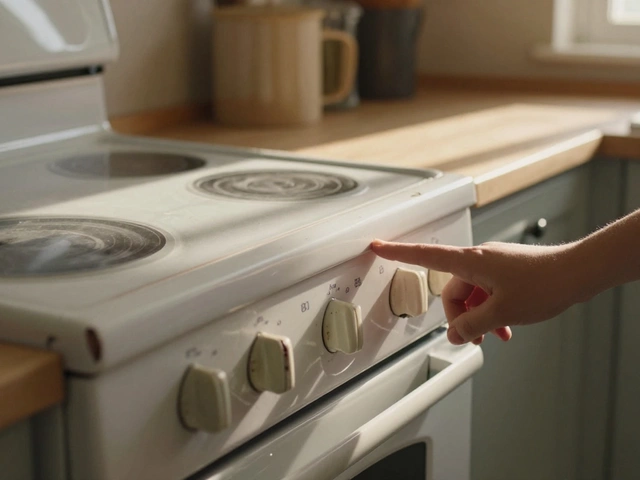
Deciding whether to fix an old stove? Learn how to weigh repair costs against buying a new unit, factoring in safety, energy bills, and part availability for a 15-year-old appliance.