Heat Pump Repair vs. Replacement Calculator
System Details
Analysis Result
Enter your details above to see the recommendation.
That moment when your heating system stops working in the middle of a British winter is never fun. But if you’ve recently switched from a gas boiler to an air source heat pump a device that extracts thermal energy from outdoor air to heat homes and provide hot water, you might be asking yourself: "Is this going to cost me a fortune to fix?" The short answer is no, not necessarily. In fact, once you understand how these systems work, you’ll realize they are often cheaper to maintain than the traditional boilers they replace.
Heat pumps have fewer moving parts than combustion-based systems. There’s no fire, no flue, and no complex gas valve assemblies. However, they do rely on precision electronics and refrigerant cycles, which means when something goes wrong, it requires specific expertise. This article breaks down exactly what you should expect to pay for repairs, why some jobs cost more than others, and how to avoid unnecessary bills through smart maintenance.
Understanding the Cost Structure of Heat Pump Repairs
To figure out if a repair is expensive, you first need to know what you’re paying for. Unlike a washing machine where a broken belt might cost £15, heat pump repairs involve specialized labor and potentially high-cost components like compressors or circuit boards.
The average cost for a simple diagnostic visit by a qualified engineer in the UK ranges between £80 and £120. If the issue is minor-like a reset needed due to a temporary sensor error-you might walk away with just that call-out fee. But if parts need replacing, the bill can rise quickly. Here is a realistic breakdown of common repair scenarios based on 2026 market rates:
- Minor Electrical Faults: Resetting control boards, replacing fuses, or fixing loose wiring connections typically cost between £150 and £300.
- Sensor Replacement: Outdoor or indoor temperature sensors fail over time. Replacing them usually runs £200 to £400 including labor.
- Refrigerant Leaks: This is a serious issue. Refilling refrigerant isn’t just about adding gas; you must find and seal the leak. Expect to pay £500 to £1,200 depending on the size of the leak and accessibility.
- Compressor Failure: The compressor is the heart of the system. If it dies, replacement costs can range from £1,500 to £3,000. At this point, many owners consider replacing the entire unit rather than repairing it.
These figures show that while routine fixes are manageable, major component failures can sting. However, compare this to a gas boiler replacement, which can easily exceed £3,000-£4,000 installed, and the perspective shifts. Preventative care is your best defense against those higher-tier costs.
Common Faults That Drive Up Repair Bills
Not all heat pump problems are created equal. Some issues are quick wins for an engineer, while others signal deeper systemic problems. Knowing the difference helps you anticipate costs.
| Fault Type | Likely Cause | Estimated Cost (UK) | Severity |
|---|---|---|---|
| Noise/Vibration | Loose mounting brackets or debris in fan | £100 - £250 | Low |
| Weak Heating Output | Dirt filters or low refrigerant charge | £200 - £600 | Medium |
| Error Codes on Display | Software glitch or sensor failure | £150 - £400 | Medium |
| Water Leakage | Blocked condensate drain pipe | £100 - £200 | Low |
| Complete System Failure | Compressor or main PCB burnout | £1,500+ | Critical |
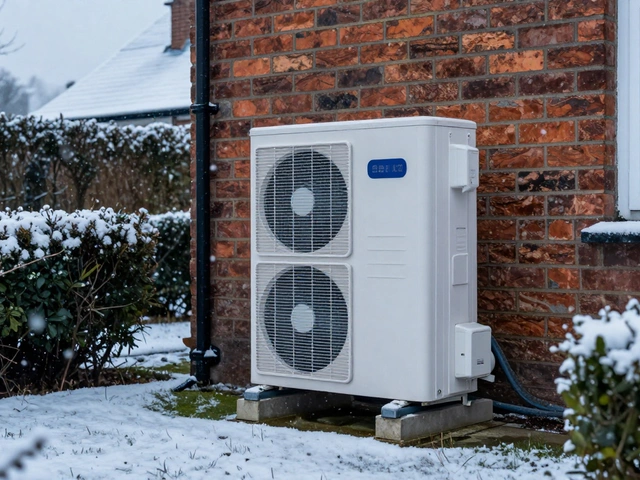
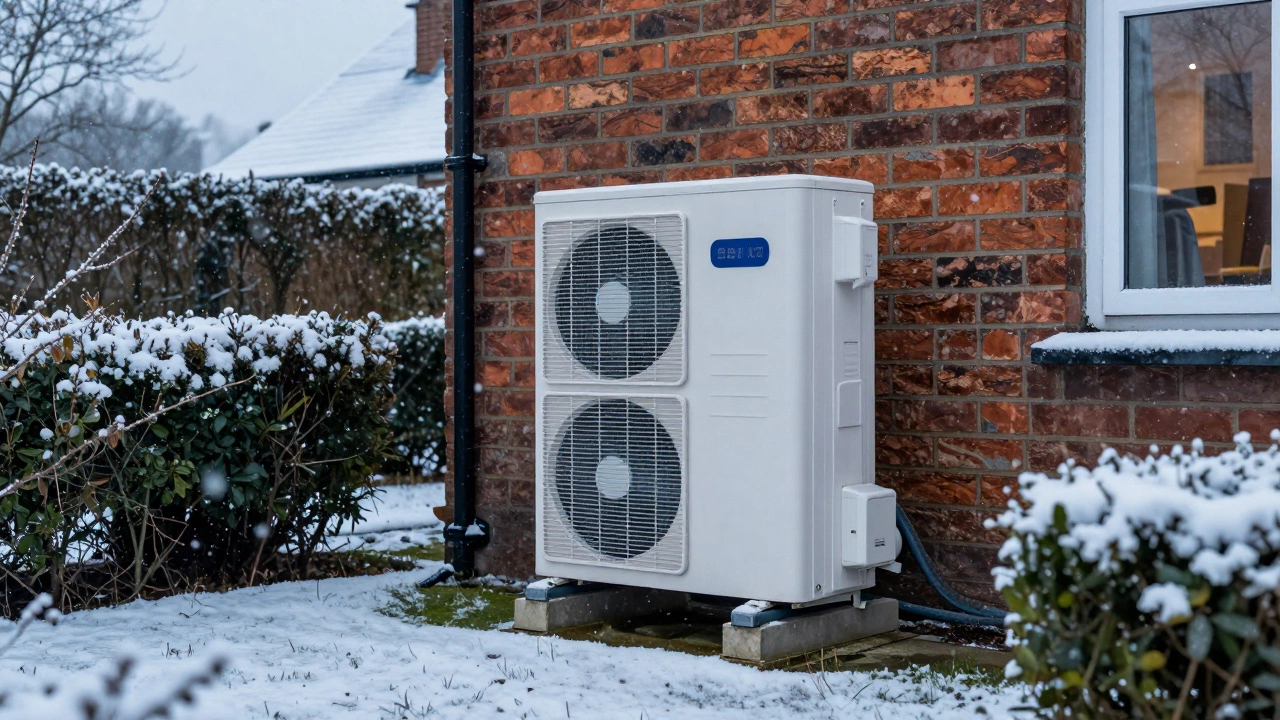
One frequent culprit for unexpected bills is neglecting the outdoor unit. People often install their outdoor condenser unit the external part of a heat pump that exchanges heat with the ambient air and forget about it. Leaves, snow, and ice can block airflow, causing the system to overwork and eventually trip safety switches. A simple annual cleaning can prevent hundreds of pounds in potential electrical stress damage.
Another hidden cost driver is improper sizing. If your heat pump was undersized for your home’s insulation levels, it will run constantly, wearing out components faster. This isn’t a repair issue per se, but it leads to premature failures that feel like bad luck when they’re actually design flaws.
Why Professional Diagnosis Matters More Than Ever
In 2026, heat pumps are smarter than ever. They use advanced inverters and digital controls to modulate output precisely. This efficiency comes at a price: complexity. You cannot simply "turn it off and on again" to fix a modern heat pump without risking further damage to its sensitive electronics.
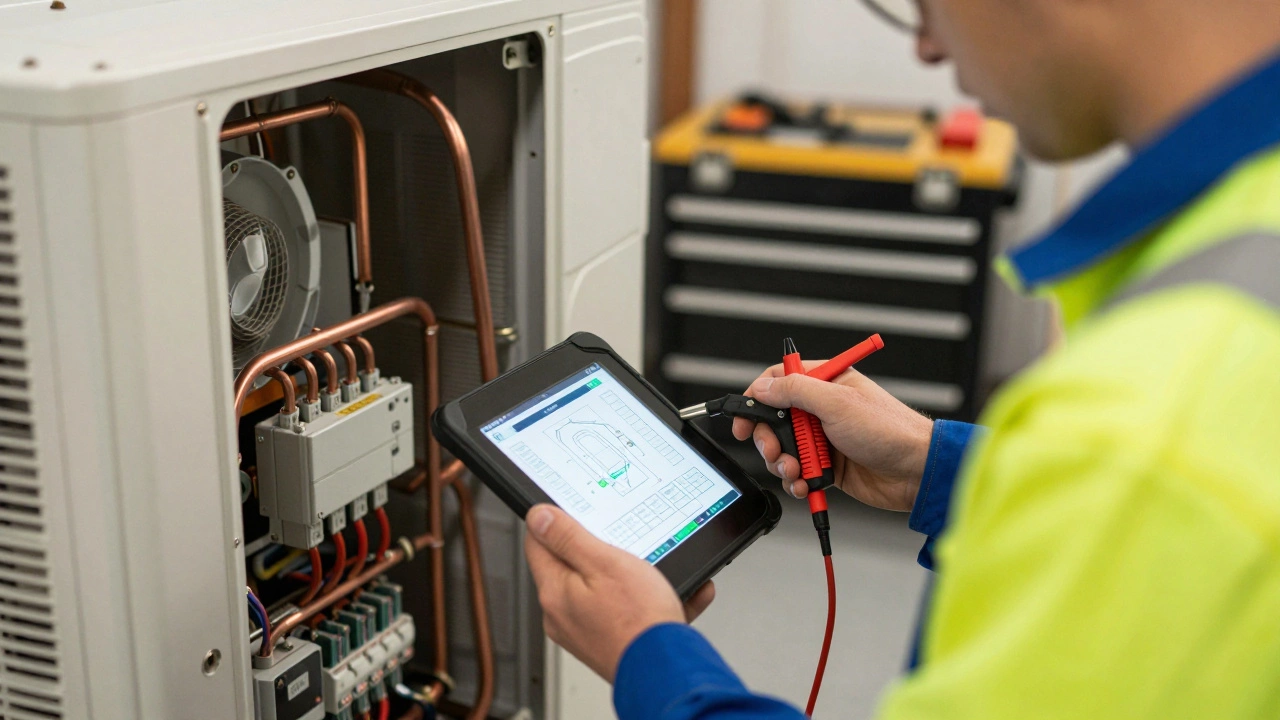
Attempting DIY repairs on refrigerant lines is illegal in the UK unless you hold F-Gas certification. Even checking electrical connections requires Part P compliance knowledge. Hiring an unqualified handyman might save £50 upfront but could void your warranty and lead to catastrophic failure later. Always look for engineers registered with Microgeneration Certification Scheme (MCS) or equivalent bodies. Their diagnostic tools can read error codes directly from the unit’s brain, pinpointing issues in minutes rather than hours of guesswork.
Moreover, professional diagnostics often include a full health check. An engineer might notice worn bearings in the fan motor before they seize up completely. Catching this early means a £150 bearing swap instead of a £800 motor replacement.
Maintenance vs. Repair: The Long-Term Financial View
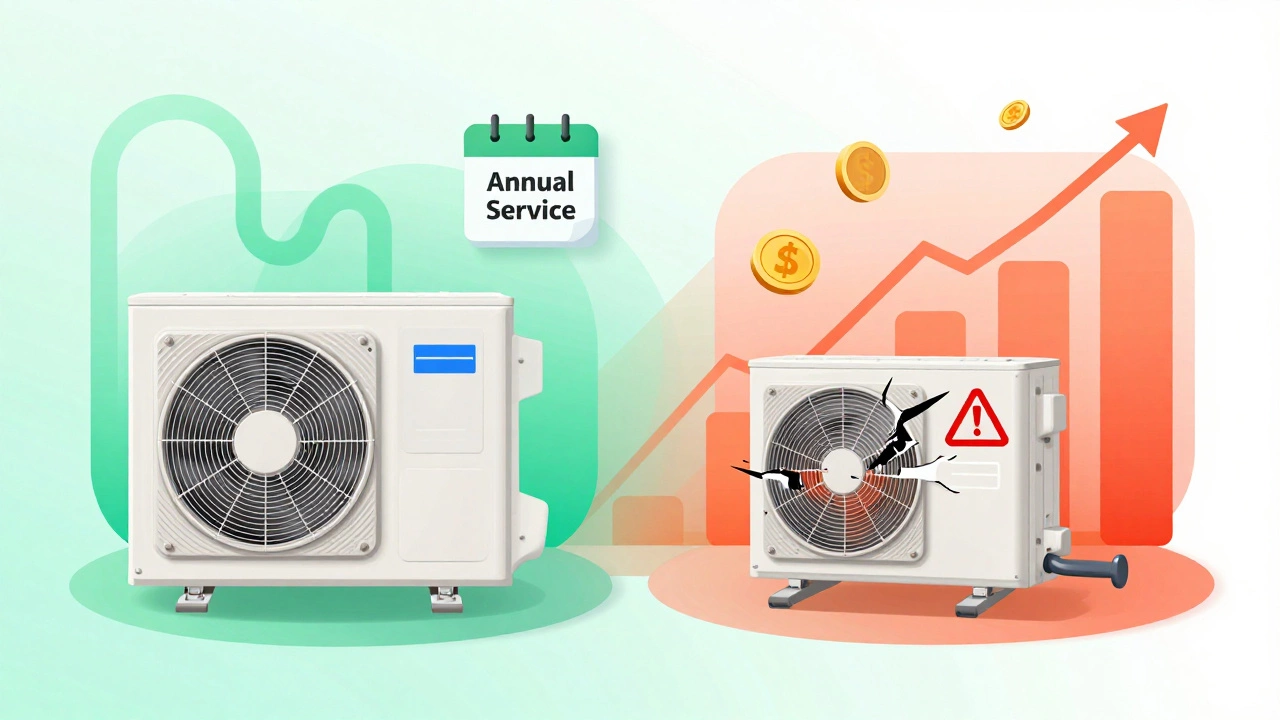
Let’s talk strategy. Is it cheaper to repair a failing heat pump or maintain a healthy one? Data consistently shows that regular servicing extends the lifespan of your system by 3-5 years. Given that a new air source heat pump installation costs between £7,000 and £12,000 (before grants), extending its life pays dividends.
An annual service contract typically costs between £150 and £250. What do you get?
- Visual inspection of electrical connections
- Cleaning of coils and filters
- Checking refrigerant pressure levels
- Verification of thermostat calibration
- Clearance of condensate drains
If you skip this service, you’re gambling. A blocked filter reduces efficiency by up to 15%, meaning you pay more for electricity while getting less heat. Over two winters, that inefficiency could cost you £300+ in energy bills alone-more than three years of servicing.
Consider this analogy: Your heat pump is like a car engine. You wouldn’t drive a car for five years without changing the oil, expecting it to perform perfectly. Similarly, heat pumps need periodic attention to keep their internal lubricants clean and their sensors accurate.
When Repair Isn’t Worth It: Signs It’s Time to Replace
There comes a point where throwing money at repairs makes no financial sense. How do you know when to pull the plug? Look for these red flags:
- Age of Unit: If your heat pump is older than 10-12 years, technology has moved on significantly. Newer models are 20-30% more efficient. Repairing an old unit delays inevitable replacement.
- Repeated Failures: If you’ve had three or more major repairs in the last two years, the system is likely reaching end-of-life. Each repair adds risk of another failure soon after.
- Rising Energy Bills: If your electricity usage for heating has jumped dramatically despite consistent weather patterns, your COP (Coefficient of Performance) has dropped. This indicates severe internal degradation.
- Availability of Parts: Older models may have discontinued spare parts. Waiting weeks for a specific circuit board during winter is stressful and costly.
In these cases, investing in a new system-not just the hardware, but proper system design including underfloor heating compatibility-is a wiser long-term decision. With current government incentives and falling equipment prices, upgrading often offers better value than extensive repairs.
Tips to Minimize Unexpected Repair Costs
You don’t have to wait for things to break. Proactive habits can slash your lifetime ownership costs.
- Keep the Area Clear: Maintain at least 1 meter of clearance around the outdoor unit. Trim back bushes and remove leaves regularly.
- Check Filters Monthly: Most indoor units have accessible air filters. Cleaning them takes five minutes and prevents dust buildup on critical components.
- Monitor Error Codes: Learn what common error codes mean for your specific model. Many manufacturers provide online guides. Early reporting speeds up resolution.
- Use Smart Thermostats: These devices optimize runtime, reducing wear and tear on the compressor by avoiding unnecessary short cycles.
- Book Servicing Early: Don’t wait until January. Book your annual service in October or November to ensure availability and catch issues before peak demand.
Finally, keep records. Document every repair, service, and part replacement. This history helps future engineers diagnose problems faster and proves maintenance adherence if warranty claims arise.
How much does it cost to fix a heat pump in the UK?
Most minor repairs cost between £150 and £400. Major issues involving compressors or significant refrigerant leaks can range from £1,000 to £3,000. Diagnostic calls typically start at £80-£120.
Are heat pumps harder to maintain than gas boilers?
No, they are generally easier. Heat pumps have fewer mechanical parts prone to wear. However, they require careful attention to electrical systems and refrigerant integrity, which necessitates certified professionals for any work beyond basic filter cleaning.
What is the most expensive part to replace in a heat pump?
The compressor is the most expensive component, costing upwards of £1,500 including labor. The main printed circuit board (PCB) is also costly, often running £800-£1,200.
Can I fix my heat pump myself to save money?
You can clean filters and clear debris from the outdoor unit. However, any work involving electrical connections or refrigerant handling is illegal without proper certification and dangerous. DIY attempts often void warranties and increase repair costs.
How often should I service my heat pump?
Annual servicing is recommended. This ensures optimal efficiency, catches small issues before they become big ones, and keeps manufacturer warranties valid. Schedule this before the heating season begins.