

When talking about energy consumption, the total amount of power used by household appliances and systems. Also known as power usage, it directly shapes appliance efficiency, how well a device converts electricity into its intended function and electricity usage, the kilowatt‑hours drawn from the grid each month. High energy consumption pushes up utility bills, the monthly cost you pay the supplier, and can shorten the lifespan of your gear. In short, energy consumption encompasses appliance efficiency, appliance efficiency requires proper maintenance, and electricity usage influences utility bills. Below we’ll break down the key drivers, common pitfalls, and easy actions you can take right now.
First, look at the biggest power hogs: refrigerators, washing machines, dryers, ovens and heating systems. Each of these devices has a rated wattage, but real‑world draw varies with age, load and settings. An old fridge with a faulty door seal may run 30% longer than a newer, well‑sealed model, inflating electricity usage without you noticing. Second, your usage habits matter. Running a washing machine on a hot cycle three times a week versus a cold eco‑cycle can add dozens of kilowatt‑hours to your bill. Third, the building’s insulation and ventilation affect how hard heating and cooling units work; poor insulation forces heat pumps to run longer, raising overall consumption. Finally, standby power is a silent culprit—TVs, routers and chargers keep drawing power even when not in use. Recognising these patterns lets you target the most wasteful spots first.
Now that you know where the energy goes, you can start cutting it. Simple steps like cleaning fridge coils, defrosting freezers, and sealing gaps around doors can boost appliance efficiency by up to 15%. Upgrading to LED lighting and using smart plugs to kill standby power also trims electricity usage. For bigger wins, consider a programmable thermostat that lowers heating output when you’re out, or a dryer sensor that stops the cycle once clothes are dry. All these measures lower your utility bills and reduce the environmental impact of your household. Below you’ll find a collection of expert guides that walk you through diagnosing common problems, fixing inefficient parts, and deciding when it’s smarter to replace an old appliance rather than keep repairing it. Dive in to get the practical tips that match your situation.
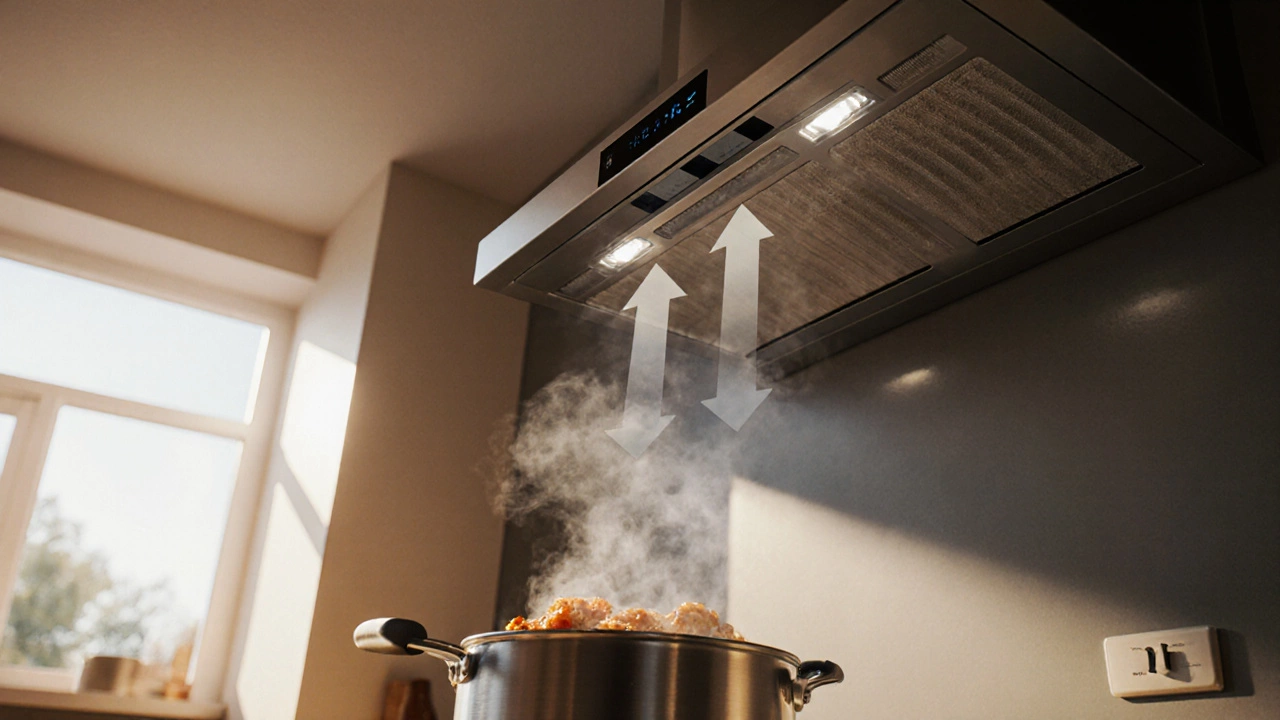
Find out if leaving your extractor fan on is safe, how much energy it uses, and the best practices to protect your home while keeping the kitchen fresh.

Electric stoves are a staple in many kitchens, but how long can you expect them to last? This article delves into the average lifespan of an electric stove and what factors can influence its longevity. Discover maintenance tips that can help extend its life and recognize signs when repairs or replacements might be necessary. This guide aims to empower you with insights into prolonging the efficiency of your kitchen's electric stove.
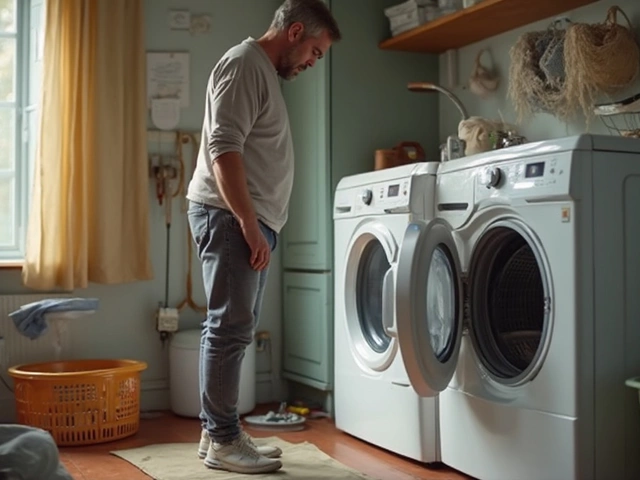
Find out why your tumble dryer isn't spinning and learn step-by-step fixes for common dryer problems. Stay informed with practical tips and real solutions.

Learn how often to flush your water heater, why it matters, signs it's time, mistakes to avoid, and simple steps to, maintain hot water at home.
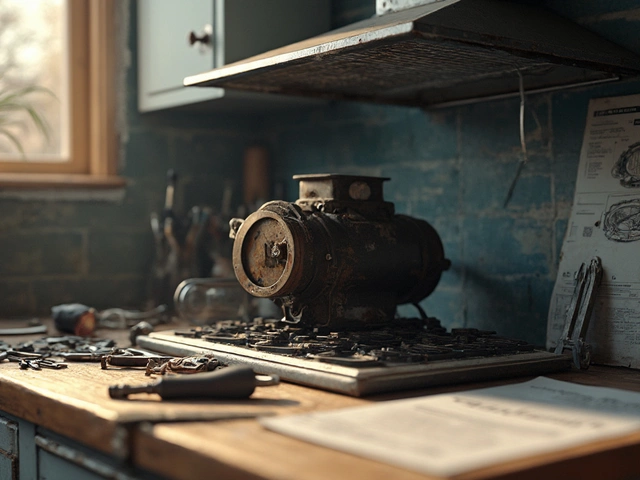
Thinking about swapping out the motor in your extractor fan? This article breaks down what's really involved, the red flags that mean the motor's cooked, and how to decide if you should tackle it yourself or call in a pro. It covers how to find the right replacement part, tips to avoid shocking mistakes, and why some fans just aren’t worth fixing. Whether your bathroom fan wheezes or your kitchen extractor hums like a jet, here’s how to handle a motor on its last legs.
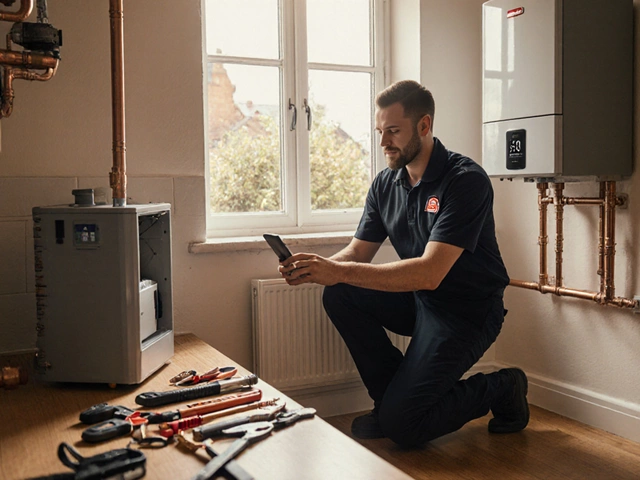
Replacing a boiler in 2025 costs between £2,000 and £4,500 on average. Learn what affects the price, when to replace vs repair, and how to save with government grants. Make an informed decision for your home.