

If your oven stays cold or your electric hob stops heating, the culprit is almost always the heating element. It's the part that turns electricity into heat, and when it fails your meals can go cold fast. Below we’ll break down what a heating element is, why it gives up, and simple DIY steps you can take before you call a professional.
A heating element is a metal coil or ribbon built into the body of electric appliances. In ovens it sits at the bottom or top, in hobs each burner has its own element, and many dryers and water heaters use similar coils. Over time the metal can wear out, develop cracks, or get coated with cooking grease that causes hotspots.
Common reasons for failure include:
When any of these happen, the element either stops heating completely or only works on part of the coil, leaving your oven half‑hot or a hob burner dead.
Most heating‑element repairs are straightforward and don’t require a mechanic. All you need is a screwdriver, a multimeter (optional but handy), and the right replacement part. Here’s a quick rundown:
If any step feels unsafe – especially dealing with wiring – stop and call a qualified electrician or a local appliance repair service. They can also check for hidden issues like a bad thermostat that could fry the new element.
Regular maintenance helps avoid future failures. Wipe spills away while the appliance cools, clean the oven interior with a mild cleaner, and run a quick visual check every few months. For hobs, use a scraper to remove burnt food before it hardens on the element.
Remember, a heating element is cheap compared to a whole new oven or hob. With a bit of patience you can save money and keep your kitchen running smoothly.
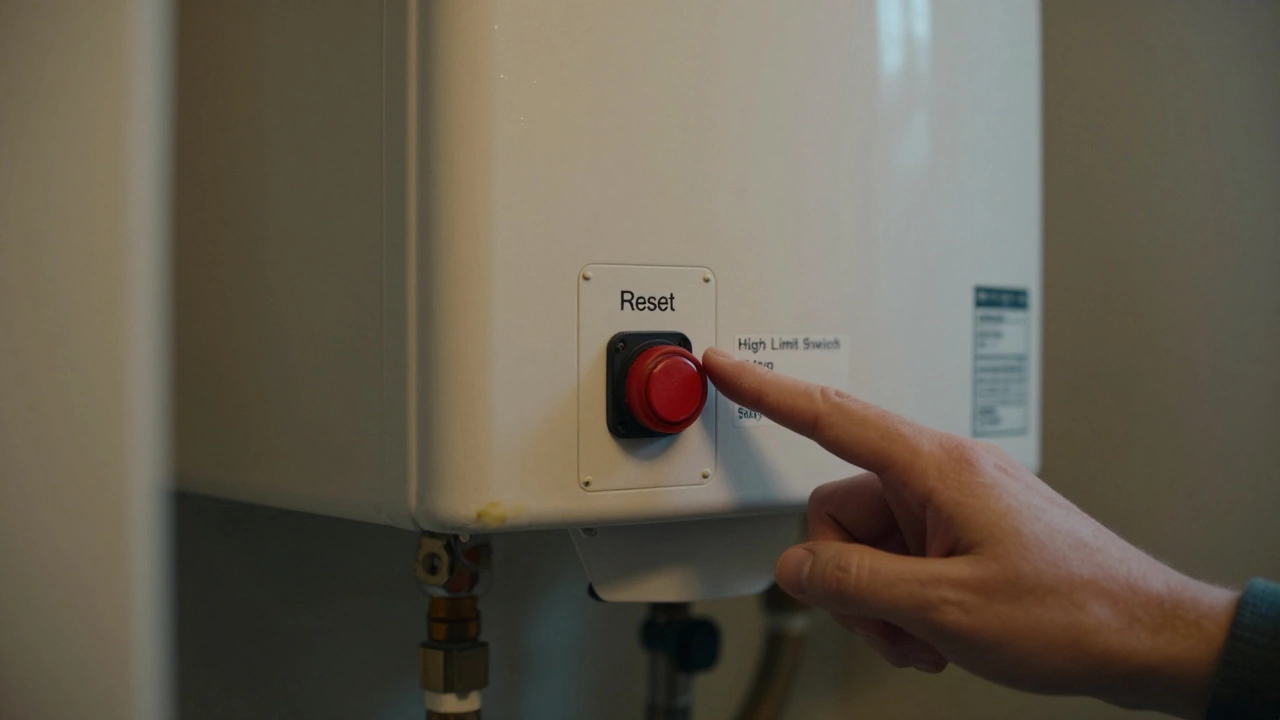
Discover why your hot water heater's reset button keeps tripping. Learn about failed thermostats, shorted elements, and sediment buildup, plus step-by-step fixes.
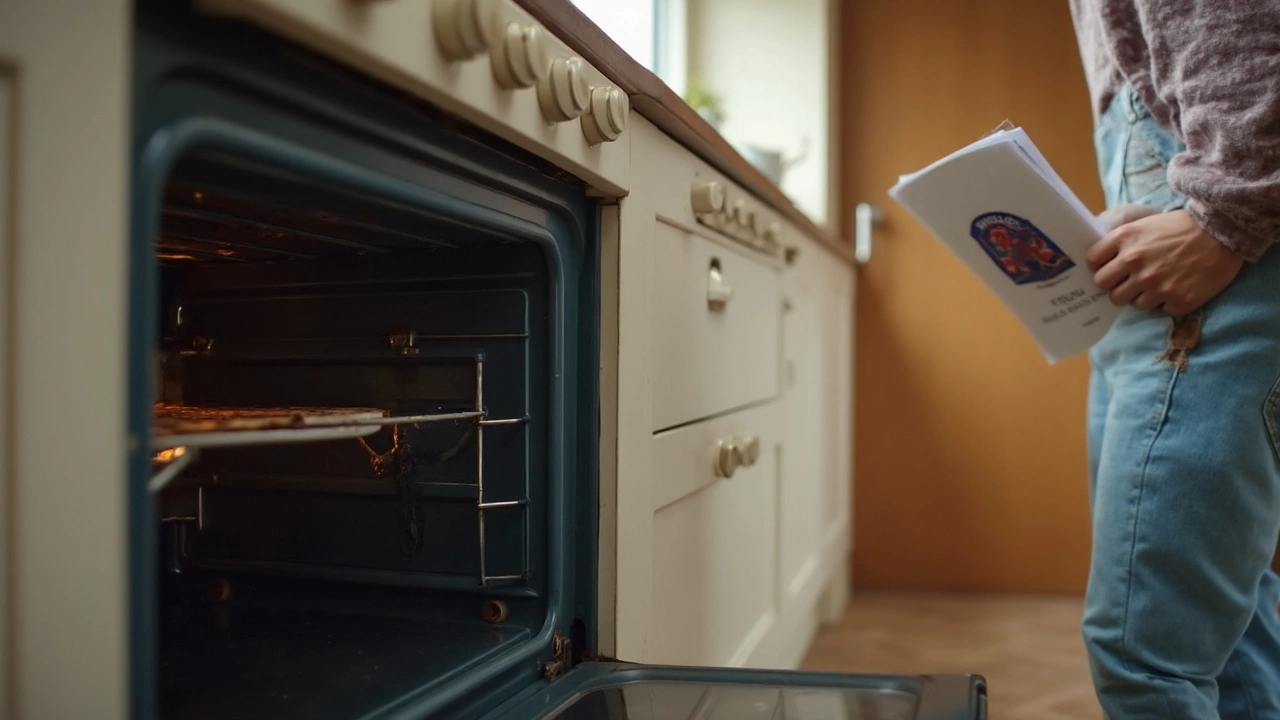
Wondering if you can still use your oven with a broken heating element? This article breaks down what actually happens when the heating element fails and what your options are. Learn about safety concerns, possible workarounds, and when it’s smarter just to fix it instead of limping along. Get tips on recognizing a bad element and ideas for a cheap, fast repair. Find out what really works and what won’t, straight from someone who’s fixed more than a few ovens themselves.
Wondering if your oven's heating element is faulty? Learn how to identify signs of a broken oven element, including visual inspections, testing with a multimeter, and troubleshooting tips. This guide offers essential knowledge to help you diagnose and fix any issues, ensuring your oven works efficiently. Stay informed about safety precautions and when it might be time to call a professional.
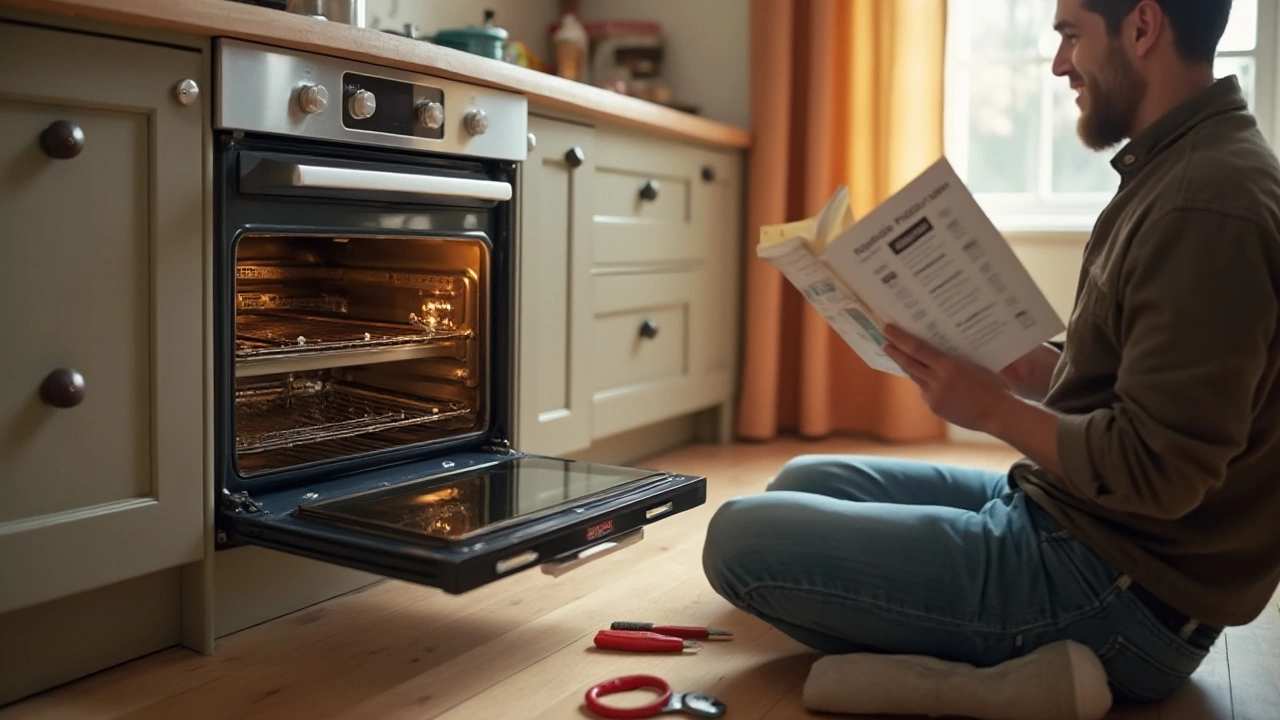
If your electric oven isn't heating properly, it might be time to replace the heating element. Understanding the costs and what's involved in the repair process can help you make informed decisions. This article dives into the factors affecting replacement costs, step-by-step guidance on how to change the element, and practical tips to ensure your oven runs smoothly. With these insights, you can tackle the repair yourself or hire the right professional for the job.

Is fixing a 4-year-old dishwasher actually worth it? Get honest advice, money-saving tips, and clear facts for making the smartest call.
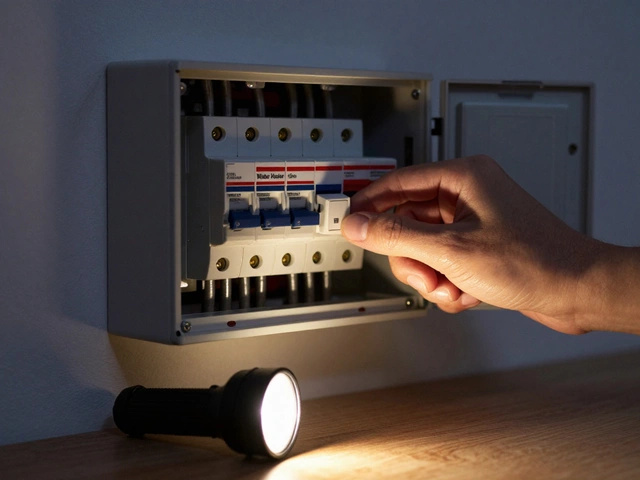
When there's no hot water, the first thing to check isn't the heater-it's the circuit breaker or pilot light. Most issues are simple fixes that save time and money. Learn what to look for and how to fix it yourself.
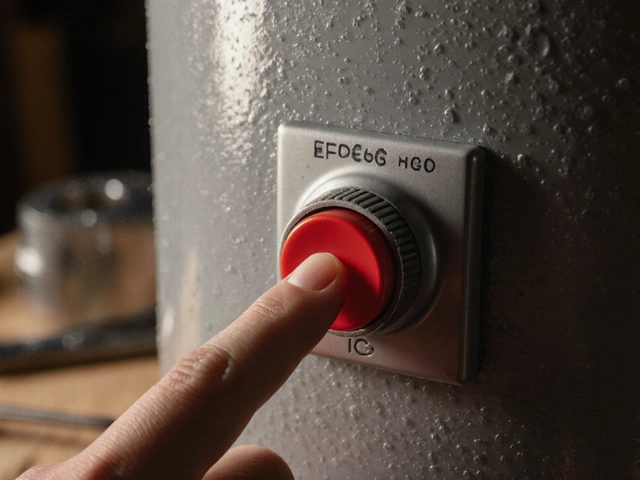
Learn how to properly reset your water heater's safety button - and why holding it down won't help. Find out what really causes it to trip and when to call a professional.
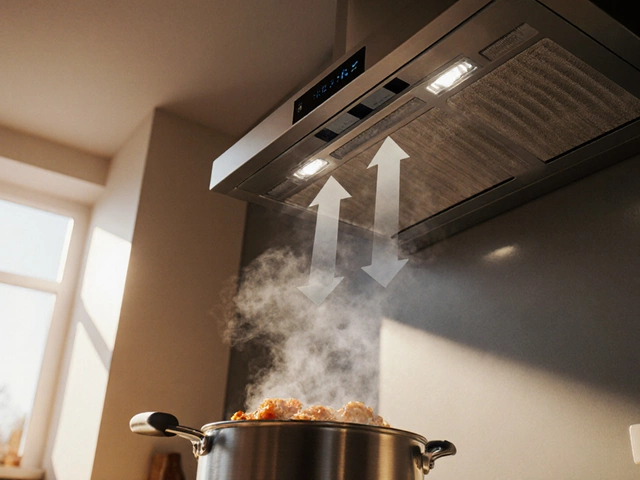
Find out if leaving your extractor fan on is safe, how much energy it uses, and the best practices to protect your home while keeping the kitchen fresh.

Stuck with a broken boiler and a cold house? This guide shares quick, practical steps to keep your home warm without a working boiler. Learn about safe heating alternatives, ways to trap heat, and smart tricks for getting through chilly nights. Find out what to avoid, when to call a professional, and how to prep for future breakdowns. Perfect for homeowners who want to stay safe and comfortable during a boiler emergency.