Oven Repair vs. Replacement Calculator
Enter Your Details
Recommendation
Enter your details and click calculate to see if you should repair or replace your oven.
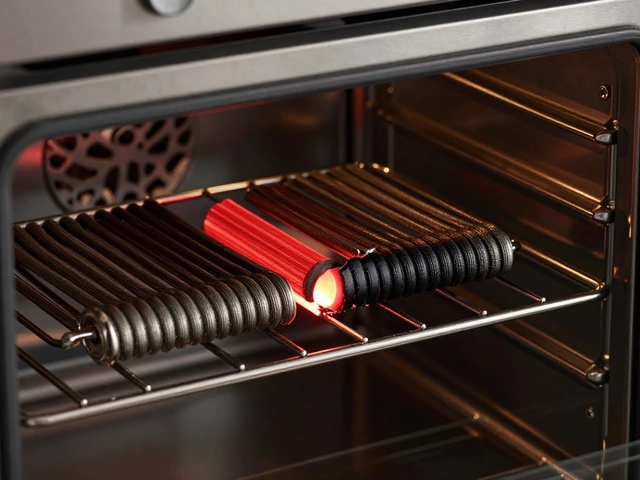
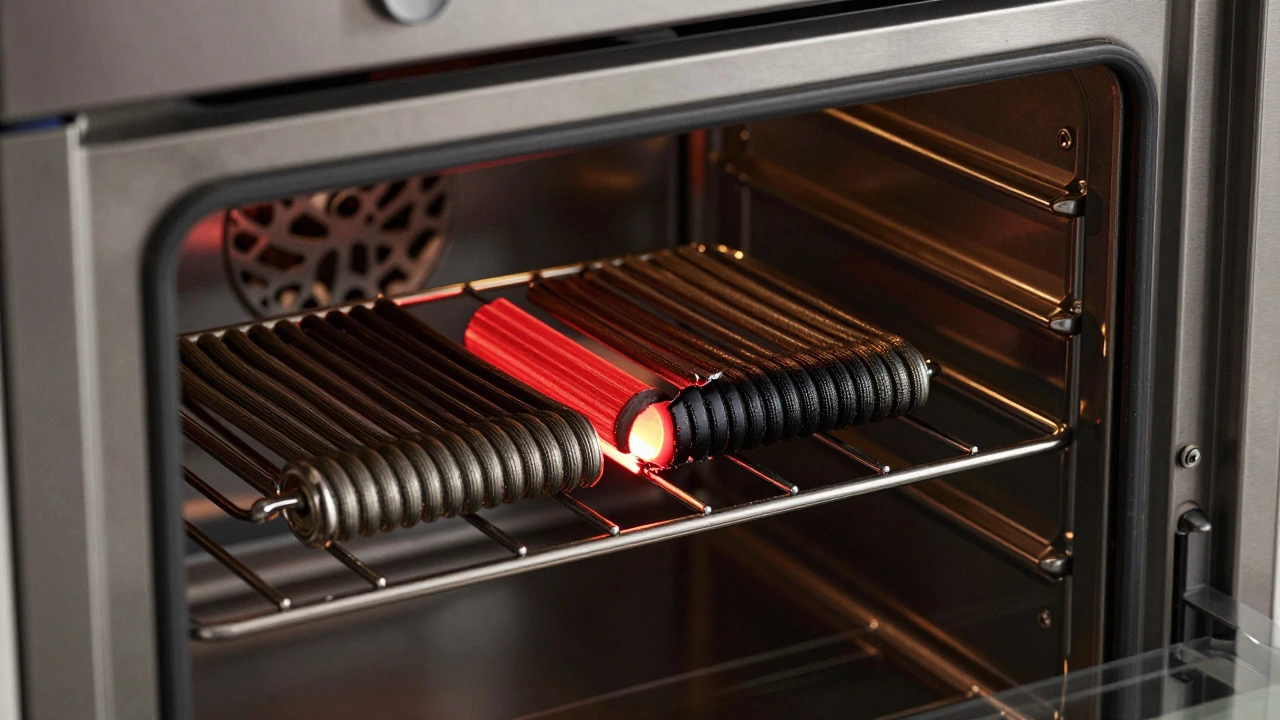
Your oven stops cooking evenly. One side is cold, or the fan won't heat up. You know it's likely a faulty heating element that converts electricity into heat for baking and roasting, but you're worried about the bill. Will it cost more than buying a new appliance? That is the real question keeping many homeowners awake.
In 2026, replacing a single element in an electric oven typically costs between £80 and £150 when you hire a professional engineer in the UK. If you have the tools and confidence to do it yourself, the part alone usually runs from £15 to £40. The gap between these two figures isn't just profit; it covers labor, diagnostic fees, travel, and the peace of mind that comes with a warranty on the workmanship.
Breaking Down the Costs: Parts vs. Labor
To understand why prices vary, we need to look at what you are actually paying for. An oven element isn't a one-size-fits-all component. There are generally two types: the static grill element at the top and the main cavity element at the bottom (or sometimes a fan-assisted element at the back).
The parts themselves are relatively inexpensive because they are mass-produced standard components. However, finding the exact match for your specific model can take time. A generic replacement might fit, but a manufacturer-specific part ensures optimal performance and safety compliance.
| Item | Estimated Cost (£) | Notes |
|---|---|---|
| Standard Heating Element | £15 - £35 | Varies by brand (e.g., Bosch, Indesit, Samsung) |
| Grill Element | £20 - £45 | Slightly higher due to specialized design |
| Professional Labor (1 hour) | £40 - £70 | Includes diagnosis and installation |
| Call-Out Fee | £30 - £60 | Often waived if repair proceeds |
| Total Professional Job | £80 - £150 | Depends on location and urgency |
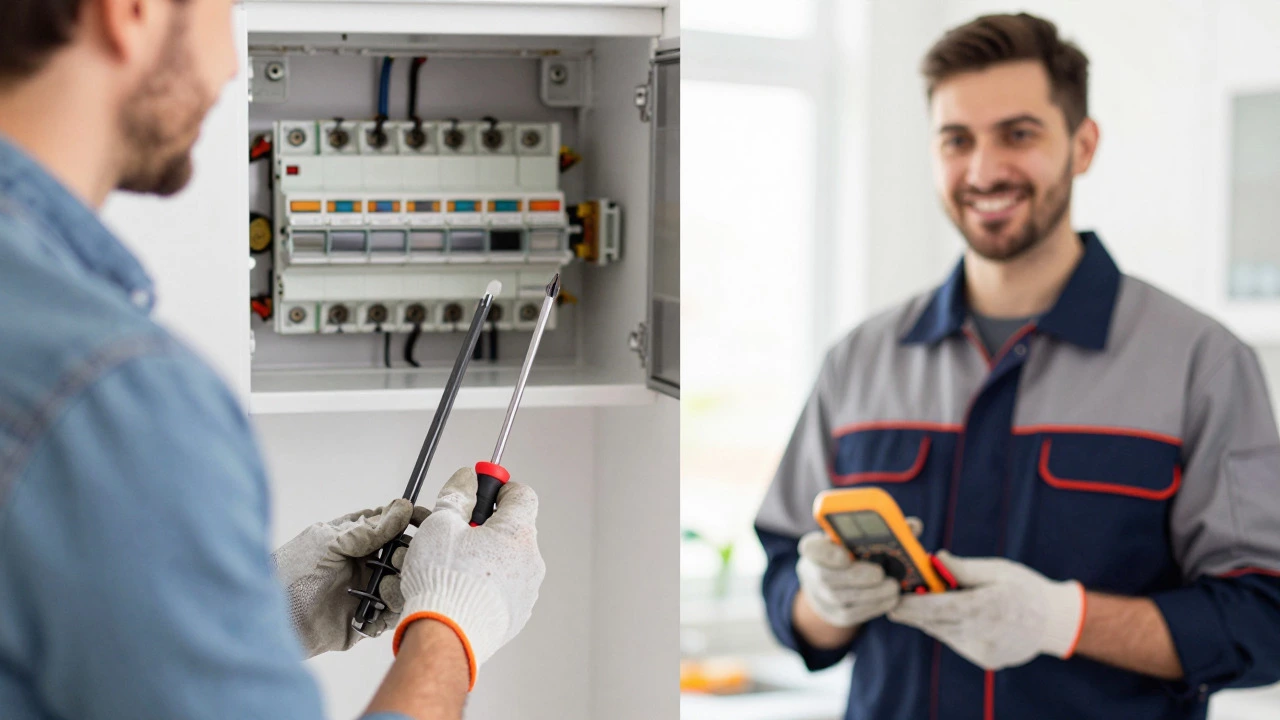
Labor costs reflect the skill required. While swapping an element sounds simple-unscrew old, screw in new-it involves handling live electrical connections. A qualified engineer will disconnect the power, test the circuit to ensure no other faults exist (like a failed thermostat), and safely reconnect the wiring. This process usually takes 30 to 60 minutes.
DIY Replacement: Is It Worth the Risk?
If you are handy with a screwdriver and comfortable around wires, doing it yourself saves money. But before you buy a replacement part, ask yourself: does my oven still have a warranty? Opening the back panel or removing the element yourself often voids the manufacturer's guarantee. If your oven is less than three years old, check the terms first.
For older ovens, the DIY route is straightforward. Here is what you need to know:
- Turn off the power: Don't just switch the oven off. Flip the breaker at your consumer unit (fuse box) to cut all electricity to the appliance. Safety first.
- Identify the correct part: Take a photo of the old element and its mounting screws. Measure the distance between the terminals. Search using your oven's model number, not just "oven element."
- Remove the old element: Most elements are held in place by nuts or screws at the back of the oven cavity. Unscrew them, pull the element forward, and unplug the wires.
- Install the new one: Reverse the process. Ensure the wires are secure and tight. Loose connections cause arcing and fire hazards.
- Test carefully: Turn the power back on and run the oven empty for 10 minutes. Watch for smoke or unusual smells.
The biggest risk in DIY repairs is misdiagnosis. If the element blew because of a short circuit elsewhere, the new one will burn out quickly. A professional checks the entire system, not just the visible symptom.
When to Repair vs. When to Replace
This is the critical decision point. Spending £120 to fix an oven that is worth £200 doesn't make financial sense. Use this rule of thumb: if the repair cost exceeds 50% of the price of a new, equivalent appliance, consider replacing the whole unit.
However, age and efficiency matter. Ovens manufactured before 2015 often lack modern energy-saving features. A new oven might use significantly less electricity, saving you money on bills over time. Also, newer models offer better temperature control, which means your food cooks more evenly. If your oven is over ten years old, a broken element might be the sign you've been waiting for to upgrade.
On the flip side, if your oven is high-end, built-in, or custom-fitted, the cost of replacing the entire unit (including installation) can exceed £1,000. In this case, spending £100 on an element is a no-brainer.
Hidden Costs and Unexpected Issues
Not every job goes smoothly. Sometimes, while replacing the element, an engineer discovers other problems. Common hidden issues include:
- Faulty Thermostat: If the thermostat is broken, it sends incorrect signals to the element, causing it to overheat and fail. Replacing both the element and thermostat adds £30-£50 to the parts cost.
- Damaged Wiring: Rodents chewing through cables behind the oven or loose connections corroding over time can require rewiring. This increases labor time.
- Access Panels: Some built-in ovens require removing the surrounding cabinetry to access the back of the unit. This adds complexity and potential damage risk to your kitchen units.
Always ask for a fixed-price quote or a cap on labor hours before the engineer starts work. This prevents surprise charges if the job takes longer than expected.

Choosing the Right Engineer
Not all repair technicians are equal. In the UK, look for engineers who are Gas Safe registered (if they handle gas appliances too) and hold City & Guilds qualifications in electrical appliances. Check reviews on trusted platforms like Trustpilot or Checkatrade. Avoid companies that demand full payment upfront without providing a detailed invoice.
A reputable engineer will provide a warranty on their work, typically lasting 12 months. This means if the element fails again within a year, they will come back and fix it for free. This warranty is a key reason why hiring a pro is often cheaper in the long run than a cheap DIY fix that fails after a month.
Maintaining Your Oven Elements
You can extend the life of your oven elements with simple habits. Spills and grease buildup insulate the element, causing it to overheat as it struggles to reach the set temperature. Wipe up spills immediately once the oven has cooled slightly. Clean the interior regularly with a mild detergent, avoiding abrasive scrubbers that can scratch the enamel coating.
Avoid slamming the oven door. The shock can loosen the element's mounting screws over time, leading to poor contact and failure. Finally, don't stack pans directly on the element unless your manual says it's safe. Direct contact can warp the metal coil.
Can I replace an oven element myself?
Yes, if you are confident with basic tools and electrical safety. Always turn off the power at the fuse box before starting. Ensure you buy the exact replacement part for your model. If you are unsure, hire a professional to avoid voiding warranties or creating fire hazards.
How long does it take to replace an oven element?
A professional engineer usually takes 30 to 60 minutes to replace an element, including diagnosis and testing. DIY repairs may take longer if you need to remove panels or struggle with tight spaces.
Why did my oven element break?
Elements fail due to age, thermal stress from frequent heating/cooling cycles, or physical damage. Other causes include faulty thermostats sending excessive power, or spills causing short circuits. Normal wear and tear is the most common reason.
Is it cheaper to repair or replace an old oven?
If the repair costs more than 50% of a new oven's price, replacement is usually better. Consider the oven's age, energy efficiency, and whether it is a built-in model. Older ovens may save money in the long run by being replaced with energy-efficient models.
Do I need a qualified electrician for oven repairs?
While not always legally required for small appliances, it is highly recommended. Qualified engineers have insurance and training to handle electrical faults safely. They also provide warranties on their work, which DIY fixes lack.