

If your oven has stopped heating, you don’t have to call a technician right away. Most problems are caused by a few easy‑to‑check parts, and with the right tools you can fix them yourself in under an hour. Below you’ll find the most common culprits and a step‑by‑step guide that even a beginner can follow.
The first thing to know is that electric ovens have three main parts that can stop working: the heating element, the thermostat (or temperature sensor), and the power supply. A blown fuse or tripped breaker can also cut power without you realizing it. Look for any burnt smells, visible cracks, or loose wires—these are strong clues that something is wrong.
Another frequent issue is a faulty oven door latch. If the door doesn’t close properly, the oven may stay off as a safety measure. Check the latch for wear and make sure it clicks into place. Finally, a dirty or clogged vent can cause the oven to overheat and shut down, so give the vents a quick clean.
1. Safety first. Unplug the oven or switch off the circuit breaker. Even if you’re only looking at the back, it’s better to be safe than sorry.
2. Test the power. Use a multimeter to check the outlet voltage. You should see around 240 V for a standard UK oven. If the reading is low, reset the breaker or replace a blown fuse before moving on.
3. Inspect the heating element. Open the oven door and locate the element at the bottom or back. Look for any signs of discoloration or breaks. With the oven unplugged, use the multimeter on the resistance setting; a good element reads between 15‑30 Ω. If it’s open circuit (infinite resistance), replace it.
4. Check the thermostat or sensor. The sensor is usually a metal rod inside the oven cavity. Gently pull it out and test resistance; it should change with temperature. If the reading stays flat, the sensor is faulty and needs swapping.
5. Examine wiring connections. Loose or corroded wires can cause intermittent heating. Tighten any loose screws and clean oxidation with a small brush. Make sure all connectors click firmly.
6. Clean vents and door latch. Remove any debris from the vent holes with a vacuum brush. Test the latch by closing the door; you should hear a click. If the latch is broken, a simple replacement clip can solve the problem.
After you’ve checked each part, re‑assemble everything, plug the oven back in, and run a short test cycle at a low temperature. If the oven heats up, you’ve saved yourself a pricey callout. If it still refuses to work, the issue may be deeper—like a control board failure—where calling a professional is the safest bet.
Doing a DIY oven fix doesn’t have to be scary. With a few basic tools—a screwdriver, multimeter, and some patience—you can tackle the most common problems yourself. Keep a small repair kit handy, follow these steps, and you’ll be back to baking, roasting, and grilling in no time.
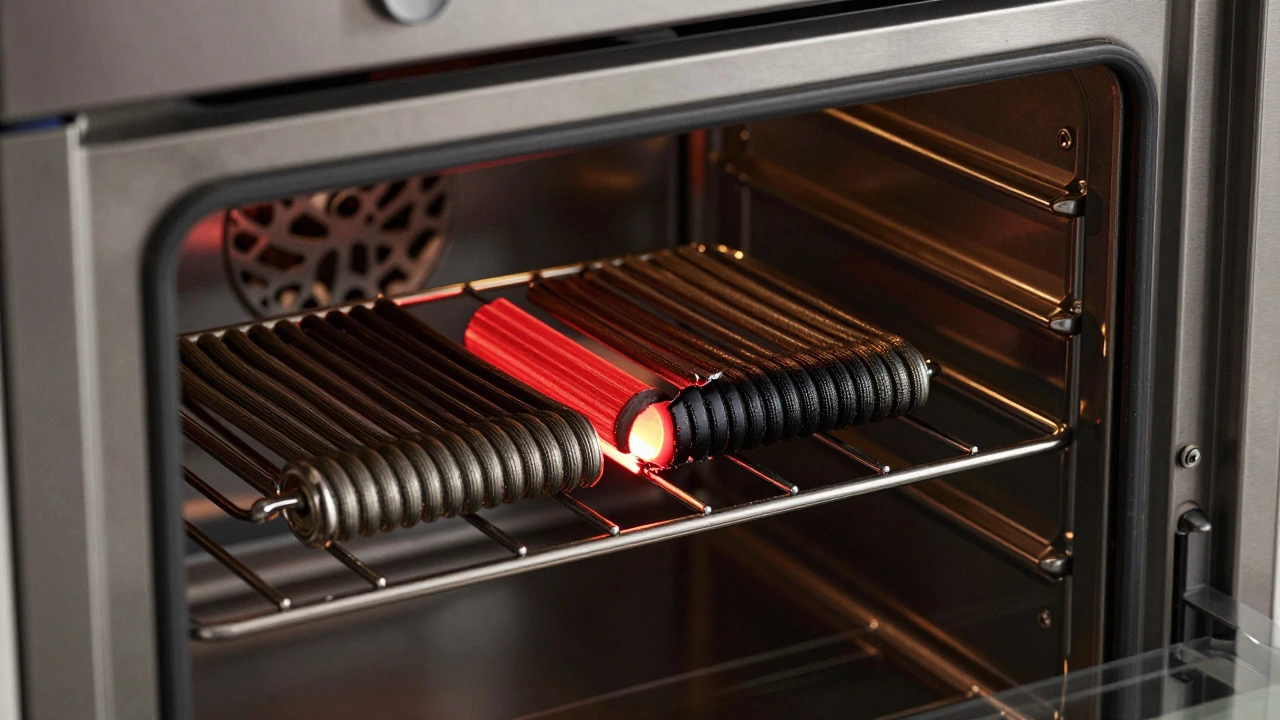
Replacing an oven element costs £80-£150 professionally or £15-£40 for DIY parts. Learn when to repair vs. replace, how to choose an engineer, and tips to extend your oven's life in our 2026 guide.

Got a cold oven? Learn if you can swap that faulty heating element yourself, what tools you'll need, and exactly what to watch out for. Easy fixes, with real-life tips.

Need to replace your electric oven element? Find out how much it costs, what affects the price, and the best options for repairing your oven in 2025.

Electric ovens can sometimes act up and cause frustration in the kitchen. While not every issue requires a professional, understanding the basic components can save time and money. This guide explores the practicality, challenges, and tips for tackling common oven problems. Whether it's a heating issue or a broken door handle, knowing what to check is crucial. Get insights into the DIY approach to electric oven repair to keep your appliance running smoothly.

If your cooker suddenly stopped working, it might be due to a range of reasons from electrical issues to simple user errors. Understanding the root cause is key to fixing the problem efficiently. In this article, we explore common reasons why cookers fail and offer practical troubleshooting tips to get your appliance working again. From checking the power supply to examining electrical components, we cover it all. Get your cooker back up and running with our straightforward guide.
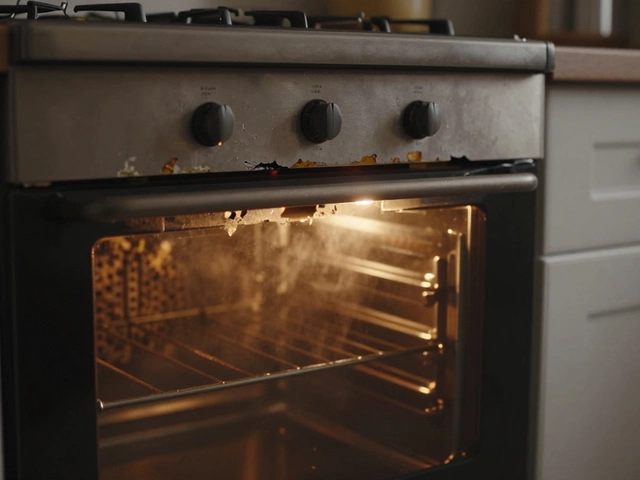
Most ovens last 10 to 15 years, but usage and maintenance affect lifespan. Learn the signs your oven is failing, when to repair vs. replace, and how to make it last longer.

This article provides a comprehensive guide on how to test and maintain your kitchen extractor fan to ensure it functions optimally. It includes practical steps for diagnosing common issues, cleaning tips to improve efficiency, and essential maintenance advice. Discover how to test airflow and electrical components safely, ensuring your kitchen remains free from unwanted odors and excess humidity. Learn valuable insights and practical tips to keep your extractor fan in top shape.
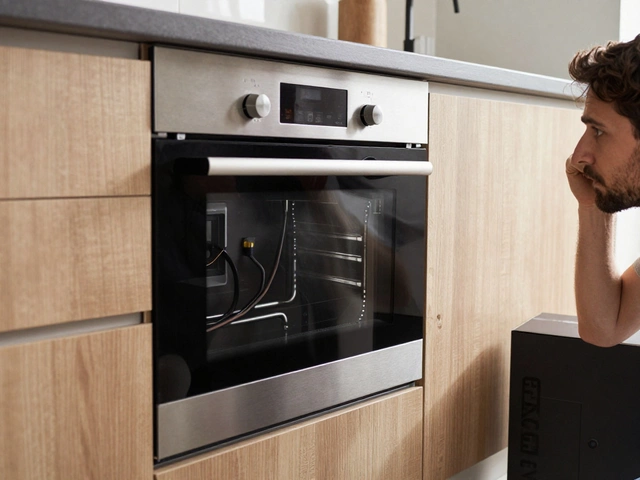
Find out if you need a professional electrician to replace your electric oven in the UK. We cover Part P regulations, DIY risks, costs, and safety steps to help you decide.
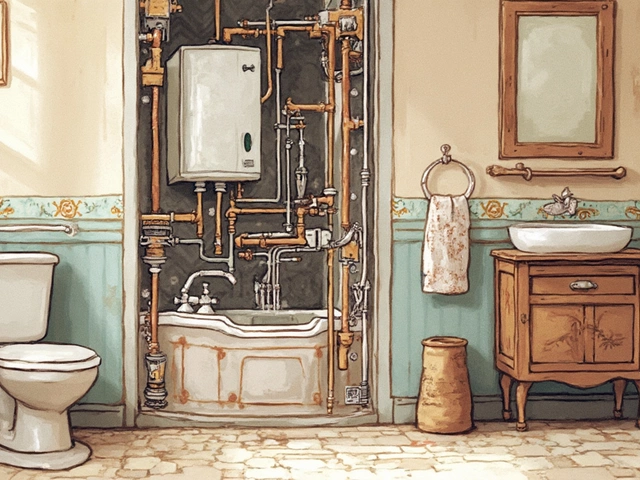
A failing water heater element can leave you in the chilly lurch just when you need a warm shower. Learn how to diagnose the problem with simple, straightforward steps. This guide covers common symptoms, testing methods, and practical tips for handling a faulty element. We'll explain what's involved and offer insights for DIY repair or knowing when to call a professional.