
Fridge Compressor Diagnostic Tool
Answer the following questions about your fridge's current state to identify the likely issue.
Your fridge is making a weird noise, or maybe it’s just warm inside. You open the door, grab a beer, and realize it’s lukewarm. Panic sets in. Is the whole unit toast? Do you need to throw away half your groceries? Before you call for a replacement or rack up a massive bill, let’s talk about the heart of your refrigerator: the compressor. It is the engine that keeps things cold. When it fails, everything stops.
Knowing whether your compressor has actually "gone"-meaning it has failed electrically or mechanically-is the difference between a £150 repair and a £600+ replacement (or buying a new fridge). Most people assume silence means death, but sometimes silence is just a symptom of something else entirely. Let’s break down exactly how to tell if the compressor is the culprit, using simple checks you can do right now in your kitchen.
The Silent Killer: Why Silence Isn't Always Bad News
The first thing most owners notice is sound-or the lack of it. A healthy fridge hums. It cycles on and off. If your fridge has gone completely silent, your instinct might be to think the compressor has died. But hold on. In many modern fridges, especially those with inverter compressors, the motor runs quietly. More importantly, a silent fridge often points to an electrical issue upstream, not the compressor itself.
If the compressor isn’t getting power, it won’t run. This doesn’t mean the motor is broken; it means the signal to start was never sent. Common culprits include:
- A faulty thermostat: If the sensor thinks the fridge is already cold enough, it cuts power to the compressor. The fridge sits silent, but the compressor is fine.
- A bad start relay: This small component gives the compressor the initial jolt to spin up. If it burns out, the compressor might buzz briefly then stop, or stay silent. This is one of the most common failures and costs very little to fix.
- Control board issues: On digital models, the main PCB sends the command. If the board glitches, the compressor gets no instruction.
So, before you condemn the compressor, check if the light inside the fridge works. If the light is on but the back is silent, the fridge has power. The problem is likely the control system telling the compressor to shut down, rather than the compressor being dead.
The Heat Test: Touching the Back of the Unit
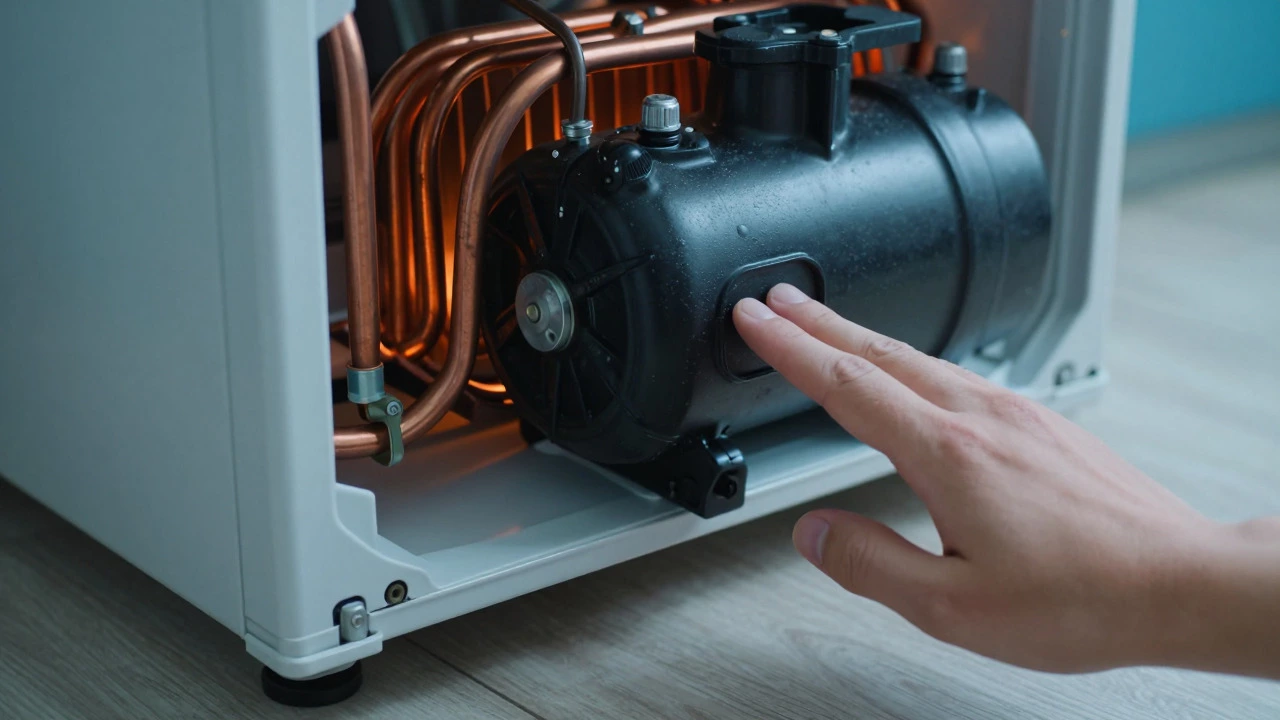
This is the simplest physical test you can perform. The compressor generates heat as it works. It compresses refrigerant gas, which raises its temperature significantly. That heat is usually dissipated through coils at the back or bottom of the unit.
Go to the back of your fridge. Feel the area where the compressor sits (usually in the bottom rear corner, hidden behind a kickplate or grille). Also feel the condenser coils running along the sides or back.
| Sensation | Likely Status | Action Required |
|---|---|---|
| Warm to hot (40-60°C) | Compressor is running | Check airflow, dust coils, monitor temps |
| Cool or room temperature | Compressor is OFF | Check power, thermostat, and start relay |
| Extremely hot (>70°C) + loud noise | Overworking or failing | Turn off immediately, call a pro |
If the compressor is stone cold after the fridge has been plugged in for several hours and the interior is warm, the compressor is not running. However, remember the point above: it might not be running because it’s broken, or because it’s not being told to run. If it’s warm, the compressor is alive. If it’s still cool inside despite a warm compressor, you have a different problem-likely a refrigerant leak or a blocked capillary tube-not a dead compressor.
Listening for the Buzz: The Start Relay Check
Pay close attention to the sounds coming from the back. A specific sound profile tells a lot. If you hear a loud buzzing or humming for a few seconds, followed by a click and then silence, your compressor is trying to start but failing. This is classic start relay failure.
The start relay contains a PTC (positive temperature coefficient) thermistor and an overload protector. When the compressor tries to engage, the relay provides the extra torque needed. If the relay is stuck or burnt, the compressor motor stalls. The overload protector senses the high current draw from the stalled motor and cuts power to prevent fire. Hence, the buzz, then click, then silence.
You can actually tap the side of the compressor gently with a wooden spoon while it’s buzzing. Sometimes, this vibration frees up a stuck piston or rotor, allowing the compressor to kick in. If it starts running after a tap, the compressor is mechanically okay but struggling. It’s a temporary fix, though. You’ll need to replace the start relay soon.
Temperature Drop: The Definitive Proof
Ultimately, a fridge’s job is to remove heat. If the compressor is working, the internal temperature should drop. Place a thermometer in the middle shelf of your fridge. Set the dial to the coldest setting. Wait four hours.
If the temperature hasn’t dropped below 8°C (46°F), cooling is insufficient. Now, combine this with your earlier observations:
- Compressor warm + No temp drop: The compressor is running, but the refrigeration cycle is broken. This could be a low refrigerant charge (leak) or a clogged filter drier. The compressor isn’t "gone," but the system is compromised.
- Compressor cold + No temp drop: The compressor is not running. Refer back to the electrical checks.
- Compressor warm + Temp dropping slowly: The compressor might be weak, or the evaporator fan is failing to circulate air. In frost-free models, if the evaporator coils are iced over, the fan can’t move air. The compressor runs hard (hot), but the cold stays trapped in the freezer section.
When to Call a Pro vs. DIY
In the UK, particularly here in Bristol where we see plenty of older Whirlpool and Indesit models, compressor failures are common in units over eight years old. Replacing a compressor is labor-intensive. It requires recovering refrigerant (which is illegal to vent into the atmosphere without certification), brazing copper lines, vacuuming the system, and recharging with precise amounts of R600a or R134a gas.
If you confirm the compressor is dead (no heat, no buzz, verified power supply, good relay), ask yourself: How old is the fridge? If it’s under five years, claim warranty. If it’s over seven years, the cost of a professional compressor replacement (£200-£400) often approaches the price of a new energy-efficient model. New fridges use significantly less electricity, saving you money long-term.
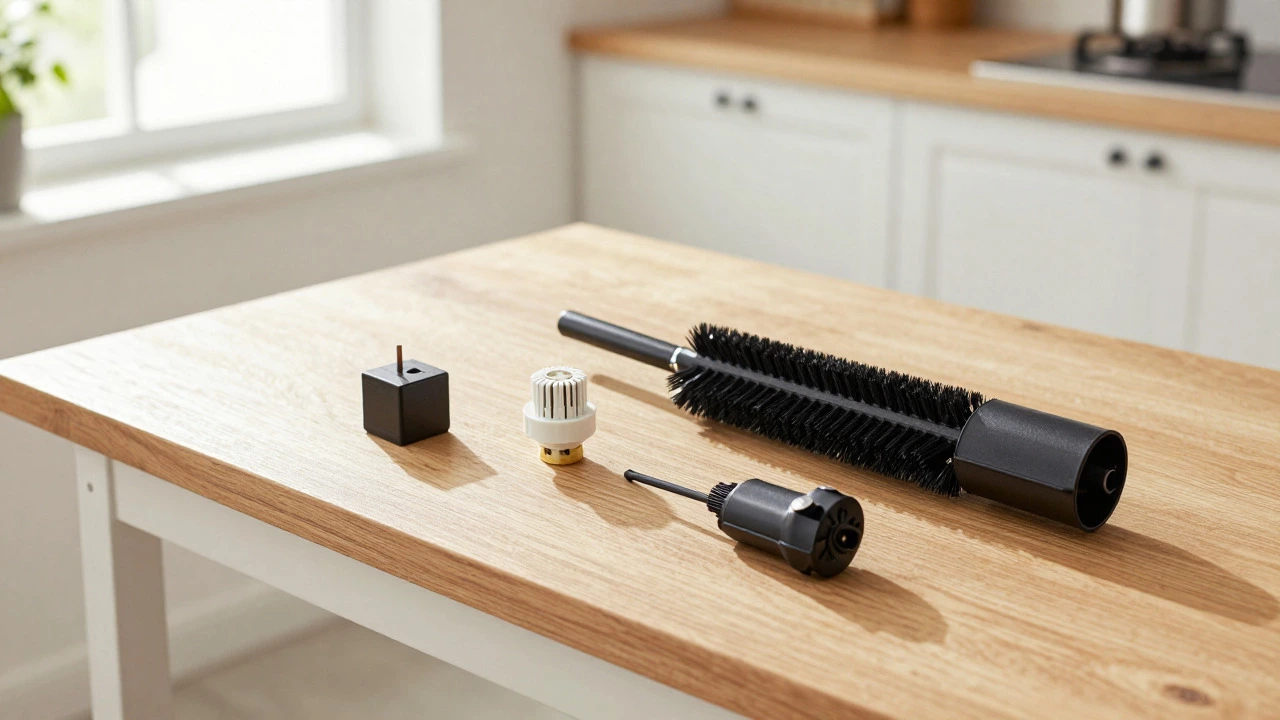
However, if the issue is a start relay or a thermostat, these are cheap parts (£10-£30) and easy swaps. You can buy them online or at local hardware stores in Clifton or Redcliffe. Just ensure you match the model number exactly.
Preventing Future Failures
Most compressors last 10-15 years. Premature failure is usually caused by overheating or excessive cycling. Keep the condenser coils clean. Dust acts as insulation, trapping heat around the compressor. Use a brush attachment on your vacuum cleaner every six months to clean the coils at the back or underneath.
Also, ensure there is adequate ventilation space around the fridge. Don’t push it flush against the wall. A gap of at least 5cm allows heat to escape. Finally, avoid putting hot food directly into the fridge. This forces the compressor to run longer cycles to compensate, wearing out the motor faster.
Can a fridge compressor be repaired?
No, a compressor is a sealed unit. It cannot be opened or repaired internally. If the compressor has failed mechanically or electrically, the entire unit must be replaced. However, components connected to it, like the start relay or capacitor, can be repaired or swapped easily.
How much does it cost to replace a fridge compressor in the UK?
As of 2026, replacing a fridge compressor typically costs between £250 and £450 including labor and parts. This varies depending on the brand and accessibility of the unit. For older models, this cost may exceed the value of the appliance.
Why is my fridge making a clicking noise but not cooling?
A repetitive clicking noise usually indicates a failing start relay or a compressor that is trying to start but failing due to a seized motor or bad capacitor. The overload protector clicks off to prevent damage. This requires immediate inspection to prevent further electrical issues.
Is it safe to touch the back of my fridge?
Yes, it is normal for the sides and back of a fridge to feel warm, even hot, as they dissipate heat from the compressor. Avoid touching exposed electrical wires or the top of the compressor motor housing directly if it feels excessively hot, as it can cause minor burns.
What is the lifespan of a refrigerator compressor?
A standard refrigerator compressor is designed to last between 10 and 15 years. Proper maintenance, such as cleaning coils and ensuring good ventilation, can extend this life. Inverter compressors may last slightly longer due to reduced wear from constant starting and stopping.