

If your fridge is blowing warm air, it’s frustrating and can spoil food fast. The good news is many cooling problems have easy fixes you can try before dialing a repair service. Below are the most common reasons a fridge stops cooling and what you can do right now.
Start with the easiest things. Make sure the fridge is plugged in securely and the outlet works – try another appliance in the same socket. Look at the temperature controls; sometimes they get bumped and set too high. Reset them to the recommended setting (usually 3‑4 on the dial or 37‑40°F for the fridge compartment).
Next, pull the fridge away from the wall and give it room to breathe. Dust on the condenser coils reduces heat exchange and makes the compressor work harder. Use a vacuum or coil brush to clean the coils, which are usually on the back or beneath the unit. A quick clean can improve cooling dramatically.
If the basics don’t help, the problem might be deeper. A faulty door seal lets warm air in, so run a thin dollar bill along the gasket; if it slides out easily, the seal needs replacing. Check the evaporator fan inside the freezer – it should spin when you open the door. No movement means the fan motor or its wiring is bad, and you’ll likely need a professional.
Another culprit is a blocked defrost drain. When ice builds up and melts, the water should flow to a pan and evaporate. If the drain is clogged, water pools and raises the temperature inside. A cup of hot water poured down the drain tube can clear minor blockages.
Finally, pay attention to the compressor. You should hear a low hum and feel some vibration. If it’s silent or making loud clicks, the compressor or its start relay may have failed. This is a job for a qualified technician, as handling refrigerant requires certification.
When you’ve tried these steps and the fridge still isn’t cooling, it’s time to call in experts. Professional appliance repairers can test the refrigerant pressure, replace damaged components, and ensure the unit runs safely.
In most cases, a quick clean, a seal check, or a reset of the temperature dial solves the problem. Keep an eye on your fridge’s performance after each fix, and you’ll avoid costly repairs and food waste.
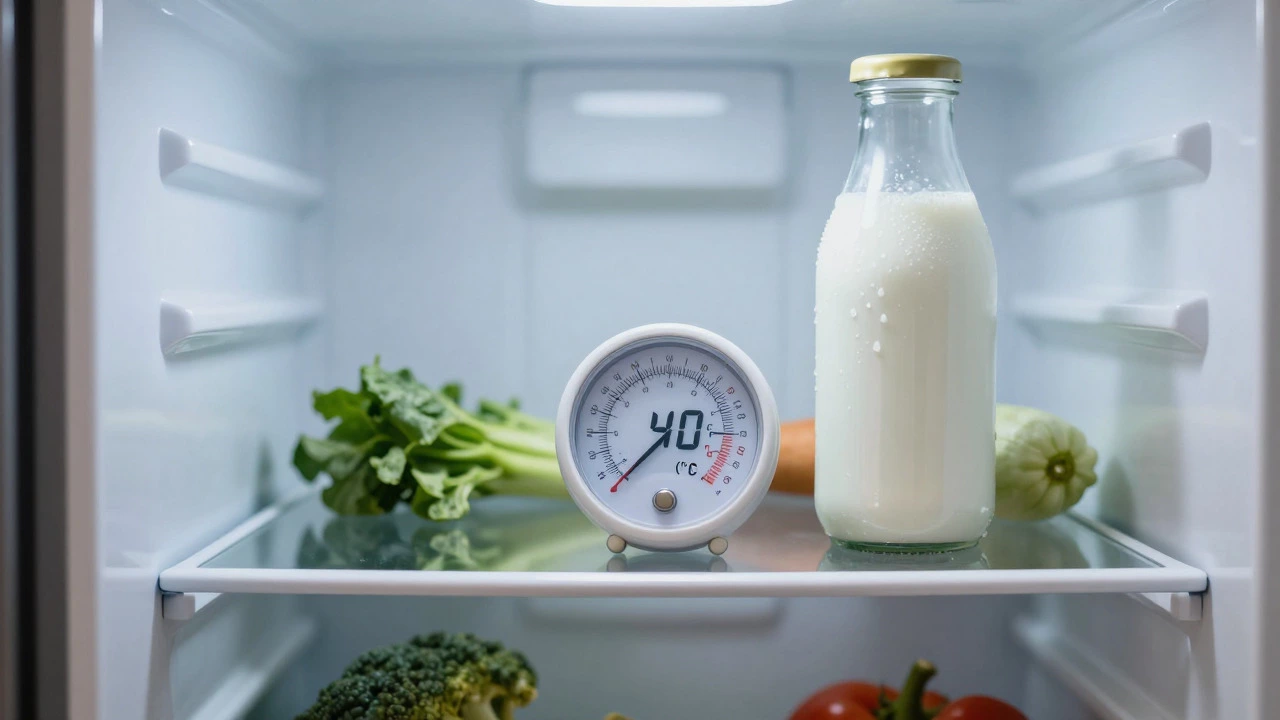
Learn how to tell when a refrigerator goes bad by spotting key signs like temperature drops, strange noises, and frost buildup. Discover when to repair vs. replace your fridge.
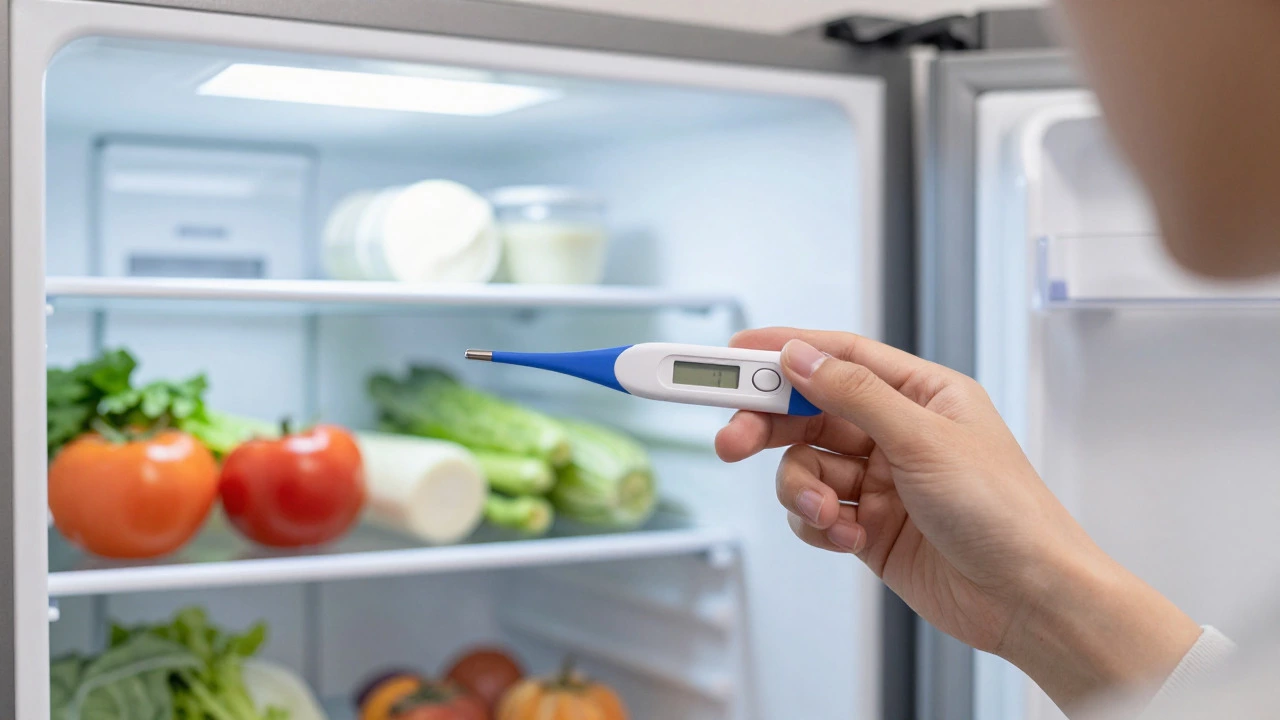
Is your fridge compressor dead? Learn how to diagnose compressor failure with simple heat, sound, and temperature tests. Save money on repairs by identifying the real issue.
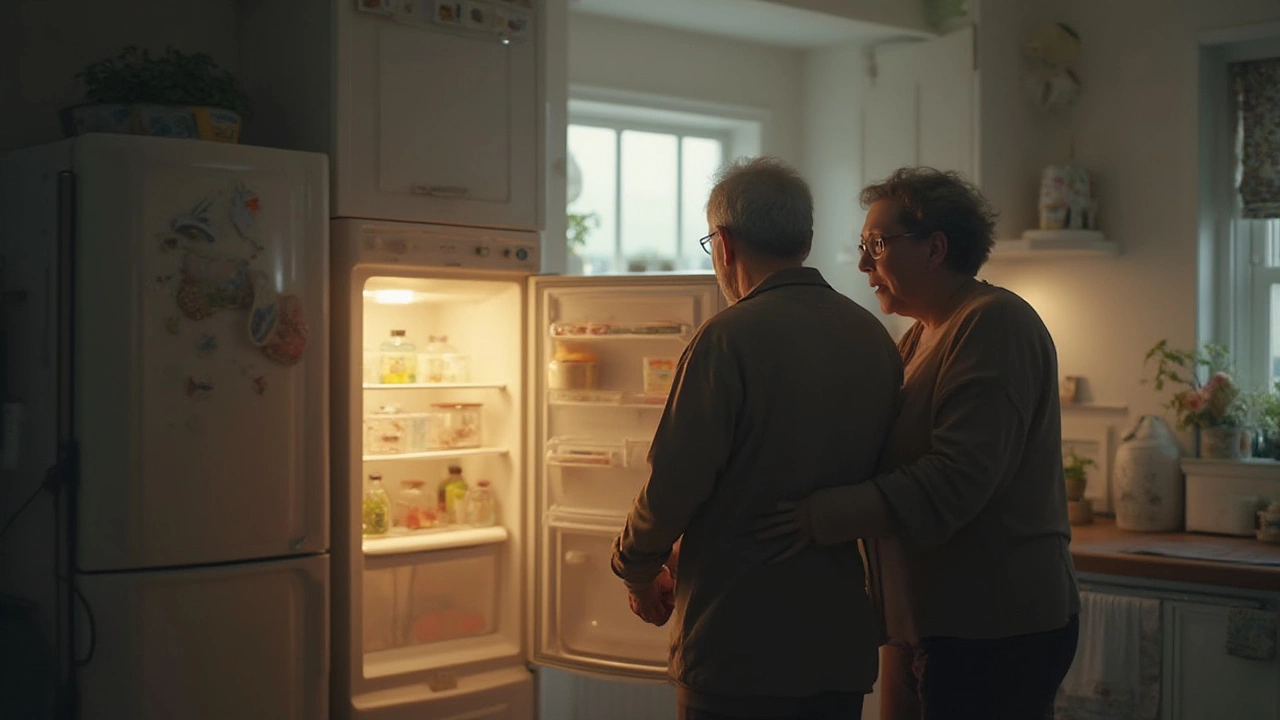
Fridge warm but the light works? Find out why your refrigerator isn’t cooling, common causes, fixes, and when to call in an expert. Easy troubleshooting tips inside.

A practical guide for diagnosing common refrigerator problems, spotting signs of faults, and fixing them at home with tips and real-world facts.

When your fridge stops cooling, it can be a real worry, especially with all that food at risk. Before you call the repairman, there are a few steps you can try yourself to bring your refrigerator back to life. From checking the thermostat settings to cleaning coils and examining door seals, you might find that a simple DIY fix does wonders. Understanding how these appliances work can also help prevent future hassles. This guide will walk you through the essential tips and tricks to get your fridge cooling again.

Curious if you can fix your dishwasher without calling a pro? This article breaks down the most common dishwasher problems and explains which repairs you can actually do yourself. We’ll cover how complicated these appliances really are, how to figure out what’s wrong, the tools you’ll need, and which jobs might leave you better off calling an expert. Get practical tips, interesting facts, and a clear picture of what you’re actually signing up for before grabbing that toolbox.
Is it worth repairing a 20-year-old boiler? Learn the costs of repair vs replacement, energy efficiency gains, and when to stop spending on old heating systems.
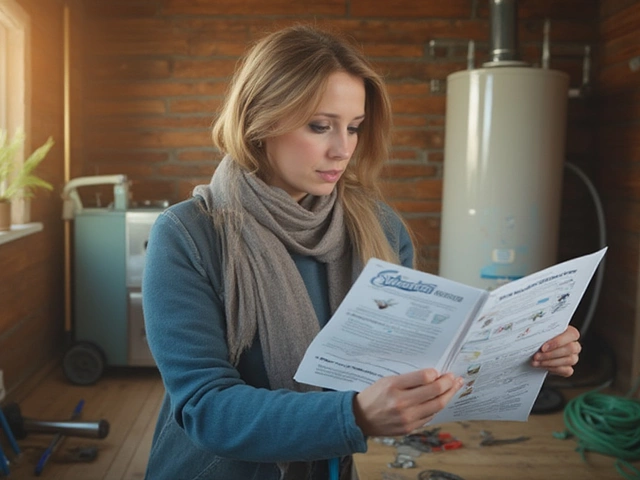
Wondering if you can flush your water heater yourself? Learn the step-by-step process, tools you'll need, and expert tips to extend your water heater's life.
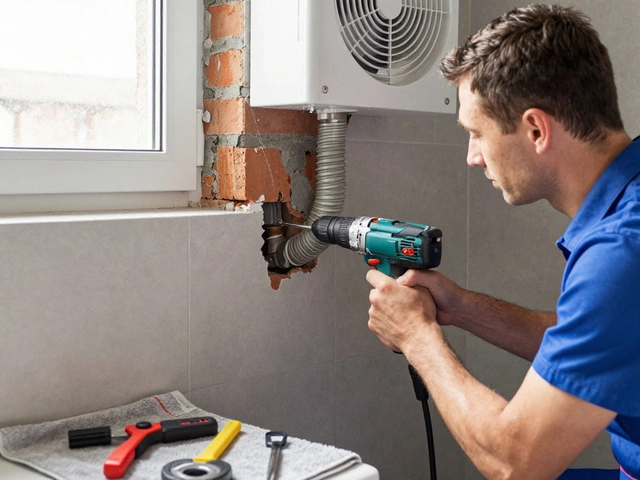
Can a plumber fit an extractor fan? While they can install the unit, only a qualified electrician can legally and safely handle the wiring. Learn what you need to know before hiring anyone.
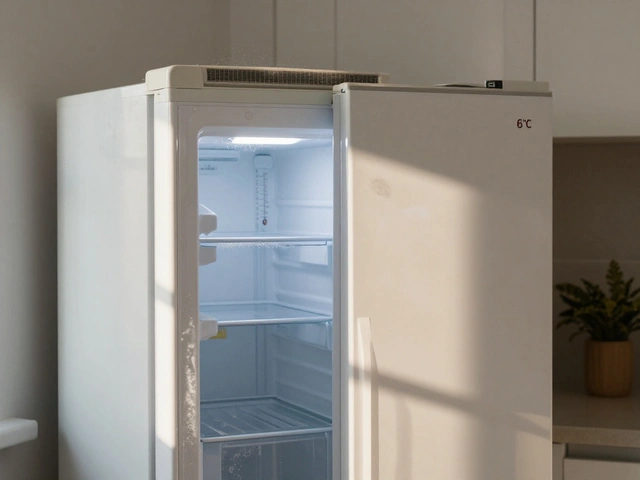
The average refrigerator lasts 13-17 years, but lifespan depends on maintenance, usage, and environment. Learn the signs it's failing, when to repair vs. replace, and how to make yours last longer.