Refrigerator Health Check
Is Your Fridge Dying?
Answer these questions to determine if your refrigerator needs immediate attention or replacement.
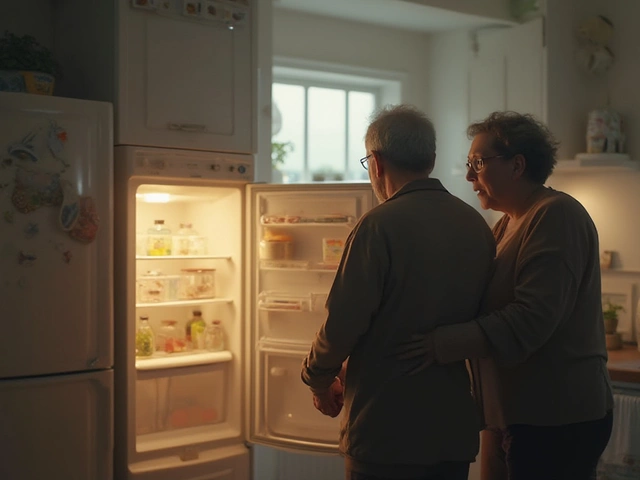
Your kitchen is quiet, but something feels off. The milk in the back of the shelf looks suspiciously warm, or maybe you hear a hum that sounds more like a struggle than a steady rhythm. We often ignore our refrigerators are essential household appliances designed to keep food fresh by maintaining low temperatures through a refrigeration cycle involving compressors, condenser coils, and evaporators. until they fail completely. But waiting for total breakdown usually means spoiled groceries and an expensive emergency repair bill.
Knowing how to tell when a refrigerator goes bad isn’t just about saving money; it’s about protecting your health and your wallet. Most fridges last between 10 and 20 years, depending on the brand and maintenance. However, performance issues can start creeping in long before the unit dies completely. By recognizing the early warning signs, you can decide whether a simple fix will do or if it’s time to upgrade.
The Temperature Test: Is It Cold Enough?
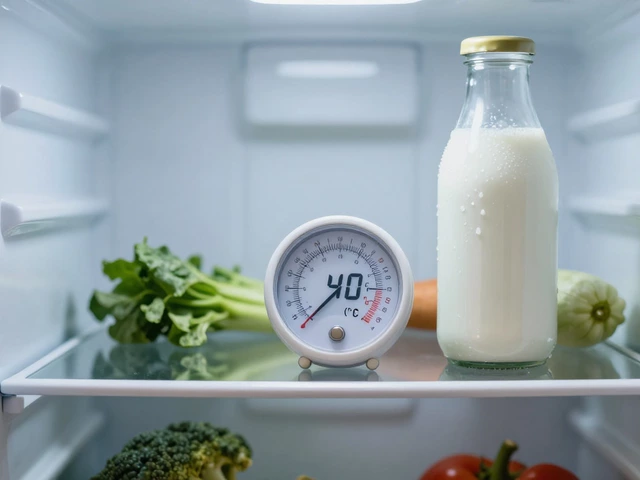
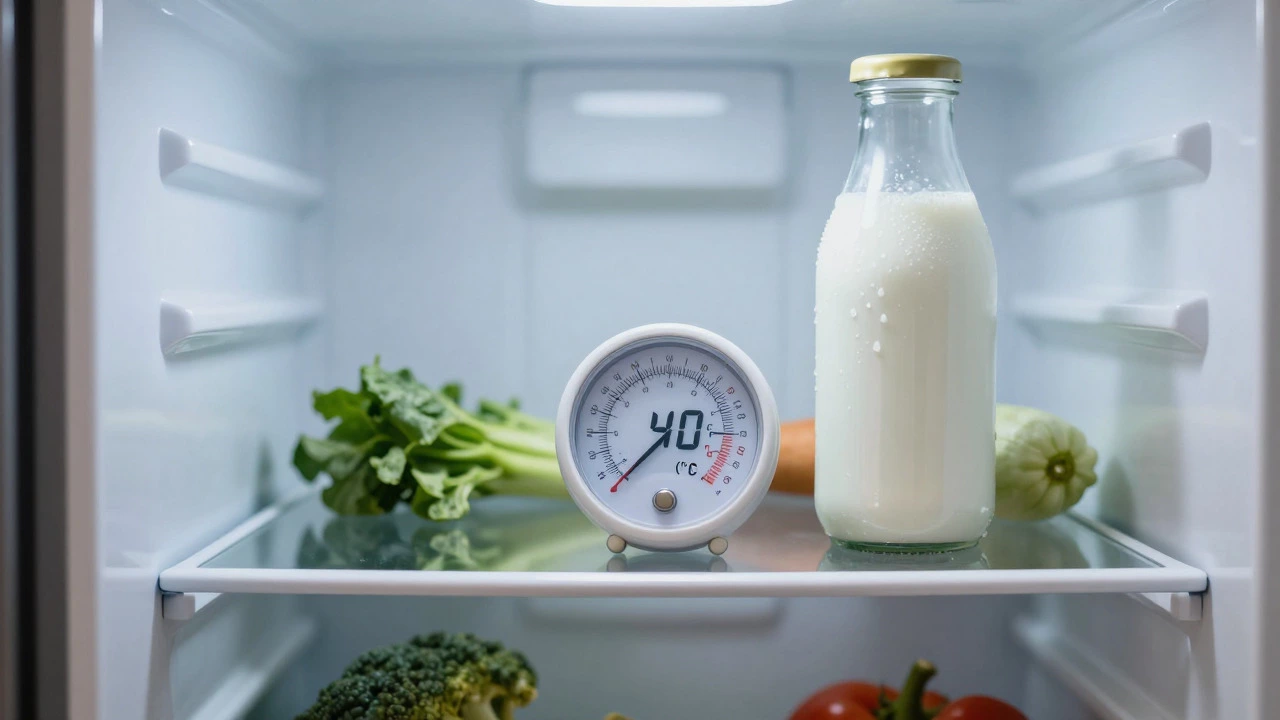
The most obvious sign that your fridge is struggling is temperature inconsistency. According to the USDA, your refrigerator should maintain a temperature at or below 40°F (4°C), while the freezer should stay at 0°F (-18°C). If you don’t have a built-in thermometer, grab a standalone one and place it in the middle of the fridge, away from the walls and door shelves where air circulation differs.
- Fridge above 40°F: Bacteria grow rapidly in this range. If your fridge consistently reads higher, your compressor might be failing, or you have a seal issue.
- Freezer above 0°F: Ice cream turning into soup? Your freezer fan could be broken, or the defrost system is malfunctioning.
- Fluctuating temps: If the temperature swings wildly throughout the day, your thermostat may be faulty, or the door gaskets are leaking cold air.
If adjusting the internal controls doesn’t stabilize the temperature within 24 hours, you’re likely looking at a mechanical failure rather than a user error.
Strange Noises: Decoding the Sounds
A healthy refrigerator makes noise. It clicks when the compressor starts, hums while running, and occasionally buzzes as ice melts during the defrost cycle. But new or worsening noises are red flags. Listen closely to identify the source.
| Noise Type | Possible Cause | Severity |
|---|---|---|
| Loud humming or buzzing | Dirty condenser coils or failing compressor | Moderate to High |
| Clicking repeatedly without starting | Bad start relay or capacitor | High |
| Gurgling or bubbling | Refrigerant leak or blocked capillary tube | Critical |
| Grinding or scraping | Faulty evaporator or condenser fan motor | High |
| Squealing | Worn-out bearings in the fan motor | Moderate |
If you hear grinding or loud buzzing, unplug the unit immediately to prevent further damage to the compressor. The compressor is the heart of the fridge; once it burns out, replacement costs often exceed the value of an older appliance.
Condensation and Moisture Issues
Water pooling around the base of your fridge or excessive sweating on the exterior surfaces indicates a problem with the defrost system or drainage. Inside, look for frost buildup on the back wall or between shelves. While some frost is normal in manual-defrost models, modern no-frost units should remain dry inside.
If you see water leaking from the front bottom edge, check the drain hole located at the back of the fridge compartment. A clogged drain line caused by food debris or mold is a common culprit. Clean it with warm soapy water or a mixture of vinegar and baking soda. If the leak persists after cleaning, the drain tube might be cracked or disconnected, requiring professional repair.
Door Seals and Gasket Integrity
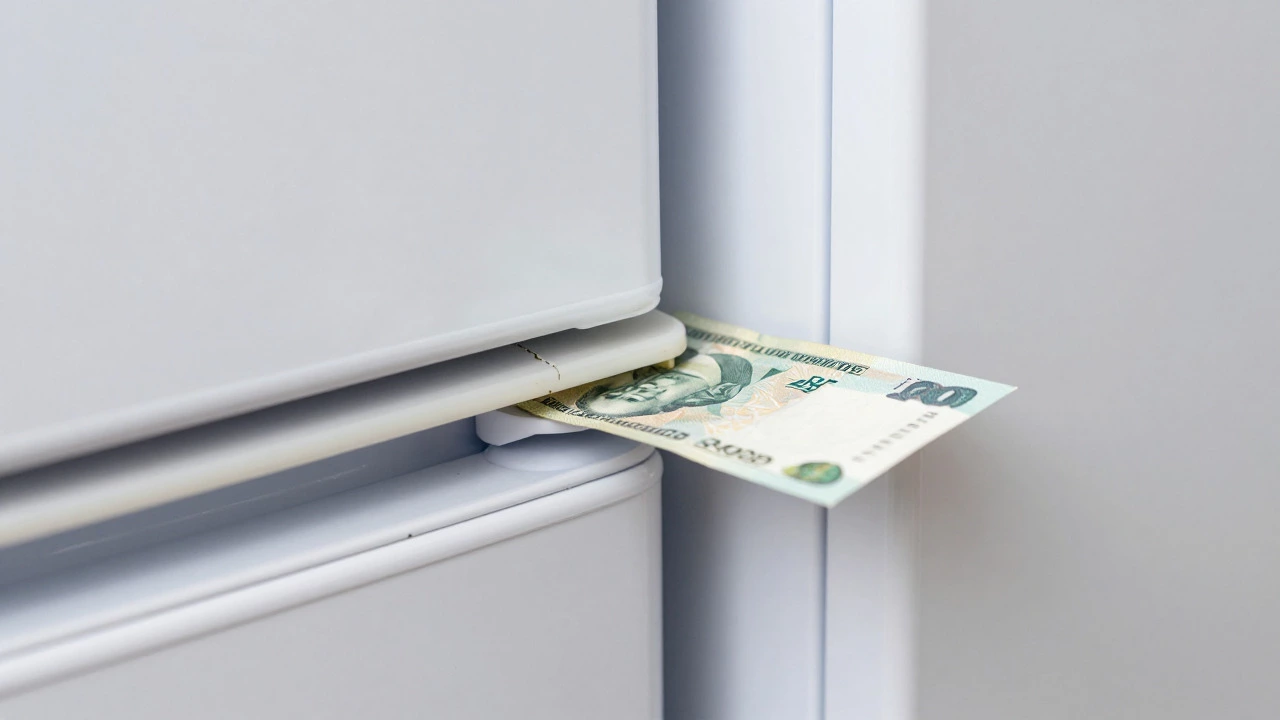
The rubber gaskets around your fridge doors create an airtight seal that keeps cold air in and warm air out. Over time, these seals degrade, crack, or become misaligned. To test them, close the door on a dollar bill. If you can pull the bill out easily without resistance, your seal is compromised.
Poor seals force the compressor to run continuously to maintain temperature, leading to higher energy bills and premature wear. You can often replace gaskets yourself for under $50. Look for visible tears, stiffness, or gaps where the door meets the frame. Cleaning the seals with mild soap can also restore flexibility if they’ve become sticky from food residue.
Excessive Frost Buildup
In frost-free models, ice shouldn’t accumulate beyond a thin layer on the evaporator coils behind the interior panels. If you notice thick frost forming on the back wall or spilling onto shelves, your defrost heater, thermostat, or timer may have failed. This condition restricts airflow, causing the fridge to work harder and eventually overheat.
For manual-defrost units, frequent heavy frosting suggests a door seal issue or too many open/close cycles. If you find yourself defrosting more than twice a year, investigate the root cause before the ice blocks the vents entirely.
Age and Energy Efficiency Decline
Even if your fridge seems to function, its age matters. Units older than 10-15 years use significantly more electricity than modern ENERGY STAR-certified models. Check your energy bill trends. If your consumption has risen steadily despite unchanged usage patterns, your fridge might be losing efficiency due to worn components.
Consider the cost-benefit analysis. Repairing a 15-year-old fridge with a $300 compressor fix might make sense if the rest of the unit is solid. But if multiple systems are failing-seals, fans, thermostat-the cumulative cost approaches buying a new, efficient model. Newer fridges also offer better humidity control, smart diagnostics, and quieter operation.
When to Call a Professional vs. Replace
Not every symptom warrants a full replacement. Here’s a quick decision guide:
- Repairable Issues: Clogged drains, dirty coils, faulty thermostats, worn gaskets, and minor fan replacements. These fixes typically cost between $100-$300.
- Replace Considerations: Compressor failure, Freon leaks, repeated repairs within two years, or units over 15 years old. Replacement costs for major components often exceed $500, making new purchases more economical.
If your fridge is still under warranty, contact the manufacturer first. For out-of-warranty units, get quotes from certified technicians. Ask specifically about labor rates and parts availability. Some brands discontinue support for older models, leaving you stranded without genuine parts.
How long does a typical refrigerator last?
Most refrigerators last between 10 and 20 years. Basic top-freezer models tend to outlast side-by-side or French door units due to simpler mechanics. Regular maintenance, like cleaning coils and checking seals, can extend lifespan by several years.
Is it worth repairing an old fridge?
If the repair cost exceeds half the price of a new unit, or if the fridge is over 15 years old, replacement is usually smarter. Older models consume more energy, so a new ENERGY STAR fridge pays for itself through lower utility bills within 3-5 years.
What causes a fridge to stop cooling suddenly?
Sudden loss of cooling often points to compressor failure, a blown fuse, or a tripped circuit breaker. Check your home’s electrical panel first. If power is fine, listen for the compressor trying to start. Clicking without startup indicates a bad start relay, which is inexpensive to replace.
Can I clean the condenser coils myself?
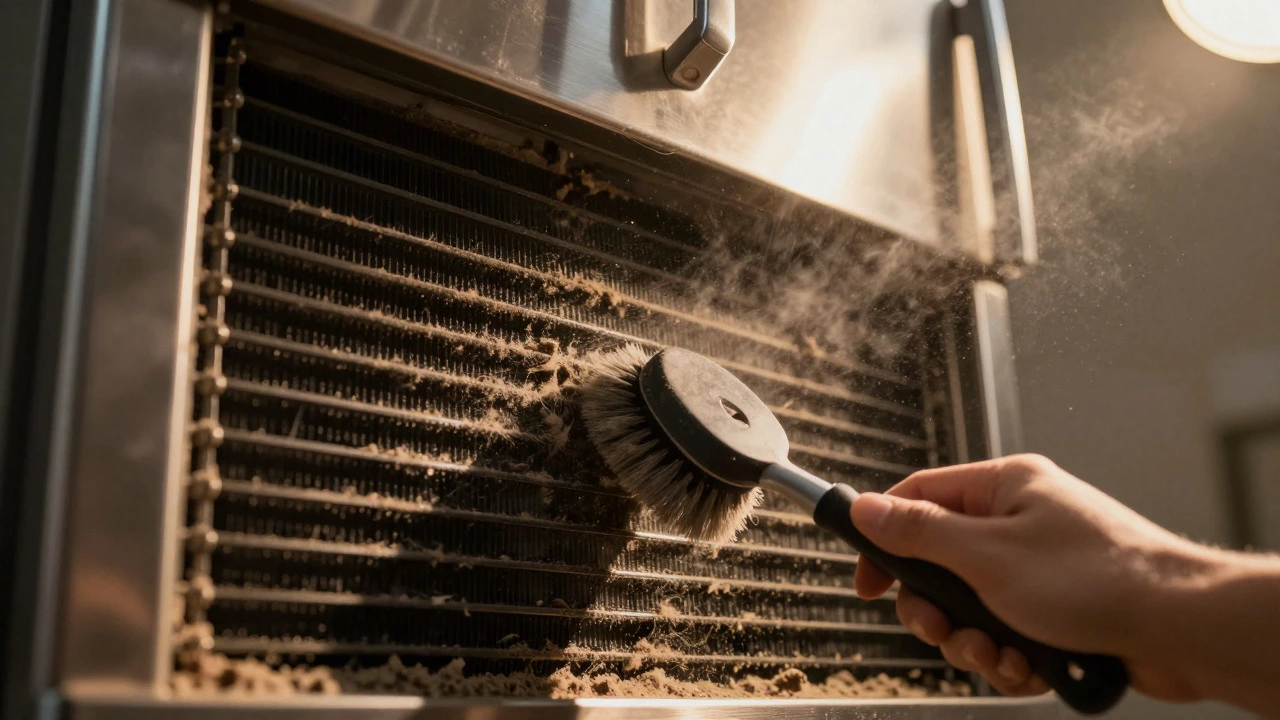
Yes. Unplug the fridge, pull it away from the wall, and use a coil brush or vacuum attachment to remove dust and pet hair from the coils located at the back or beneath the unit. Dirty coils reduce efficiency by up to 30%, forcing the compressor to work harder.
Why is my fridge making a loud buzzing noise?
Loud buzzing usually comes from the compressor struggling due to dirty coils or low refrigerant. It can also indicate a failing start relay. If the buzzing is accompanied by poor cooling, call a technician promptly to avoid compressor burnout.