Freezer Power Outage Food Safety Checker
Assess Your Freezer Situation
Don't Panic: Your Food Might Be Safe
You open the freezer door, expecting that familiar frosty chill. Instead, you hit a wall of warm air. The compressor is silent. The light might even be on, but the cold is gone. Your heart sinks. You think about all that frozen chicken, the ice cream your kids love, and the leftovers you were saving for later. Is it all ruined? Do you have to throw hundreds of pounds worth of groceries into the bin?
The short answer is: maybe not. In fact, if you act quickly and check the right things, you might save most of it. Freezer failure is stressful, but it doesn't automatically mean total loss. The key factor here is time. How long has the power been out? Has the door stayed shut? And what exactly is inside?
Before you start tossing items, take a breath. We need to look at the science of freezing, how long food actually lasts without power, and exactly which items are safe to eat versus which ones are a health risk. This guide will help you make those decisions confidently so you don't waste money or risk getting sick.
The Golden Rule: Touch, Don't Guess
The biggest mistake people make when a freezer dies is guessing based on how much time has passed since the power went out. While time matters, the actual state of the food matters more. You cannot rely on your eyes alone. Ice crystals can still be present in meat that has warmed up enough to become unsafe. Conversely, some foods might feel soft but are still perfectly fine.
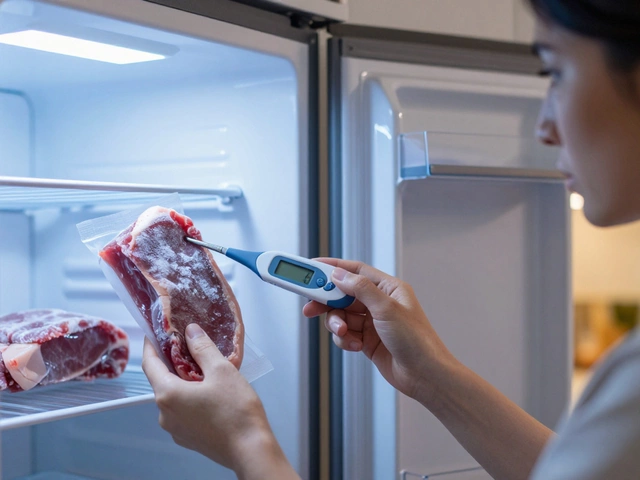
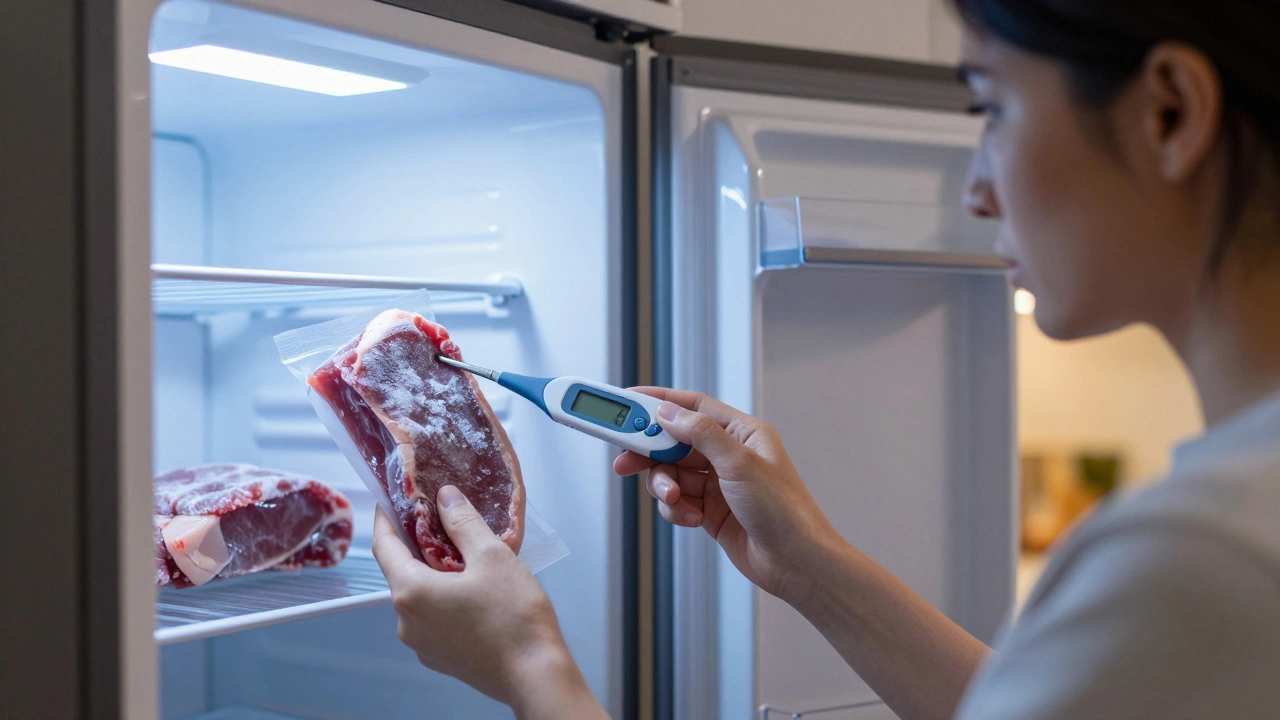
Here is the rule of thumb used by food safety experts in the UK and elsewhere: If the food still contains ice crystals or is at 40°F (4°C) or below, it is generally safe to refreeze. You can check this with a thermometer, but if you don't have one handy, use the touch test. Feel the package. Does it feel like it's sitting in a block of ice? Are there visible frost patches inside the packaging? If yes, you are likely in the clear.
If the food feels completely soft, slushy, or warm, you need to be more careful. Some items can be cooked immediately, while others must be discarded. Let's break down how different types of food react to a power outage.
How Long Does Food Last Without Power?
Understanding the timeline helps you gauge the situation. A full freezer will keep its temperature for approximately 48 hours if the door is kept closed. A half-full freezer will last about 24 hours. These numbers assume an average ambient room temperature. If you live in a hot part of Bristol during a summer heatwave, these times shrink significantly.
Why does a full freezer last longer? It’s simple physics. Frozen food acts as insulation. The mass of the frozen items holds the cold energy. When the compressor stops, that stored cold keeps the surrounding air cool for a while. If you have empty space, there is less thermal mass to hold the temperature down.
- Full Freezer: Up to 48 hours (door closed).
- Half-Full Freezer: Up to 24 hours (door closed).
- Refrigerator Section: About 4 hours (door closed).
Note that these are maximums. If you opened the door frequently to check on things, you lost precious cold air every time. Keep the door shut as much as possible until you are ready to assess everything.
What to Keep and What to Toss: A Breakdown
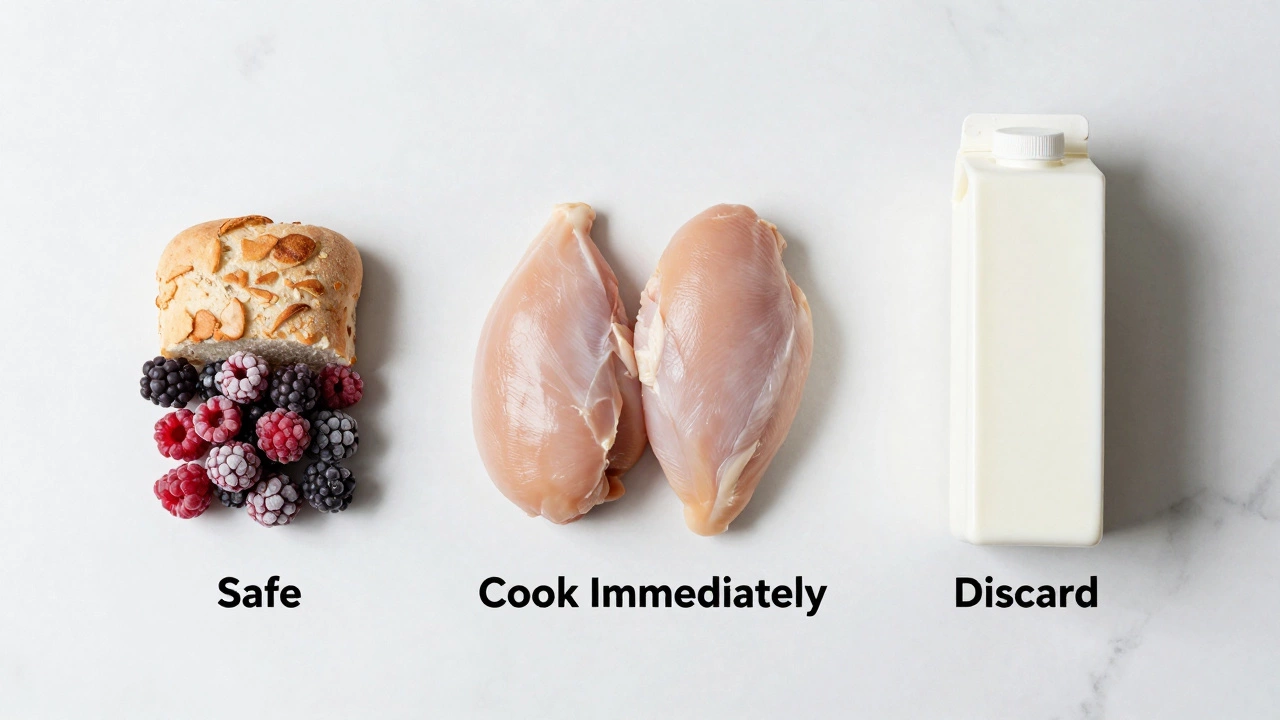
Not all food reacts to thawing in the same way. We can categorize your freezer contents into three groups: Safe to Refreeze, Cook Immediately, and Throw Away.
1. Safe to Refreeze
If these items still have ice crystals or are very cold to the touch, you can put them back in the freezer once power is restored. Their quality might drop slightly (texture changes), but they are safe.
- Ice cream (if partially melted, stir and refreeze; if fully liquid, discard).
- Frozen fruits and vegetables.
- Bread and dough.
- Hard cheeses (they may crumble but are safe).
- Butter and margarine.
2. Cook Immediately
These items are safe to eat if you cook them thoroughly right now. Do not refreeze them after cooking unless you plan to eat them within a few days. Cooking kills bacteria that may have started to grow during the thaw.
- Raw meat, poultry, fish, and seafood.
- Ground meats (burgers, mince).
- Ready-to-eat cooked meats (lasagna, casseroles).
- Eggs (if cracked or raw in shell, check carefully).
3. Throw Away
When in doubt, throw it out. These items are high-risk because bacteria can produce toxins that cooking won't destroy, or they spoil too quickly to be safe.
- Dairy products (milk, yogurt, soft cheese) if they have been above 40°F for more than 2 hours.
- Leftovers containing perishable ingredients (mayo-based salads, pasta salad).
- Opened jars of jam or pickles if they were stored in the freezer for preservation (rare, but happens).
- Any food with an off odor, color, or slimy texture.
The Danger Zone: Why Temperature Matters
You’ve probably heard of the "Danger Zone." This is the temperature range between 40°F (4°C) and 140°F (60°C). Bacteria grow rapidly in this range. The goal of a refrigerator or freezer is to keep food out of this zone entirely.
When your freezer stops working, the temperature rises slowly. Once it hits 40°F, the clock starts ticking. Most pathogens double in number every 20 minutes in ideal conditions. That’s why the two-hour rule exists. If perishable food sits in the danger zone for more than two hours, the bacterial load can reach dangerous levels.
This is particularly critical for raw poultry and seafood. Salmonella and Listeria are serious threats. Even if you cook the chicken later, some bacteria produce heat-stable toxins. Cooking kills the bacteria, but it doesn't neutralize the toxin. This is why you should never refreeze thawed meat unless you cook it first, and even then, only if it was still cold when you found it.
Signs Your Food Has Gone Bad
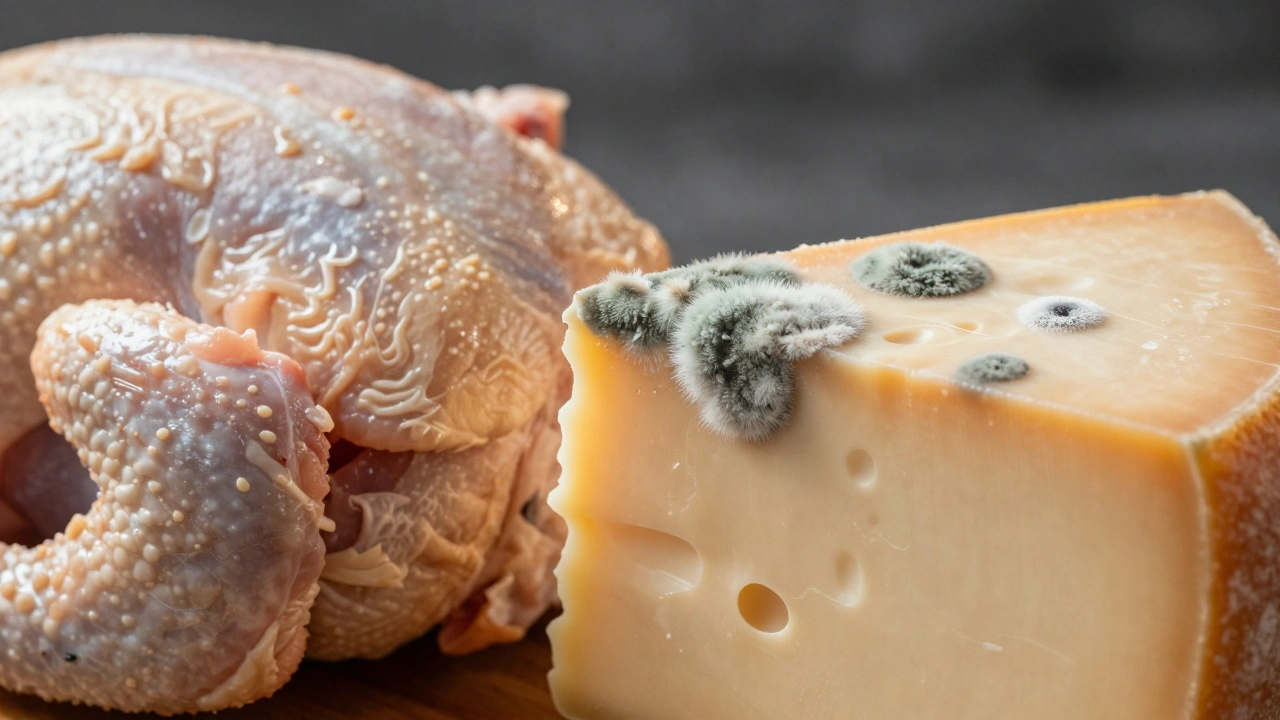
Sometimes, the visual and olfactory cues are obvious. Trust your senses. If something smells sour, yeasty, or just "off," do not taste it to confirm. Just toss it. Here are specific signs to look for:
- Slime: A sticky or slimy film on meat or fish is a sign of bacterial growth.
- Discoloration: Meat turning grey or brown, or vegetables looking mushy and dark.
- Odor: Any unusual smell. Fresh meat should have little to no smell. Sour milk smells distinctively bad.
- Mold: Visible mold on bread, cheese, or fruit. Note: You can cut mold off hard cheese and hard salami, but not soft cheeses or porous foods like bread.
If you are unsure about an item, ask yourself: "Would I feed this to my child or elderly parent?" If the answer is no, throw it away. The cost of replacing a pack of sausages is far less than the cost of a hospital visit for food poisoning.
What To Do Next: Emergency Steps
Once you've sorted through the food, you need to address the appliance itself. A freezer repair might be simple, or it might require a professional. Here is your action plan:
- Check the Thermostat: Sometimes the setting accidentally gets bumped. Ensure it is set to 0°F (-18°C) or lower.
- Inspect the Door Seal: Close the door on a piece of paper. If you can pull the paper out easily, the seal is broken. Cold air escapes, causing the compressor to work harder and eventually fail.
- Listen for Sounds: Is the fan running? Is the compressor humming? Silence often indicates a capacitor or motor issue. Clicking sounds might mean the compressor is trying to start but failing.
- Check for Frost Buildup: If you have a manual defrost freezer, thick ice buildup can insulate the coils and stop cooling. Defrost it completely.
- Contact a Professional: If basic checks don't fix it, call a technician. In Bristol, many local services offer emergency repairs. Explain the symptoms clearly to get an accurate quote.
While waiting for repair, consider using dry ice to keep the freezer cold if you have large amounts of food to preserve. Or, transfer items to a neighbor's freezer or a cooler with plenty of ice packs.
Preventing Future Failures
Now that you've survived this scare, how do you prevent it from happening again? Regular maintenance goes a long way.
- Keep it Full: As mentioned, a full freezer retains cold better. Use water jugs to fill empty spaces.
- Clean the Coils: Dust buildup on the condenser coils (usually at the back or bottom) makes the unit work harder. Vacuum them every six months.
- Monitor Temperature: Keep a standalone thermometer in the freezer. Check it monthly. If it reads higher than 0°F, adjust the dial or call for service before a total failure occurs.
- Invest in a Backup: Consider a small UPS (Uninterruptible Power Supply) for your fridge/freezer if you live in an area with frequent power fluctuations. It won't run the compressor for long, but it gives you time to react.
Food waste is a huge issue in the UK. By understanding how your appliances work and how food behaves under stress, you can minimize waste and protect your family's health. Don't let fear drive your decisions-let facts and common sense guide you.
Can I refreeze food that has thawed?
Yes, but only if it still contains ice crystals or is at 40°F (4°C) or below. If it has fully thawed and warmed up, you must cook it thoroughly before refreezing. Never refreeze raw meat that has been in the danger zone for more than two hours.
How long does a full freezer stay cold without power?
A full freezer will keep food safe for approximately 48 hours if the door remains closed. A half-full freezer will last about 24 hours. These times decrease if the room temperature is high or if the door is opened frequently.
Is it safe to eat ice cream that has melted and refrozen?
If the ice cream has partially melted and still has ice crystals, you can stir it and refreeze it. However, the texture will likely be grainy. If it has completely turned to liquid, it is best to discard it due to potential bacterial growth and poor quality.
What should I do if my freezer stops working suddenly?
First, keep the door closed to retain cold. Check the thermostat and power supply. Then, assess the food using the touch test for ice crystals. Sort items into keep, cook, or toss categories. Finally, contact a repair technician if the unit does not restart.
Can bacteria survive in frozen food?
Bacteria do not die in frozen food; they become dormant. When the food thaws, the bacteria can become active again. This is why proper thawing methods (in the fridge, not on the counter) are crucial to prevent rapid bacterial growth.