Gas Appliance Lifespan & Replacement Calculator
Appliance Details
Analysis Result
Recommendation:
That strange clicking sound from your boiler or the uneven flame on your hob might just be age catching up with your equipment. But how long should you actually expect a gas appliance to last before it becomes a safety hazard or an energy drain? There is no single answer because a gas fire and a commercial-grade oven have very different lifespans. However, knowing the average numbers helps you plan your budget and, more importantly, keeps your home safe.
In the UK, where we rely heavily on gas for heating and cooking, understanding these timelines is crucial. It’s not just about when the machine breaks; it’s about when it stops being efficient and starts becoming dangerous. Let’s break down what to expect from each major type of gas device in your home.
The Central Hub: Gas Boilers
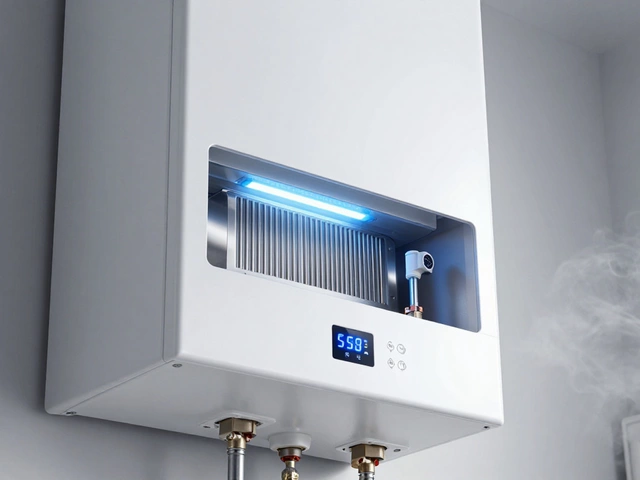
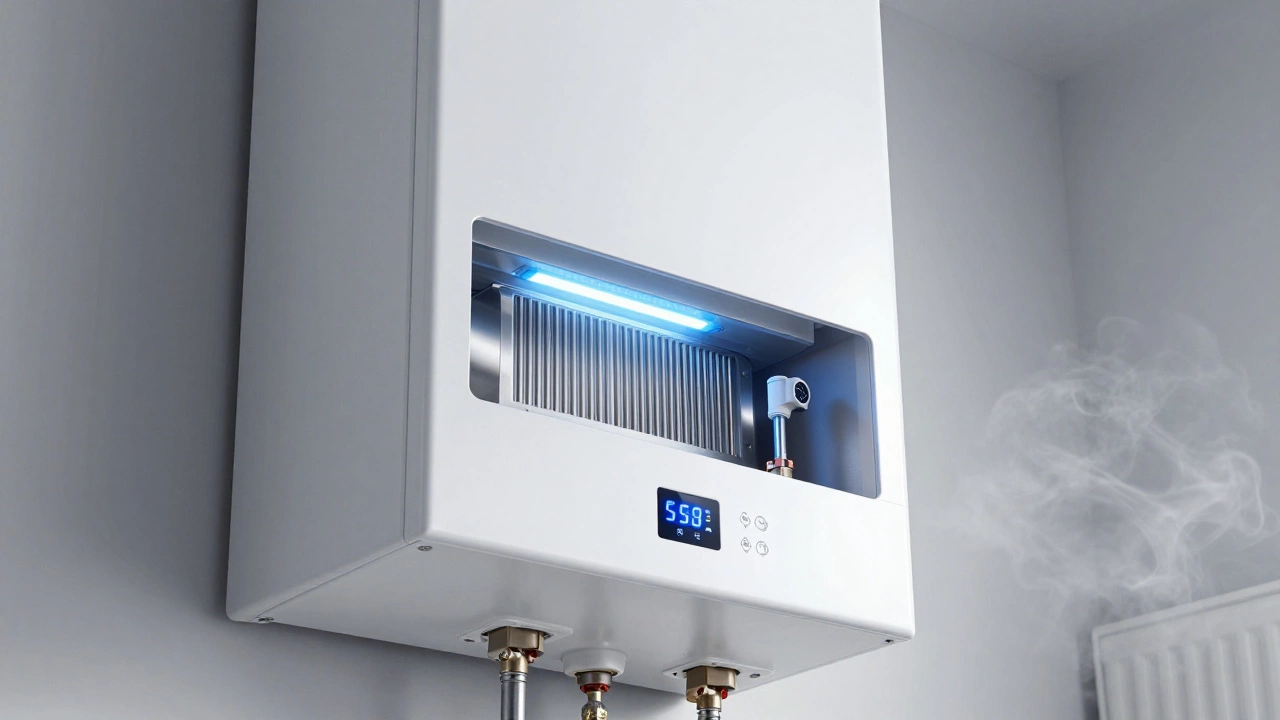
Your boiler is likely the most significant gas investment in your property. It works hard every day, burning fuel to heat water and air. Because of this constant stress, its lifespan is finite.
Why does this range exist? A basic non-condensing boiler from the early 2000s might still be ticking along at year 14, but its efficiency has likely dropped below 70%. Modern condensing boilers, which capture waste heat from exhaust gases, are built with better materials like stainless steel heat exchangers. These can handle the thermal shock of daily cycling much better than older cast iron models.
If your boiler is over 10 years old, you aren't just risking a breakdown. You're paying more for gas. An inefficient boiler can cost hundreds of pounds extra per year in wasted energy. Plus, older models may lack modern safety features like automatic ignition and oxygen depletion sensors.
Kitchen Workhorses: Hobs, Ovens, and Cookers
Kitchen appliances face a different kind of wear and tear. They deal with grease, spills, and intense heat spikes rather than continuous low-level operation. This affects their longevity significantly.
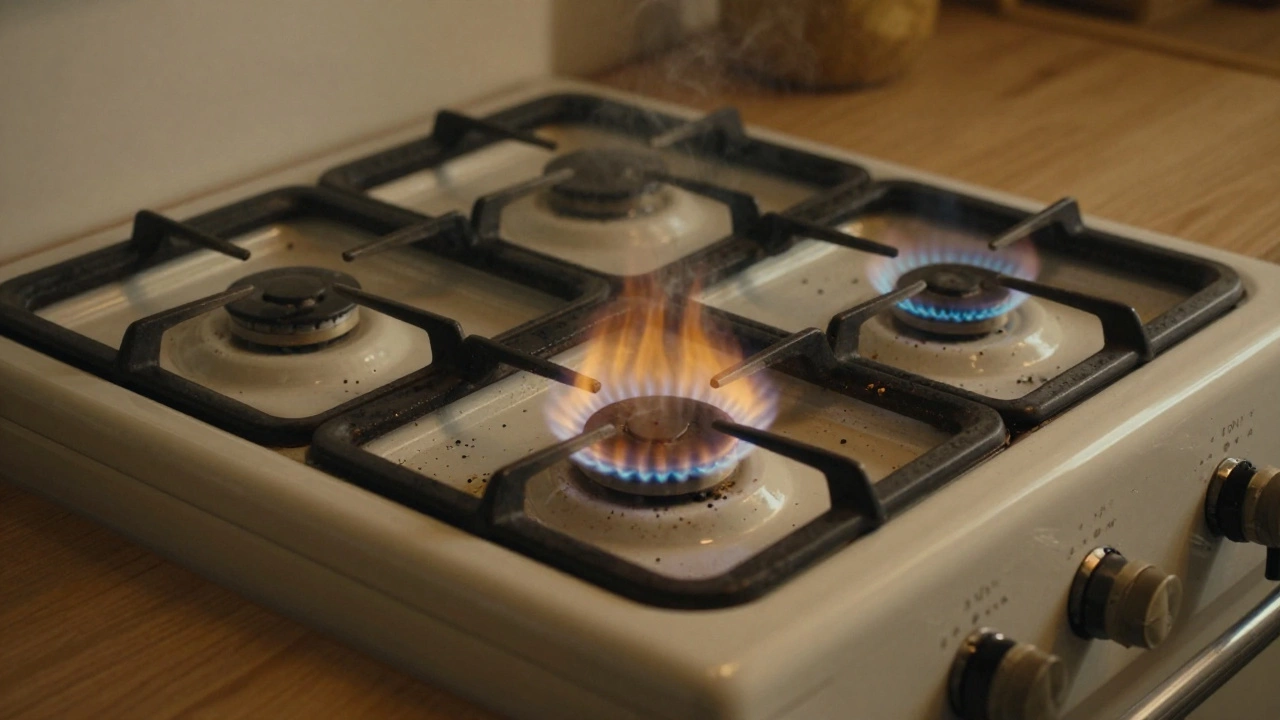
- Gas Hobs: These are surprisingly durable. With regular cleaning of the burner jets (which get clogged by food debris), a good quality gas hob can last 15 to 20 years. The enamel surface might chip, and the knobs might stick, but the gas valves often outlast the rest of the unit.
- Gas Ovens: Expect 10 to 15 years. The door seals degrade over time, leading to heat loss. If you notice the outside of the oven getting hotter than usual, the insulation is failing. Also, check the pilot light or electronic ignition system; if it struggles to light, the igniter is worn out.
- All-in-One Cookers: These usually fall into the 10-12 year range. Because they combine complex electronics for the oven with mechanical gas controls for the hob, one part often fails before the other, forcing a full replacement.
A quick tip: if your gas hob flames are yellow instead of blue, it’s not necessarily age-it’s incomplete combustion. Clean the ports first. If it persists, call a pro. Yellow flames mean carbon monoxide risk.
Comfort Heating: Fires and Radiators
Gas fires, whether inset or flueless, serve a decorative and supplemental heating role. Their lifespan depends heavily on usage patterns. A fire used only in winter will last longer than one running daily all year.
Flueless gas fires are particularly tricky. They don’t vent exhaust outside, so they consume indoor oxygen and release moisture. Over time, the catalyst converter inside needs replacing. If neglected, these units become hazardous. Always ensure your flueless fire is serviced annually by a registered engineer.
Inset fires, which connect to a chimney breast, are generally safer and last longer because the exhaust leaves the house. However, the ceramic logs crack over time. Cracked logs disrupt airflow and create uneven burning. Replacing the log set is cheap and extends the fire’s life by several years.
The Hidden Factor: Maintenance vs. Neglect
Here is the truth: a well-maintained appliance lasts twice as long as a neglected one. Most people wait until something breaks to call for help. That’s too late.
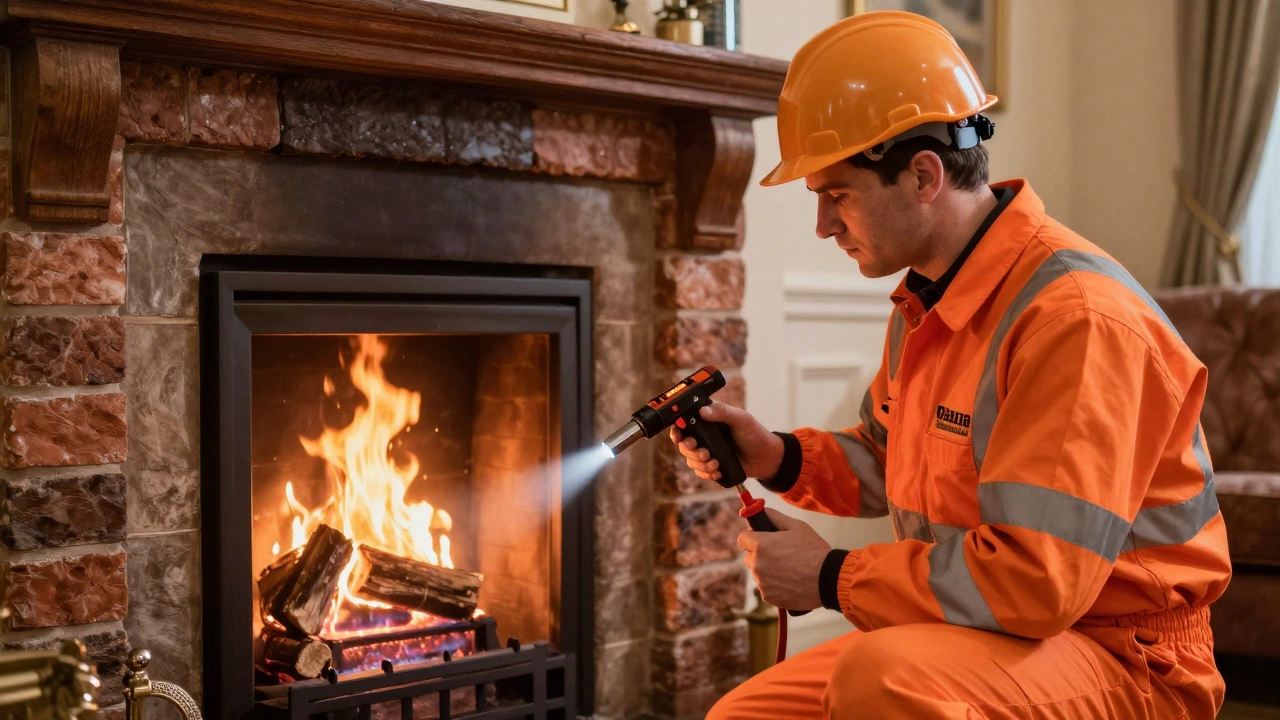
Annual servicing isn't just a box-ticking exercise for insurance companies. During a service, a Gas Safe Registered Engineer checks for:
- Carbon Monoxide Leaks: Using specialized detectors to ensure combustion is clean.
- Heat Exchanger Cracks: Micro-fractures that let gas escape into the room.
- Blocked Flues: Bird nests or debris preventing exhaust from leaving.
- Pressure Levels: Ensuring the system isn't working harder than necessary.
Skipping even two years of servicing can reduce your boiler's life by three to five years. The cost of a service (£60-£90) is tiny compared to the cost of a new boiler (£2,500+).
Signs Your Appliance Is Ready for Retirement
Don't guess. Look for these concrete signs that your gas appliance has reached the end of its road:
| Symptom | What It Means | Action Required |
|---|---|---|
| Frequent Repairs | Components are wearing out simultaneously | Consider replacement if repair costs exceed 50% of new unit price |
| Rising Energy Bills | Efficiency has dropped significantly | Get an efficiency test; replace if below 85% |
| Noisy Operation | Limescale buildup or pump failure | Service immediately; if noise persists after service, replace |
| Yellow Flames | Incomplete combustion / Carbon Monoxide risk | Stop use immediately and call Gas Safe engineer |
| Water Leaks | Corroded pipes or failed seals | Replace; leaks cause structural damage and mold |
Regional Considerations: Bristol and Beyond
Living in places like Bristol, where winters are damp and cold, puts extra strain on heating systems. Older properties with solid walls and poor insulation make boilers work overtime. In such homes, a boiler might feel "old" at 12 years because it's been running near maximum capacity constantly.
Also, local water hardness matters. In areas with hard water, limescale builds up faster in boilers and kettles. This reduces heat transfer and forces the pump to work harder. If you live in a hard water area, consider installing a scale inhibitor or magnetic filter. It’s a small addition that can add 3-5 years to your boiler’s life.
When to Replace vs. When to Repair
This is the biggest decision homeowners face. Here’s a simple rule of thumb:
If your appliance is under 10 years old and the repair cost is less than £200, fix it. If it’s over 12 years old and the repair is more than £150, replace it. Why? Because another failure is likely coming soon. You’ll spend the same money twice.
Additionally, check the availability of parts. Manufacturers stop producing spare parts for models discontinued 10+ years ago. If you’re waiting weeks for a valve, you’re freezing or cooking with candles. Newer models have readily available parts and better warranties.
Future-Proofing Your Home
As we move toward net-zero targets, gas appliances are evolving. Hybrid systems that combine gas boilers with heat pumps are becoming common. If you’re replacing an old boiler now, choose a model compatible with future upgrades. Look for modulating burners and smart thermostat compatibility. These features allow your system to adjust output precisely, saving energy and reducing wear.
Remember, technology moves fast. A boiler bought today will look outdated in 15 years. But buying a mid-range, reliable unit now gives you peace of mind and efficiency gains for the next decade. Don’t chase the latest gimmicks; focus on reliability and serviceability.
How do I know if my gas boiler is leaking carbon monoxide?
You cannot smell, see, or hear carbon monoxide. Symptoms include headaches, nausea, dizziness, and fatigue. If you experience these symptoms at home, leave immediately and call emergency services. Install CO alarms near every gas appliance and test them monthly. A faulty boiler often shows yellow flames or soot around the unit, which are visible warning signs.
Is it worth repairing a 15-year-old gas cooker?
Usually, no. At 15 years, most components are nearing failure. Replacement parts may be unavailable. A new gas cooker offers better efficiency, safety features, and warranty coverage. Unless it’s a high-end professional model, the cost of repair rarely justifies keeping an old unit.
Can I extend the life of my gas fire?
Yes. Annual servicing is essential. Keep the glass front clean to prevent overheating. Replace cracked ceramic logs promptly. Ensure the room is well-ventilated, especially for flueless models. Avoid covering vents or placing furniture too close to the unit.
What is the Gas Safe Register and why does it matter?
The Gas Safe Register is the official UK body for gas safety. Only engineers listed on the register are legally allowed to work on gas appliances. Using an unregistered engineer voids your insurance and risks serious injury or death. Always check their ID card before allowing work to begin.
Do gas hobs need annual servicing?
While not legally required like boilers, annual servicing is highly recommended. Grease and food particles block burner jets, causing inefficient burning and potential carbon monoxide production. A quick check ensures the gas supply lines are intact and connections are tight.