
Water Heater Installation Timeline Estimator
Select Your Scenario
Estimated Duration
You’re standing in the shower, and suddenly the water turns ice-cold. Your hot water heater has given up the ghost. Now you have one burning question: how long is this going to take? You can’t just guess because your schedule depends on it. Will you be without hot water for an hour, or are we talking about a two-day ordeal?
The short answer is that replacing a standard tank water heater usually takes between 2 and 6 hours. However, swapping out a unit for a completely different type-like going from a tank to a tankless system-can easily stretch into a full day or more. The clock starts ticking the moment the plumber arrives, but several hidden factors can slow things down.
Factors That Dictate the Replacement Timeline
Not all jobs are created equal. A straightforward swap of a like-for-like unit is quick. But if your home’s infrastructure hasn't been updated in decades, you might face delays. Here is what actually moves the needle on the timeline.
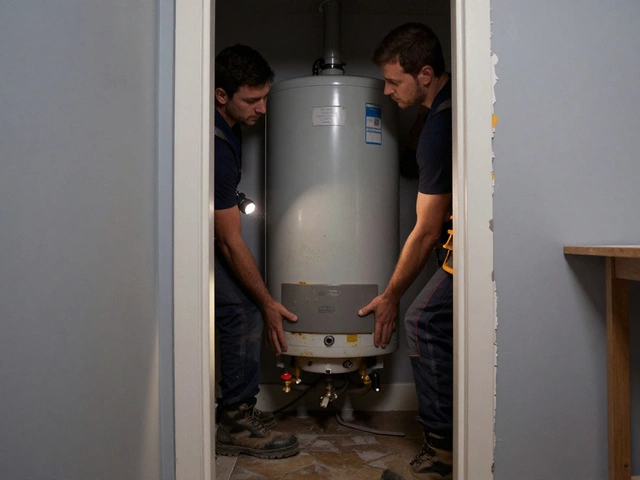
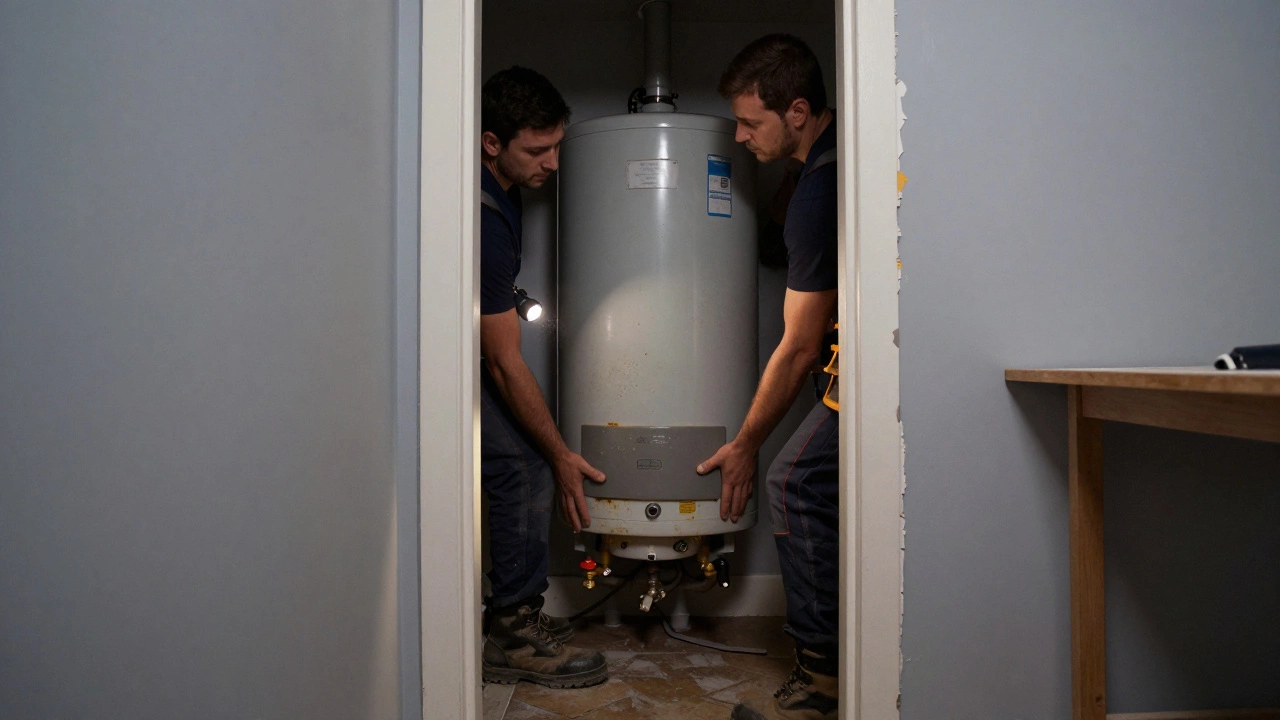
Access and Location is the physical space available around the water heater unit. If your water heater sits in a spacious basement with wide doorways, the crew will work fast. If it’s tucked inside a cramped closet, behind a wall, or located in an attic with low ceilings, they need extra time to maneuver the heavy old unit out and the new one in. Removing a 120-pound steel tank through a narrow doorway requires careful disassembly of surrounding drywall or trim, which adds significant labor time.
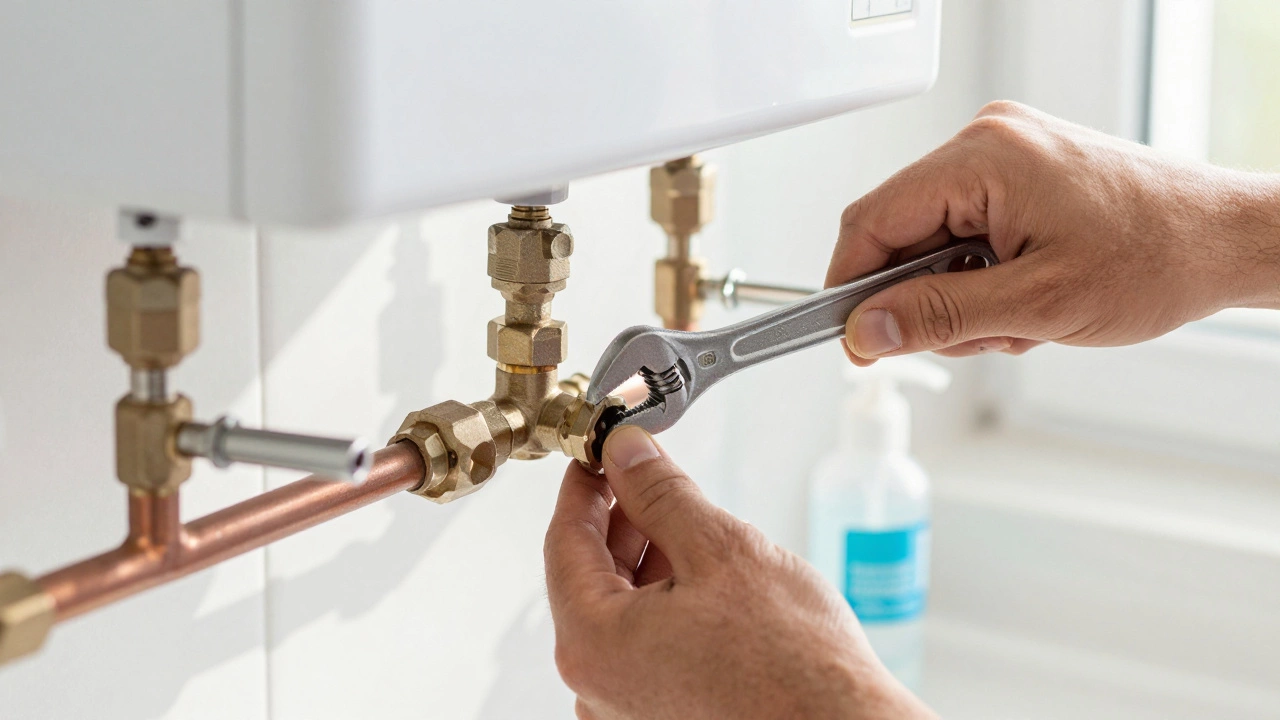
Piping Condition is the state of the copper, PEX, or galvanized pipes connected to the heater. Older homes often use rigid copper pipes that are difficult to disconnect without damaging threads. Galvanized steel pipes may be corroded shut, requiring the plumber to cut them rather than unscrew them. This means soldering new fittings or installing adapters, which extends the job by at least an hour.
Ventilation Requirements is the exhaust system needed for gas-powered units to remove combustion gases safely. Gas water heaters require proper venting to prevent carbon monoxide buildup. If your existing vent pipe is damaged, rusted, or doesn’t meet current building codes, the plumber must replace it. This involves working on the roof or exterior walls, turning a simple indoor job into a complex outdoor task.
Standard Tank Water Heater Replacement Time
Most homeowners have a traditional storage tank water heater. These come in two main flavors: electric and gas. Both follow a similar removal process, but the reconnection differs slightly.
For an Electric Water Heater is a storage unit that uses heating elements powered by electricity to warm water, the process is generally faster. There is no gas line to worry about and no vent pipe to install. The technician simply shuts off the power, drains the tank, disconnects the water lines, removes the old unit, places the new one, reconnects the water and electrical wires, and tests it. Expect this to take 2 to 4 hours under normal conditions.
A Gas Water Heater is a storage unit that burns natural gas or propane to heat water, takes a bit longer due to safety checks. After removing the old tank, the plumber must connect the new gas line, ensuring there are no leaks using a soap solution or electronic detector. They also need to verify the venting is secure. This typically takes 3 to 5 hours.
| Unit Type | Estimated Time | Complexity Level |
|---|---|---|
| Standard Electric Tank | 2 - 4 Hours | Low |
| Standard Gas Tank | 3 - 5 Hours | Medium |
| Tankless Gas | 6 - 8 Hours | High |
| Tankless Electric | 4 - 6 Hours | Medium-High |
Upgrading to a Tankless System
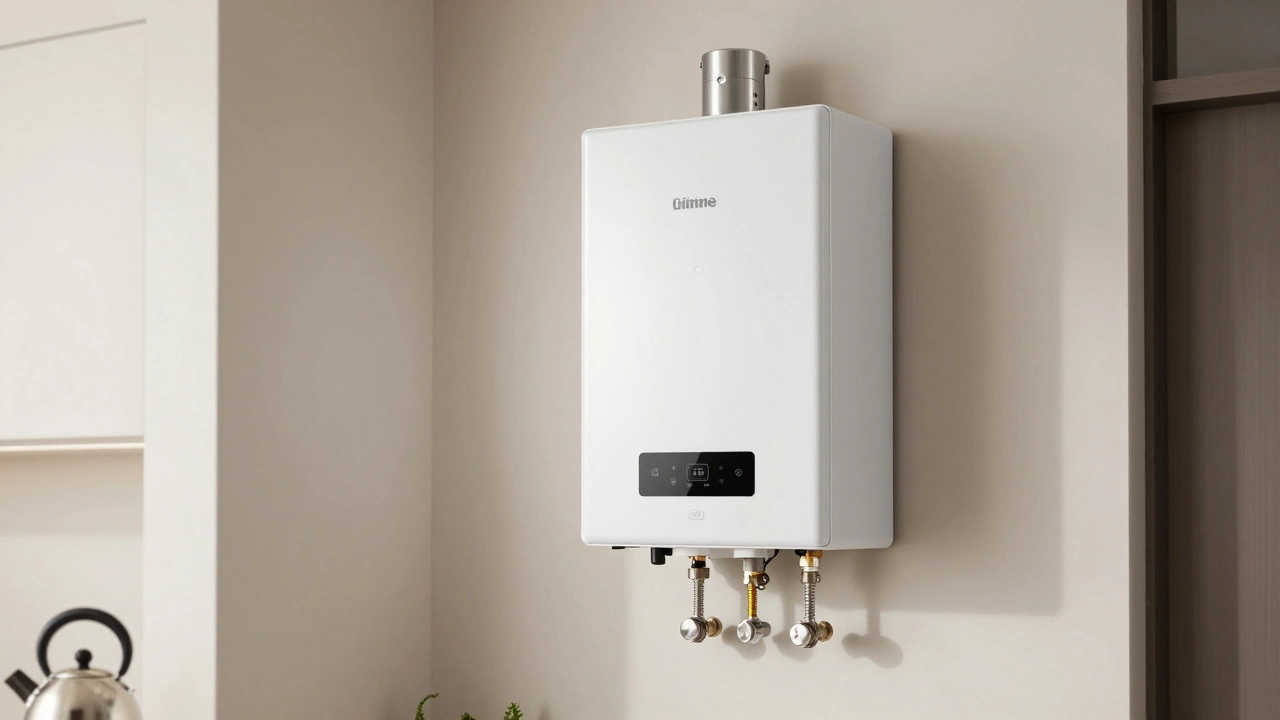
If you decide to upgrade from a tank to a Tankless Water Heater is an on-demand unit that heats water only when a tap is opened, prepare for a much longer project. Tankless units are not plug-and-play replacements for tanks. They require different infrastructure.
First, gas tankless models often demand a larger gas line diameter because they burn gas at a higher rate than tanks. If your current gas line is too small, the plumber must run a new line from the meter to the unit. This can add 4 to 8 hours of labor alone.
Second, electric tankless units draw massive amounts of power. Most homes do not have the electrical capacity to support them without upgrading the service panel. An electrician may need to install a new breaker box or dedicated circuits, which is a separate trade entirely and can delay the project by days if not planned ahead.
Third, tankless units are smaller and mount on the wall, but they require specific clearance for maintenance and airflow. You might need to build a custom enclosure or modify cabinetry to fit the unit properly.
Hidden Delays That Add Hours
Even with a straightforward swap, unexpected issues can arise. Knowing these beforehand helps you manage expectations.
- Permitting: Many jurisdictions require a permit for water heater replacement, especially for gas units. While some plumbers handle this instantly, others may need to wait for an inspection before turning the system back on. This doesn't necessarily stop the work, but it can delay the final sign-off.
- Corrosion and Leaks: When the old unit is removed, you might discover that the floor beneath it is rotted from years of minor leaks. Or the drain pan is cracked. Fixing structural damage or replacing pans adds time.
- Part Availability: If the plumber needs a specific valve, elbow, or flange that isn't in their truck, they have to make a trip to the hardware store. This can add 30 minutes to 2 hours to the job.
- Code Compliance Updates: Building codes change. For example, newer codes may require a condensate pump for high-efficiency gas units if there is no nearby floor drain. Installing this pump takes extra time.
What Happens During the Installation?
Understanding the steps helps you see where the time goes. Here is the typical workflow for a professional installation.
- Shut Down and Drain: The technician turns off the gas or electricity and closes the cold water supply valve. They then connect a hose to the drain valve to empty the tank. This step alone can take 30-45 minutes depending on how much sediment is in the tank.
- Disconnection: Using wrenches, they disconnect the water inlet and outlet pipes, as well as the gas line or electrical wiring. If pipes are stiff, they use penetrating oil or special tools to avoid breaking them.
- Removal: The old unit is lifted out. If it’s heavy or stuck, they may need to cut it open or dismantle the vent stack first.
- Preparation: The area is cleaned. New shutoff valves are installed on the cold and hot water lines if they weren’t already present. This is a critical safety step that takes about 15 minutes.
- Placement and Connection: The new unit is positioned. Water lines are connected using Teflon tape or pipe dope to ensure a seal. Gas lines are connected with flexible connectors for vibration resistance.
- Testing: The water supply is turned on slowly to fill the tank. Air is bled from the system. For gas units, the pilot is lit and checked for leaks. For electric units, voltage is applied and temperature settings are adjusted.
- Cleanup: Debris, old packaging, and tools are cleared away.
Can You Do It Yourself?
Technically, yes. But should you? Replacing a water heater involves handling heavy objects, working with high-voltage electricity or combustible gas, and adhering to strict local codes. One mistake can lead to fire, explosion, or catastrophic flooding.
If you attempt a DIY installation, expect it to take 8 to 12 hours for your first time. You’ll spend half that time researching, buying parts, and figuring out which wrench fits which nut. Professionals have done this hundreds of times; they know exactly how tight each fitting should be and how to troubleshoot common hiccups.
Moreover, many homeowner insurance policies void coverage for damages caused by unpermitted or improper installations. Hiring a licensed plumber ensures the job is done right and comes with a warranty on both parts and labor.
When to Schedule the Replacement
To minimize disruption, plan your replacement strategically. Avoid scheduling during peak summer months when plumbers are busiest with air conditioning repairs. Spring and early fall offer the best availability.
Also, consider your household routine. Since you won’t have hot water during the installation, try to schedule it on a weekend or a day when no one needs to shower, wash dishes, or do laundry. If you live in a multi-unit building, coordinate with neighbors who share the same water heater to minimize inconvenience.
Finally, don’t wait until the unit fails completely. If you notice rumbling noises, rusty water, or frequent temperature fluctuations, book the replacement proactively. Emergency calls often incur premium rates and may result in longer wait times for parts.
How long does it take to replace a 50-gallon water heater?
Replacing a standard 50-gallon tank water heater typically takes 3 to 5 hours. The size itself doesn't drastically change the time unless the unit is exceptionally heavy or difficult to maneuver through tight spaces. The main time factors are the condition of the existing pipes and whether any code upgrades are required.
Will I have hot water immediately after installation?
No. Once the new tank is filled and the heating element or burner is activated, it takes about 60 to 90 minutes for a standard tank to heat up fully. During this time, you will have cold water. Plan accordingly and keep a kettle handy for immediate hot water needs.
Does the cost increase if the installation takes longer?
It depends on the quote. Many plumbers charge a flat rate for standard replacements. However, if unforeseen complications arise-such as needing new gas lines or repairing structural damage-they may charge hourly overtime. Always ask for a detailed estimate that includes potential contingencies.
Can I replace my own water heater to save money?
While possible, it is risky. Improper installation can lead to gas leaks, electrical shocks, or water damage. Additionally, most manufacturers require professional installation to validate the warranty. The savings from DIY rarely outweigh the potential costs of mistakes or voided warranties.
Why does my plumber say the job will take all day?
If your plumber estimates a full day, it likely means they anticipate complications. This could include difficult access, old piping that needs replacement, venting issues, or the need to obtain permits and inspections. Trust their assessment; rushing a water heater installation can compromise safety.