No Hot Water Diagnostic Tool
Step 1: What type of water heater do you have?
Step 2: Check the Pilot Light
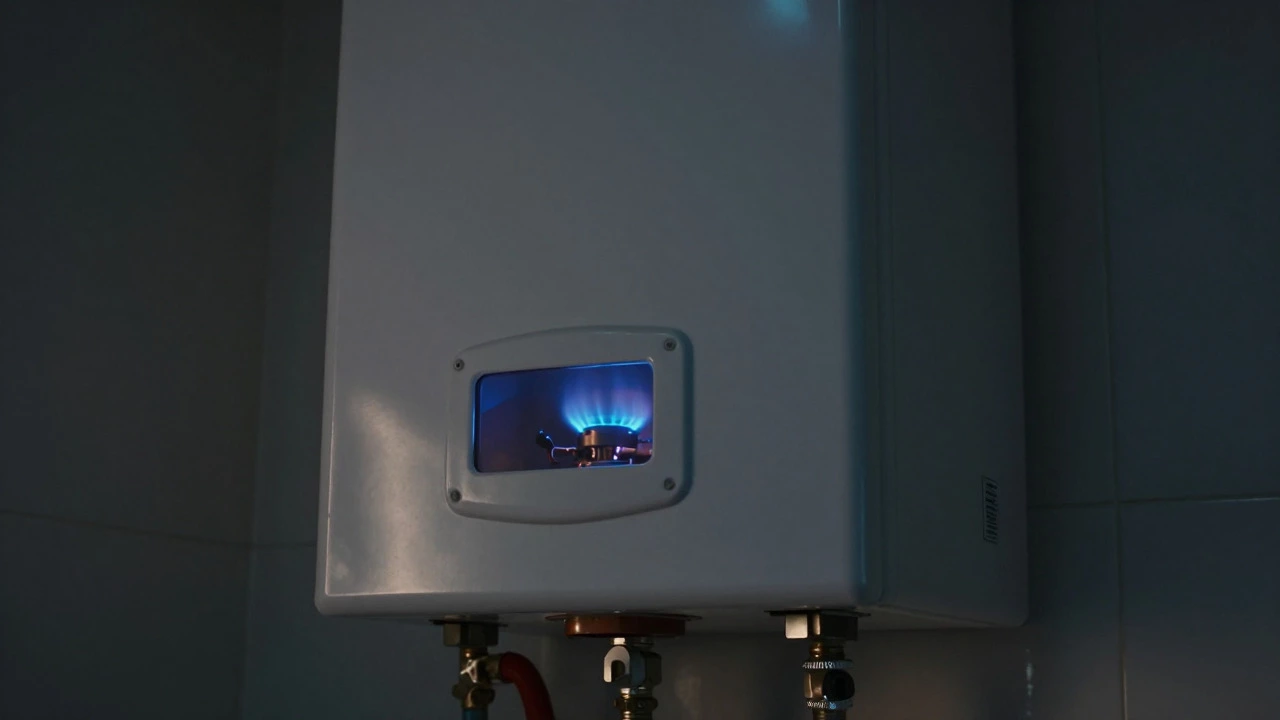
Look through the viewing window on your gas unit. Is there a small blue flame visible?
Step 3: Check Power Supply
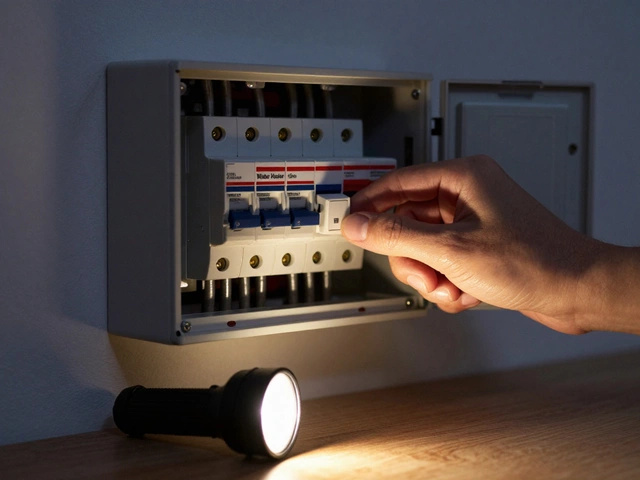
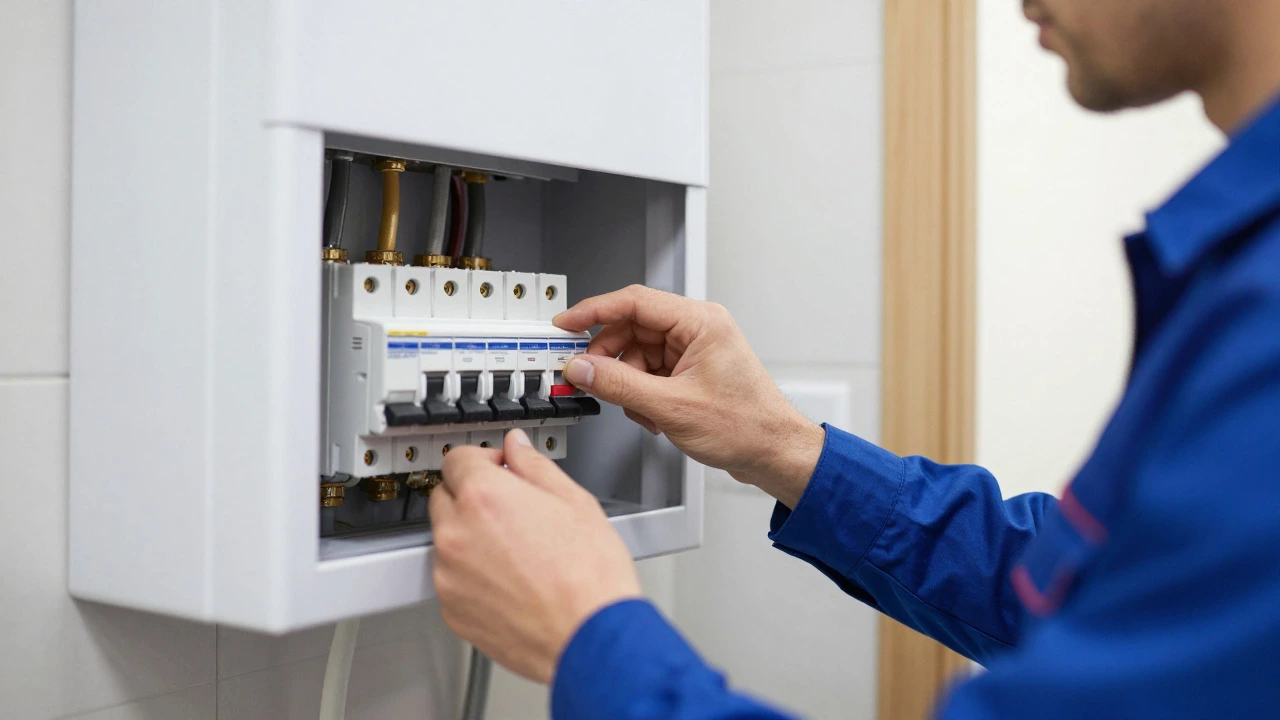
Check your consumer unit (fuse box). Is the breaker for the water heater in the 'On' position? (If electric, ensure it hasn't tripped).
Step 4: Thermostat Settings
Check the temperature dial. Is it set between "Hot" and "Very Hot" (approx 120°F / 49°C)?
Step 5: Describe the Water Temperature
When you turn on the hot water tap, what happens?
Diagnosis Result
There is nothing quite as jarring as stepping into a shower and getting blasted with ice-cold water. It happens to the best of us, usually at the worst possible time-right before an important morning meeting or when you have a pile of greasy dishes waiting in the sink. If you are asking yourself what is the most common cause of no hot water, you are not alone. This is one of the top reasons people call for water heater repair.
The good news is that the problem is rarely something catastrophic like a burst pipe or a total system meltdown. In the vast majority of cases, the issue is minor, easy to spot, and often fixable without spending a penny on parts. Before you panic or call a technician, let’s walk through the likely culprits, starting with the simplest explanations and moving toward the more complex mechanical failures.
The Pilot Light: The Silent Culprit
If you have a gas-powered water heater, the first place you need to look is the pilot light. The pilot light is a small, constant flame that ignites the main burner whenever you turn on the hot water tap. Without this flame, your tank stays cold. It is by far the most frequent reason for sudden loss of hot water in gas systems.
How do I check if my pilot light is out?
Locate the access panel on the front of your water heater. Remove the cover to see the viewing window. You should see a small blue flame. If the window is dark, or if you only see a faint orange glow, the pilot is out. Try relighting it using the manufacturer's instructions. If it won't stay lit, the thermocouple is likely faulty.
Why does the pilot go out? It could be as simple as a draft from an open window blowing it out, or a dirty burner assembly. However, if the pilot keeps going out shortly after you light it, the issue is almost certainly the thermocouple. This small copper tube sits near the pilot flame. Its job is to detect heat. When it gets hot, it sends a signal to the gas valve to keep the gas flowing. If the thermocouple fails, it cuts the gas supply to prevent a leak, leaving you with cold water. Replacing a thermocouple is a cheap fix, often costing less than £20 for the part, but it requires turning off the gas supply first.
Thermostat Settings and Malfunctions
Once you have ruled out the pilot light, check the thermostat. Water heaters come with thermostats that control the temperature of the water inside the tank. On gas models, there is usually a dial labeled "Hot," "A," "B," and "Very Hot." On electric models, there are two thermostats behind metal access panels.
Have you recently moved into a new home? Or perhaps someone else was messing with the settings? It is surprisingly common for thermostats to get bumped down accidentally. If the dial is set too low, you might not get enough hot water for a full bath or a long wash-up session. Turn the dial up slightly and wait an hour to see if the water heats up. Be careful not to set it above 120°F (49°C) to avoid scalding risks.
If the thermostat is set correctly but the water is still cold, the thermostat itself might be broken. Electric water heaters have upper and lower thermostats. If the upper one fails, the heating element never turns on. If the lower one fails, you might get some warm water initially, but it will run out quickly because the bottom of the tank isn't heating up. Testing a thermostat requires a multimeter to check for continuity. If there is no continuity, the thermostat needs replacing.
Electric Heating Elements: The Hidden Failure
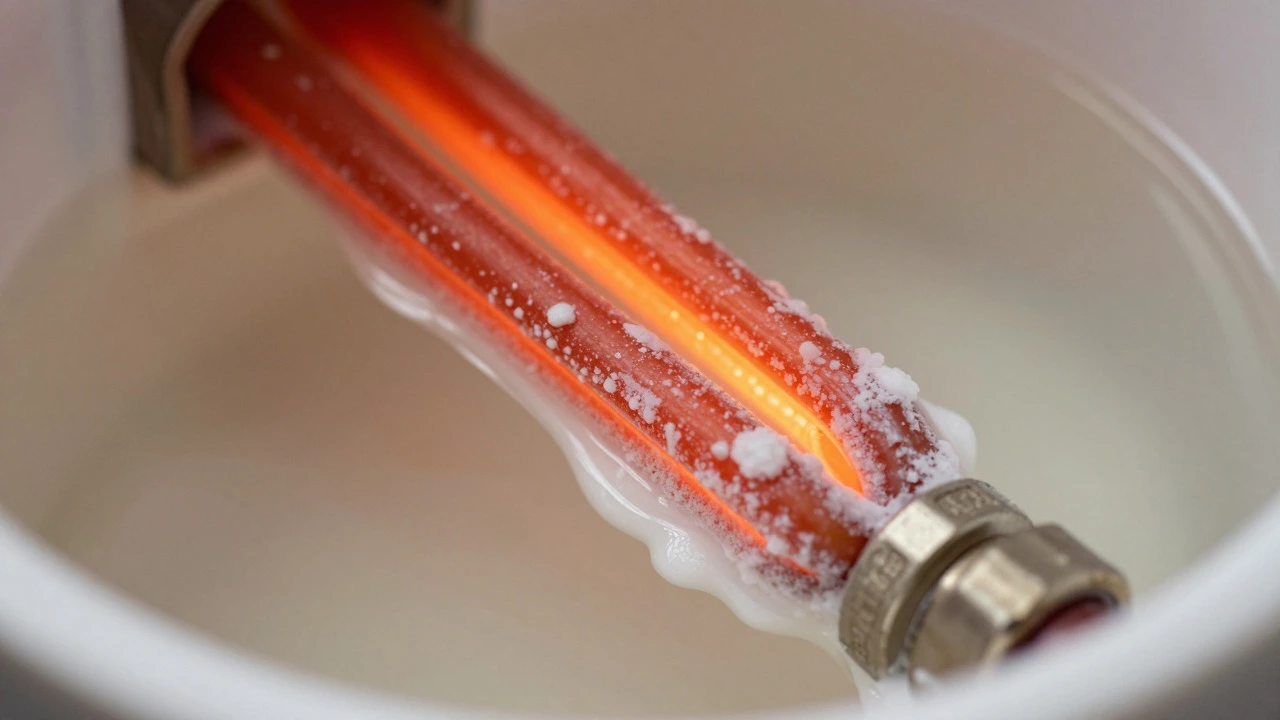
For those with electric water heaters, the story changes slightly. There is no pilot light to worry about. Instead, you rely on immersion heating elements-essentially giant toaster coils submerged in the water. These elements degrade over time due to mineral buildup and electrical stress.
A failed heating element is a very common cause of no hot water in electric systems. Here is how to tell if this is your problem:
- No hot water at all: Both the upper and lower elements may have failed, or the upper thermostat controlling them is dead.
- Lukewarm water: One element is working, but the other has died. Since most homes use the upper element first, you might get a little hot water before it runs out.
- Popping noises: If you hear popping or rumbling sounds from the tank, it indicates sediment buildup on the elements. This insulates the element, causing it to overheat and fail prematurely.
Replacing a heating element involves draining the tank, removing the old element, and installing a new one. It is a moderately difficult DIY job that requires shutting off both the power and the water supply. If you are not comfortable handling electricity and plumbing, this is where professional water heater repair services come in handy.
Sediment Buildup: The Slow Killer
In areas with hard water, such as many parts of the UK including Bristol, sediment buildup is a major issue. Minerals like calcium and magnesium precipitate out of the water and settle at the bottom of the tank. Over years, this layer of sediment can become inches thick.
This sediment acts as an insulator between the heating source (burner or element) and the water. The heating component has to work harder and get hotter to transfer heat through the sludge. This leads to overheating, which can crack the glass lining of the tank or burn out the elements. If your water heater is making rumbling noises or if the hot water seems to take forever to heat up, sediment is likely the culprit.
The solution here is flushing the tank. You attach a garden hose to the drain valve at the bottom of the unit and let the water flow out until it runs clear. Doing this once a year can extend the life of your water heater by several years and maintain its efficiency. If the tank is heavily clogged, a professional flush might be necessary to break up the hardened minerals.
Circuit Breakers and Power Supply
Before you tear apart your water heater, check the basics of your home's electrical system. Electric water heaters draw a significant amount of power-often 30 to 50 amps. If you have had a power surge, or if another high-draw appliance tripped the breaker, your water heater might simply be switched off.
Go to your consumer unit (fuse box) and look for the switch labeled "Water Heater" or "Immersion Heater." Make sure it is in the "On" position. If it trips immediately when you try to reset it, you have a serious electrical fault, likely a short circuit in the heating element or wiring. In this case, stop troubleshooting and call an electrician or a qualified plumber immediately. Safety is paramount.
For gas heaters, check the power switch on the unit itself. Some modern gas heaters have electronic controls that require mains power to operate the ignition system. If the power cord is unplugged or the fuse is blown, the unit won't fire up.
Dip Tube Failure: Cold Water Mixing In
This is a sneaky one. The dip tube is a plastic pipe that connects the cold water inlet to the bottom of the tank. Its job is to send incoming cold water to the bottom so it can be heated, while allowing hot water to rise to the top for distribution. Over time, especially in older tanks, the dip tube can disintegrate or crack.
If the dip tube breaks, cold water enters the tank and mixes directly with the hot water at the top. You might notice that your hot water feels lukewarm rather than freezing, or that the hot water runs out much faster than usual. You might also see white plastic fragments in your showerhead or faucet aerator. Fixing this requires replacing the dip tube, which involves draining the tank and unscrewing the cold water inlet fitting.
When to Call a Professional
While many causes of no hot water are DIY-friendly, some situations require expert hands. You should call a professional if:
- You smell gas around the water heater. Evacuate the house and call the gas emergency number immediately.
- The tank is leaking water from the bottom. This usually indicates a corroded tank that needs replacement, not repair.
- You have tried resetting the thermostat and relighting the pilot, but the issue persists.
- You are uncomfortable working with electricity or gas lines.
In Bristol and surrounding areas, finding a reliable technician for water heater repair is crucial. Look for Gas Safe registered engineers for gas units and qualified electricians for electric ones. They can diagnose issues like faulty pressure relief valves, cracked heat exchangers, or complex wiring problems that are beyond the scope of a typical homeowner.
Prevention Tips for Long-Term Reliability
Preventing no-hot-water emergencies is easier than fixing them. Here are a few habits that will keep your system running smoothly:
- Flush the tank annually: Remove sediment to improve efficiency and prevent element damage.
- Check the anode rod: Every three to five years, inspect the sacrificial anode rod. If it is heavily corroded, replace it to protect the tank from rust.
- Insulate the tank: An insulation blanket can reduce heat loss, saving energy and reducing wear on the thermostat.
- Monitor temperature: Keep the thermostat at 120°F (49°C) for safety and efficiency.
By understanding these common causes, you can save money on unnecessary service calls and avoid the shock of a cold shower. Whether it is a simple pilot light issue or a failing heating element, knowing where to look empowers you to handle the situation with confidence.
How long does it take for a water heater to heat up?
It depends on the size and type of your unit. A standard 40-gallon electric water heater typically takes 60 to 90 minutes to fully heat a fresh tank of cold water. Gas models are generally faster, taking about 30 to 45 minutes. Instantaneous (tankless) heaters provide hot water almost immediately, but they depend on flow rate and incoming water temperature.
Can a tripped breaker cause no hot water?
Yes, absolutely. Electric water heaters are high-draw appliances. If the circuit breaker trips due to a surge or overload, the heating elements will stop working. Check your consumer unit and reset the breaker if it is in the off position. If it trips again immediately, you have an electrical fault that needs professional attention.
Is it safe to relight a pilot light myself?
Generally, yes, if you follow the manufacturer's instructions carefully. Ensure there is no smell of gas before attempting to relight it. Use a long-reach lighter or match. If the pilot does not stay lit after multiple attempts, turn off the gas and call a professional, as this indicates a thermocouple or gas valve issue.
Why is my hot water brown or rusty?
Rusty water usually indicates corrosion inside the tank or pipes. If it is only coming from the hot water taps, the internal glass lining of the tank may be cracking, exposing the steel to water. This is a sign that the tank is nearing the end of its life and may need replacement soon. Flush the tank first to rule out loose sediment.
How often should I service my water heater?
Annual servicing is recommended for gas water heaters to check for gas leaks, ensure proper ventilation, and clean the burner. Electric water heaters benefit from annual flushing to remove sediment. Regular maintenance can extend the lifespan of your unit by 3-5 years and improve energy efficiency.