

Waking up to a cold shower is the worst way to start the day. Before you panic or call every plumber in town, try a few simple checks that solve most "no hot water" problems fast.
In homes like ours, the usual suspects are the water heater, the boiler, or the power supply. A tripped breaker or a blown fuse can instantly cut heat to the tank. If the thermostat is set too low, the water never reaches a comfortable temperature. Sediment buildup inside a tank, a faulty heating element, or a broken thermostat can also keep the water lukewarm.
For gas‑fired boilers, a pilot light that won’t stay lit or a pressure issue will stop hot water on demand. In older properties, frozen pipes during a chilly night can block hot water flow, especially in unheated loft spaces.
1. Check the power. Open your fuse box and look for any tripped switches labeled “water heater” or “boiler.” Flip them back on. If the breaker trips again, you’ve likely got an electrical fault and need a qualified electrician.
2. Reset the heater. Many electric water heaters have a reset button on the thermostat. Turn off the power at the breaker, press the button, then restore power. A quick reset can clear a minor overload.
3. Inspect the thermostat. Make sure it’s set to at least 120 °F (48 °C). If you have a dual‑temperature system, verify both the hot water and heating sections are set correctly.
4. Look for pilot‑light issues. If you have a gas boiler, locate the pilot assembly. Follow the manufacturer’s instructions to relight it—usually a knob, a button, and a few minutes of waiting. If the pilot won’t stay lit, it’s a sign of a faulty thermocouple or gas supply problem.
5. Flush the tank. Sediment reduces heating efficiency. Turn off the heater, attach a garden hose to the drain valve, and let the water run until clear. Refill and restore power. This simple maintenance can extend the life of your heater.
If any of these steps feel beyond your comfort zone, or if the problem persists after trying them, it’s time to call in the pros.
We recommend a professional visit if you notice any of the following:
Our certified technicians know the local water pressure quirks and the common faults in homes across Bognor Regis. We’ll diagnose the issue, give you a clear cost estimate, and fix it right the first time—whether that means repairing a heating element, replacing a thermostat, or flushing a hard‑water‑clogged system.
Don’t let a cold shower ruin your day. Try the quick checks above, and if you’re still stuck, give Bognor Regis Appliance Repair Experts a call. We’re fast, reliable, and just a phone call away from getting your hot water back on track.
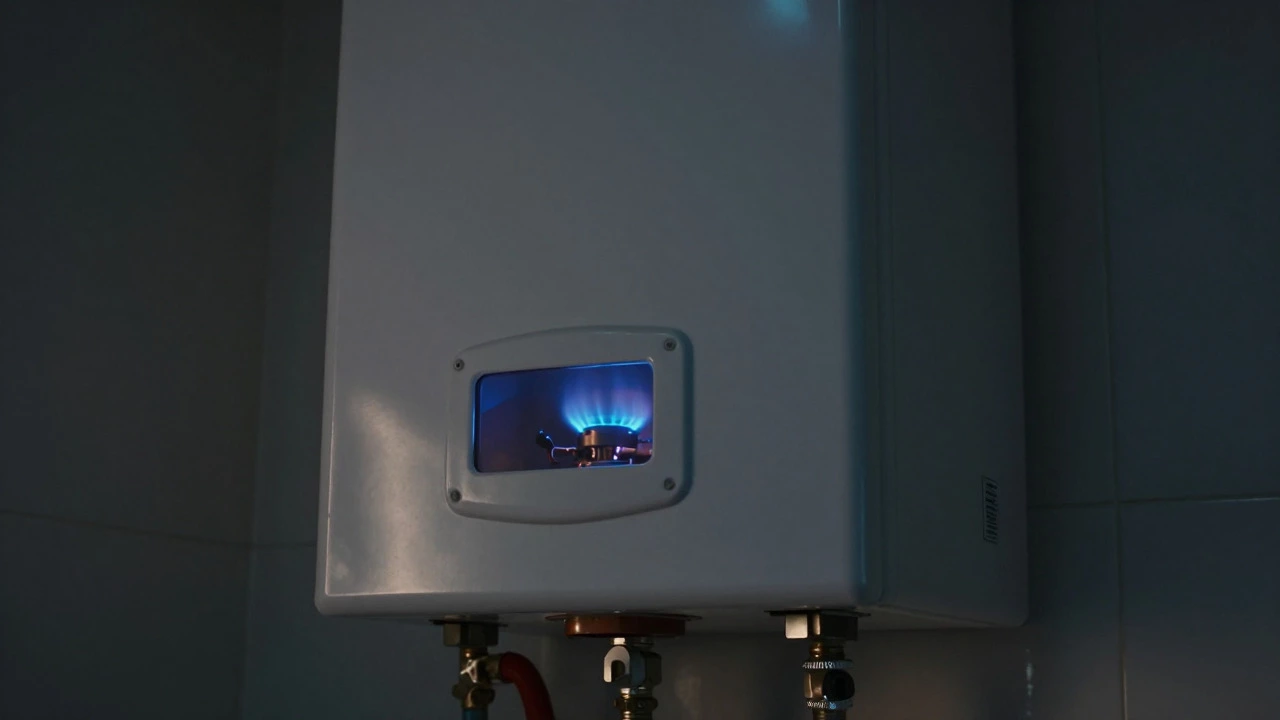
Discover why your hot water stopped working. From pilot lights to thermostats, learn the most common causes of no hot water and how to fix them yourself.
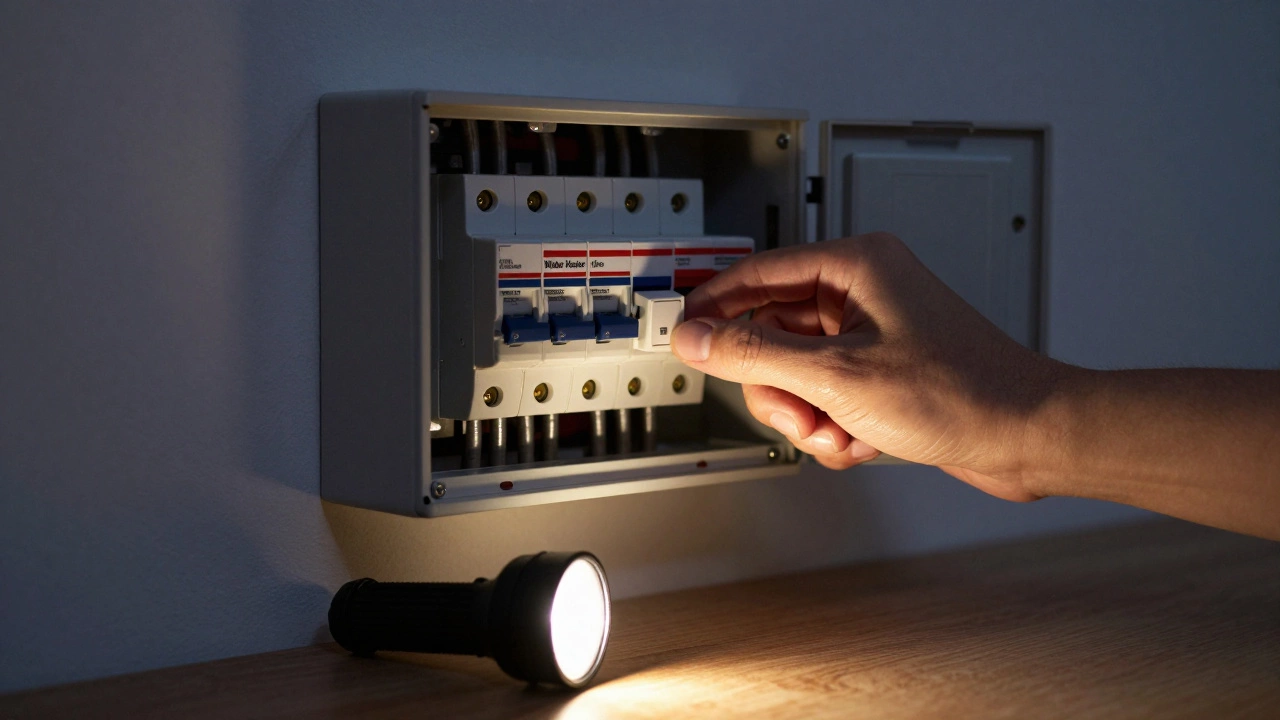
When there's no hot water, the first thing to check isn't the heater-it's the circuit breaker or pilot light. Most issues are simple fixes that save time and money. Learn what to look for and how to fix it yourself.
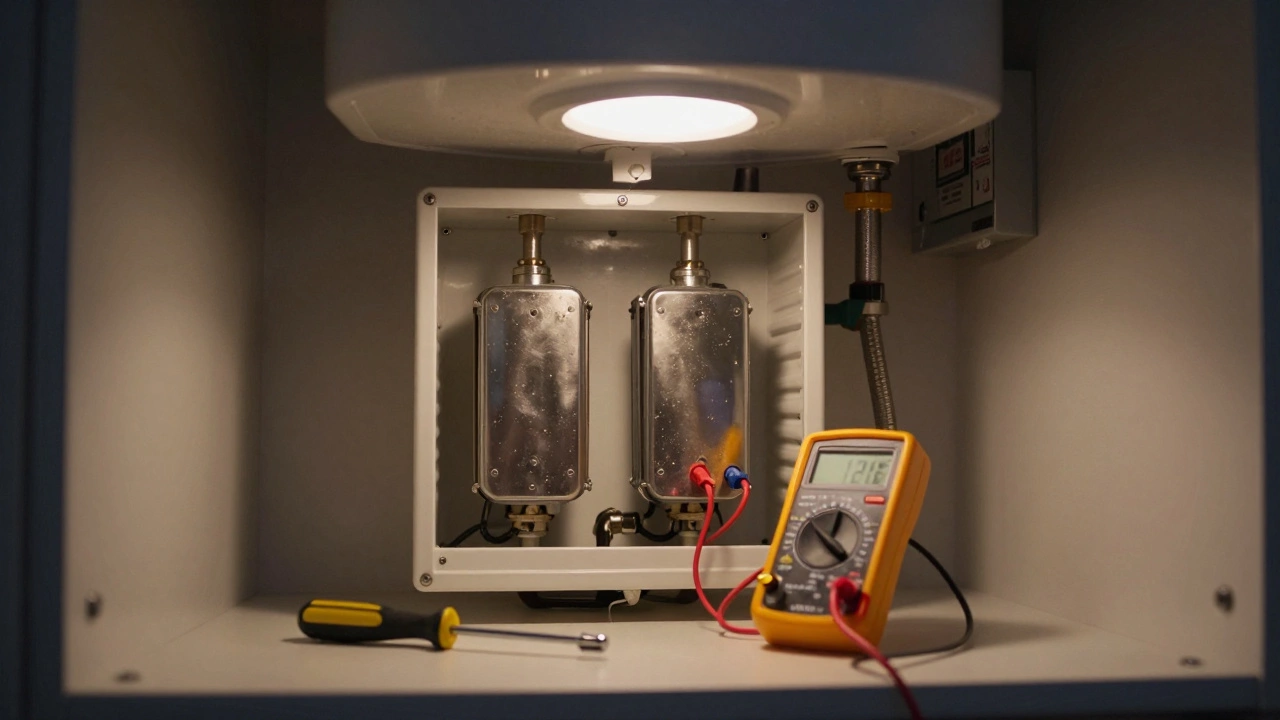
Fix a water heater producing cold water by checking the power, testing heating elements, adjusting the thermostat, flushing sediment, and replacing faulty parts like the dip tube or thermocouple. Most issues are simple DIY fixes.
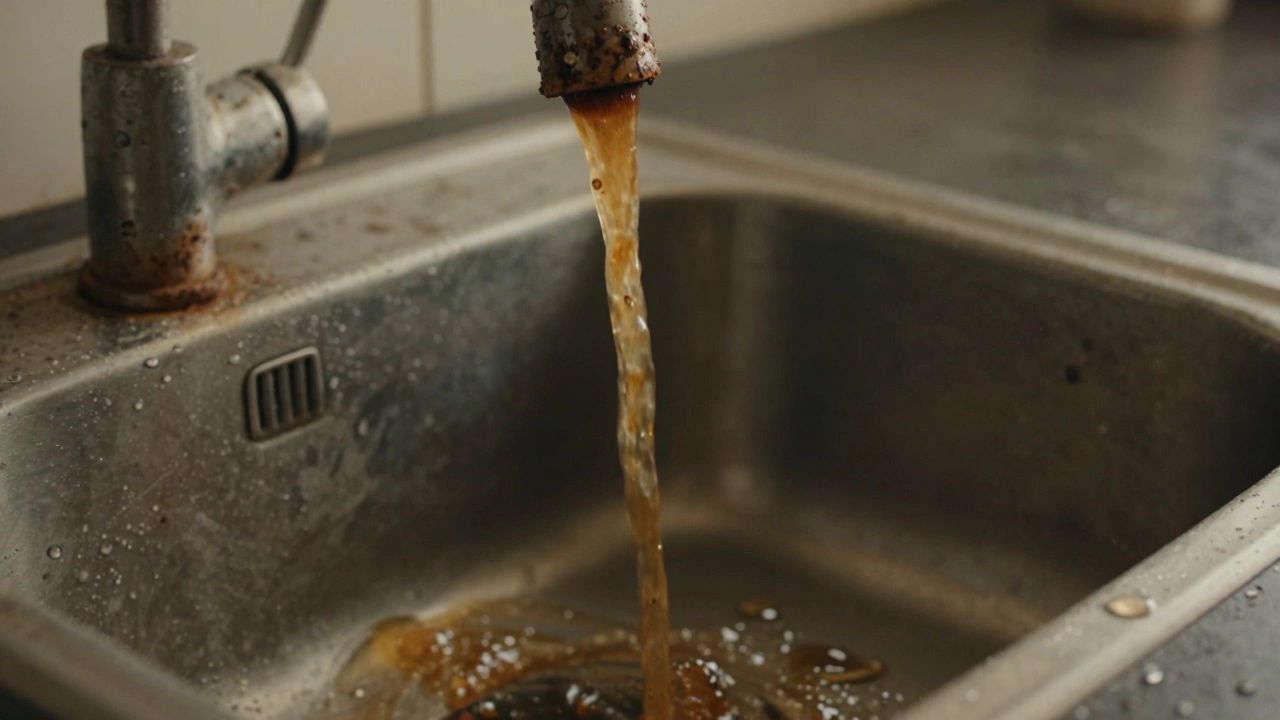
Watch for rusty water, leaks, strange noises, or no hot water-these are clear signs your water heater is failing. Age, higher bills, and bad smells mean it’s time to replace it before it breaks down.
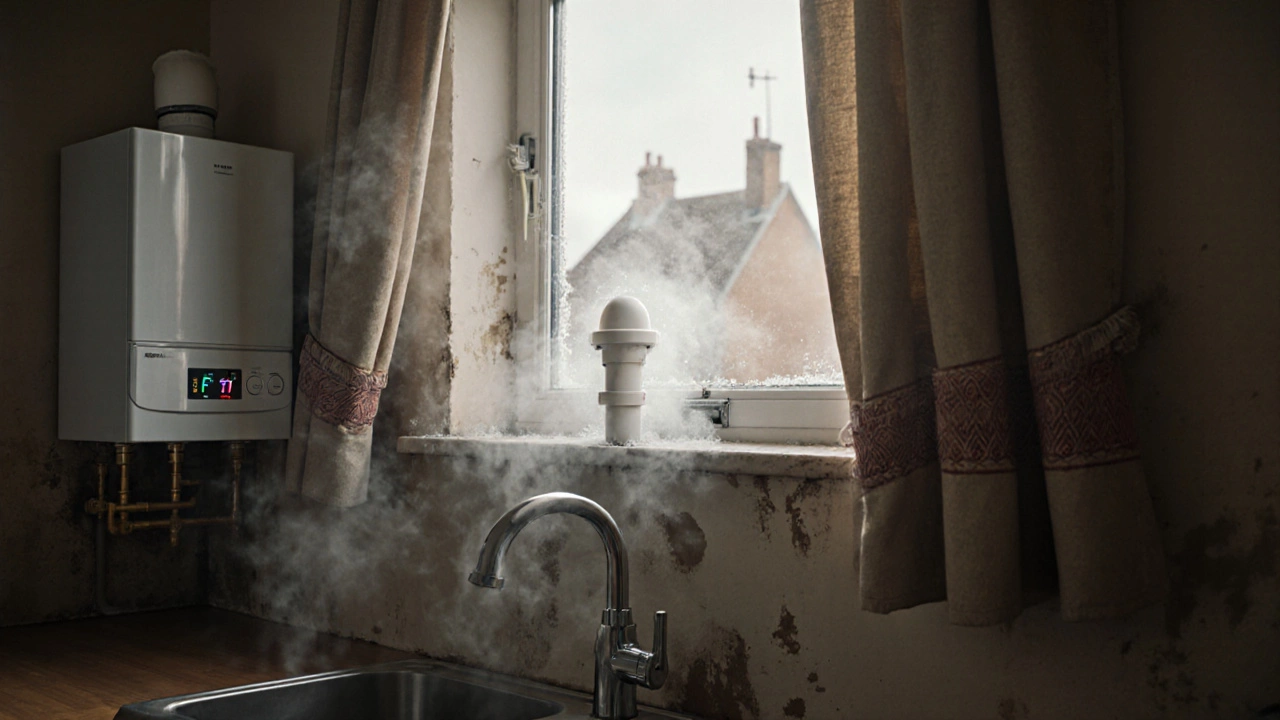
Your hot water stopped suddenly? This guide breaks down the top 7 causes - from low pressure to frozen pipes - and shows you how to fix them yourself before calling a plumber.
Find out why your hot water vanished, walk through quick DIY checks, learn simple fixes, and know when to call a professional for reliable heat restoration.

Is your hot water heater suddenly not working? Here’s what can go wrong, how to spot the problem fast, and pro tips to get hot water back right away.

When your water heater only puts out cold water, it’s more than just annoying—it can point to real problems inside the unit. This article breaks down the most common reasons behind a water heater that refuses to warm up, from tripped breakers to busted heating elements. You’ll find tips on quick checks you can do at home before calling a pro, plus some unexpected facts about how water heaters really work. Knowing what’s wrong can save you from a frigid morning shower and a giant repair bill. Get ready to tackle that cold water problem with practical advice you can use right away.

Experiencing no hot water in the shower can be frustrating, especially on cold mornings. This article provides practical solutions to diagnose and resolve common issues with your water heating system. From checking simple things like the thermostat to identifying more complex issues like a faulty heating element, you'll learn how to get back to enjoying a warm shower.
Your hot water stopped suddenly? This guide breaks down the top 7 causes - from low pressure to frozen pipes - and shows you how to fix them yourself before calling a plumber.

Thinking of how long your gas hob will last? Dive into the expected lifespan of gas hobs, factors that affect their longevity, and simple maintenance tips. Discover how regular care can stretch your appliance's life and understand when it's time to consider repair or replacement. Make informed decisions to keep your culinary adventures flaming well.

Electric ovens are handy, but they're not immune to problems. This article breaks down the most common faults people face, from ovens not heating properly to strange noises and error codes. You’ll get real tips on troubleshooting and signs when it’s time to call in the pros. Save time (and maybe some frustration) by knowing what to look out for. Find out why your oven might let you down and how to deal with it.
If you’re shopping for a new electric oven or worried about breakdowns, brand reliability matters big time. This article looks at which appliance brands have the fewest reported repairs, backed by recent repair data and real user experiences. You’ll see how different brands compare, which models tend to last, and when it makes sense to spend a little more upfront. Plus, you’ll pick up tips to keep your oven running smoothly, no matter which badge it wears. Everything’s packed in with real talk—no fluff to wade through.
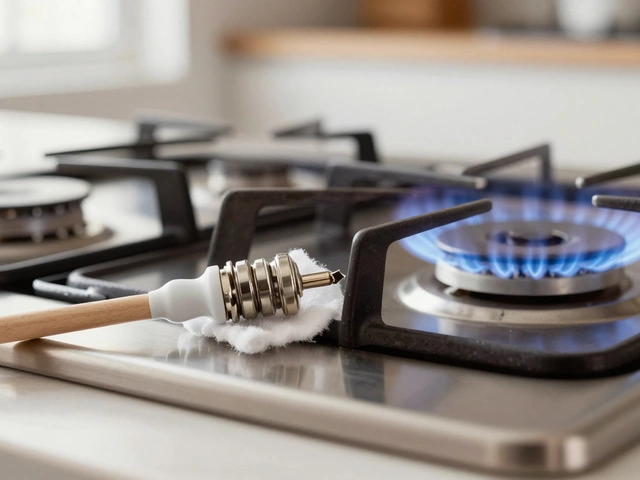
Discover if your broken hob can be fixed. Learn DIY tips for gas, electric, and induction cooktops, when to call a pro, and how to save money on repairs.