

When your oven, a key appliance in UK kitchens used for baking, roasting, and everyday cooking stops working, the big question isn’t just can it be fixed—it’s should it be fixed. Many people jump straight to replacement because they assume repairs are expensive or temporary. But that’s not always true. A broken heating element, a faulty thermostat, or a failed control board can often be swapped out for under £200, giving you years more use. Replacing the whole oven? That’s usually £500 to £1,500, depending on the model and installation.
It’s not just about price. Your oven’s age, how long it’s been in service, and how often it’s been serviced matters just as much. If your oven is under 8 years old and the issue is a single part—like a heating element, the coil that generates heat inside the oven cavity—repairing it makes perfect sense. But if it’s over 12 years old, and you’re already replacing the control board, it’s probably time to look at a new one. Older ovens use more energy, have fewer safety features, and parts are harder to find. One technician in Bognor Regis told us he sees three ovens a week that were replaced too soon—just because the owner didn’t know a £60 thermostat could fix it.
Then there’s the control board, the digital brain that tells your oven when to turn on, how hot to get, and how long to cook. It’s expensive to replace—£150 to £300—but if your oven’s display is glitching or it won’t turn on at all, it’s often the culprit. Some people panic and buy a new oven, but 60% of the time, a control board failure is fixable. The trick? Don’t assume it’s broken until a pro tests it. A lot of the time, it’s just a loose wire or a blown fuse, not the board itself.
And here’s something most people don’t think about: warranties. If your oven is still under warranty, repair is the obvious choice. But if it’s expired? That’s when you weigh cost against future headaches. A repaired oven might last another 3–5 years. A new one might last 10–15. But if you’re planning to move in the next few years, spending £1,200 on a new oven might not make sense. On the other hand, if you cook daily and hate waiting for your oven to heat up, a newer, more efficient model could save you money on your energy bill over time.
There’s no one-size-fits-all answer. But the best way to decide is simple: get a quote for the repair first. Ask the technician what part is broken, how much it costs, and how long it’ll last once fixed. Then compare that to the price of a new oven with similar features. Most times, repair wins—if the oven’s not ancient and the part’s common. But if you’re spending more than half the cost of a new oven to fix it, or if you’re replacing three parts in two years, it’s time to think about replacement.
Below, you’ll find real repair stories from Bognor Regis homes—what went wrong, how much it cost to fix, and whether the owner wished they’d replaced it instead. No fluff. Just facts from people who’ve been there.
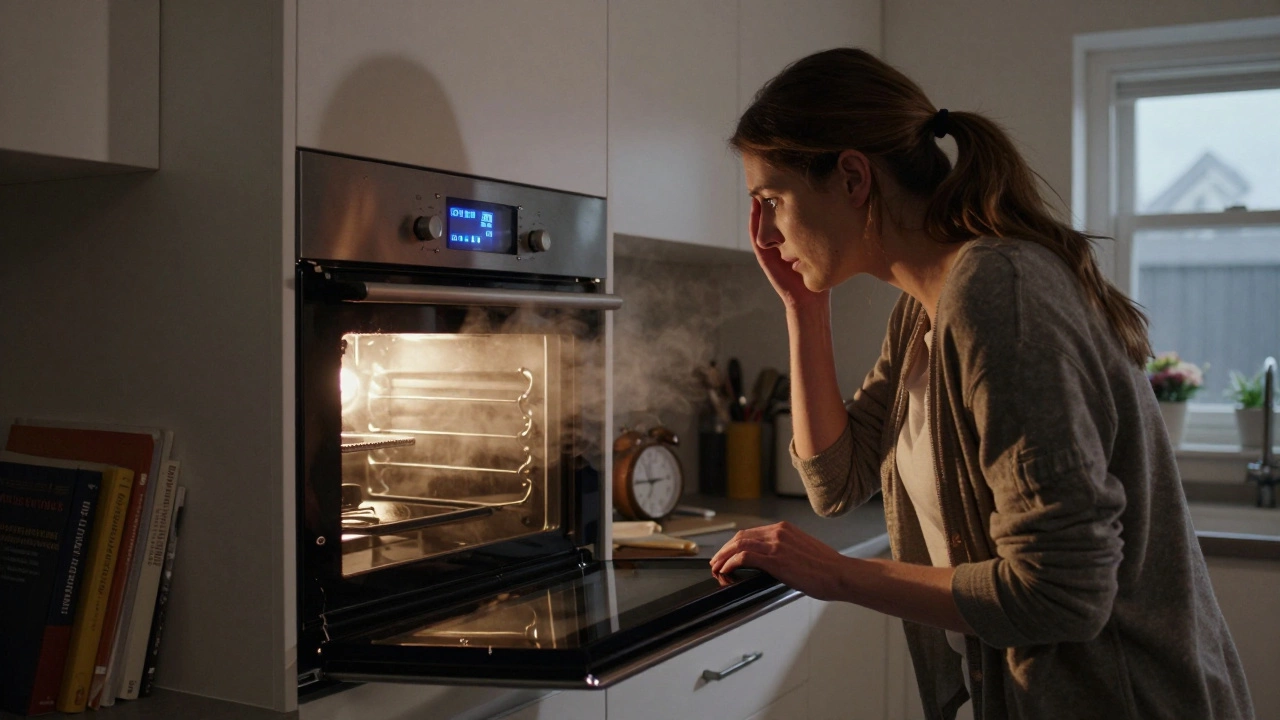
Deciding whether to fix or replace your oven in 2025? Learn real repair costs, when replacement saves money, safety risks of old ovens, and how to make the smart choice without overpaying.
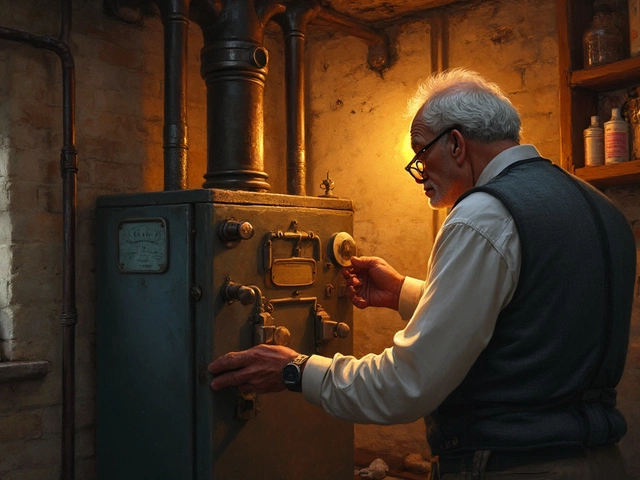
Boiler lifespan can vary greatly depending on usage, maintenance, and type. On average, boilers last anywhere from 10 to 15 years. Regular maintenance is key to prolonging the life of your boiler and ensuring it functions efficiently. In this article, discover how to keep your boiler in top shape and when it might be time to replace it.

When facing a broken boiler, many homeowners find themselves debating the merits of repairing versus replacing. Considering factors like costs, age of the boiler, frequency of issues, and energy efficiency can help make an informed decision. Exploring repair benefits as a cost-saving solution might be worthwhile for some, while others may find replacement offers better long-term advantages. Understanding your system's specific needs ensures optimal performance during the colder months.
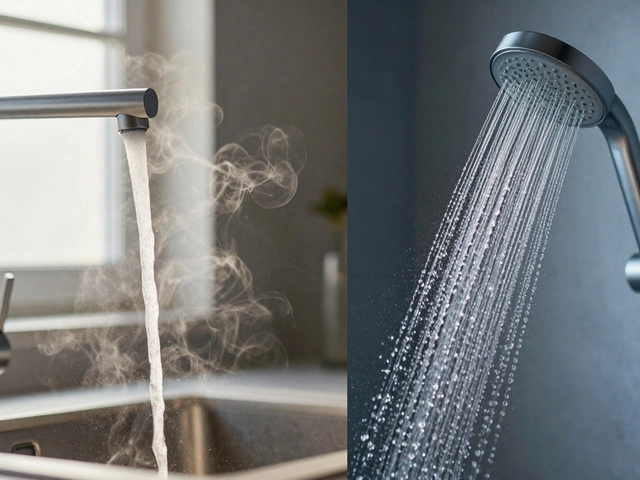
Shower cold but other taps hot? Learn how to diagnose and fix the problem, from failing mixing valves and diverters to air locks and sediment buildup.

Wondering how often you should replace your extractor fan? This article covers extractor fan lifespan, signs it's time for a change, maintenance tips, and why fresh air matters.
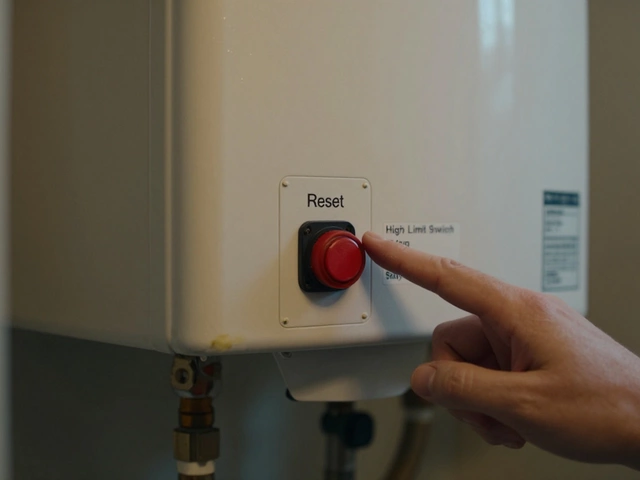
Discover why your hot water heater's reset button keeps tripping. Learn about failed thermostats, shorted elements, and sediment buildup, plus step-by-step fixes.