Oven Repair vs Replacement Calculator
Your Current Situation
Energy Efficiency
Results
Energy Savings
Recommendation
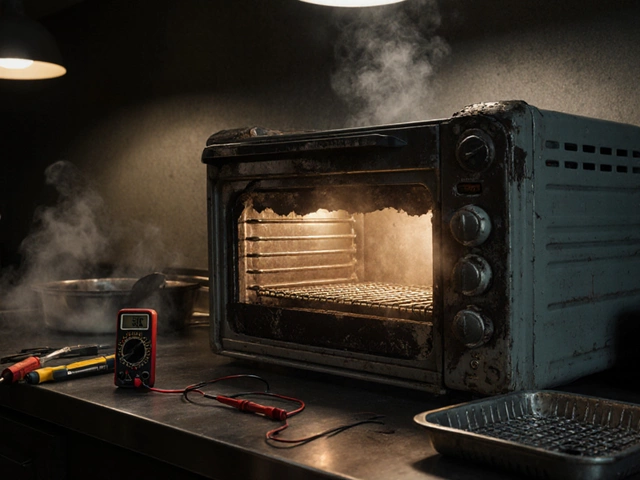
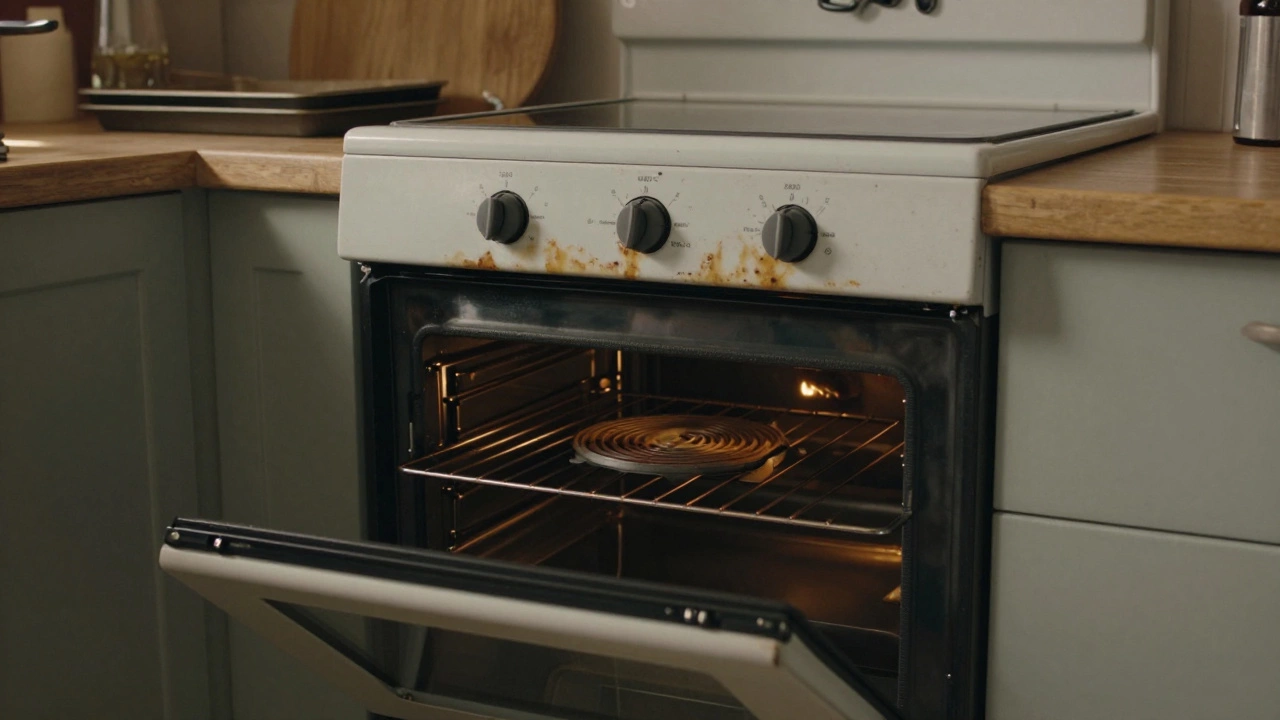
You’ve been cooking in the same oven for two decades. The door doesn’t seal quite right. The heating element flickers when you turn it on. The control panel is sticky. You’ve stared at it long enough to wonder: is it worth fixing a 20-year-old oven? Or should you just buy a new one?
The truth isn’t simple. A 20-year-old oven isn’t broken just because it’s old. Many ovens from the early 2000s were built to last-steel interiors, solid wiring, mechanical thermostats. But today’s models are more efficient, smarter, and safer. So how do you decide?
How Long Should an Oven Actually Last?
Most manufacturers say an oven should last 10 to 15 years. That’s the average. But real-world data tells a different story. In the UK, the average household keeps an electric oven for 18 to 22 years. A 2023 survey by the UK Appliance Recycling Association found that nearly 40% of homes still use ovens older than 20 years. These aren’t broken appliances-they’re well-maintained ones.
Older ovens often have simpler parts. No touchscreens. No Wi-Fi. No fancy sensors. That means fewer things can go wrong. A broken heating element in a 2005 model? That’s a £30 part and an hour’s work. In a 2020 model? You might need a whole control board costing £180, and even then, the software might not recognise the replacement.
What’s the Cost to Fix It?
Let’s break down common repairs for a 20-year-old electric oven:
- Heating element - £25 to £50, plus £60-£90 labour
- Thermostat - £40 to £70, plus £60-£80 labour
- Door seal - £15 to £30, plus £40 labour
- Igniter (for gas ovens) - £30 to £60, plus £70 labour
- Control board - £100 to £200, plus £80-£120 labour
Most repairs fall between £100 and £180. That’s less than half the price of a basic new oven. But here’s the catch: if you’ve already replaced one part this year, another might fail soon. Older ovens don’t just wear out-they start failing in waves. One broken part means the rest are aging too.
What’s the Cost of a New Oven?
A basic built-in electric oven today costs between £350 and £600. Mid-range models with convection, steam, or smart features run £700 to £1,200. High-end models can hit £2,000. But you don’t need top-end specs. You just need it to heat evenly and not catch fire.
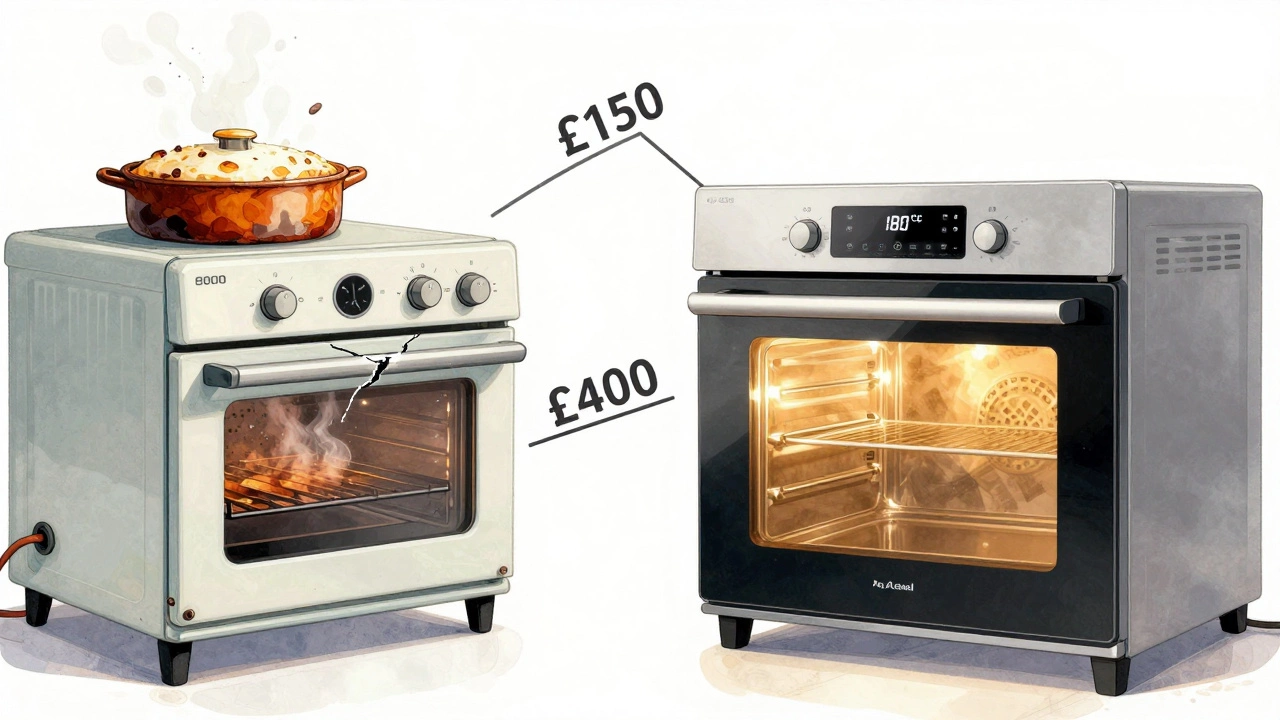
Modern ovens are 25% to 40% more energy efficient than those made before 2010. That’s not just about saving money-it’s about real savings. If your old oven uses 0.8 kWh per hour and you use it 5 hours a week, you’re burning £110 a year in electricity. A new A-rated oven uses 0.5 kWh. That cuts your annual cost to £70. That’s £40 saved every year. In three years, you’ve paid for half a new oven.
Is It Safe?
Safety is the silent factor most people ignore. A 20-year-old oven might still work, but is it safe?
Older ovens often lack modern safety features:
- No automatic shut-off if the door is left open
- No child lock
- No overheating protection
- Outdated wiring that can’t handle modern circuit loads
- Asbestos insulation in models made before 1999 (yes, some still exist)
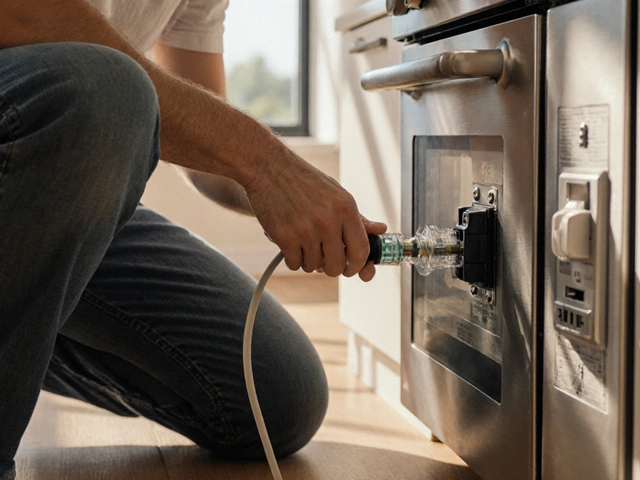
Gas ovens from that era can develop slow gas leaks. Electric ones can have cracked insulation on wires. You might not notice until something goes wrong-like a spark in the wall behind the oven, or a smell of burning plastic when you turn it on.
The UK’s Electrical Safety First organisation reports that over 1,200 home fires each year are linked to faulty ovens. About 15% of those involve appliances older than 20 years. It’s rare-but it’s not zero.
What About the Environment?
You might feel guilty about throwing out a working oven. But keeping an inefficient one running isn’t green. Manufacturing a new oven has a carbon footprint-yes. But so does running an old one for another decade.
A 20-year-old oven uses 30% more electricity than a new one. Over five years, that’s an extra 1,200 kWh of energy. That’s the same as driving a petrol car for 3,000 miles. Recycling your old oven is easy. Most councils in the UK take old appliances for free. The metals and glass get reused. The insulation is safely removed. You’re not landfilling-it’s being recycled.
When to Fix It
Fix your oven if:
- You’ve only had one repair in the last five years
- The repair cost is under £150
- The oven still heats evenly and the door seals properly
- You’re planning to move in the next 2-3 years
- You’re emotionally attached to it (yes, that counts)
It’s fine to keep it if it’s not costing you much and you’re not worried about safety. But don’t ignore warning signs.
When to Replace It
Replace your oven if:
- You’ve had two or more repairs in the last two years
- The repair cost is over 50% of a new basic oven’s price
- The oven takes more than 30 minutes to preheat
- The temperature is off by more than 20°C (use an oven thermometer to check)
- You’ve noticed flickering lights or tripping breakers when it turns on
- You’re planning to stay in your home for more than five years
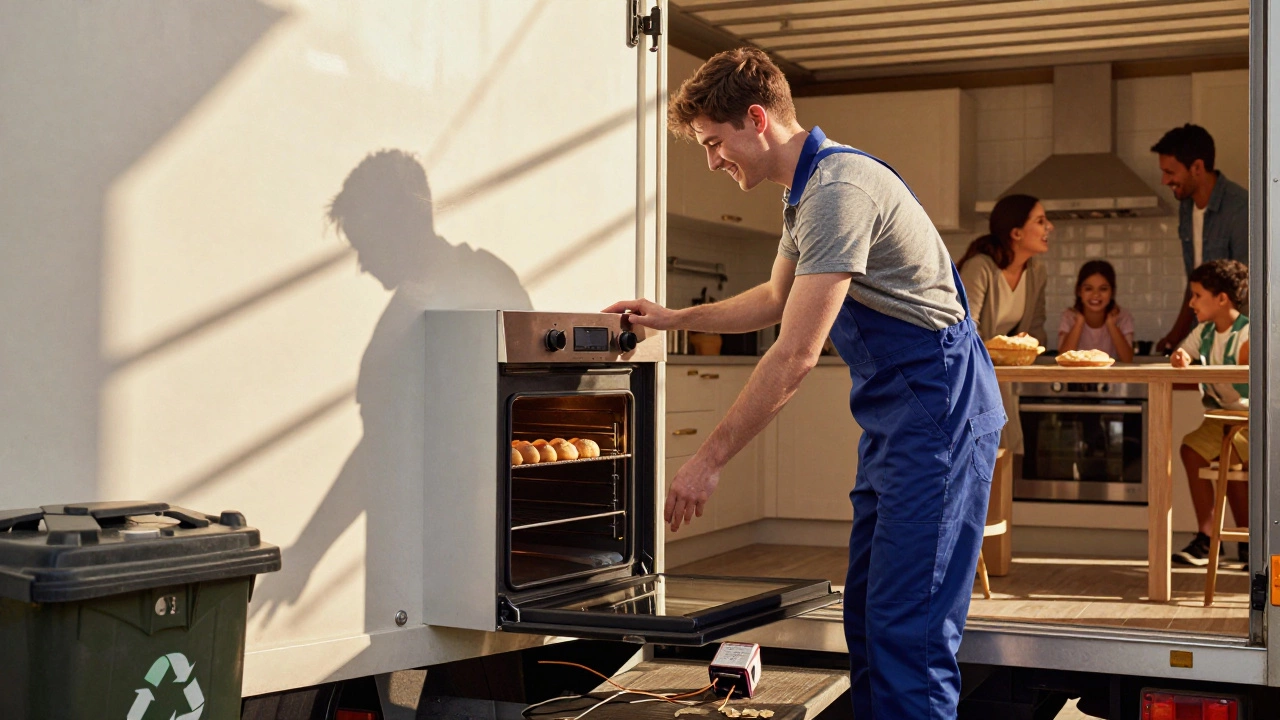
If you’re replacing it, don’t just buy the cheapest model. Look for one with a good energy rating (A+ or higher), a solid warranty (at least 2 years), and simple controls. You don’t need a smart oven that talks to your phone. You just need one that doesn’t make your kitchen smell like burning plastic.
What to Do Next
Start by testing your oven. Buy a £10 oven thermometer. Put it on the middle rack. Set the oven to 180°C. Wait 20 minutes. Check the reading. If it’s off by more than 20°C, your thermostat is failing. That’s a sign it’s time to think about replacement.
Next, call a local appliance technician. Ask for a quote for the most likely repair-usually the heating element or thermostat. Get it in writing. Then go to a local appliance store. Look at the price of a basic built-in oven. Compare the two.
If the repair is under £120 and the oven still works well, fix it. If it’s over £150 or the oven is acting up in multiple ways, replace it. And don’t feel bad. Your old oven gave you good meals for 20 years. It’s time to let it rest.
Can a 20-year-old oven still be energy efficient?
No. Ovens made before 2010 typically use 30% to 40% more electricity than modern A-rated models. Even if it still heats up, it’s wasting energy because of outdated insulation, inefficient elements, and older control systems. The savings on your energy bill alone can pay for a new oven in 3 to 5 years.
Is it dangerous to keep using an old oven?
It can be. Older ovens lack modern safety features like automatic shut-off, child locks, and overheating protection. Wiring insulation can crack, leading to sparks or short circuits. Gas ovens may develop slow leaks. If your oven trips breakers, smells like burning, or has a loose door, it’s not just inconvenient-it’s a risk.
How do I know if my oven’s thermostat is broken?
Use an oven thermometer. Place it in the center of the middle rack. Set the oven to 180°C and let it preheat for 20 minutes. If the thermometer reads more than 20°C higher or lower, the thermostat is inaccurate. This causes uneven cooking and wasted energy. Most ovens this old have worn-out thermostats.
Should I repair or replace if the oven still works?
It depends on cost and condition. If the repair is under £150 and the oven heats evenly, seals well, and hasn’t had multiple issues, repair it. If you’ve had two or more repairs in two years, or the cost is over half the price of a new oven, replacement is smarter. Also consider safety and energy savings over time.
Can I recycle my old oven?
Yes. Most UK local councils offer free bulky waste collection for old appliances. Some retailers will take your old oven when delivering a new one. The metal, glass, and insulation are separated and recycled. Never leave it on the curb-it’s illegal in many areas and harmful to the environment.
Final Thought
There’s no single right answer. But the numbers don’t lie. If your oven is 20 years old, it’s already outlived its average lifespan. Repairing it might save you money now-but replacing it could save you more over time, in energy, safety, and peace of mind.