

Ever wonder why your washing machine coughs out a strange noise after a few years, or why the fridge seems to struggle on hot days? Most of us never think about how long an appliance should work until it quits on us. Knowing the typical lifespan of each device helps you plan repairs, avoid surprise breakdowns, and decide when it’s smarter to replace.
Three big things decide how long a gadget stays reliable: build quality, how often you use it, and how well you maintain it. A high‑end dishwasher built for daily loads can outlive a cheap model that only sees occasional use. On the other hand, a seldom‑used freezer that sits in a garage will probably die sooner if you never clean the coils or check the seal.
Environment matters too. Appliances in a damp cellar or a very hot kitchen face extra wear. For heat pumps, the UK climate can shorten life if the unit isn’t serviced yearly. Same goes for water heaters – mineral buildup from hard water eats away at the tank inside.
Washing machines: Clean the lint filter every month, run a hot‑water cleaning cycle every 6 months, and don’t overload the drum. Those easy steps can push a typical 10‑year machine toward 12‑years.
Refrigerators & freezers: Defrost when ice gets over a quarter inch thick, keep the coils tidy, and make sure the door seal is snug. A well‑cared fridge often lasts 12‑15 years.
Ovens and electric hobs: Remove food spills right away, check element connections if heating is uneven, and keep the vent clear. Proper care can keep an oven humming for 12‑14 years.
Heat pumps: Schedule a professional service at least once a year, replace filters monthly, and protect the outdoor unit from leaves. With regular maintenance, a heat pump can survive 15‑20 years.
Water heaters: Flush the tank annually to clear sediment, test the pressure‑relief valve, and set the thermostat to 120 °F to reduce strain. These habits often extend a heater’s life to 10‑12 years, sometimes even 15.
When you start noticing signs like longer cycles, strange noises, or inconsistent temperatures, it’s a red flag that the appliance is aging. Ignoring these clues usually ends in a costly repair or a total replacement.
Bottom line: Simple, regular upkeep beats waiting for a breakdown. Grab a calendar, set reminders for the tasks above, and you’ll get more years out of the machines that keep your home running smoothly.
Deciding whether to fix or replace a 10-year-old oven? We break down the costs, energy savings, and key factors to help you make the right choice for your kitchen and budget.
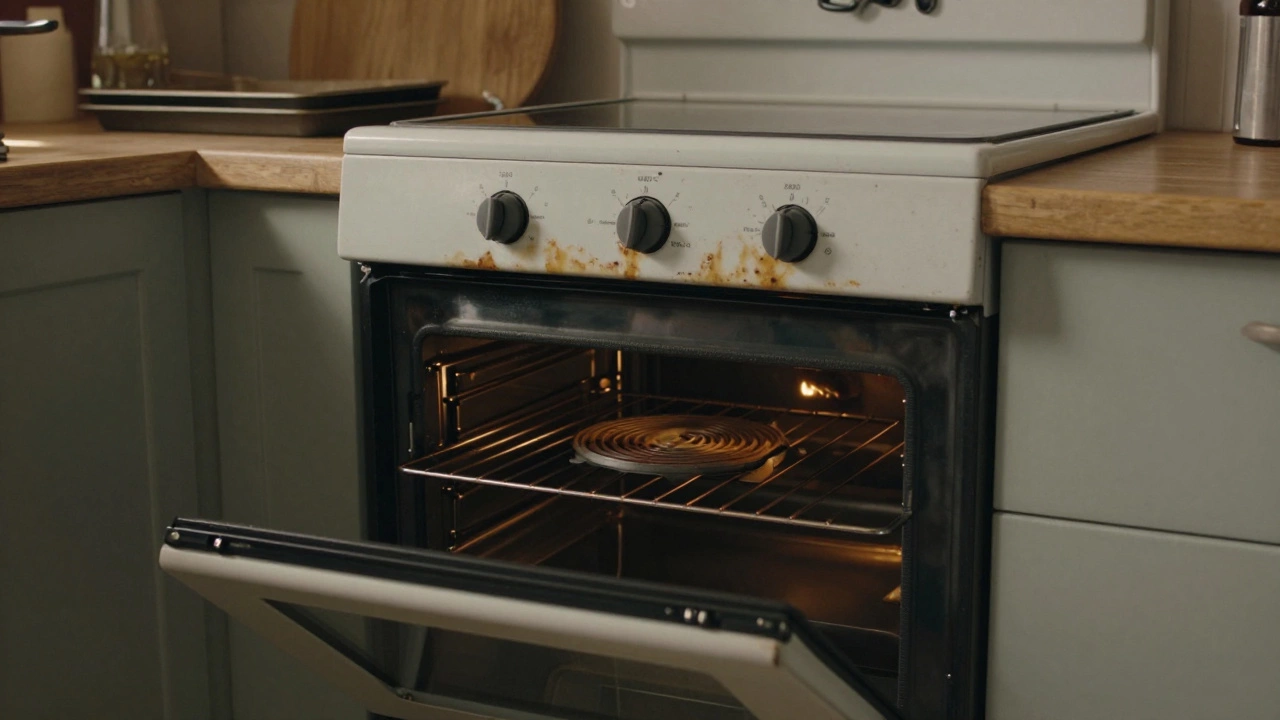
Deciding whether to fix or replace a 20-year-old oven? Learn real repair costs, energy savings, safety risks, and when it’s smarter to buy new. Practical advice for UK homeowners.
Find out when fixing a 15‑year‑old oven makes sense, compare repair costs with buying new, and learn safety, energy and environmental factors to help you decide.

Is fixing a 4-year-old dishwasher actually worth it? Get honest advice, money-saving tips, and clear facts for making the smartest call.
Find out when repairing your dryer isn’t the smart move. Learn real signs, safety warnings, and how to choose between fixing and just getting a new one.

Thinking about whether to repair an 8-year-old oven? This article digs into the real costs and benefits, from repair bills to how long ovens actually last. You'll get tips on diagnosing simple issues yourself, signs to look for before calling a pro, and how energy efficiency compares between old and new models. See how warranties, brand reputation, and parts availability impact the final call. Get advice that’s practical, straight-up, and doesn’t waste your time.

Deciding whether to repair an electric oven after five years can be tricky, especially with advancing technology and evolving household needs. This article explores the practical aspects of oven repair, including cost-benefit analyses, common issues, and DIY tips to help inform your decision. By understanding key factors like repair costs versus replacement options, you can make an informed choice. Learn how to assess the condition of your oven and get tips on when professional help might be needed.

Navigating the decision between repairing or replacing a 10-year-old stove can be challenging. This article explores various factors including repair costs, the longevity of appliances, and energy efficiency to help homeowners make an informed decision. Additionally, it provides tips and insights on evaluating stove performance and when professional help is warranted. Readers will gain a comprehensive understanding of the practical steps they can take if they find themselves in a similar situation.

Wondering if your 20-year-old oven can be repaired? Discover repair tips, replacement part insights, costs, and when it makes sense to swap your old oven for a new one.

Dealing with a lack of hot water can be incredibly frustrating, especially during colder months. This article provides step-by-step guidance to identify and fix common issues with water heaters, ensuring you can tackle minor problems yourself before calling a professional. By understanding the functionality and common problems associated with water heaters, you can save time, money, and avoid inconvenient cold showers.
Curious about how much a new boiler might set you back? This article breaks down the costs involved, from purchasing the unit to installation fees. Understand the factors that influence pricing and learn practical tips to get the most value from your investment. Discover essential maintenance advice and the importance of proper sizing and efficiency ratings. Equip yourself with knowledge before making a decision about your home's heating system.

Discover the essential roles appliances play in our daily lives and learn effective tips for maintaining their efficiency. From refrigerators to washing machines, each appliance features unique mechanics tailored for specific tasks. Grasping these functions is crucial for efficient servicing and longevity. Uncover surprising facts about how appliances work and ground yourself in practical maintenance advice to keep them running smoothly.

Is your heat pump not blowing warm air? Here’s what causes it and how you can troubleshoot the issue. Easy fixes and tips for a cozy home.