Oven Repair vs. Replace Calculator
Enter Your Details
Analysis Result
Why this recommendation?
Enter your costs to see if you should repair or replace your oven.
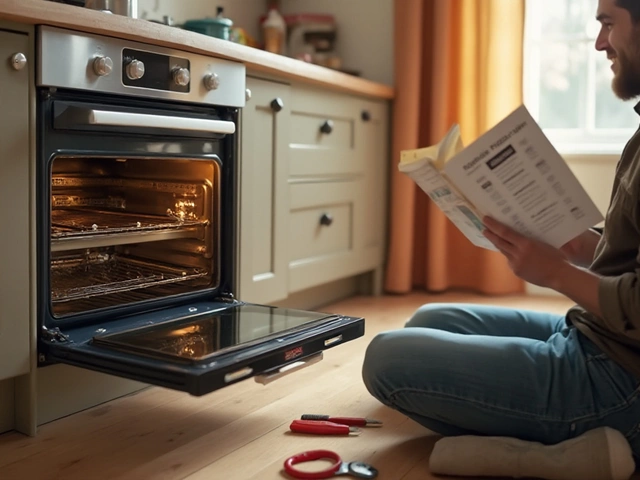
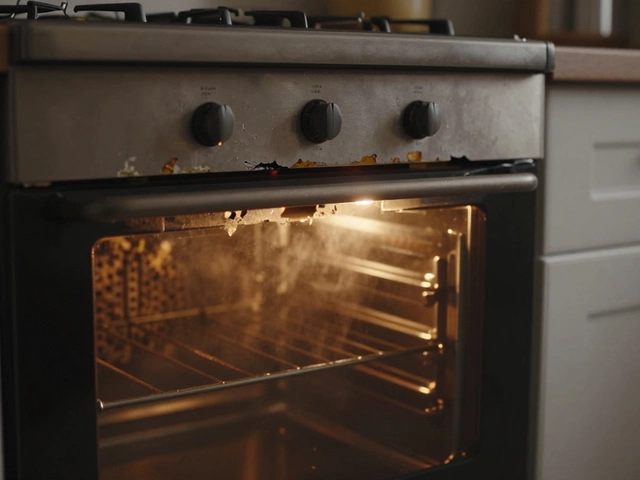
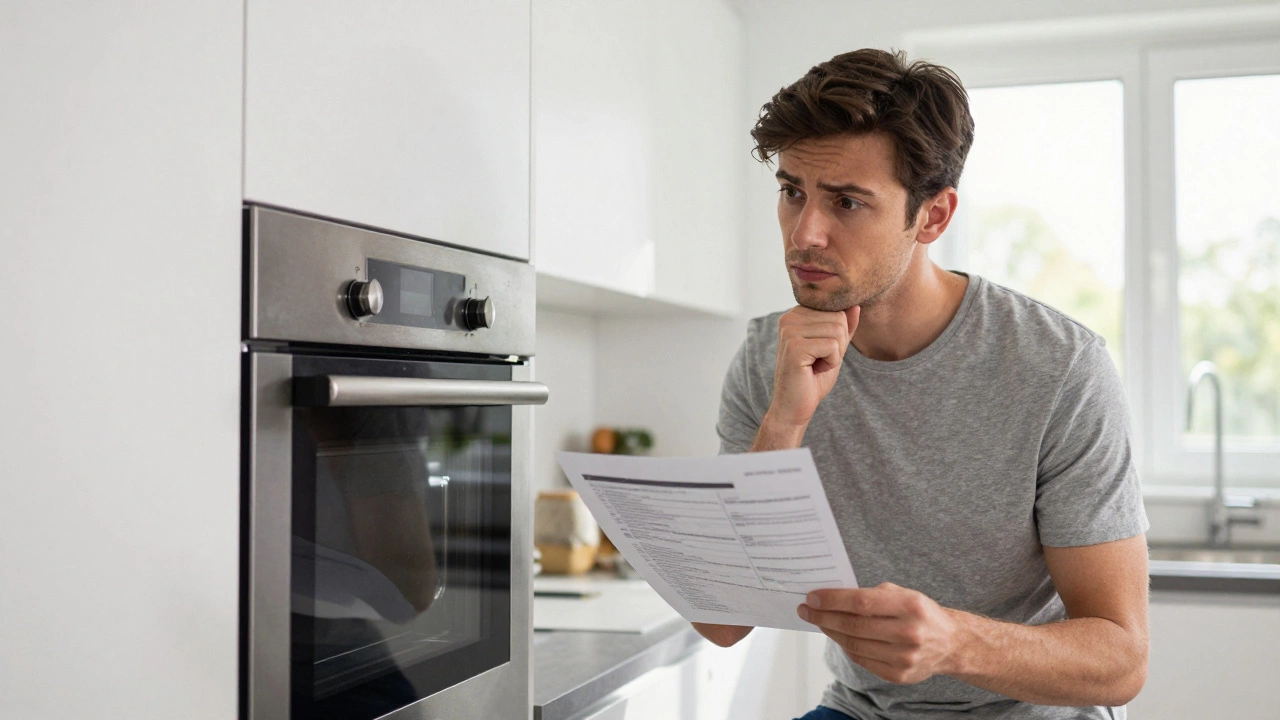
That moment when your trusty oven stops heating properly or the door seal gives out is never fun. You’re standing in the kitchen, staring at a cold roast, wondering if you should call a technician or head to an appliance store. If your oven is ten years old, you are right in the middle of the decision-making gray area. It’s not ancient history, but it’s definitely past its youth.
The short answer? It depends on the cost of the fix versus the price of a new model, but also on how much you value energy savings and modern features. In this guide, we’ll break down the real numbers so you can make a choice that doesn’t hurt your wallet or your patience.
The Golden Rule: The 50% Threshold
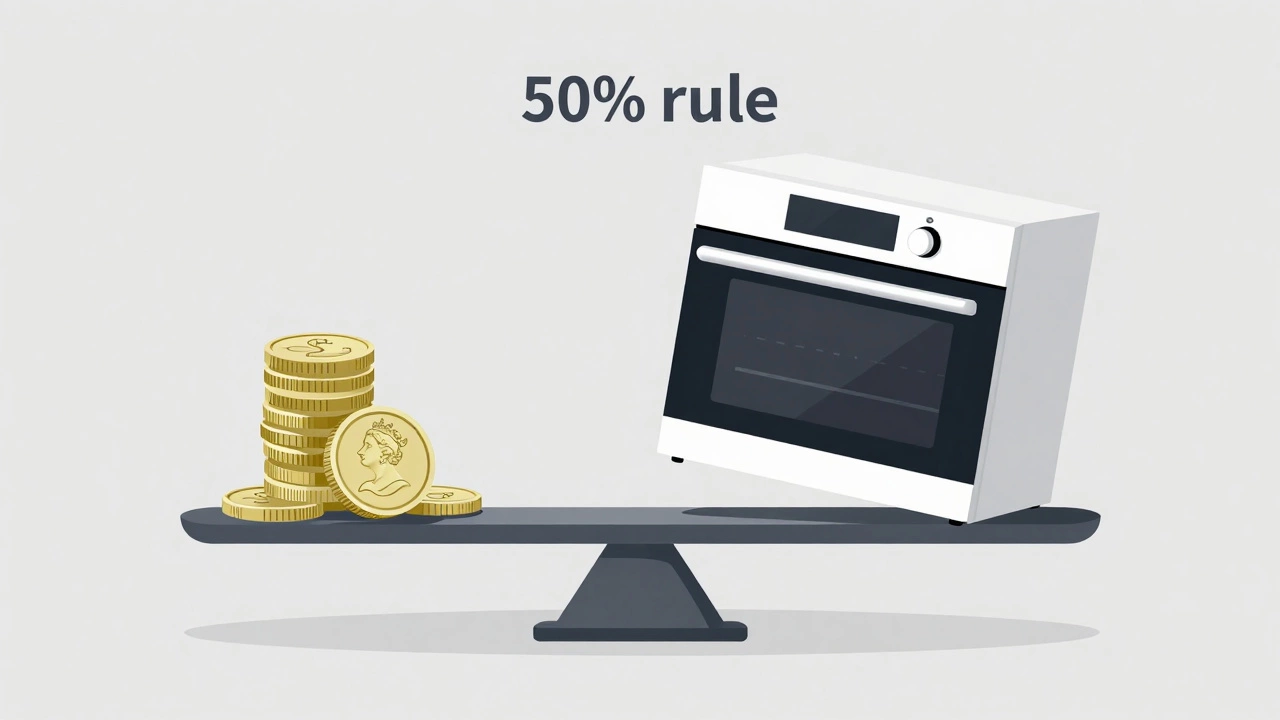
When deciding whether to repair or replace any major appliance, technicians often use a simple rule of thumb. If the cost of the repair is more than 50% of the price of a new equivalent appliance, you should generally replace it. This isn't just about saving money today; it's about avoiding a cycle of repairs that will likely follow as other parts age.
For a standard built-in or freestanding oven in the UK, a new mid-range model typically costs between £300 and £600. High-end models with steam functions or smart connectivity can easily push past £1,000. On the flip side, a basic repair call-out fee plus parts might range from £80 to £150 for minor issues like a faulty thermostat or light bulb. However, major component failures-like a broken heating element, a failed control board, or a motor issue in a self-cleaning cycle-can quickly rise to £200 or more.
If your quote comes back at £250 for a ten-year-old oven that originally cost £400, the math starts to look shaky. You are spending two-thirds of the original purchase price just to keep the lights on, literally. Plus, that new oven will come with a warranty, usually covering parts and labor for one to three years. An old oven has no such safety net.
Energy Efficiency: The Hidden Cost of Age
We often forget that appliances get less efficient as they age. Ten years ago, energy standards were different. While not drastically worse, older ovens tend to lose heat through degraded insulation and worn door seals. Your current oven might be working harder-and using more electricity or gas-to maintain the same temperature as a modern unit.
Modern ovens are designed to preheat faster and hold heat better. Some newer models feature 'eco' modes that optimize energy usage. Over the course of a year, this difference might save you £20 to £50 on your energy bills. It doesn't sound like much, but over the next five years, those savings add up. More importantly, you aren't paying for inefficiency every time you bake a cake or roast a chicken.
Consider this scenario: You spend £150 to fix your old oven. It then uses an extra £30 a year in wasted energy compared to a new model. Within five years, you’ve effectively paid double for that repair. A new oven pays for itself in efficiency while giving you peace of mind.
Common Failures in 10-Year-Old Ovens
Not all breakdowns are created equal. Some issues are cheap and easy fixes, while others signal the end of the line. Knowing what’s broken helps you apply the 50% rule accurately.
- Heating Elements: These wear out over time. If your oven isn't getting hot enough, it might just need a new element. This is a relatively inexpensive part, often costing under £50 including labor. If this is the only issue, repairing is almost always worth it.
- Door Seals (Gaskets): Rubber degrades. If the seal is cracked or brittle, heat escapes. Replacing a seal is cheap, usually around £30-£60. This is a maintenance task, not a major repair, so don't let it scare you into buying a new oven unless the rest of the unit is failing too.
- Control Boards and Electronics: This is where things get expensive. If the digital display is flickering, buttons aren't responding, or the oven won't turn on, the control board might be dead. These parts can cost £100-£200 alone, and labor adds to that. For a ten-year-old unit, this is often a sign to upgrade.
- Thermostats and Sensors: If your food is burning before the timer goes off, or staying raw after the recommended time, the thermostat is likely off. Replacement is moderately priced (£80-£120), but it indicates the internal mechanics are aging.
Features You Miss Without Realizing It
Technology moves fast, even in kitchens. An oven from 2016 lacks several conveniences that have become standard in 2026 models. When weighing your options, consider what you are missing out on.
Newer ovens often include fan-assisted cooking that distributes heat more evenly, reducing hot spots and ensuring your soufflé rises correctly. Many now offer pyrolytic cleaning, which burns off grease at high temperatures, leaving ash that you simply wipe away. If your old oven relies on manual scrubbing or catalytic liners, you know how tedious cleaning can be. Upgrading could save you hours of elbow grease annually.
Additionally, modern designs focus on safety and usability. Better lighting inside the cavity, quieter fans, and intuitive touch controls make daily cooking less frustrating. Some models even connect to Wi-Fi, allowing you to preheat the oven from your phone while you're still at the grocery store. While these aren't essentials, they significantly improve the user experience.
| Factor | Repair | Replace |
|---|---|---|
| Immediate Cost | £80 - £200 (depending on part) | £300 - £800+ (unit + installation) |
| Warranty | Usually 3-6 months on parts/labor | 1-3 years full coverage |
| Energy Efficiency | Lower (older insulation/tech) | Higher (modern standards) |
| Lifespan Remaining | Unpredictable (could fail again soon) | 10-15 years expected |
| Features | Dated (basic functions) | Modern (fan assist, smart cleaning, etc.) |
When Repair Makes Sense
Despite the allure of shiny new appliances, there are valid reasons to stick with your current oven. First, if you are on a tight budget, spreading out costs is sometimes necessary. Paying £100 now is easier than dropping £500 tomorrow. If the repair is minor-like a new light bulb, handle, or seal-it’s foolish to replace the whole unit.
Second, consider the hassle factor. Installing a new oven, especially a built-in model, requires fitting it into existing cabinetry. If your kitchen layout is unique or if you’re renting and can’t make permanent changes, keeping the old one might be the path of least resistance. Removal and disposal of the old unit also cost money and effort, adding another £50-£100 to the replacement total.
Finally, if your oven is a high-end brand that holds value, like a Miele or Bosch, the build quality might justify the repair. These brands often have longer lifespans and cheaper parts availability compared to budget lines. A £200 repair on a £1,200 oven is a no-brainer.
Signs It’s Time to Let Go
Sometimes, the signs are obvious. If the oven has been repaired twice in the last three years, it’s crying out for retirement. Frequent breakdowns indicate systemic failure. Other red flags include rust forming inside the cavity, persistent strange smells that cleaning doesn’t fix, or doors that no longer close tightly despite seal replacement.
If you find yourself constantly adjusting cooking times because the temperature is unreliable, your sanity is worth more than the cost of a new appliance. Cooking should be enjoyable, not a guessing game. A new oven provides consistency, which leads to better meals and less food waste.
Next Steps for Your Decision
Start by getting a diagnostic quote. Call a local technician and ask for an estimate before they start work. Ask specifically about the part needed and its cost. Compare this number to the price of a similar new oven at retailers like Currys, John Lewis, or Amazon. Don't forget to factor in delivery and installation fees for the new unit.
If the repair cost is low and the oven otherwise works well, go ahead and fix it. Maintain it regularly by cleaning spills immediately and checking seals. If the cost is high, or if multiple components are showing wear, bite the bullet and replace it. Look for models with good energy ratings (A or higher) and read reviews focusing on reliability and ease of cleaning.
Remember, this is your kitchen. It should work for you, not against you. Whether you choose to repair or replace, make the choice based on clear facts, not fear of change. Your future self will thank you for a reliable, efficient oven that makes cooking a pleasure rather than a chore.
How long does an oven typically last?
Most electric ovens last between 10 to 15 years with regular use. Gas ovens may last slightly longer, up to 15-20 years, due to simpler mechanical components. However, frequency of use and maintenance play significant roles. Heavy daily users might see their oven degrade faster than occasional bakers.
Is it safe to use a 10-year-old oven?
Yes, provided it is functioning correctly and has been maintained. Safety concerns arise if there are exposed wires, gas leaks (for gas ovens), or electrical faults. Regular inspections by a qualified technician can ensure safety. If the oven trips circuit breakers frequently or emits burning smells, stop using it immediately.
Can I install a new oven myself?
Freestanding ovens are plug-and-play, making DIY installation straightforward. Built-in ovens require careful measurement and secure mounting within cabinetry. Gas ovens must be installed by a Gas Safe registered engineer in the UK due to legal safety requirements. Electric built-ins can be DIY if you are comfortable with wiring, but professional installation ensures compliance with building regulations.
What is the most common oven repair?
The most common repairs involve replacing heating elements, fixing faulty thermostats, or replacing door seals. These components wear out over time due to heat exposure and frequent opening/closing. Control board issues are also frequent in older digital models.
Does repairing an old oven increase home value?
Generally, no. Buyers expect appliances to be in working order, but they rarely pay extra for a repaired decade-old unit. In fact, a brand-new oven can be a selling point during property viewings, suggesting the kitchen has been recently updated. If you are planning to sell your home soon, replacing outdated appliances might offer a better return on investment.