

If your boiler is making odd noises, losing pressure, or just won’t heat your home, you’ve probably felt that rush of panic. The good news? Many common issues have simple fixes, and you don’t always need a pricey call‑out. Below we break down the most frequent problems, give you step‑by‑step DIY tips, and tell you exactly when it’s time to let a qualified technician take over.
First, safety comes first. If you smell gas, see water leaking, or notice any electrical sparks, shut off the boiler and call a certified professional immediately – do not try to fix those yourself. For everything else, a quick visual check and a few basic tools are often enough.
Typical DIY‑friendly tasks include resetting the pressure valve, bleeding radiators, and cleaning the condensate pipe. All you need is a screwdriver, a key for the pressure gauge, and a bucket. If you’re not comfortable moving the boiler or working with gas fittings, skip the DIY and book Bognor Regis Appliance Repair Experts. Their technicians are trained to handle gas, oil, and electric boilers safely.
1. Low Boiler Pressure – Low pressure shows up as a gauge reading below 1 bar. Turn off the boiler, locate the filling loop (usually a silver braided hose), and open both valves briefly until the gauge hits 1.2–1.5 bar. Close the valves and restart the boiler. If the pressure drops again within a day, you may have a leak that needs professional attention.
2. No Hot Water – Check the thermostat setting first; it’s easy to overlook. Next, look at the diverter valve (the part that sends hot water to taps or radiators). If it’s stuck, gently tap it with a rubber mallet. When that doesn’t help, a technician can replace the valve – it’s a common repair cost for Bognor Regis homeowners.
3. Boiler Making Noise – Gurgling usually means air in the system. Bleed each radiator using the bleed key until water flows out without sputtering. Kettling (a loud rumble) often points to limescale in the heat exchanger. A professional flush can clear the buildup, but you can also add a descaling solution if you have a compatible system.
4. Pilot Light Won’t Stay Lit – If you have an older gas boiler with a pilot, the thermocouple may be dirty or faulty. Clean the thermocouple with fine sandpaper; if the pilot still won’t stay lit, replace the thermocouple – a cheap part that DIY‑ers can change in under an hour.
5. Condensate Pipe Frozen – In winter, the condensate pipe can freeze, causing the boiler to shut down. Warm the pipe with a hairdryer or wrap it in warm water. For a long‑term fix, insulate the pipe or install a small electric heating tape.
These fixes cover about 80 % of the everyday boiler hiccups you’ll meet around the house. If after trying them the boiler still misbehaves, it’s time to call a pro. A qualified technician can run a safe pressure test, check the gas valve, or replace the heat exchanger if needed.
When you do call for help, have these details ready: boiler make and model, age of the unit, any error codes displayed, and a brief description of what happened before the fault. Providing clear info speeds up diagnosis and can lower the call-out cost.
At Bognor Regis Appliance Repair Experts, we understand that a broken boiler isn’t just an inconvenience – it can leave your whole home cold. Our team offers same‑day service, transparent pricing, and a 100 % satisfaction guarantee. Whether you need a quick reset or a full boiler overhaul, we’ve got the tools and experience to get your heating back on track.
Remember: keep the user manual handy, perform regular pressure checks, and bleed radiators at least once a season. Small maintenance steps go a long way toward preventing costly breakdowns. And when in doubt, give us a call – we’ll be there fast, friendly, and ready to fix the problem right the first time.

Discover who legally fixes boilers in the UK. Learn why you need a Gas Safe registered engineer, not just a plumber, and understand the qualifications, costs, and safety checks involved in boiler repair.
Is it worth repairing a 20-year-old boiler? Learn the costs of repair vs replacement, energy efficiency gains, and when to stop spending on old heating systems.
Find out if a broken boiler always means no hot water. Learn common causes like diverter valve failure, low pressure, and how to troubleshoot your system.
Learn the 7 clear signs your boiler is broken, from cold radiators to strange noises and gas smells. Know when to repair and when to replace before winter hits.
Not all plumbers can fix boilers-only Gas Safe registered engineers can legally work on gas systems. Learn when to call a plumber vs. a heating engineer, how to verify qualifications, and what to expect from a boiler service.
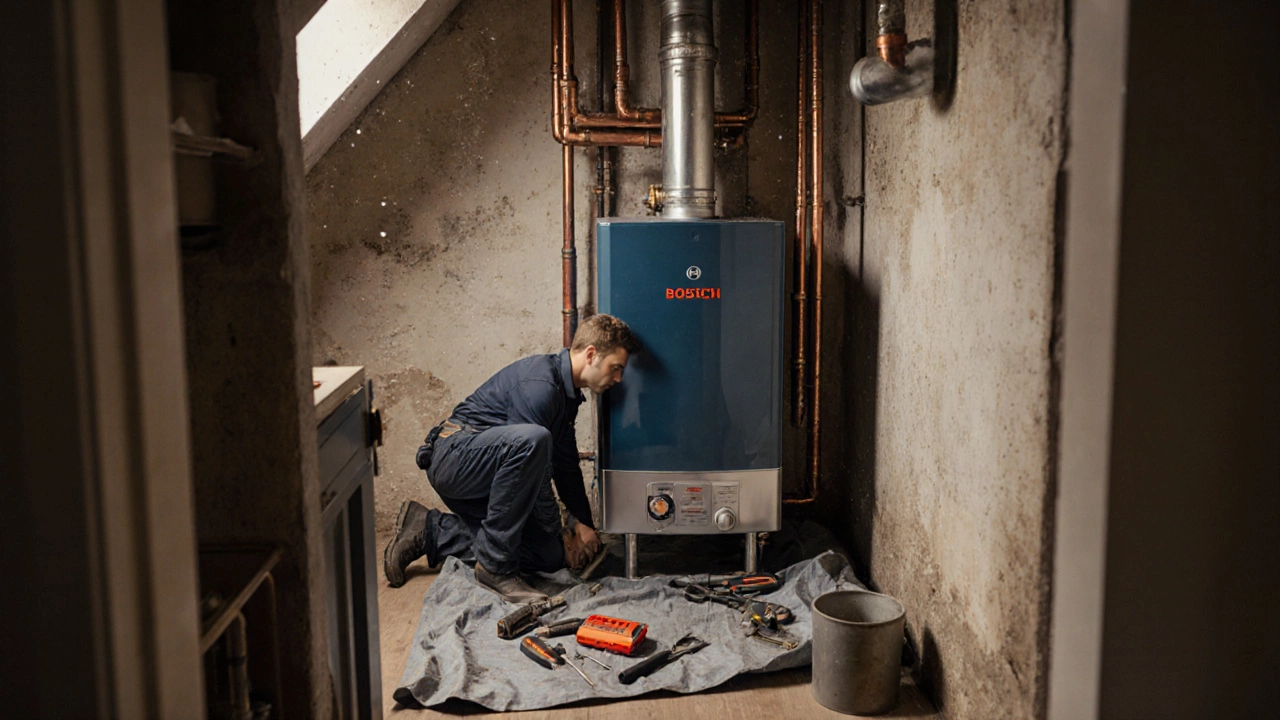
Replacing a boiler costs thousands because it's not just the unit-it's labour, safety checks, pipe upgrades, and compliance. Learn why this big investment is necessary and how to avoid overpaying.

If your boiler stops working, know who to call and what to do immediately. This guide covers emergency steps, how to find a Gas Safe engineer, repair costs, and how to prevent future breakdowns in the UK.
A practical UK guide that tells you exactly who to call when your boiler fails, how to verify a qualified engineer, and what steps to take before and after the repair.
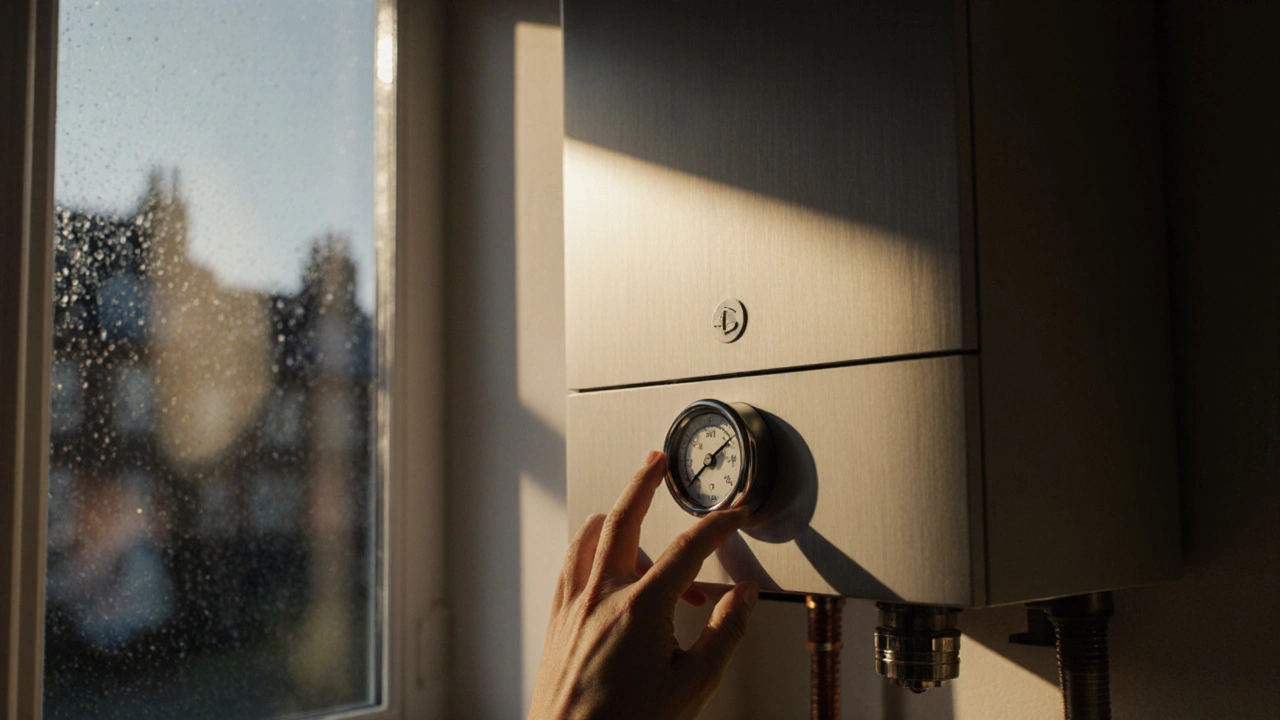
Step‑by‑step guide to diagnose common boiler problems, covering pressure, thermostat, fault codes, leaks, and when to call a professional.
Discover when to worry about your boiler, warning signs to watch, and smart tips for safe use. Get practical advice to avoid major boiler headaches.

Looking for the right person to service your boiler? Here’s what you need to know about boiler service, finding qualified engineers, costs, and why it matters in 2025.

Discover how much boiler service costs in 2025, what affects the price, what's included, and tips to save money while keeping your heating safe and reliable.
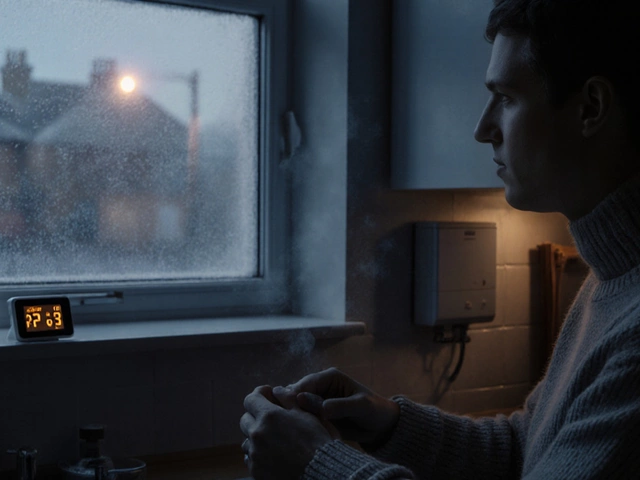
Find out how much boiler repair costs in 2025, what factors affect the price, typical price ranges, and tips to get fair quotes and save money.

Deciding whether to repair or replace a refrigerator can be a puzzling task for most homeowners. Factors like the age of the fridge, the cost of repairs, and energy efficiency play crucial roles in this decision. Getting a new fridge might seem attractive with the latest features, but sometimes repairing your old one is the better choice. Before making a move, it’s essential to weigh the pros and cons to make an informed choice.

Gas hobs can suddenly stop working for a bunch of reasons, from ignition troubles to blockages or problems with gas supply. This article breaks down the main causes, so you don't have to guess what went wrong. You'll learn easy troubleshooting steps and a few quirky facts about why these appliances get stubborn. With some quick checks, you might even save yourself a call to the repair guy. Know when it’s a simple fix and when it’s time for a pro.
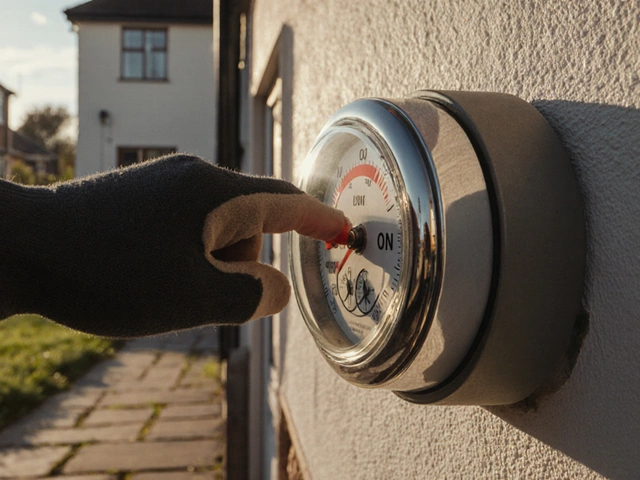
Learn why all your gas appliances might stop working, how to safely troubleshoot common issues, and when to call a Gas Safe engineer.
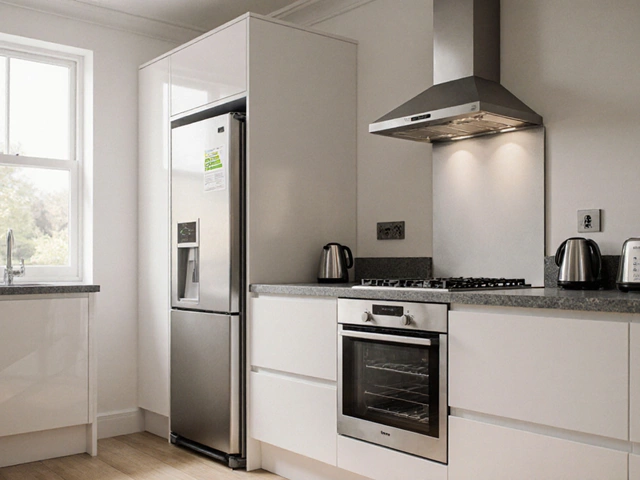
Learn what qualifies as an appliance in UK homes, including major vs. small appliances, what doesn't count, and why the distinction matters for repairs and insurance. Clear, practical guide for homeowners.