

If your extractor fan has gone silent, you’re probably dealing with stale air, lingering smells, and a damp mess that just won’t quit. The good news? Most fan failures are easy to spot and fix, and you don’t always need a pricey call‑out. Below we’ll walk through the usual culprits, quick DIY checks, and the clear signs that it’s time to bring in a pro – especially if you live in Bognor Regis and want the job done right the first time.
First, let’s rule out the low‑hanging fruit. A fan that won’t spin is often just a power issue. Check the circuit breaker or fuse box – a tripped breaker is the simplest fix. If the fan still stays dead, look at the power cord and switch. Loose connections or a worn switch can cut electricity before it even reaches the motor.
Next up is the motor itself. Over time, dust and humidity can cause the motor bearings to seize. You’ll hear a faint hum or feel a slight vibration if the motor is alive but jammed. A quick clean‑out of the fan housing, removing built‑up grease and lint, can free a stuck motor. Just be sure to turn off the power at the fuse box before you start.
Another frequent offender is a blocked vent. Kitchen fans pull in steam and grease; bathroom fans trap humidity. If the ductwork is clogged with debris or the vent cap is blocked by nests or leaves, airflow stops and the fan appears broken. Detach the duct, clear any blockage, and snap the vent cover back in place.
Lastly, some fans have built‑in humidity sensors that shut the unit off when they fail. If your fan stops randomly and you’ve ruled out power and blockage, it could be a faulty sensor or control board. Those parts usually need a professional’s touch.
DIY can solve most simple problems, but there are clear moments when you should call the experts. If you’ve checked the breaker, cleaned the housing, cleared the duct, and the fan still won’t run, the motor or wiring may be damaged. Trying to replace a motor yourself without the right tools can lead to electrical hazards or further damage.
Also, if the fan is hard‑wired into your home’s electrical system, you’ll need a qualified electrician. In Bognor Regis, our technicians are fully insured and know the local building codes. They’ll safely disconnect power, replace faulty parts, and test the fan to make sure it’s running at peak efficiency.
Another red flag is unusual noises – grinding, rattling, or a high‑pitched squeal. Those sounds often mean internal components are worn out. A professional can diagnose the exact cause, order the correct replacement, and avoid the guesswork that can cost you more in the long run.
When you call us, we’ll arrive on time, explain what went wrong in plain English, and give you a clear quote before any work begins. Our goal is to get your fan back up so you can enjoy a fresh, dry space without waiting weeks for a repair.
In short, start with the easy checks – power, switch, clean the fan, clear the vent. If those steps don’t bring your fan back to life, skip the risky DIY and let a local Bognor Regis expert handle the job. A functioning extractor fan not only keeps your home smelling great but also prevents costly moisture damage down the line.

Replacing a bathroom extractor fan is often a simple DIY job that prevents mold and moisture damage. With the right tools and a little care, most homeowners can do it in under two hours. Learn how, what to buy, and when to call a pro.
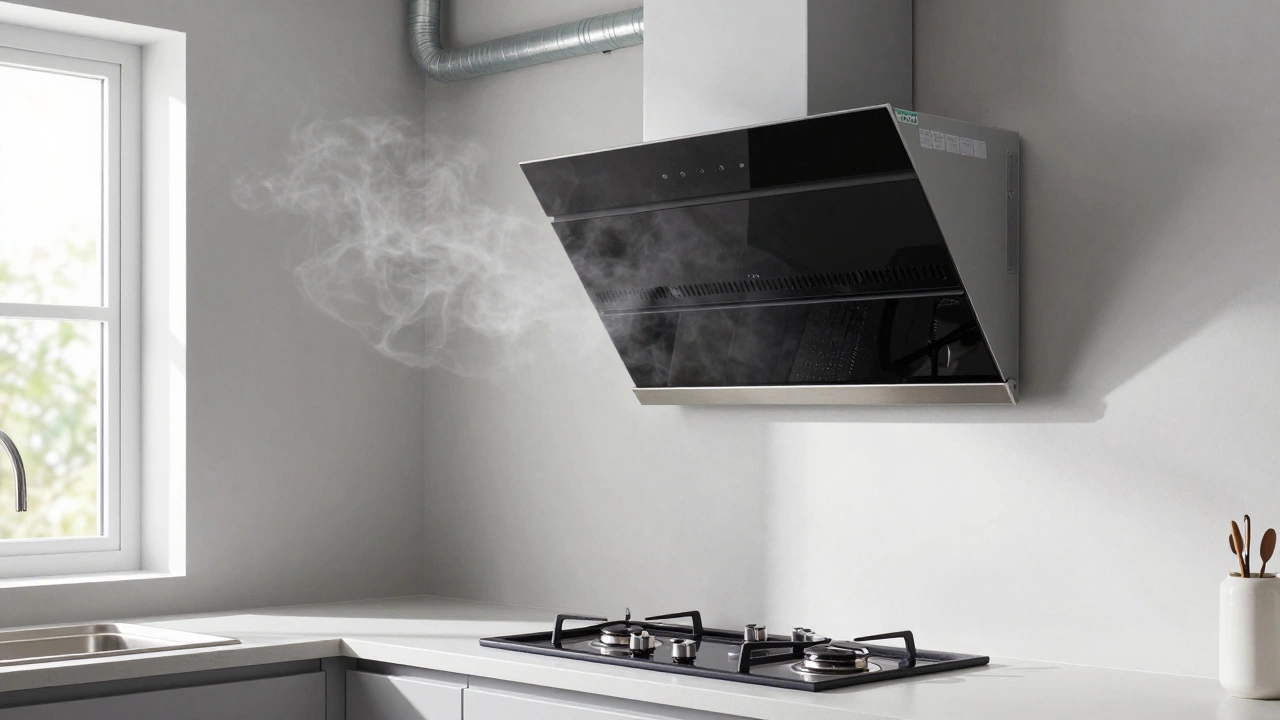
In the UK, you legally need an extractor fan in your kitchen if you have a gas hob or have done major renovations since 2006. Learn what the regulations require and why skipping it could cost you more than installing one.
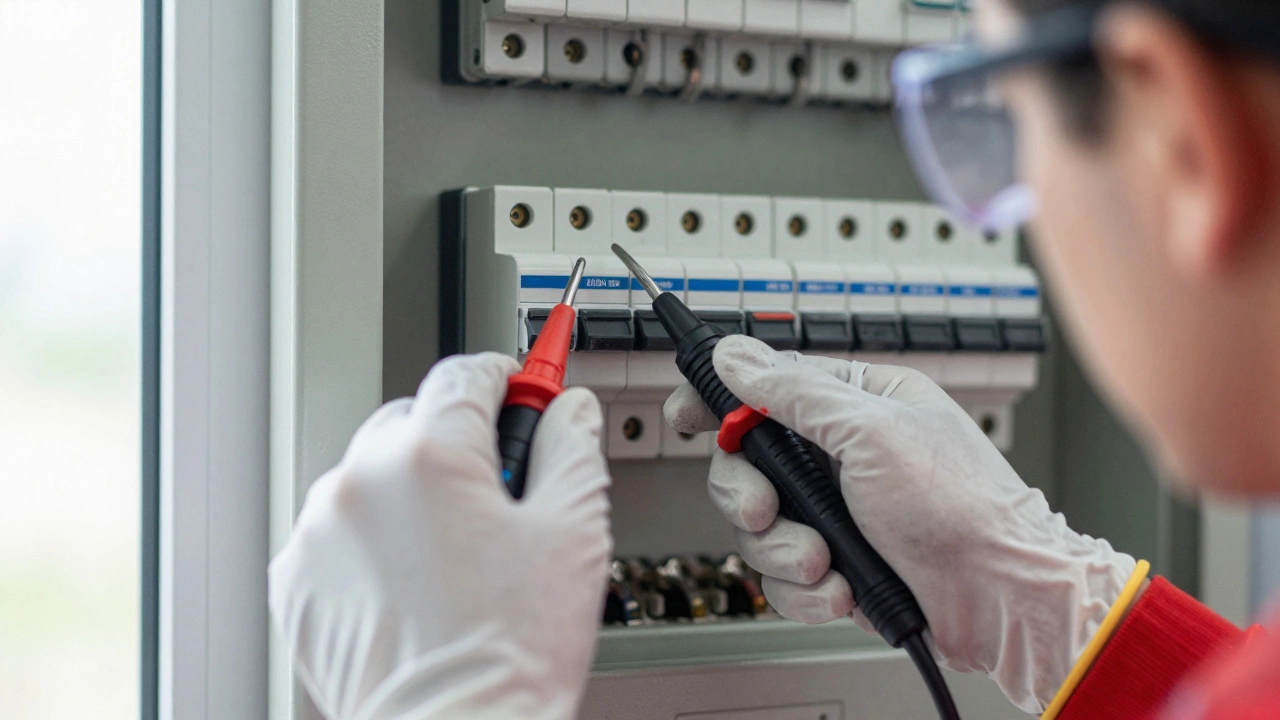
Learn how to safely clean your extractor fan motor to improve airflow, reduce odors, and prevent costly repairs. This guide covers safety steps, tools needed, and step-by-step instructions for a thorough clean.
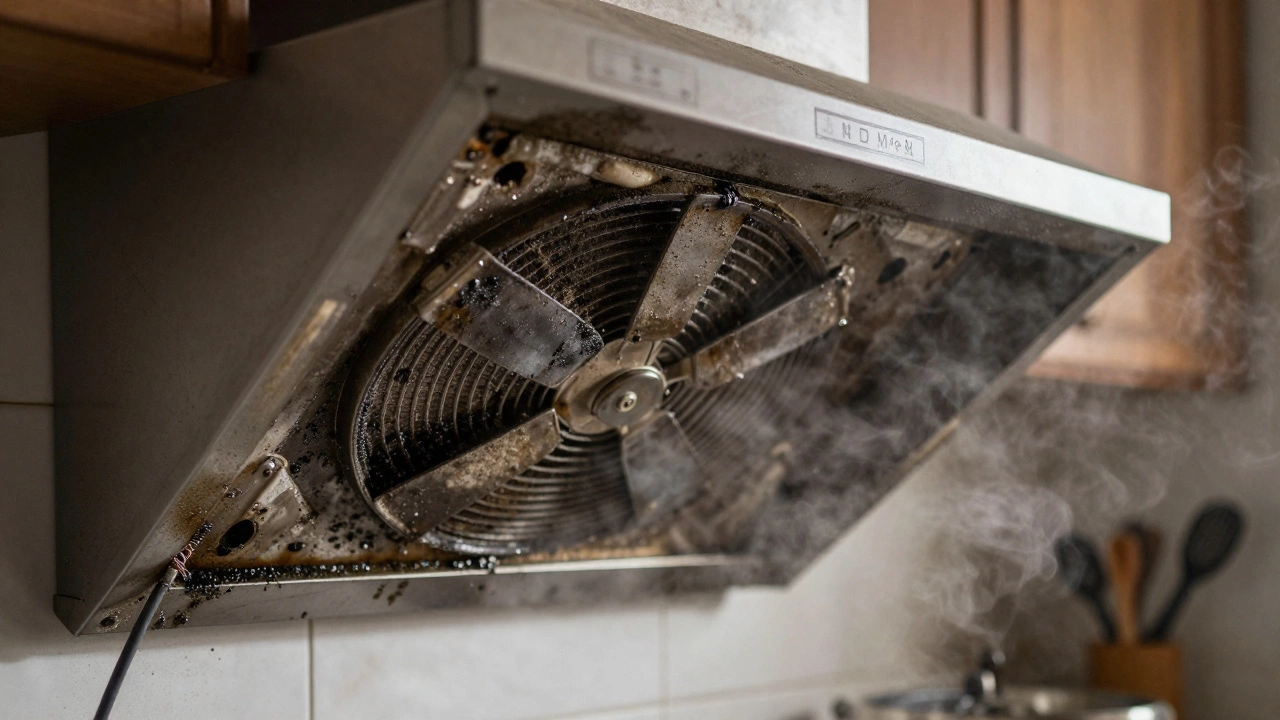
Kitchen extractor fans typically last 10-15 years, but grease buildup and lack of cleaning can cut that in half. Learn the signs it's time to replace yours and how to choose a better model.
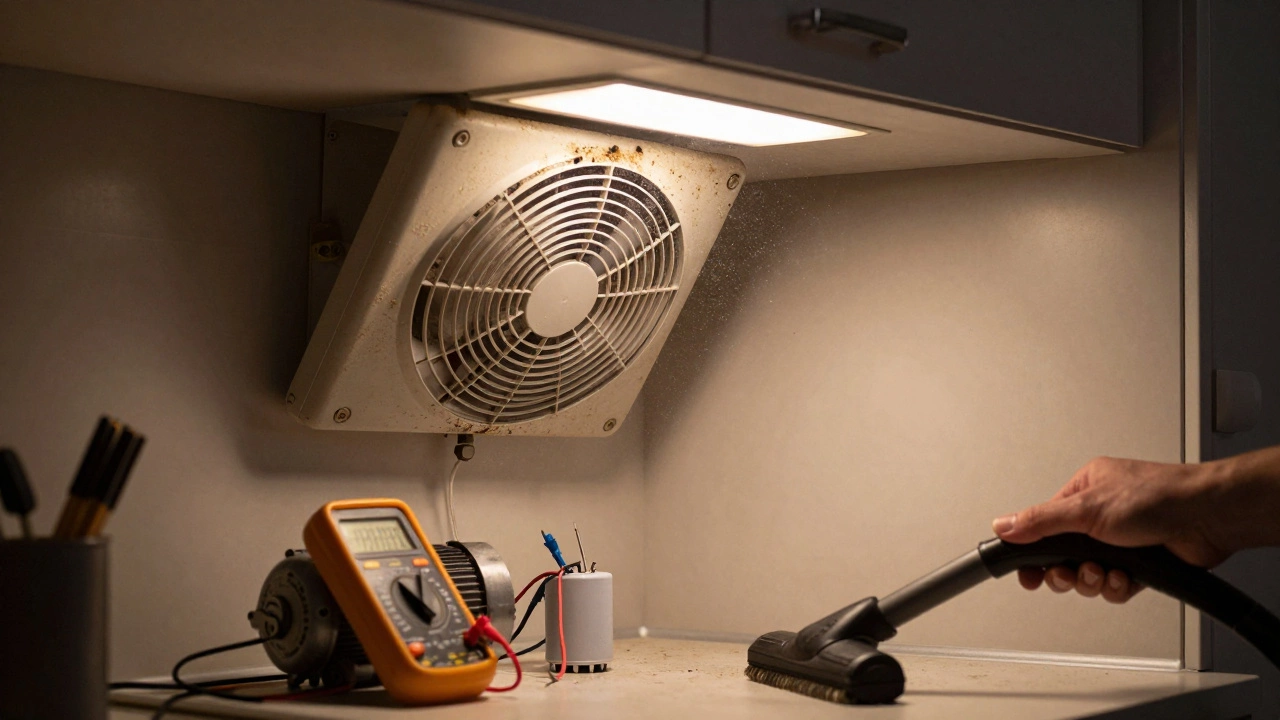
If your extractor fan suddenly stopped working, check the power, capacitor, and airflow first. Most issues are fixable without replacing the unit. Learn how to diagnose and repair common fan failures safely and affordably.

Plumbers can install extractor fan ductwork, but only electricians can legally wire them. Learn who to call for safe, code-compliant installation and how to avoid costly mistakes.
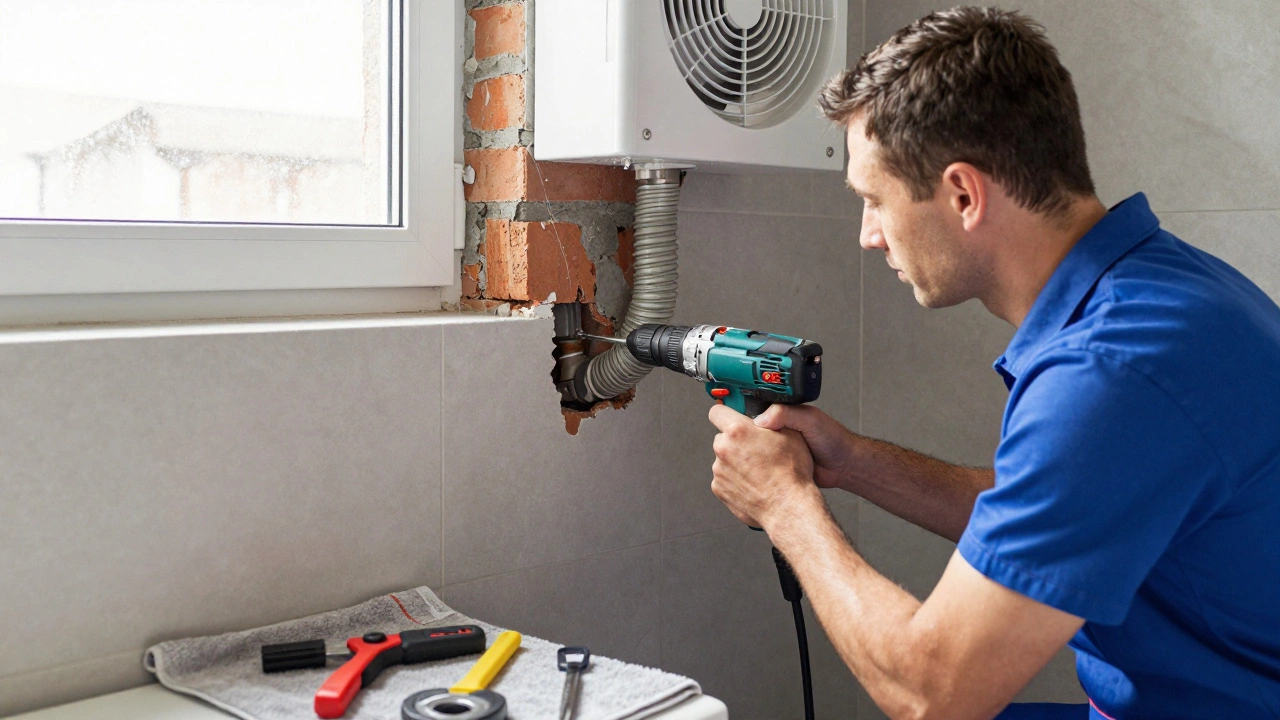
Can a plumber fit an extractor fan? While they can install the unit, only a qualified electrician can legally and safely handle the wiring. Learn what you need to know before hiring anyone.
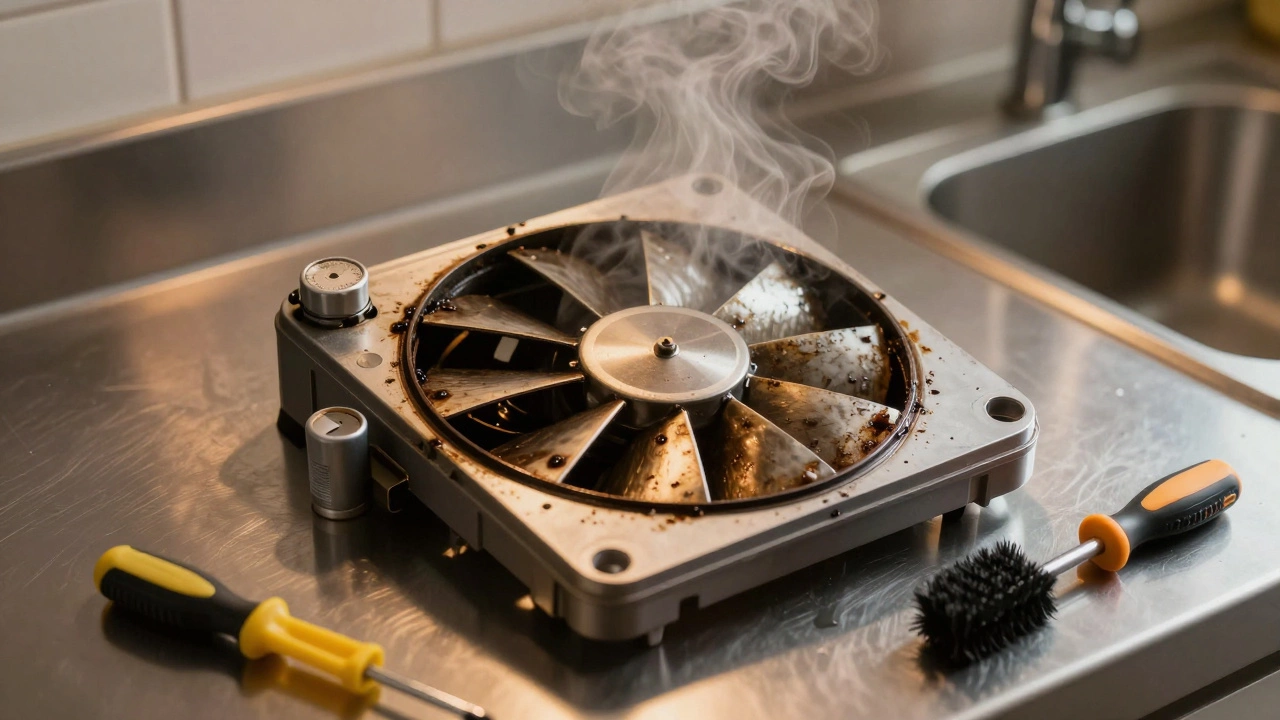
Most extractor fans can be repaired with simple fixes like cleaning, capacitor replacement, or tightening parts. Learn when DIY works and when to call a pro to avoid costly damage from damp and mold.
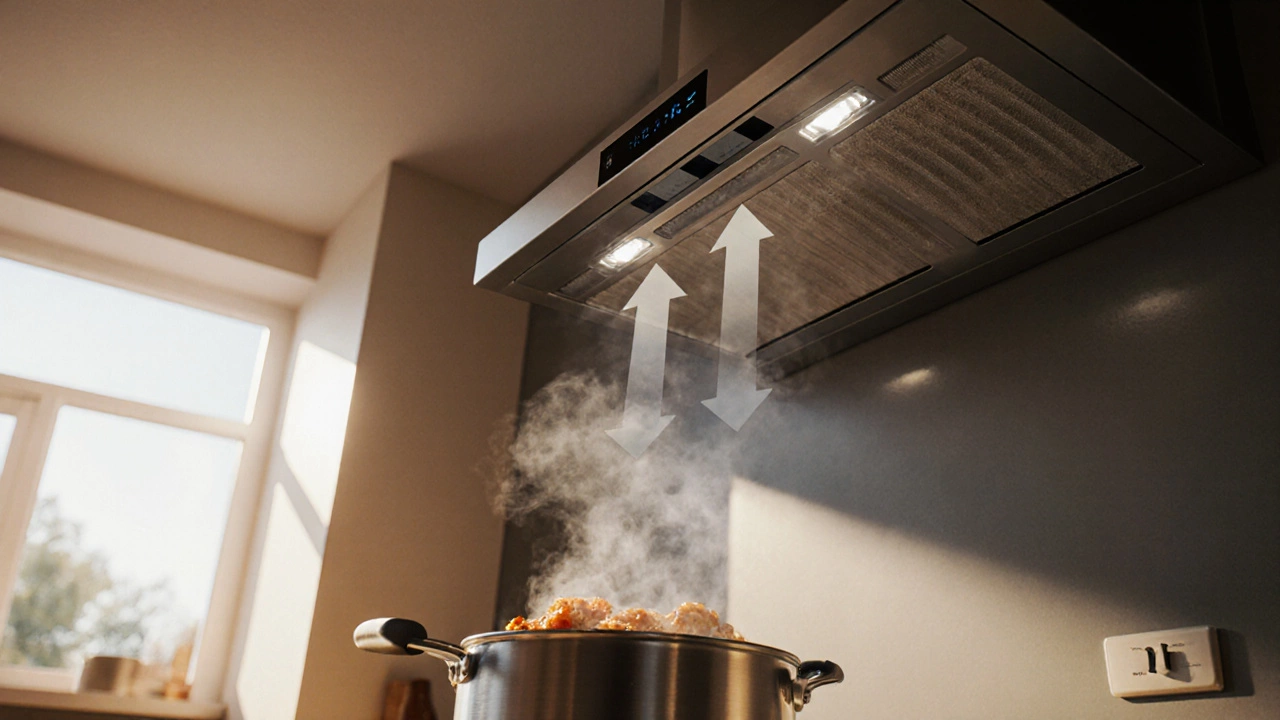
Find out if leaving your extractor fan on is safe, how much energy it uses, and the best practices to protect your home while keeping the kitchen fresh.
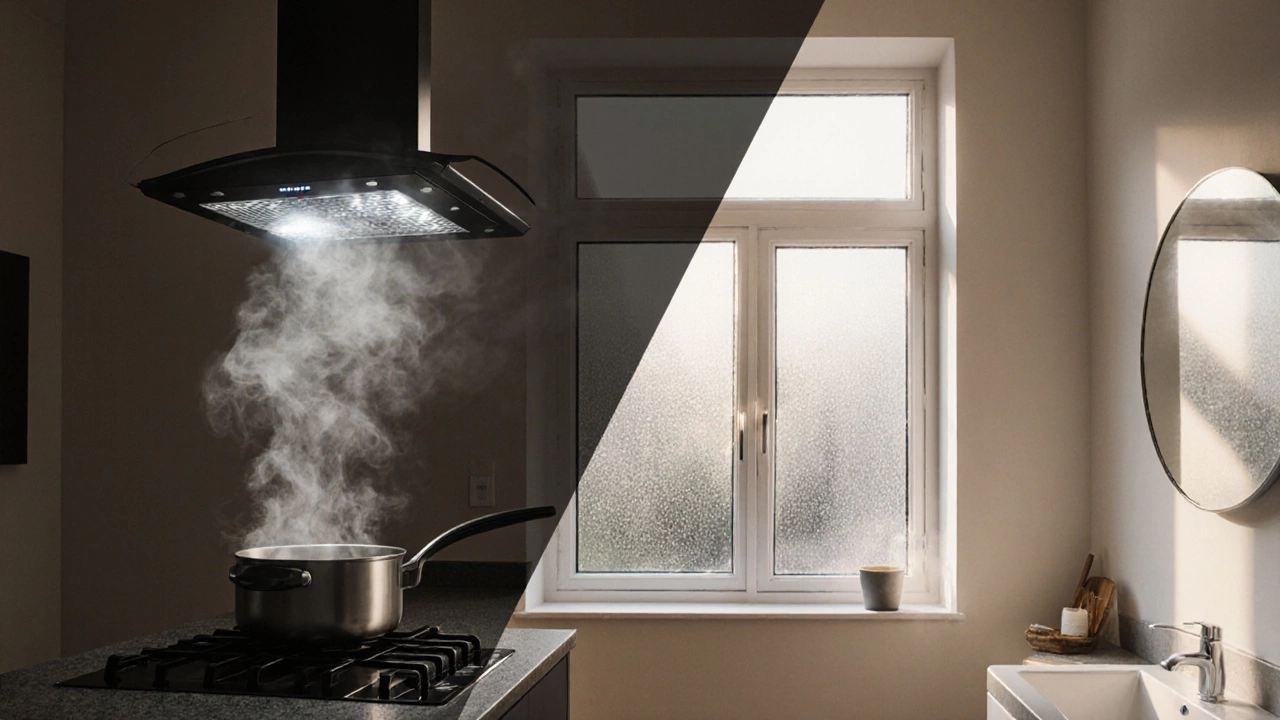
Explore whether you can live without an extractor fan, covering UK regulations, health risks, passive ventilation tricks, dehumidifier use, and when a mechanical fan becomes essential.

Wondering if you can change your kitchen extractor fan yourself? This guide covers steps, safety, tools, common mistakes, and installation tips for a smooth DIY experience.

Wondering how often you should replace your extractor fan? This article covers extractor fan lifespan, signs it's time for a change, maintenance tips, and why fresh air matters.
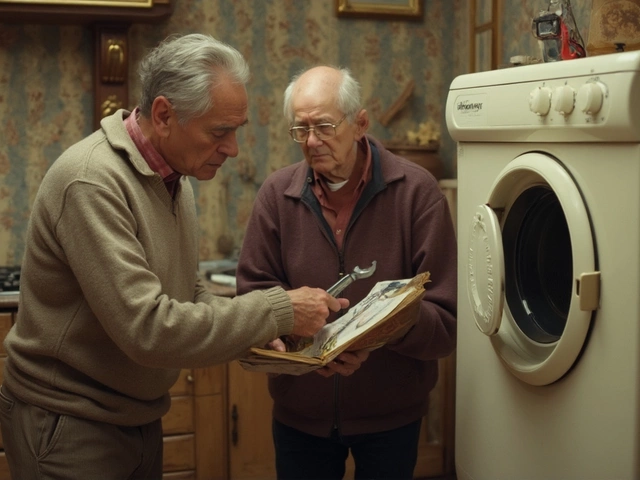
Wondering if fixing your tumble dryer makes sense? This article dives into crucial considerations like repair costs, common issues, and when to replace. Avoid costly mistakes by learning signs that scream 'repair!' or 'replace!' Smart tips help you make the right decision for your dryer woes.
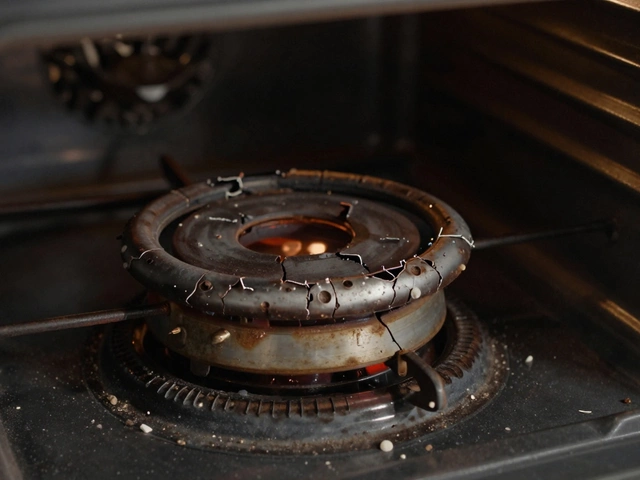
If your oven won't heat up, it's usually a simple fix-like a broken element, faulty thermostat, or blown fuse. Learn the most common causes and how to diagnose them yourself before calling a repair technician.
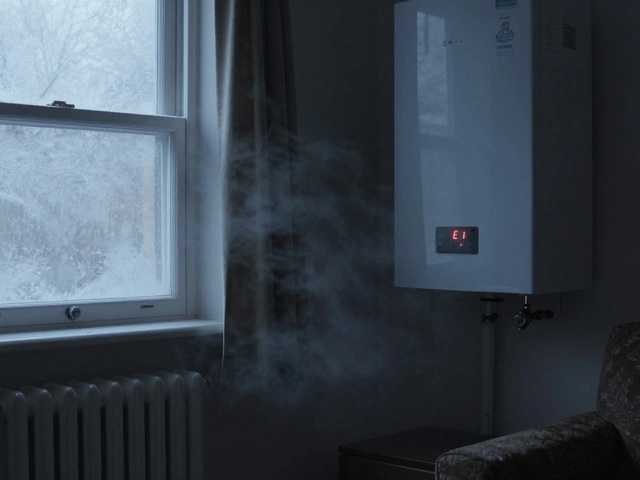
Learn the 7 clear signs your boiler is broken, from cold radiators to strange noises and gas smells. Know when to repair and when to replace before winter hits.

Stuck between fixing or swapping your boiler? Discover the real facts, costs, tips, and how to make the right call for your property, budget, and comfort.
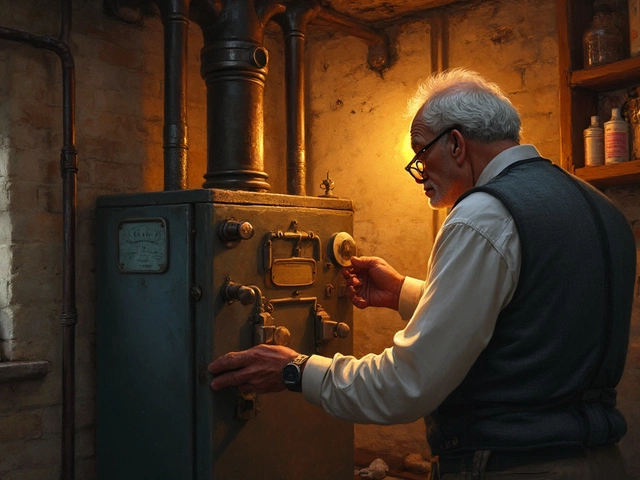
Boiler lifespan can vary greatly depending on usage, maintenance, and type. On average, boilers last anywhere from 10 to 15 years. Regular maintenance is key to prolonging the life of your boiler and ensuring it functions efficiently. In this article, discover how to keep your boiler in top shape and when it might be time to replace it.