

If you’ve ever stood under a cold shower because the water heater acted up, you know how frustrating it can be. The good news? Most water‑heater problems are preventable with a few simple habits. Below you’ll find down‑to‑earth advice that helps you spot issues early, do safe DIY checks, and know exactly when to call in a pro.
First, grab a flashlight and look at the heater’s exterior. Is there any rust, corrosion, or leaking around the valve? A tiny drip can turn into a flood if you ignore it. Next, feel the temperature of the water coming out of the tap. If it’s consistently lukewarm, the thermostat might be set too low or the heating element could be failing.
Most electric water heaters have a reset button on the top or side. When the heater trips, it’s usually because it overheated. Press the reset, then wait a few minutes to see if hot water returns. If the heater keeps resetting, you’re likely dealing with a more serious fault such as a broken heating element or a faulty thermostat. Don’t keep hitting the reset – that can worsen the problem.
Another quick test is the pressure‑relief valve. Lift the lever a little; you should hear a short hiss of water escaping. If water keeps flowing or you hear a loud rush, the valve is stuck and needs replacement.
Finally, give the tank a quick flush once a year. Over time, sediment builds up at the bottom, making the heater work harder and shortening its lifespan. Turn off the power or gas, attach a garden hose to the drain valve, and let the water run until it’s clear. It’s messy, but it adds years to your unit.
If you’ve tried the reset, checked for leaks, and flushed the tank but hot water is still missing, it’s time to call a qualified technician. Issues like a cracked tank, electrical faults, or gas‑line problems are not safe for DIY fixes. A certified engineer can test the heating elements, replace a faulty thermostat, and ensure everything meets safety regulations.
Another sign you need a pro is a strange smell. A rotten‑egg odor means a gas leak, while a metallic smell often points to a failing anode rod, which protects the tank from corrosion. Both situations require expert attention.
Lastly, keep an eye on the age of your unit. Most water heaters last 8‑12 years. If yours is older and you’re already dealing with frequent repairs, replacing it might be cheaper in the long run. A new, energy‑efficient model can lower your bills and give you reliable hot water for years.
In short, a little regular upkeep – checking for leaks, resetting the safety button, flushing sediment, and watching for odd smells – goes a long way. When the problem feels beyond a quick fix, don’t gamble with safety; let a professional handle the heavy lifting. Your hot water will thank you, and you’ll avoid surprise repair costs down the line.
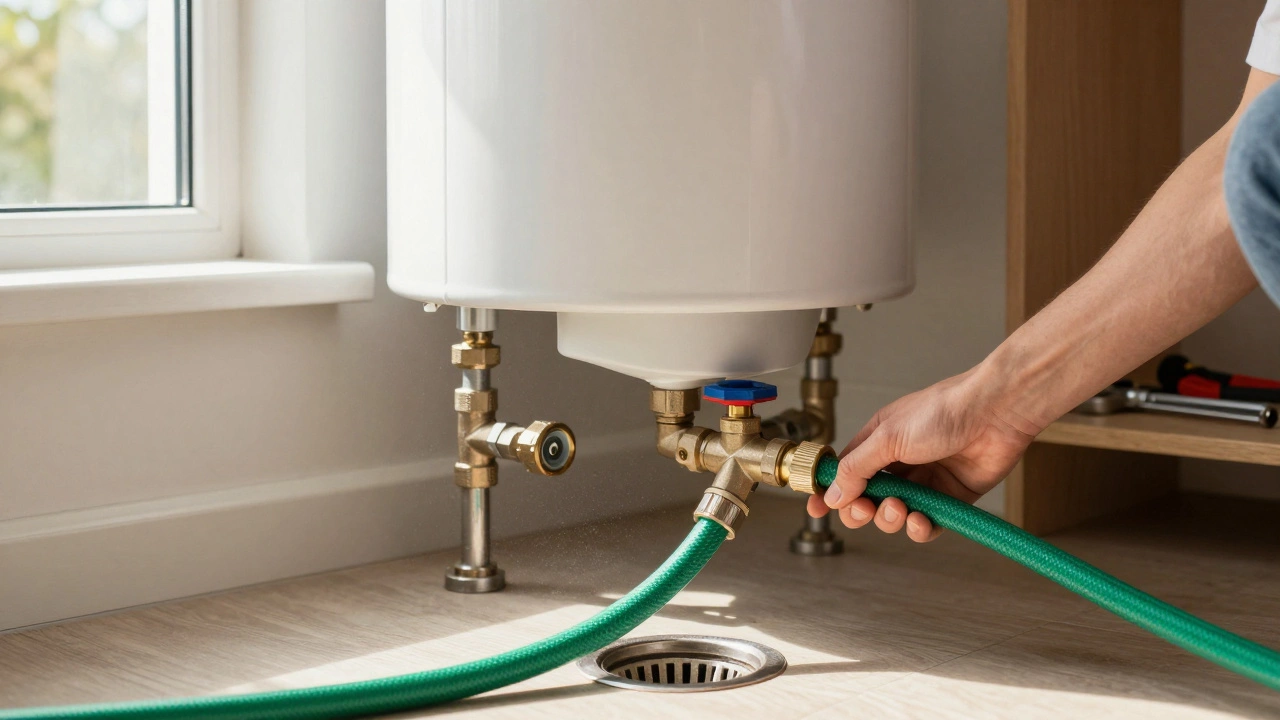
Learn essential water heater maintenance tasks like flushing sediment, checking the anode rod, and testing safety valves to extend lifespan and improve efficiency.
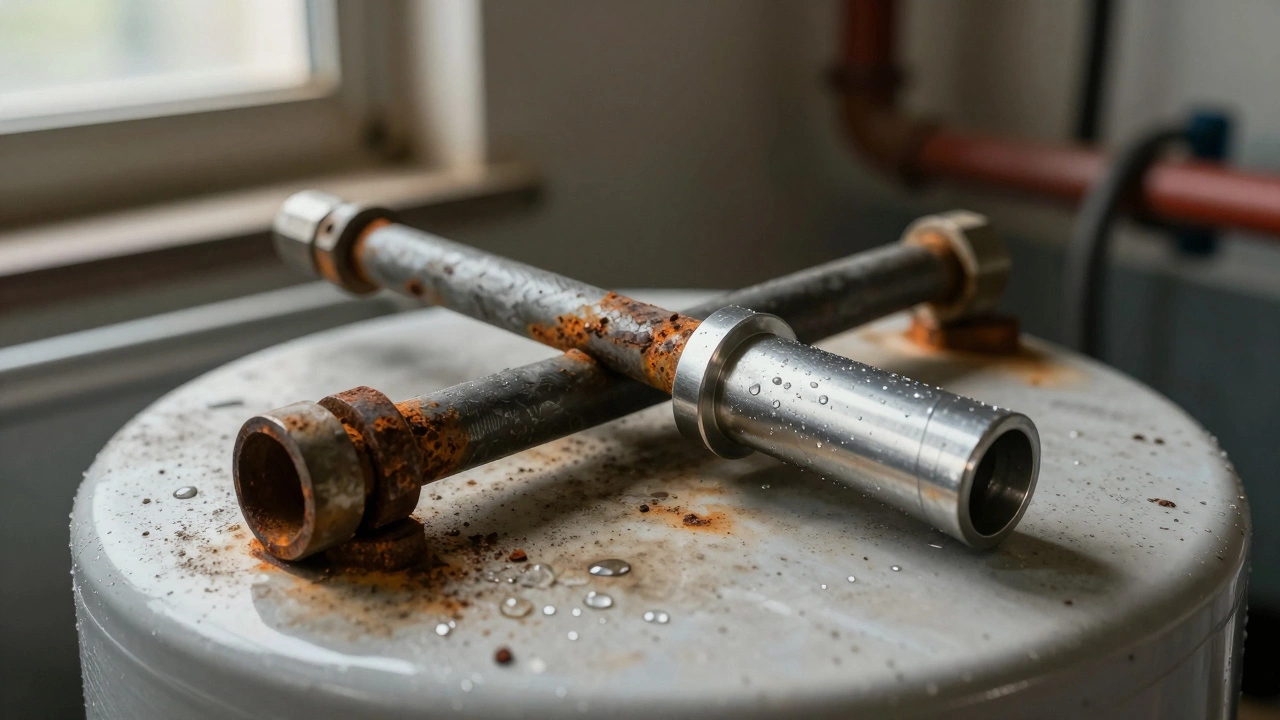
Replace your water heater's anode rod every 1-2 years in hard water areas to prevent tank corrosion. A simple £20 part can save you hundreds in repairs.
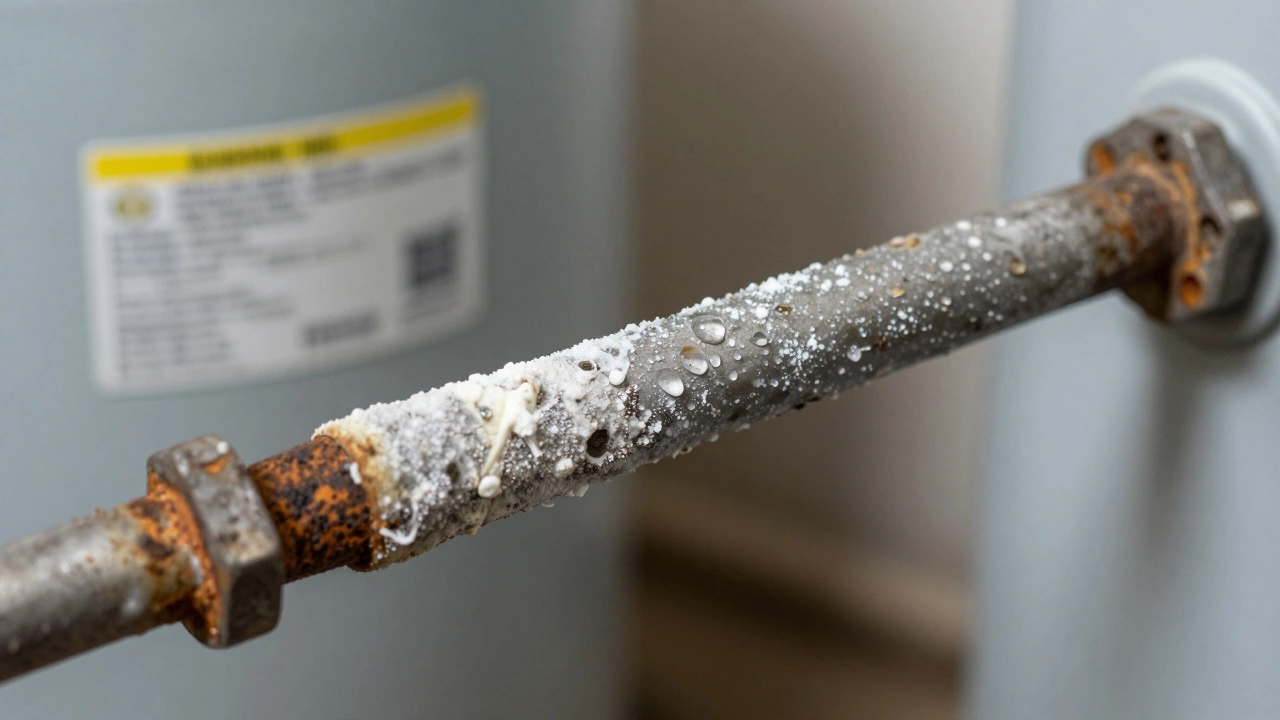
Water heaters commonly fail due to anode rod corrosion, heating element burnout, thermostat issues, and tank rust. Learn the top 5 causes and how to prevent them before you're left with no hot water.
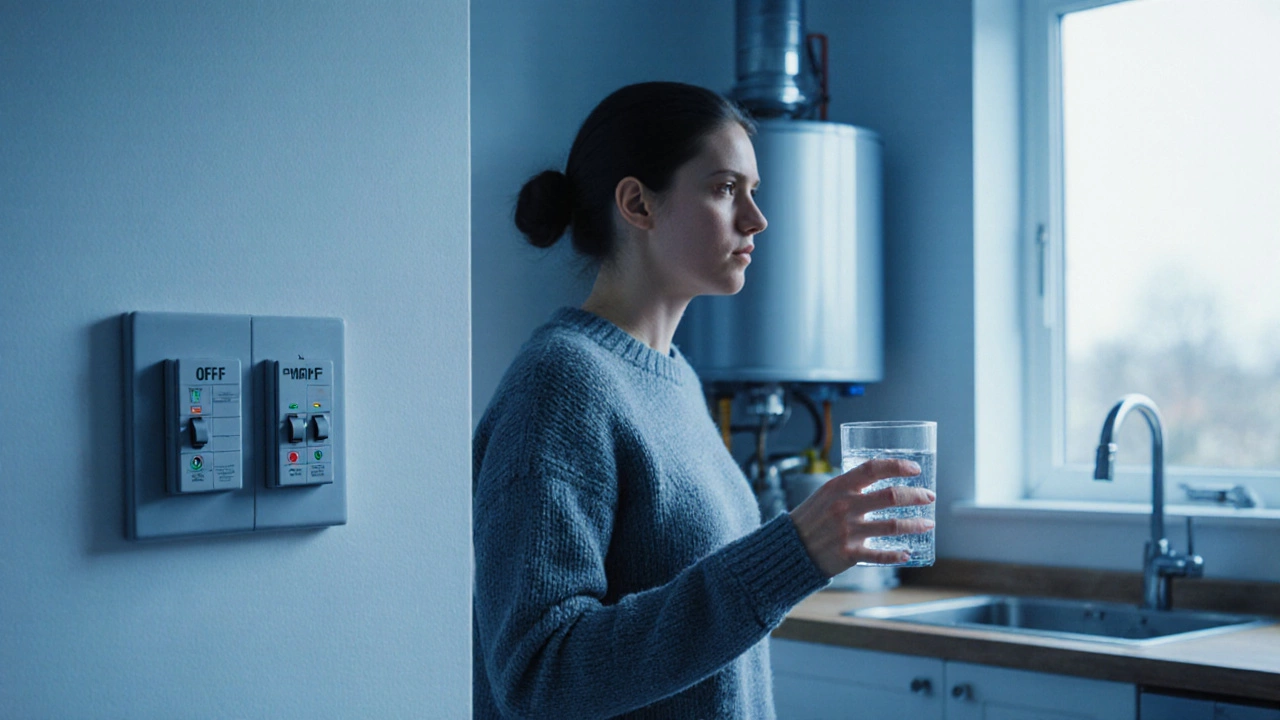
Learn fast DIY steps to diagnose and fix a non‑working water heater, plus safety tips, maintenance advice, and when to call a professional.
Is it possible for a hot water heater to last 30 years? Here’s a detailed look at what determines water heater longevity, what rare cases look like, and how you can extend your heater’s life with smart habits.

Learn how often to flush your water heater, why it matters, signs it's time, mistakes to avoid, and simple steps to, maintain hot water at home.
Wondering if you can flush your water heater yourself? Learn the step-by-step process, tools you'll need, and expert tips to extend your water heater's life.
Water heaters don't last forever, so it’s important to know how long yours might stick around. Generally, these devices are built to last about 8 to 12 years, but several factors can influence their longevity. By understanding signs of wear, maintenance tricks, and when it's time to say goodbye to your old model, you can ensure hot showers won't become a thing of the past. Let's break down everything you need to know about your water heater's lifespan.
Wondering how long your water heater should last? This article dives into the expected lifespan of various types of water heaters, factors impacting their longevity, and signs it might be time for a replacement. With practical tips on maintenance, you can extend the life of your heater and avoid breakdowns. Learn what to watch out for to ensure you have hot water when you need it, without unexpected surprises.
Replacing the anode rod in a water heater can extend its lifespan and prevent costly repairs. This article breaks down the cost of replacement, including materials and labor, and discusses why it's a crucial part of water heater maintenance. Discover how often anode rods should be checked and what signs indicate it's time for a replacement. Whether you DIY or hire a pro, understanding these factors can save you money and stress.
Deciding whether to repair or replace your hot water heater can feel overwhelming. This article explores practical considerations, including the age of the unit, repair costs, and long-term benefits. By understanding essential factors like energy efficiency and potential savings, homeowners can make informed decisions. Discover useful tips and interesting facts to help you choose the best course of action for your specific situation.
Flushing your water heater is an essential maintenance task that can extend its lifespan and improve efficiency. As water heaters age, sediment and minerals build up, potentially leading to costly repairs or irreparable damage. Learn how often you should flush a ten-year-old water heater and whether it's worth considering professional help. Discover practical tips and insights for maintaining this critical home appliance effectively.

Wondering how long you can cope with a broken boiler? Get clear facts, repair timelines, survival tips, and legal details so you don’t get left in the cold.
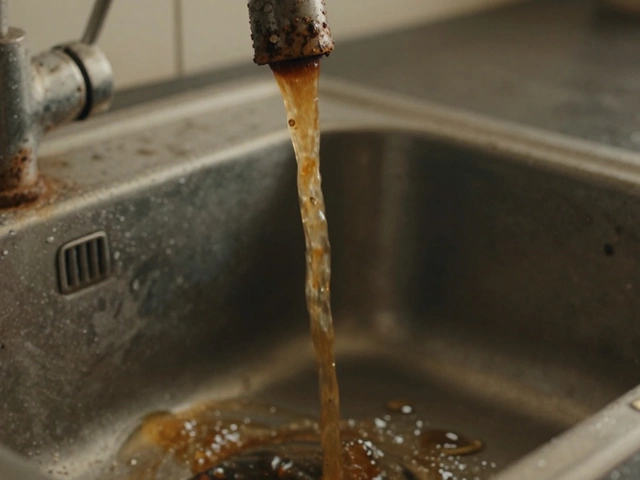
Watch for rusty water, leaks, strange noises, or no hot water-these are clear signs your water heater is failing. Age, higher bills, and bad smells mean it’s time to replace it before it breaks down.
Learn exactly how to reset your electric hob when screens freeze or zones fail. This guide covers universal power cuts, button combinations, and recognizing genuine faults versus false alarms.
Struggling with a kitchen extractor fan that's lost its power? This guide explains how to find and fix common blockages that cause bad smells and poor airflow. Learn step-by-step how to safely clean your fan and make it work like new, plus get handy maintenance tips to stop future clogs. We break down the process so you don't need tools or special skills. Get your kitchen back to normal without calling in an expert.

Ever opened your freezer to find squishy ice cream or thawed food when it should be rock solid? This article digs into the real reasons your freezer refuses to stay frozen, from simple mistakes to sneaky mechanical fails. Learn how to spot common culprits, fix minor issues yourself, and know when things are actually serious. Packed with practical tips and straightforward advice, you'll get the cold facts and solutions you need. No jargon, just help you can actually use.