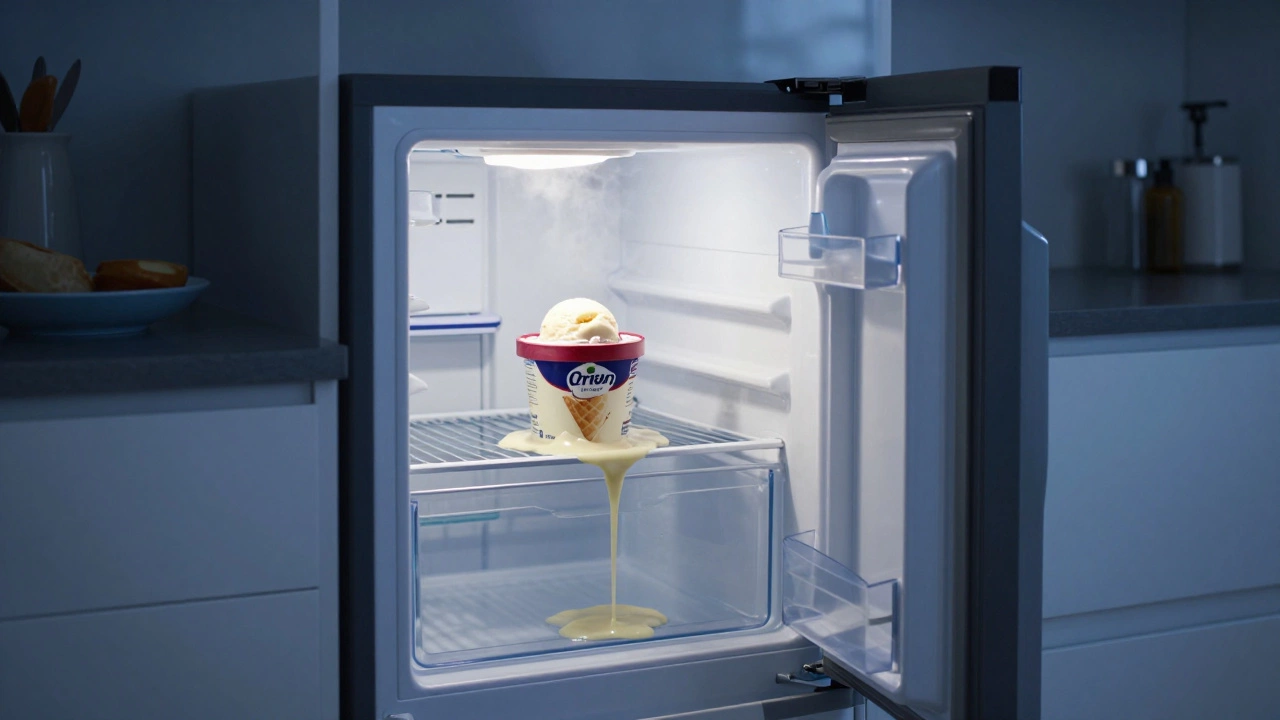
There is nothing quite like the panic of opening your freezer door to find it warm. Or worse, finding that your ice cream has turned into a puddle on the shelf. When this happens, the first question that pops into your head is usually: "Is this thing dead, or can it be saved?" To answer that, you need to know one key metric: how long should a freezer actually last?
The short answer is that most freezers have a life expectancy of between 10 and 15 years. However, this number isn't set in stone. A high-end chest freezer might easily hit 20 years, while a cheap under-counter model might give up the ghost after just five. Understanding where your specific unit sits on this timeline can save you hundreds of pounds in unnecessary repairs or prevent food spoilage from waiting too long.
Before we get into the nitty-gritty of diagnostics and repair costs, it helps to look at the broader context of appliance ownership. For instance, if you are managing household logistics or planning for future moves, resources like kizdar net can sometimes offer unexpected insights into local services and community networks, though for now, let's keep our focus firmly on keeping your frozen goods safe.
Factors That Determine How Long Your Freezer Lasts
Not all freezers are created equal. The lifespan of your appliance depends heavily on three main factors: the type of freezer, the brand quality, and how you treat it. Let's break these down so you can estimate what to expect from your current setup.
Chest Freezers are the workhorses of the freezing world. Because they open from the top, cold air stays inside even when the lid is propped open. This means the compressor doesn't have to work as hard to maintain temperature. As a result, chest freezers often last 15 to 20 years or more. They have fewer moving parts (no hinges on doors that sag over time) and simpler insulation structures.
In contrast, Upright Freezers are convenient but mechanically more complex. They use shelves, drawers, and door seals that wear out faster. The average lifespan here is closer to 10 to 12 years. If you have a built-in freezer integrated into your kitchen cabinetry, expect a slightly shorter life due to poor ventilation around the condenser coils, which forces the motor to run hotter and harder.
Brand reputation plays a role, but not as big as you might think. While premium brands like Liebherr or Bosch often use higher-grade compressors, budget brands like Beko or Indesit have improved significantly. The bigger differentiator is build quality versus cost-cutting measures. Cheaper models often use thinner plastic liners that crack and lose insulation value over time, leading to premature failure.
Signs Your Freezer Is Reaching the End of Its Life
You don't always need a calendar to tell you when your freezer is dying. The machine will usually give you warnings before it quits completely. Here are the most common signs that your appliance is nearing the end of its useful life:
- Frequent cycling: If the compressor turns on and off every few minutes instead of running for longer cycles, it’s struggling to maintain temperature. This puts immense strain on the motor.
- Excessive frost buildup: Some frost is normal in non-frost-free models. But if you’re defrosting every week or seeing thick ice layers in a frost-free unit, the defrost heater or thermostat is likely failing.
- Strange noises: A gentle hum is normal. Loud buzzing, clicking, or grinding sounds indicate bearing issues in the fan or compressor. These mechanical failures rarely fix themselves.
- Warm spots: If the back wall of the freezer is warm to the touch, or if certain sections are consistently warmer than others, the refrigerant may be leaking or the insulation has degraded.
- Rising electricity bills: An aging freezer becomes inefficient. If your energy bill spikes without other changes in usage, your old appliance might be drinking power like water.
If you notice two or more of these signs, it’s time to start thinking about replacement rather than repair. Patching up an old unit often leads to more problems down the line.
To Repair or Replace? Making the Smart Financial Choice
This is the dilemma most homeowners face. You hear a noise, or the temperature drops, and you wonder: "Should I call a technician or buy a new one?" There’s a simple rule of thumb used by appliance experts: the 50% rule.
If the cost of the repair is more than 50% of the price of a new, comparable freezer, replace it. Why? Because new appliances come with warranties, better energy efficiency, and modern features. Older units, especially those over 10 years old, lack these benefits. Plus, repairing an old compressor or replacing a sealed system component is labor-intensive and expensive.
| Issue | Typical Repair Cost (£) | Recommendation |
|---|---|---|
| Door seal replacement | £30 - £60 | Repair (if unit is <8 years old) |
| Thermostat failure | £80 - £120 | Repair (if unit is <10 years old) |
| Compressor failure | £250 - £400+ | Replace (almost always) |
| Refrigerant leak | £150 - £300 | Replace (environmental regulations make this costly) |
| Defrost heater issue | £70 - £100 | Repair (if unit is <9 years old) |
Keep in mind that labor costs in the UK have risen steadily. A technician’s visit fee alone can range from £50 to £80. Add parts and markup, and small fixes quickly add up. For older units, the investment rarely pays off in extended lifespan.

How to Extend Your Freezer’s Lifespan
If your freezer is still within its expected lifespan, you can take steps to ensure it reaches the full 10-15 years. Maintenance is surprisingly simple and doesn’t require technical skills.
- Clean the condenser coils regularly. Dust and pet hair accumulate on the coils (usually at the back or bottom front). This insulates them, forcing the compressor to work harder. Vacuum or brush them every six months.
- Check door seals monthly. Close the door on a piece of paper. If you can pull it out easily, the seal is weak. Clean gaskets with warm soapy water to remove grime that prevents a tight seal.
- Avoid overloading. Air needs to circulate to keep temperatures even. Packing items tightly blocks airflow, causing the compressor to run continuously and wear out faster.
- Let hot food cool before freezing. Putting warm dishes directly into the freezer raises the internal temperature, making the unit work overtime to compensate.
- Set the correct temperature. The ideal freezer temperature is -18°C (0°F). Setting it colder than necessary wastes energy and stresses components without preserving food any better.
These small habits reduce wear and tear significantly. Most premature failures are caused by neglect, not inherent defects.
What Happens After the Warranty Expires?
Most freezers come with a standard one-year warranty, extendable to two or five years with paid plans. Once that period ends, you’re on your own. This is why understanding the typical lifespan is crucial-it helps you budget for replacement before disaster strikes.
If your unit is 12 years old and breaks down, consider it a sign to upgrade. Modern freezers are far more energy-efficient. A new A+++ rated model uses up to 30% less electricity than a decade-old unit. Over five years, those savings can offset part of the purchase price.
Additionally, newer models feature smart diagnostics, better insulation materials, and quieter compressors. You’re not just buying functionality; you’re buying reliability and peace of mind.

Environmental Impact of Frequent Replacement
We shouldn’t ignore the environmental angle. Discarding large appliances contributes to e-waste. Refrigerants used in older freezers, such as R134a, are potent greenhouse gases. Proper disposal is essential.
In the UK, many local councils offer bulky waste collection services for a small fee. Alternatively, retailers often provide take-back schemes when you buy a new unit. Never throw a freezer in regular trash-the gas must be safely extracted by certified professionals.
Extending the life of your current freezer through proper maintenance is one of the most eco-friendly actions you can take. It reduces demand for new manufacturing and keeps hazardous materials contained.
When to Call a Professional Technician
Sometimes, DIY fixes aren’t enough. If you’ve tried cleaning coils, checking seals, and resetting thermostats, but the problem persists, it’s time to call in the pros. Look for engineers who are Gas Safe registered (for any gas-related components, though rare in pure freezers) and authorized service partners for your brand.
Be wary of generic “appliance repair” ads that promise miracle fixes. Stick to reputable companies with verified reviews. Ask for a diagnostic fee upfront-this ensures transparency. If they quote a high repair cost, ask if it makes sense financially given the age of the unit.
A good technician will honestly tell you if the repair isn’t worth it. Don’t be offended; they’re saving you money in the long run.
Choosing the Right Replacement Freezer
When the time comes to buy a new freezer, consider your usage patterns. Do you bulk-buy groceries? Then a large chest freezer offers the best value per liter. Do you need easy access to individual items? An upright model with adjustable shelves is better.
Pay attention to energy ratings. In the UK, look for the latest EU energy label standards. Also, check noise levels-measured in decibels (dB). Anything under 40 dB is quiet enough for kitchen integration.
Finally, read user reviews focusing on long-term reliability, not just initial impressions. Brands with consistent positive feedback over several years are safer bets.
How long does an average freezer last?
The average freezer lasts between 10 and 15 years. Chest freezers tend to last longer (15-20 years) due to simpler mechanics, while upright models typically last 10-12 years.
Is it worth repairing a 12-year-old freezer?
Generally, no. At 12 years, most freezers are nearing the end of their functional life. Repairs often cost more than half the price of a new unit, and energy inefficiency adds ongoing costs.
What causes a freezer to fail early?
Common causes include dirty condenser coils, worn door seals, frequent power surges, and overloading. Lack of maintenance accelerates wear on the compressor and fans.
Can I extend my freezer's lifespan?
Yes. Regularly clean coils, check door seals, avoid overpacking, and ensure proper ventilation. These steps reduce strain on the compressor and improve efficiency.
How do I dispose of an old freezer responsibly?
Contact your local council for bulky waste collection or use a retailer’s take-back scheme. Never discard in regular trash. Certified technicians must extract refrigerant gas safely.