

We all hate spending money on a new fridge or boiler when the old one could still do the job. The good news? Most appliances live far beyond their warranty if you treat them right. Below are down‑to‑earth habits that add years to your washing machine, oven, heat pump, and the rest of your home gear.
Every appliance has a built‑in wear limit, but that limit is often set by how you use and look after it. A neglected fridge can lose cooling power in a few months, while a well‑maintained heat pump can keep your house warm for a decade. Longer life means lower bills, fewer trips to the repair shop, and a smaller environmental footprint.
Think of your appliances like a car – regular check‑ups, clean filters, and gentle handling keep the engine humming. Skip those steps, and you’ll hear whirring noises, see error codes, and eventually face a pricey replacement.
1. Clean Filters Regularly – Whether it’s a dishwasher, extractor fan, or heat pump, filters trap dust and debris. A quick wipe every month stops the motor from overworking and improves efficiency.
2. Keep Vents Unblocked – Space heaters, ovens, and even water heaters need clear airflow. Make sure nothing sits in front of vents; give them a few inches of breathing room.
3. Follow Manufacturer Guidelines – The user manual isn’t just legal talk. It tells you the right temperature settings, recommended load sizes, and cleaning cycles. Ignoring these can stress components early.
4. Run Regular Maintenance Checks – Schedule a quick inspection once a year. Look for rust, loose wires, or strange noises. Early detection of a cracked oven element or a failing boiler valve can save you from a full‑blown breakdown.
5. Use the Right Power Settings – Many appliances have an “eco” mode. Running a dishwasher on a cold wash or an oven at a lower temperature when possible reduces wear on heating elements.
6. Don’t Overload – Packing a washing machine or dryer to the brim forces motors to work harder. Stick to the recommended load limits for smoother cycles and longer parts life.
7. Address Small Problems Fast – A humming fridge, a flickering oven display, or a heat pump that won’t blow warm air are early warnings. Fixing them quickly prevents bigger failures later.
By integrating these habits into your weekly routine, you’ll notice fewer cold showers, fewer “oven not heating” alerts, and a quieter kitchen overall.
Remember, every appliance you own has a story. With a little care, that story can stretch from “just bought” to “still running after ten years.” So grab a cloth, check that filter, and give your home the longevity it deserves.
Discover the average life expectancy of a freezer, signs of failure, and whether to repair or replace. Learn practical tips to extend appliance lifespan and make smart financial decisions.
The average refrigerator lasts 13-17 years, but lifespan depends on maintenance, usage, and environment. Learn the signs it's failing, when to repair vs. replace, and how to make yours last longer.
Most washing machines last 8-12 years, but signs like loud noises, leaks, or error codes mean it's time to consider repair or replacement. Learn how to extend its life and when it's better to buy new.
Learn how long vented, condenser and heat‑pump tumble dryers typically last, what factors affect their lifespan, and how regular maintenance can add years.
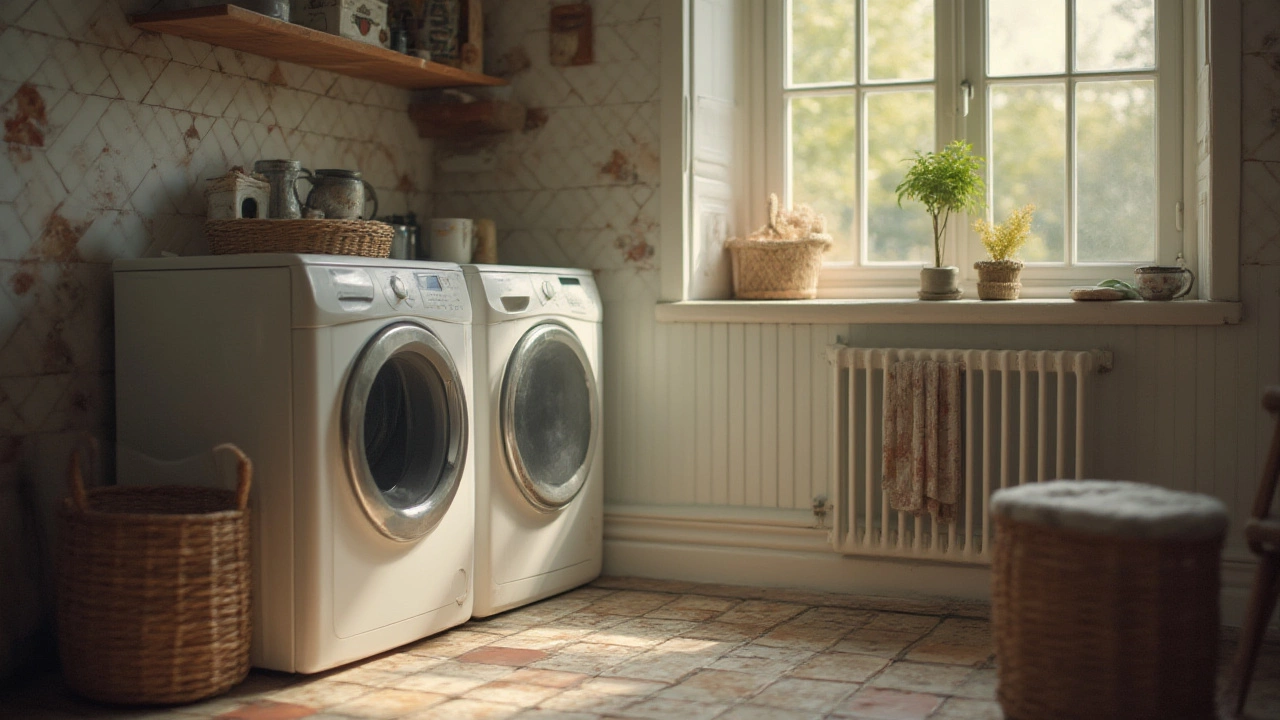
Is your washing machine considered old? Learn the real lifespan, signs it's aging, and pro tips to keep it running longer. Get real facts and advice from an expert.

Choosing a cooker that stands the test of time can be daunting amid a sea of brands promising longevity. This article delves into which brands have stood out for their durability and reliability. By exploring user experiences and industry insights, it aims to guide you in the right direction. Discover how some brands maintain their reputation for endurance and what to consider when selecting your next appliance.
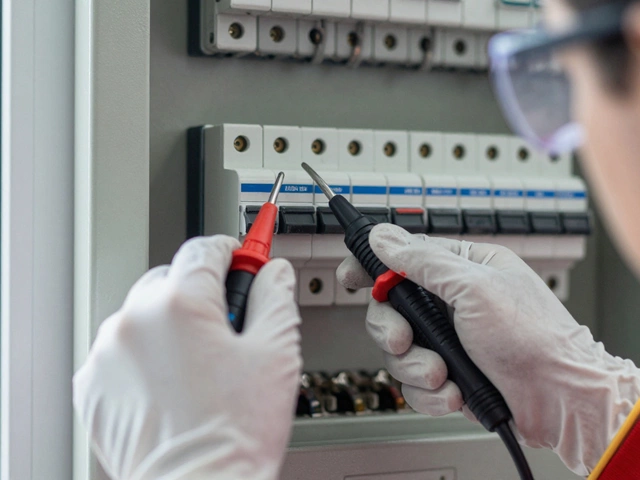
Learn how to safely clean your extractor fan motor to improve airflow, reduce odors, and prevent costly repairs. This guide covers safety steps, tools needed, and step-by-step instructions for a thorough clean.

Extractor fans play a crucial role in maintaining the air quality of your home, yet often go unnoticed until issues arise. Regular servicing of extractor fans can prevent malfunction, improve efficiency, and extend the lifespan of the device. This article explores the importance of servicing extractor fans, signs that show when a service might be needed, and provides maintenance tips to keep these devices in tip-top condition. Learn how a well-maintained extractor fan can contribute to a healthier living environment.

Repairing a gas oven might seem daunting, but it's often worth the effort. This article explores when it's practical to repair versus replace, common issues, and cost-effective solutions. Learn helpful tips, find out if it’s a DIY fix, and consider important safety aspects. Discover how to make an informed decision that saves money and hassle.
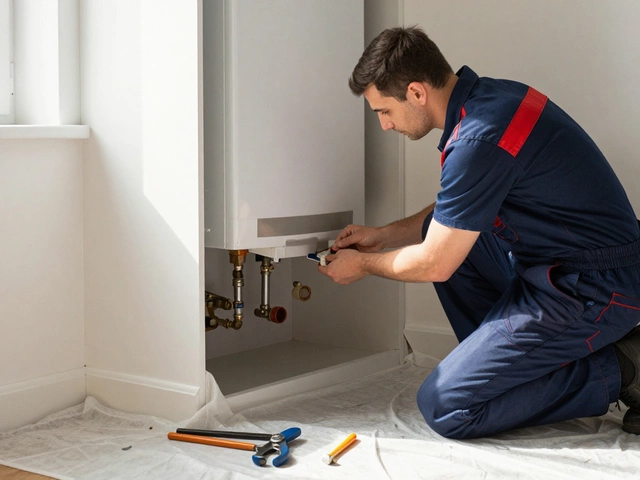
Replacing a boiler in the UK typically takes one to three days, depending on the type of boiler, system complexity, and home layout. Most installs finish in a single day if the new unit is in the same location.
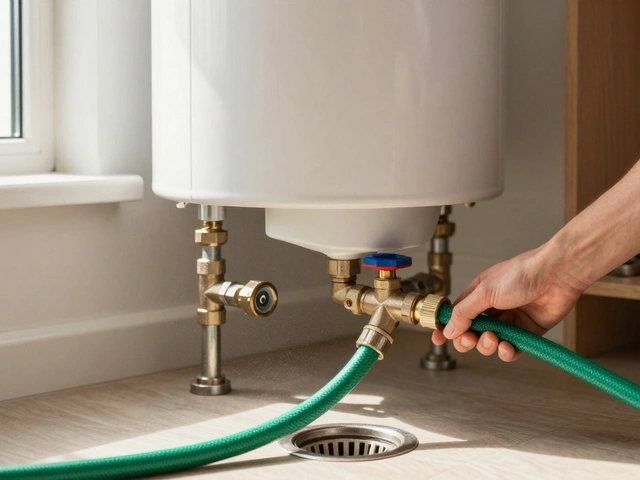
Learn essential water heater maintenance tasks like flushing sediment, checking the anode rod, and testing safety valves to extend lifespan and improve efficiency.