

If your oven is acting up, you don’t have to panic. Most issues are caused by a few easy‑to‑check parts, and you can often fix them yourself before calling an expert.
The first thing to check is whether the oven is actually getting power. Look at the circuit breaker – a tripped breaker is a common culprit. If the breaker is fine, move on to the oven’s fuse or thermal cut‑out; these protect the oven from overheating and can blow out if something goes wrong.
Next, think about the heating element. In electric ovens, a broken or burnt‑out element is the most frequent reason for a cold oven. You’ll see visible cracks or a dark spot on the coil. For gas ovens, a faulty igniter or a clogged burner can stop the flame from lighting.
The thermostat or temperature sensor is another suspect. If the sensor is dirty or fails, the oven may think it’s already at the set temperature and won’t turn on the heat. A simple test with a multimeter can tell you if the sensor is still functional.
Don’t forget the door latch or switch. Modern ovens won’t heat if the door isn’t properly sealed – it’s a safety feature to keep heat inside. Make sure the latch clicks into place and that the switch isn’t stuck.
1. Reset the breaker and check the fuse: Turn off the oven, flip the breaker back on, and see if the oven powers up. If you have a fuse, replace it with the same rating.
2. Inspect and replace the heating element: Disconnect the oven from power, remove the element screws, and pull it out. Test it with a multimeter – no continuity means it’s dead. Swap in a new element that matches your oven’s model.
3. Clean the burner or igniter (gas ovens): Remove the burner cap and clean any food or debris. If the igniter is cracked or doesn’t glow, replace it – they’re inexpensive and easy to install.
4. Test the thermostat or sensor: Remove the sensor, check it with a multimeter for resistance. If the reading is off, order a replacement. While you’re at it, give the sensor a quick wipe to clear any grime.
5. Check the door latch and switch: Open the door and look for a small button or lever that gets pressed when the door closes. Press it manually – you should hear a click and the oven should start heating.
If after all these checks the oven still won’t heat, the problem may be deeper – a faulty control board or wiring issue. Those parts need a qualified technician because they involve live electricity and can be dangerous to handle.
Before you call a pro, make a quick list of what you’ve tested. It helps the technician diagnose the issue faster and can even save you money if the fix is something simple you already tried.
Remember, safety first: always unplug the oven or switch off the circuit before opening any panels. If you ever feel unsure, it’s better to stop and call a professional.
With these steps, most oven hiccups can be solved at home. A little patience and the right tools go a long way toward getting your oven back to baking, roasting, and broiling like it should.
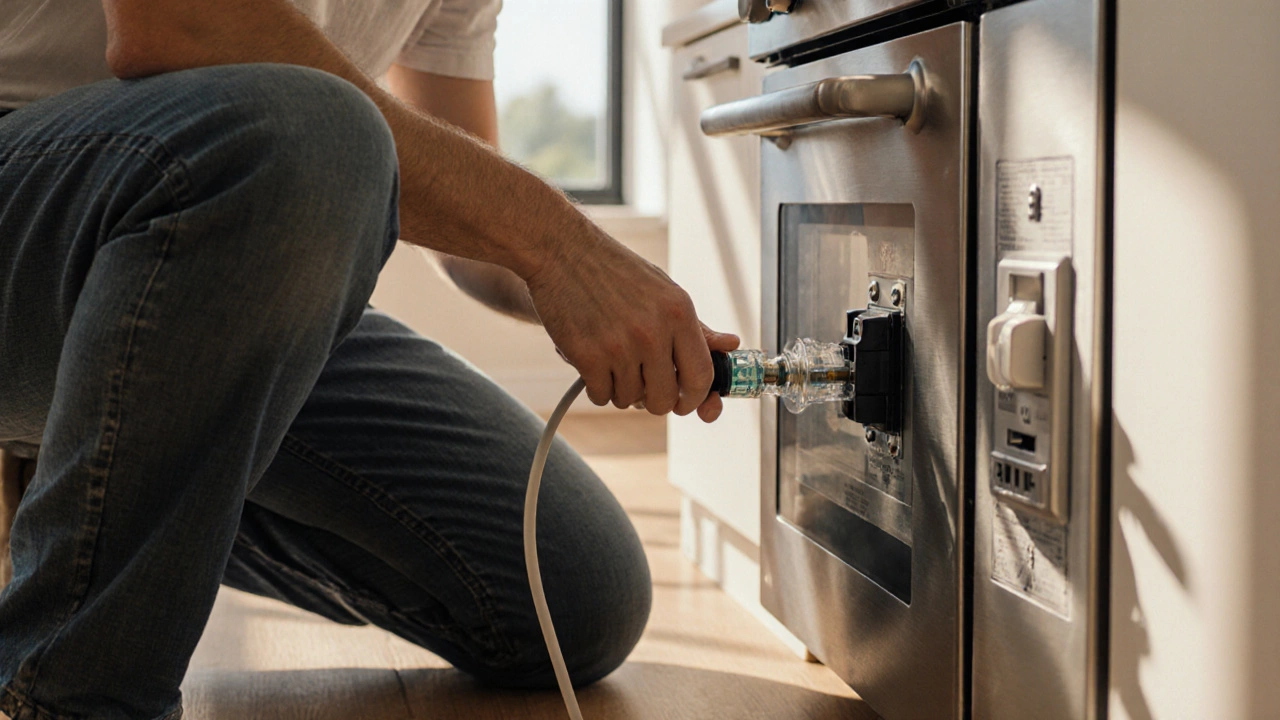
Learn why your electric oven suddenly stopped working, diagnose power, element, thermostat or safety fuse issues, and decide when to DIY or call a repair professional.
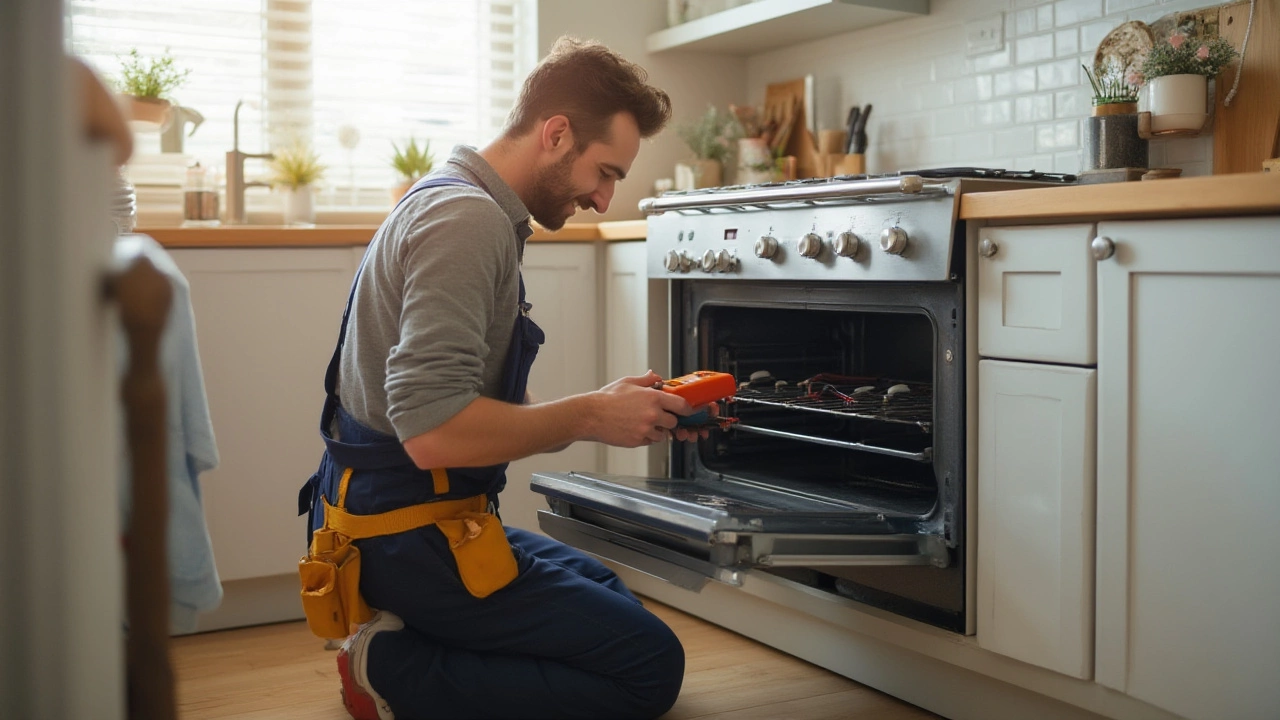
Wondering if an electrician can fix your electric oven? Get the facts, tips, and expert advice you need on diagnosing and repairing broken ovens.

Find out how to tell if your oven’s heating element or thermostat is busted with simple tests, warning signs, and expert tips you can trust.

If your electric oven suddenly stops working, don't panic. This article explores common issues with electric ovens and provides practical tips for troubleshooting and repair. From understanding how different components work to knowing when it's time to call a professional, you'll find the go-to advice you need to get your oven back in working order. Avoid the hassle of guesswork and get straightforward guidance on keeping your kitchen running smoothly. Practical insights on oven maintenance await you.
When your electric oven unexpectedly stops working, it can throw your kitchen routine into chaos. Understanding the potential reasons behind this issue can help you fix it quickly. Whether it's a power supply problem, faulty elements, or user error, this guide will walk you through common causes and solutions to get your oven back in working order. Discover useful tips to identify and address troubles with your electric oven efficiently.

An electric oven is a kitchen essential that brings culinary magic to life, but sometimes it can start showing signs of wear and malfunction. If you notice uneven cooking, strange noises, or the oven simply won't heat, these could be indicators of a problem needing repair. Knowing the common signs can help you determine if troubleshooting is possible or if it's time to call a professional. From the thermostat issues to faulty heating elements, this guide provides insights into recognizing and addressing potential oven problems.

Ever wonder if switching your boiler on and off harms it? This article unpacks how boilers handle frequent power cycles, what really wears them out, and when switching off could save you cash or cause problems. Find out the best ways to run your boiler for both safety and savings. Practical tips and real facts—all in plain English. Avoid costly repairs by knowing how to treat your boiler right.
Learn how to fix common dryer problems yourself-no experience needed. Save money and avoid service calls with simple repairs like replacing belts, fuses, and cleaning vents.

Thinking about how long your boiler will keep working? This article explains the real lifespan of boilers, the factors that affect how long they last, and how to spot when yours might be on its last legs. You'll get practical tips for stretching out your boiler's life and advice about when it's smarter to repair or just replace. Stay warm and avoid surprise breakdowns with these straightforward facts.
Learn why all your gas appliances might stop working, how to safely troubleshoot common issues, and when to call a Gas Safe engineer.

Who pays for boiler maintenance? Landlords must cover it for tenants. Homeowners pay for everything. Warranties don't cover servicing. Annual checks are legally required and save lives.