

First thing’s first – a cold oven is frustrating, especially when dinner’s on the line. Before you book a technician, there are a few simple things you can test yourself. Most heating issues are caused by a faulty heating element, a broken thermostat, or a loose power connection. Knowing which part is at fault can save you time and money.
1. Heating element failure – In an electric oven the element glows red when it works. If it’s cracked, burnt out, or covered in grime, the oven stays cool. A quick visual check with the oven off can spot obvious damage.
2. Thermostat or temperature sensor problems – The thermostat tells the oven when to turn the element on. A faulty sensor can keep the element off even though you’ve set a temperature. Many ovens let you test the sensor with a multimeter; a reading far from the spec means it needs replacement.
3. Power supply issues – An oven draws a lot of electricity. A tripped breaker or a loose plug can stop power from reaching the heating circuit. Reset the breaker and make sure the plug is snug.
4. Control board failure – Modern ovens use electronic boards to manage heating cycles. If the board is damaged, the oven may think it’s already at temperature. This is harder to diagnose without tools, but if the display works while the heat doesn’t, the board could be the culprit.
Start with the easy stuff. Turn off the oven, unplug it, and open the back panel to locate the heating element. If it looks blackened or broken, replace it – they’re inexpensive and a quick swap with a screwdriver.
Next, check the thermostat. Most ovens have a removable temperature sensor that you can pull out and test. Set your multimeter to ohms and compare the reading to the numbers in your user manual. If it’s out of range, order the correct part and install it the same way you removed it.
Don’t forget the breaker. Go to your consumer unit, locate the oven’s circuit, and flip it off then on again. If the breaker trips immediately, there’s a short somewhere – that’s a time to call a professional.
If you’ve tried these steps and the oven still won’t heat, it’s probably the control board or a hidden wiring issue. Trying to fix that yourself can be risky, especially with the high voltages involved. That’s where Bognor Regis Appliance Repair Experts come in. Our qualified technicians can diagnose the exact fault, replace the right part, and get your oven back to a proper temperature in no time.
Remember, regular maintenance helps avoid heating problems. Keep the interior clean, wipe any spills before they harden, and give the element a once‑a‑year check for wear. A little care now means fewer calls for emergency repairs later.
If you’re stuck, don’t gamble with electricity. Call us, describe the symptoms, and we’ll arrange a same‑day visit. Fast, reliable service is our promise, and we’ll make sure your oven heats up again so you can get back to cooking the meals you love.
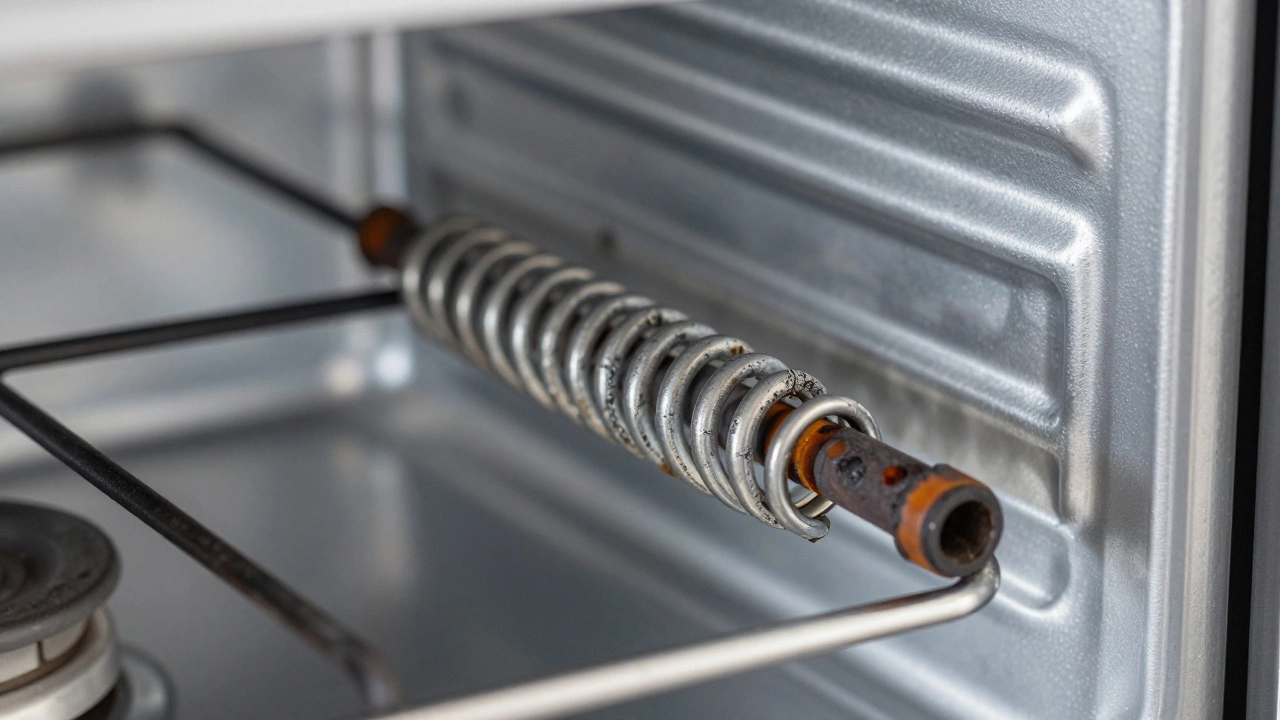
Find out exactly how much it costs to replace an oven heating element in the UK in 2026. Compare DIY vs professional repair prices, learn signs of failure, and decide if repair is worth it.
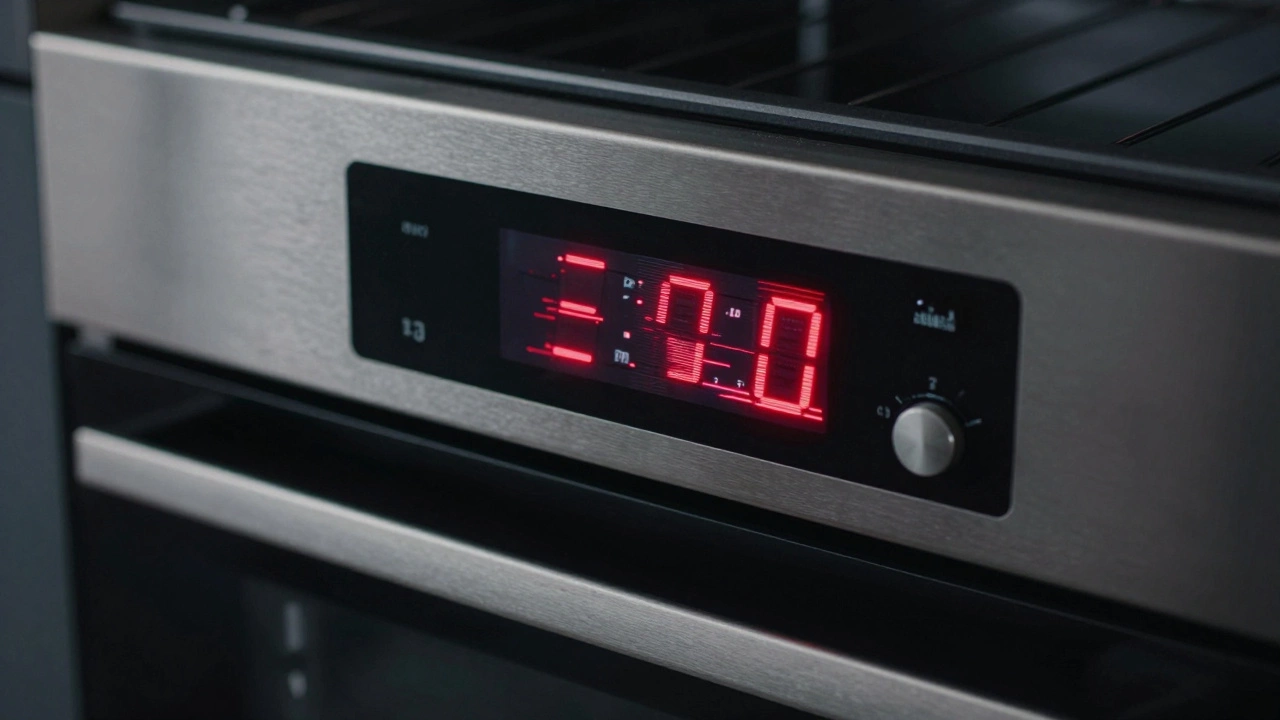
Learn how to identify a failing oven control board through specific signs like flickering displays, erratic heating, and error codes. Includes visual inspection tips, testing methods, and safety precautions for accurate diagnosis.
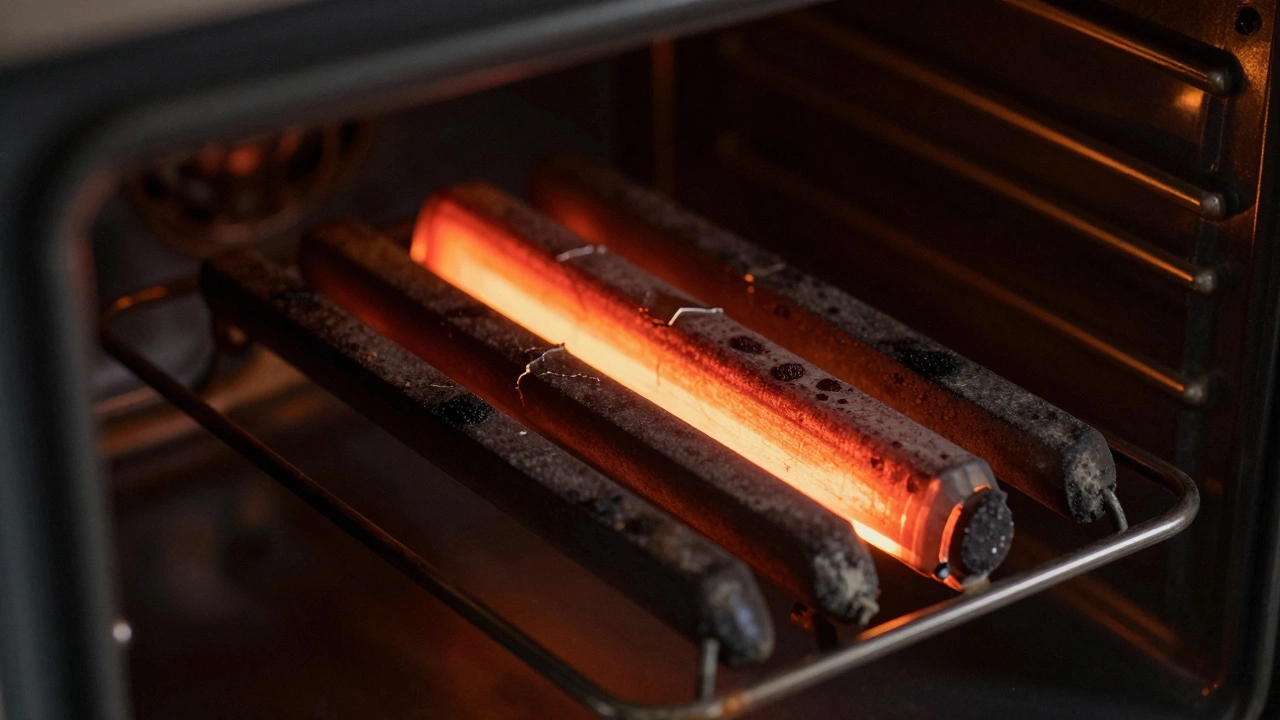
Learn how to tell if your electric oven element is bad with simple visual checks and a multimeter test. Save time and money by diagnosing the issue yourself before calling a repair technician.
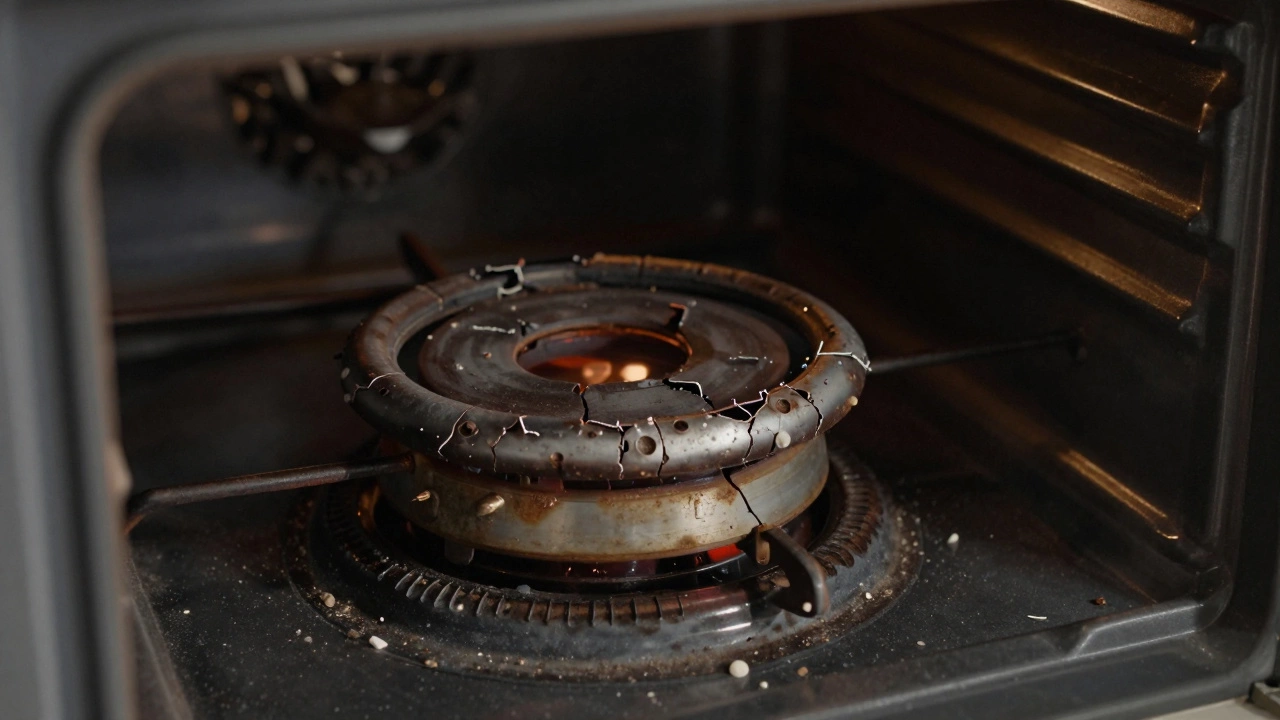
If your oven won't heat up, it's usually a simple fix-like a broken element, faulty thermostat, or blown fuse. Learn the most common causes and how to diagnose them yourself before calling a repair technician.
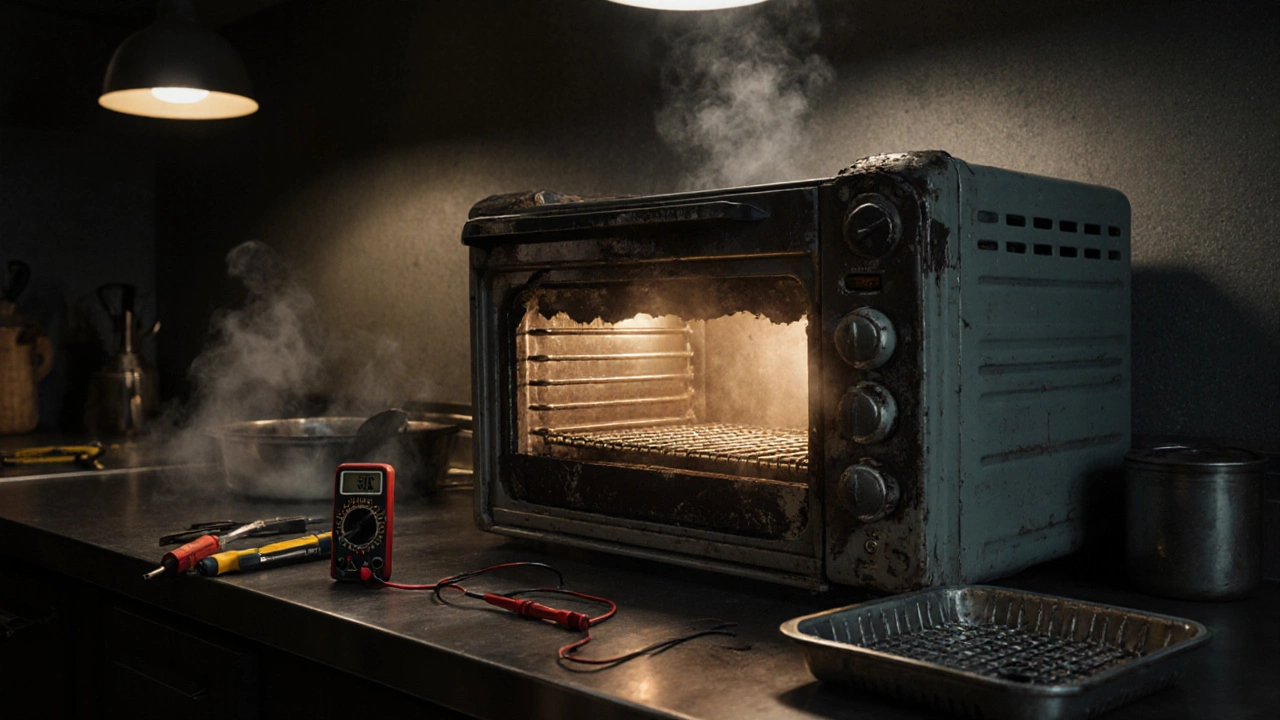
If your electric oven isn't heating, it's usually due to a broken element, faulty thermostat, or blown thermal fuse. Learn how to diagnose and fix the most common causes quickly and safely.
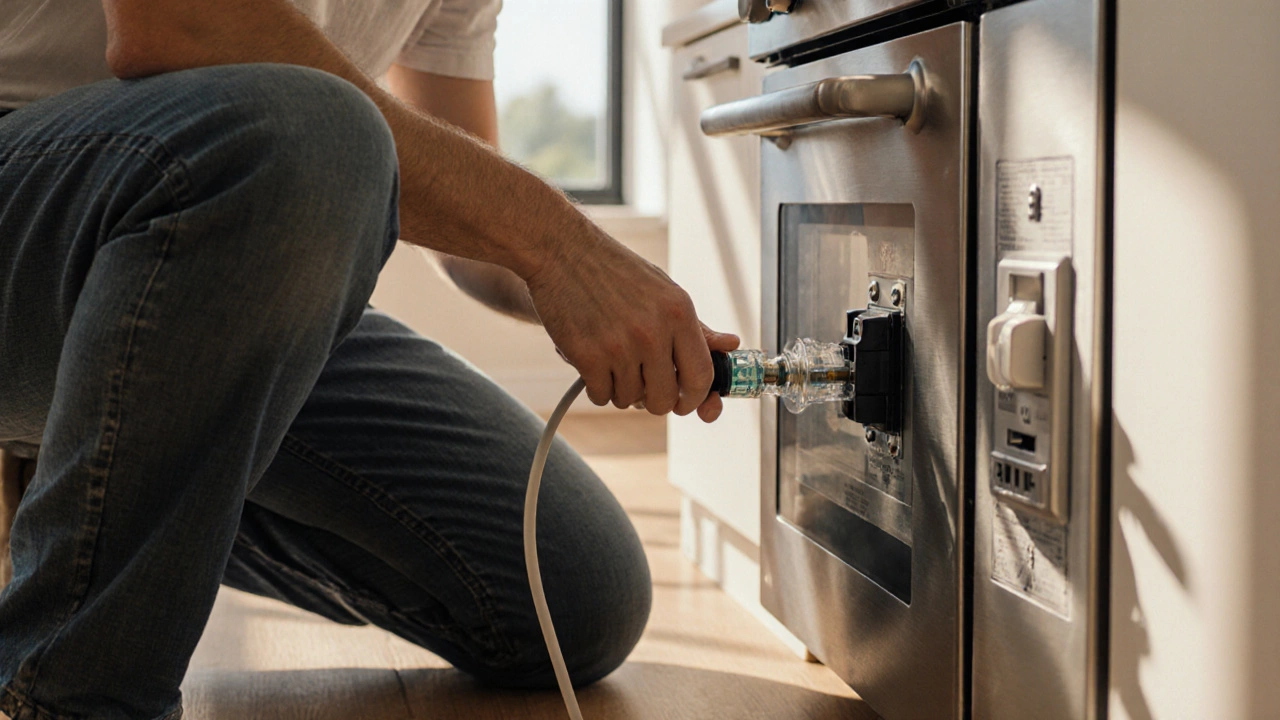
Learn why your electric oven suddenly stopped working, diagnose power, element, thermostat or safety fuse issues, and decide when to DIY or call a repair professional.
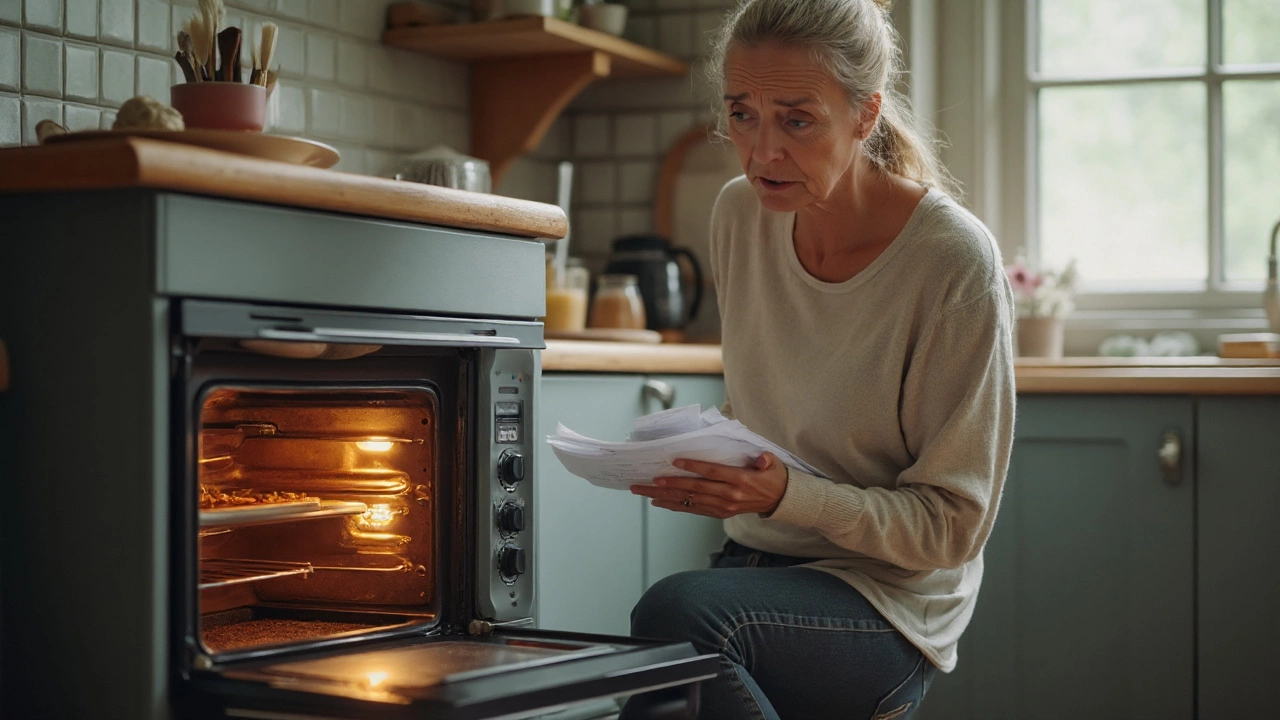
Got an electric oven that's not heating? Discover the most common issues, why they happen, and how you can fix or prevent them without calling a pro.

Wondering how long your water heater should last? This article dives into the expected lifespan of various types of water heaters, factors impacting their longevity, and signs it might be time for a replacement. With practical tips on maintenance, you can extend the life of your heater and avoid breakdowns. Learn what to watch out for to ensure you have hot water when you need it, without unexpected surprises.
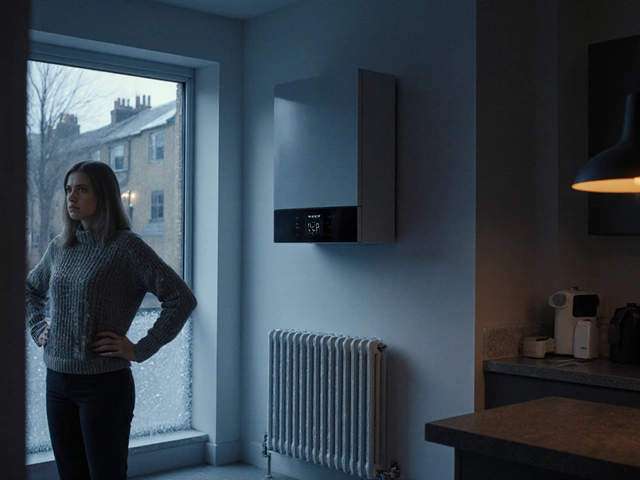
A practical UK guide that tells you exactly who to call when your boiler fails, how to verify a qualified engineer, and what steps to take before and after the repair.
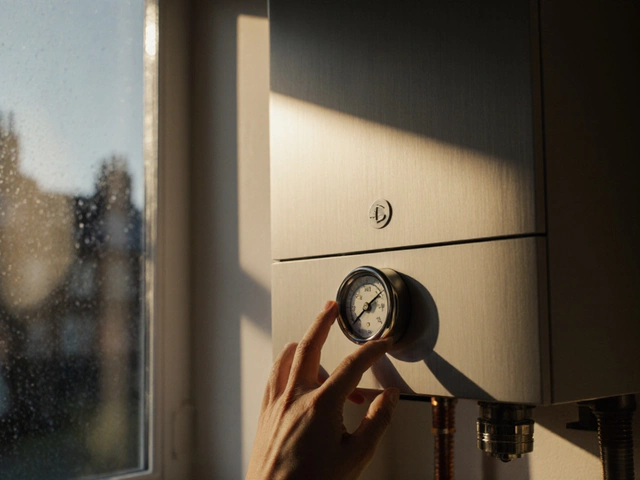
Step‑by‑step guide to diagnose common boiler problems, covering pressure, thermostat, fault codes, leaks, and when to call a professional.

Learn the warning signs of a failing water heater and get practical tips for repair and maintenance to prevent costly breakdowns and keep your hot water system running safely.
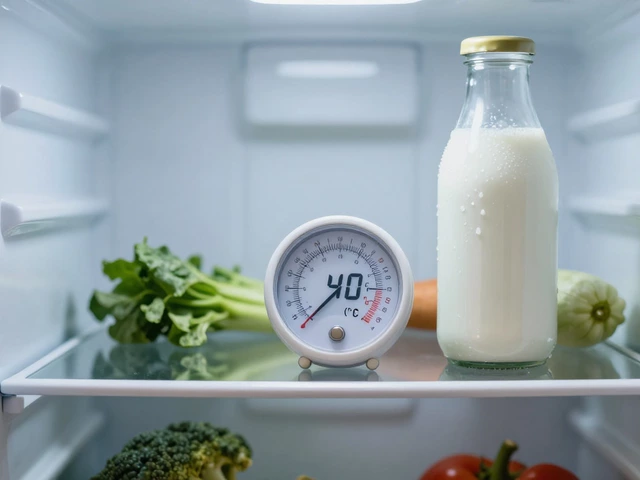
Learn how to tell when a refrigerator goes bad by spotting key signs like temperature drops, strange noises, and frost buildup. Discover when to repair vs. replace your fridge.