Oven Repair vs. Replace Calculator
Your Situation
Enter details about your current oven and repair quote.
Ready to Calculate
Fill in the details on the left to see if you should repair or replace your oven.
Your oven is supposed to be the reliable workhorse of your kitchen, but when it stops heating properly, that reliability vanishes fast. You put a roast in for dinner, check it an hour later, and it’s still raw. Or maybe you notice the glass door is scorching hot while the food inside stays lukewarm. These are classic signs that your heating element is the component responsible for generating heat in an electric oven has failed. The immediate question on everyone’s mind is financial: how much will this fix cost you?
In 2026, replacing an oven heating element typically costs between £80 and £150 if you hire a professional engineer in the UK. If you choose to do it yourself, the part alone usually runs between £15 and £40. The price gap depends entirely on whether you value your time over your wallet, and whether your oven model requires complex disassembly.
Breaking Down the Professional Repair Costs
When you call a repair technician, you aren’t just paying for the metal coil that gets hot. You are paying for diagnostics, labor, travel, and insurance. Here is how those bills stack up in major UK cities like Bristol, London, or Manchester.
| Cost Component | Estimated Price Range (£) | Notes |
|---|---|---|
| Call-out Fee | £40 - £70 | Charged for the technician to visit your home. Often waived if you proceed with the repair. |
| Labor Hourly Rate | £45 - £85 | Most element swaps take 30-60 minutes. Complex models may take longer. |
| Replacement Part | £20 - £60 | Price varies by brand (e.g., Bosch vs. generic) and element type (bake vs. grill). |
| Total Estimated Cost | £80 - £150+ | Includes VAT. Prices may be higher in London due to higher overheads. |
Why does the price vary so much? A standard built-in oven from a mainstream brand like Beko or Hotpoint uses widely available parts. An independent engineer can often source these locally. However, if you own a premium integrated oven from Miele, Gaggenau, or even a high-end Siemens, the parts are more expensive, and some manufacturers require authorized technicians to maintain the warranty. Calling an authorized service center might push your bill closer to £200.
The DIY Route: Saving Money vs. Risking Safety
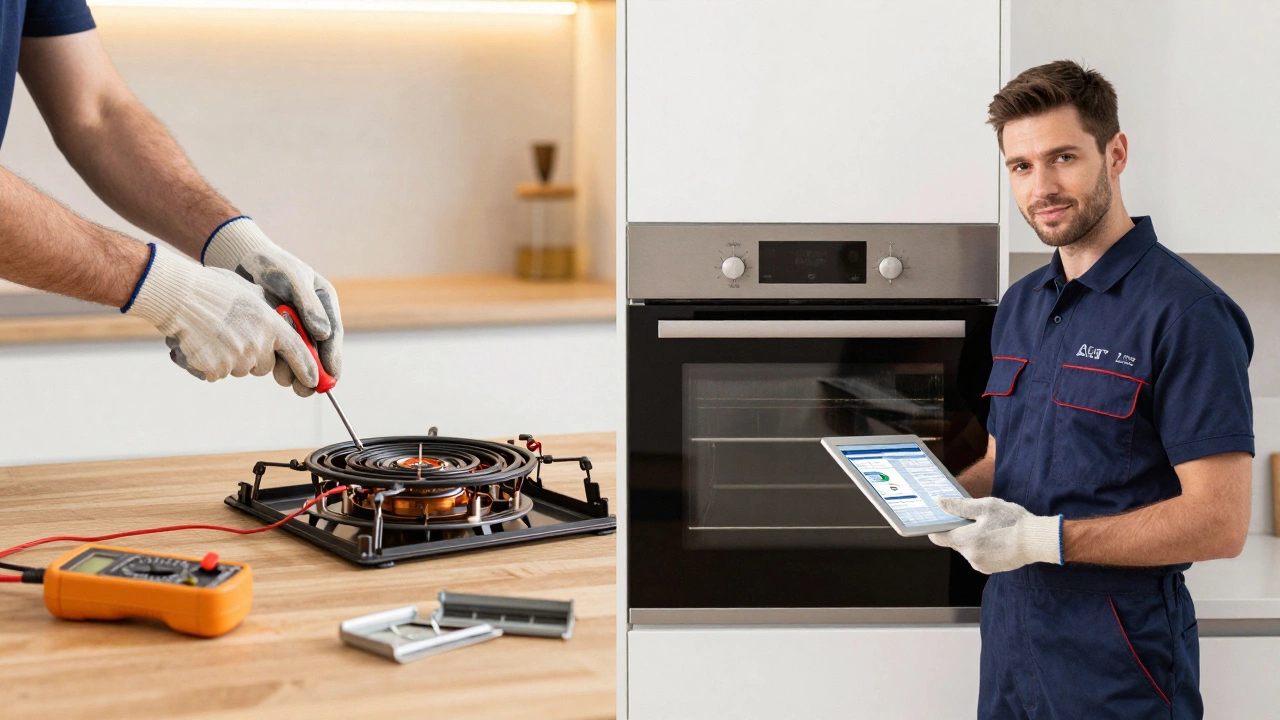
If you are handy with tools, replacing an oven element is one of the few appliance repairs that doesn’t require advanced electrical engineering skills. It is essentially unscrewing four bolts and swapping wires. But before you grab a screwdriver, you need to understand the risks.
First, safety. Even when unplugged, capacitors in some modern ovens can hold a charge. More importantly, working with mains electricity carries inherent danger. If you are not comfortable isolating power at the consumer unit (fuse box), do not attempt this. Second, compatibility. Ovens are not universal. A bake element (usually at the bottom) looks different from a grill element (at the top). They have different wattages, shapes, and mounting styles. Putting the wrong one in won’t just fail to heat; it could trip your breaker or cause a fire hazard.
If you decide to go the DIY route, here is what you need to budget for:
- The Part: £15-£40 depending on the brand.
- Tools: Flathead and Phillips screwdrivers, insulated gloves, and possibly a multimeter to test continuity.
- Time: Expect 1-2 hours for your first attempt, including watching tutorial videos and troubleshooting stubborn screws.
To find the right part, you need the exact model number. This is usually found on a sticker inside the oven door frame or on the back of the appliance. Search for "[Model Number] heating element" on sites like Amazon, eBay, or specialized appliance parts retailers. Always buy from sellers who offer returns in case the fit is off.
Signs Your Heating Element Is Dead
Before spending money, confirm the diagnosis. A faulty heating element has distinct symptoms that differ from other oven problems like a broken thermostat or a tripped fuse.
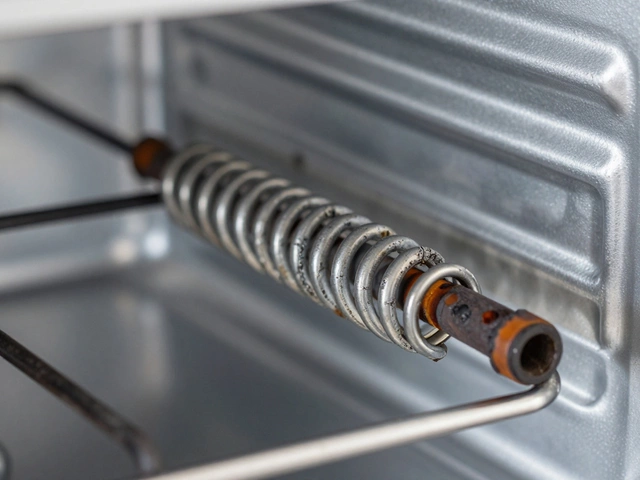
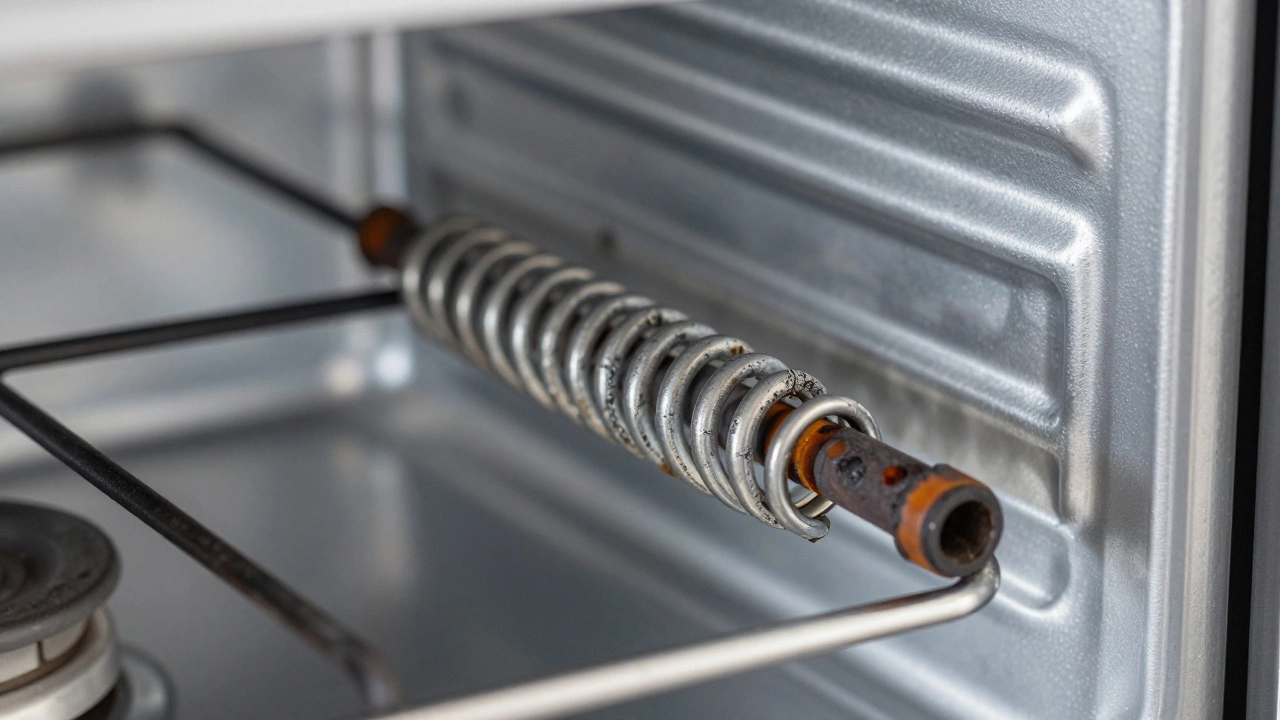
- Visible Damage: Look at the element. Are there blisters, cracks, or breaks in the spiral coil? If you see physical damage, the element is toast. No amount of resetting will fix it.
- No Heat at All: Turn the oven on to 200°C. Wait 10 minutes. Put your hand near the element (carefully!). If it’s cold, and the fan isn’t running, the element is likely dead.
- Uneven Cooking: If the top of your cake is burnt but the bottom is raw, your top grill element might be failing. If the opposite is true, check the bottom bake element.
- Glowing Erratically: Sometimes an element will glow bright orange in spots and dull in others. This indicates internal resistance issues. It’s dying and should be replaced soon.
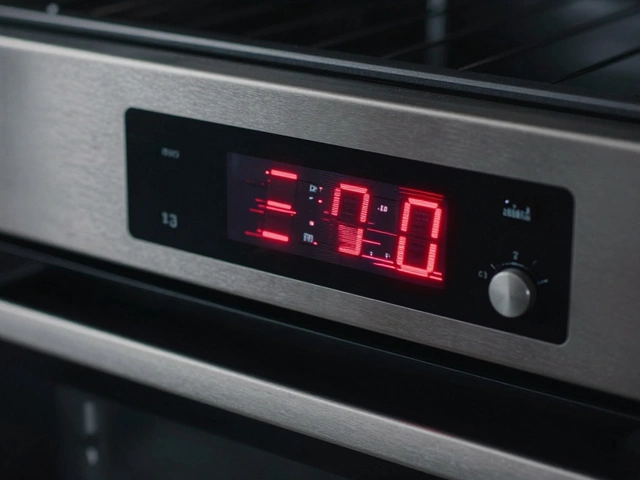
Note: If your oven display is blank or the controls don’t respond, the issue might be the control board or the power supply, not the element. Don’t replace the element if the oven isn’t even turning on.
Repair vs. Replace: When to Give Up
This is the crucial decision point. Just because you *can* fix the oven doesn’t mean you *should*. Consider the age and overall condition of your appliance.
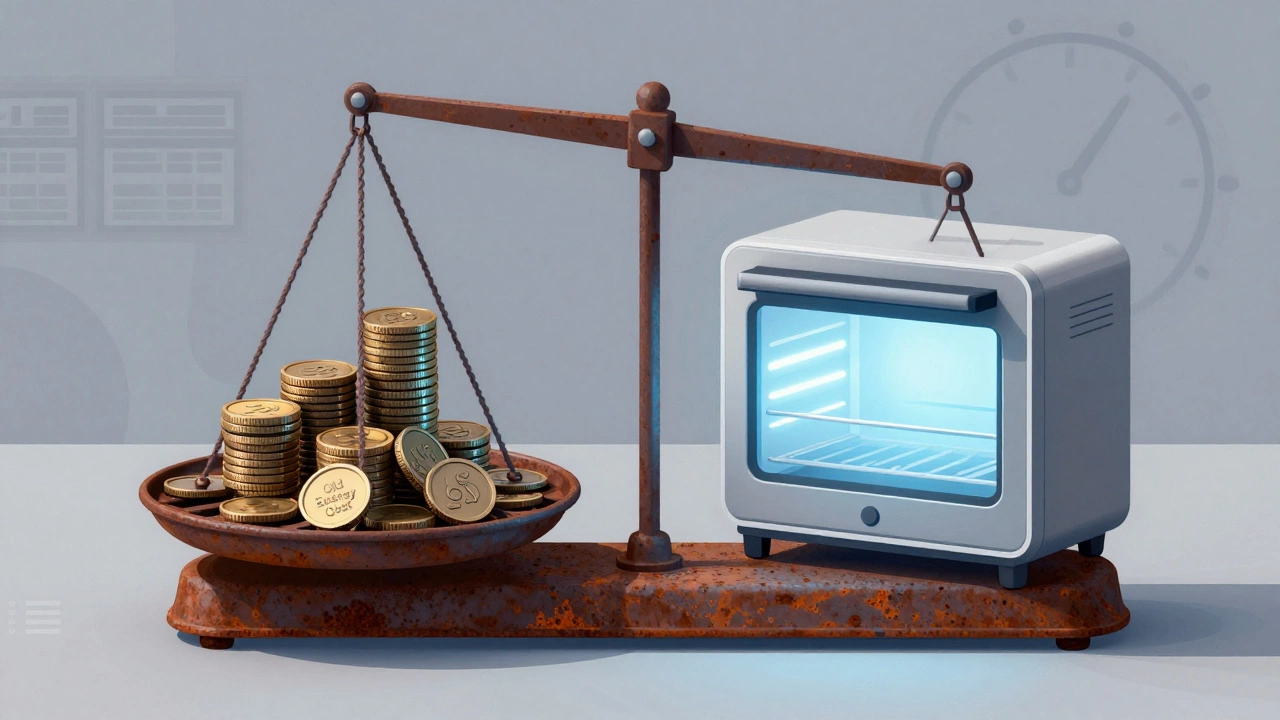
If your oven is less than 5 years old, repairing it makes sense. Modern ovens are built to last 10-15 years. A £100 repair extends its life significantly. However, if your oven is 10+ years old, starts making strange noises, has rusted racks, or struggles to maintain temperature even after the element swap, it might be time to upgrade.
New energy-efficient ovens use less electricity. Older models can consume 20-30% more power. Over five years, the savings on your energy bill might offset the cost of a new oven. Plus, newer models often come with self-cleaning features and better temperature accuracy, which saves you money on cleaning products and ruined meals.
Step-by-Step: How Professionals Do It
Understanding the process helps you judge if a quote is fair. Here is the standard workflow for a competent engineer:
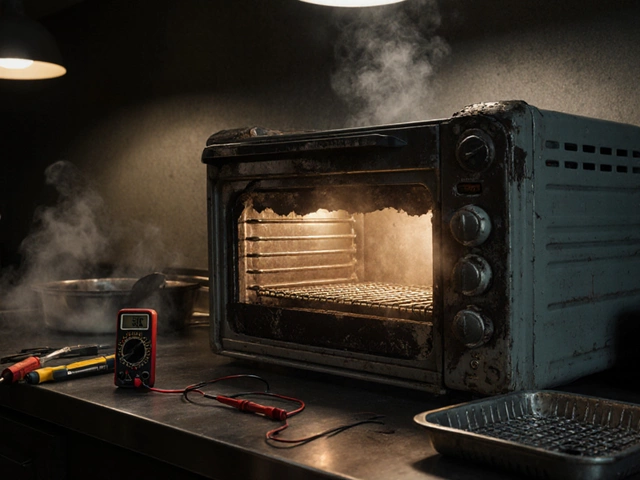
- Power Isolation: The technician turns off the circuit breaker for the oven. They verify no voltage is present using a multimeter. This is non-negotiable for safety.
- Accessing the Element: Depending on the oven design, they may need to remove the oven shelves, the floor panel, or even the entire oven cavity from the housing. Built-in ovens often require pulling the unit out from the cabinet.
- Disconnecting Wires: The wires connected to the element terminals are carefully detached. Technicians often take a photo beforehand to ensure correct reconnection.
- Removal and Installation: The old element is unbolted. The new one is bolted in place, ensuring it sits flat against the oven floor or wall without touching any metal brackets.
- Testing: Power is restored. The oven is set to heat. The technician verifies the element glows evenly and reaches the set temperature within a reasonable time.
If a quote includes "diagnostic fee" but doesn’t specify what happens if you decline the repair, ask for clarification. Some companies deduct the diagnostic fee from the total repair cost; others charge it separately regardless.
Finding a Reliable Engineer
Not all repairmen are created equal. In the UK, look for engineers registered with NICEIC or Part P certified bodies. These certifications ensure they follow strict electrical safety standards. Avoid cash-only operators with no online presence or reviews.
Check recent reviews on Trustpilot or Google Maps. Look for comments about punctuality, cleanliness, and transparency in pricing. A good engineer will explain what they found, show you the broken part, and give you a written receipt with a warranty on both the part and the labor. Standard warranties are 12 months for parts and labor.
Can I replace an oven heating element myself?
Yes, if you are comfortable working with basic tools and understand electrical safety. You must isolate the power at the fuse box before starting. Ensure you buy the exact replacement part for your oven model. If you are unsure, hire a professional to avoid risk of electric shock or fire.
How long does an oven heating element last?
On average, a heating element lasts between 5 to 10 years, depending on usage frequency and quality. Frequent high-temperature cooking can shorten its lifespan. Signs of wear include discoloration, blistering, or uneven heating.
Is it cheaper to repair or replace an old oven?
If your oven is under 5 years old, repair is usually cost-effective. For ovens older than 10 years, consider replacement. Newer models are more energy-efficient and may save you money on electricity bills over time, offsetting the initial purchase cost.
What causes oven heating elements to fail?
Common causes include thermal stress from frequent heating and cooling cycles, manufacturing defects, corrosion from spills, or physical damage during cleaning. Over time, the metal fatigues and breaks, leading to failure.
Do I need a qualified electrician to replace an oven element?
While not legally required for simple plug-in appliances, it is highly recommended for hardwired built-in ovens. Qualified electricians or appliance repair technicians ensure the job is done safely and compliant with UK wiring regulations, protecting your home insurance validity.