

If your oven won’t heat, you don’t have to panic or immediately book a technician. Most of the time the problem is something you can tackle yourself with a few tools and a bit of patience.
First, check the power supply. A tripped breaker or a loose plug is the easiest fix. Next, look at the oven’s safety lock – many modern ovens won’t heat if the lock is engaged.
Another frequent culprit is a faulty heating element. When the element burns out, the oven stays cold even though the controls work fine. You’ll notice a visual break or a dull spot on the element.
Thermostat or temperature sensor problems also cause uneven heating. If the oven reaches the set temperature too quickly or never gets hot, the sensor may need replacement.
Gather a screwdriver, a socket set, and a replacement element that matches your oven’s make and model. Always unplug the oven or turn off the circuit breaker before you start.
1. Remove the oven racks and any interior panels that cover the element. Most panels snap off or are held by a few screws.
2. Locate the element’s mounting brackets. Unscrew them and gently pull the element out. You may need to detach a wiring connector – press the tab and pull straight out.
3. Compare the old element with the new one to ensure a perfect match. Insert the new element, reconnect the wiring, and secure the brackets.
4. Replace any panels you removed, put the racks back, and restore power. Turn the oven on and watch the element glow. If it heats, you’ve solved the problem.
Beyond the element, keep the oven clean. Grease buildup can cause the thermostat to over‑read, making the oven think it’s hotter than it is.
Regularly inspect the door seal. A cracked gasket lets heat escape, forcing the oven to work harder and sometimes triggering a safety shut‑off.
When you’re unsure about any step, pause and think about safety. Working with electricity can be dangerous if you’re not comfortable with the wiring.
If the oven still won’t heat after you’ve replaced the element, the issue may be deeper – a faulty control board or a broken thermal fuse. Those parts usually need a professional’s touch.
Remember, DIY repairs save money but only when done correctly. A quick online search for your oven’s model number can reveal model‑specific tips and diagrams.
Most of the posts on our site, like “Electric Oven Not Heating?” and “How to Replace an Oven Element Yourself,” walk you through the same steps with pictures and extra safety notes.
In short: check power, safety lock, element, sensor, and door seal before deciding to call a repair service. With a few basic tools, you can have a hot oven again in under an hour.
Got a different oven problem? Our other DIY guides cover everything from hob element swaps to extractor fan installations. Pick the guide that matches your appliance, follow the steps, and enjoy the satisfaction of fixing it yourself.
And when you finally get that perfect bake, you’ll know you earned it with a bit of elbow grease and the right know‑how.
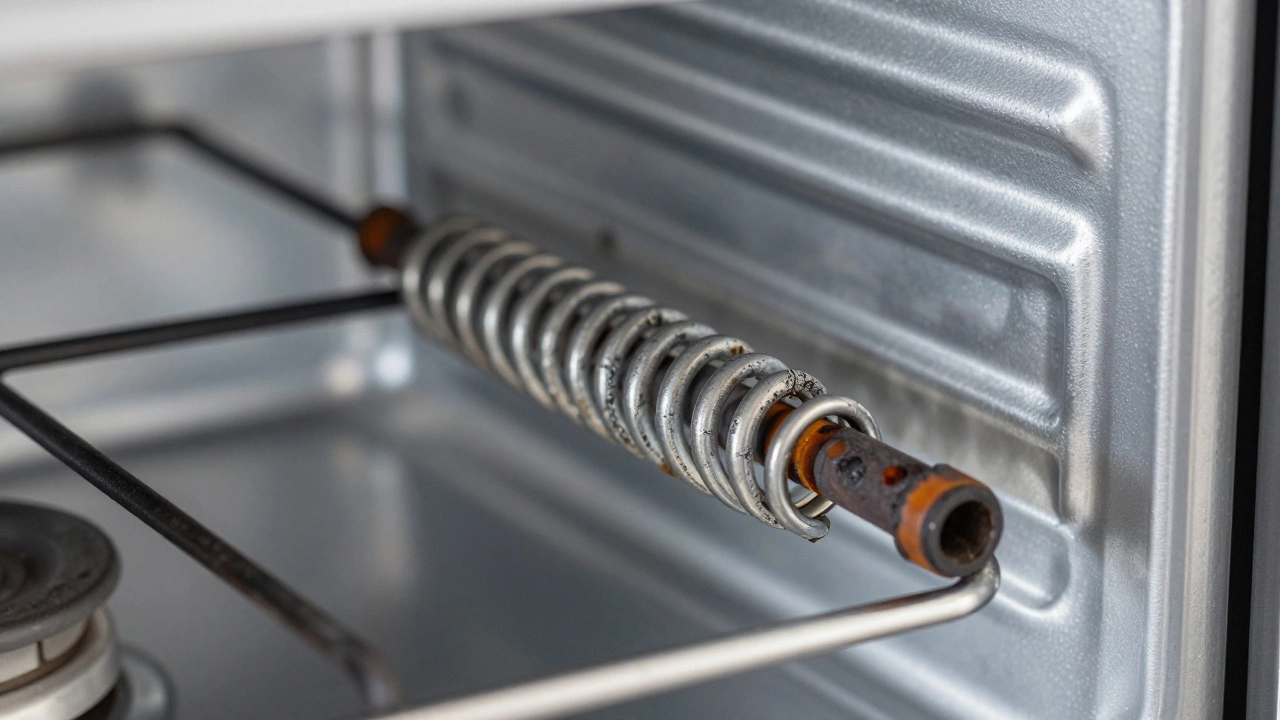
Find out exactly how much it costs to replace an oven heating element in the UK in 2026. Compare DIY vs professional repair prices, learn signs of failure, and decide if repair is worth it.
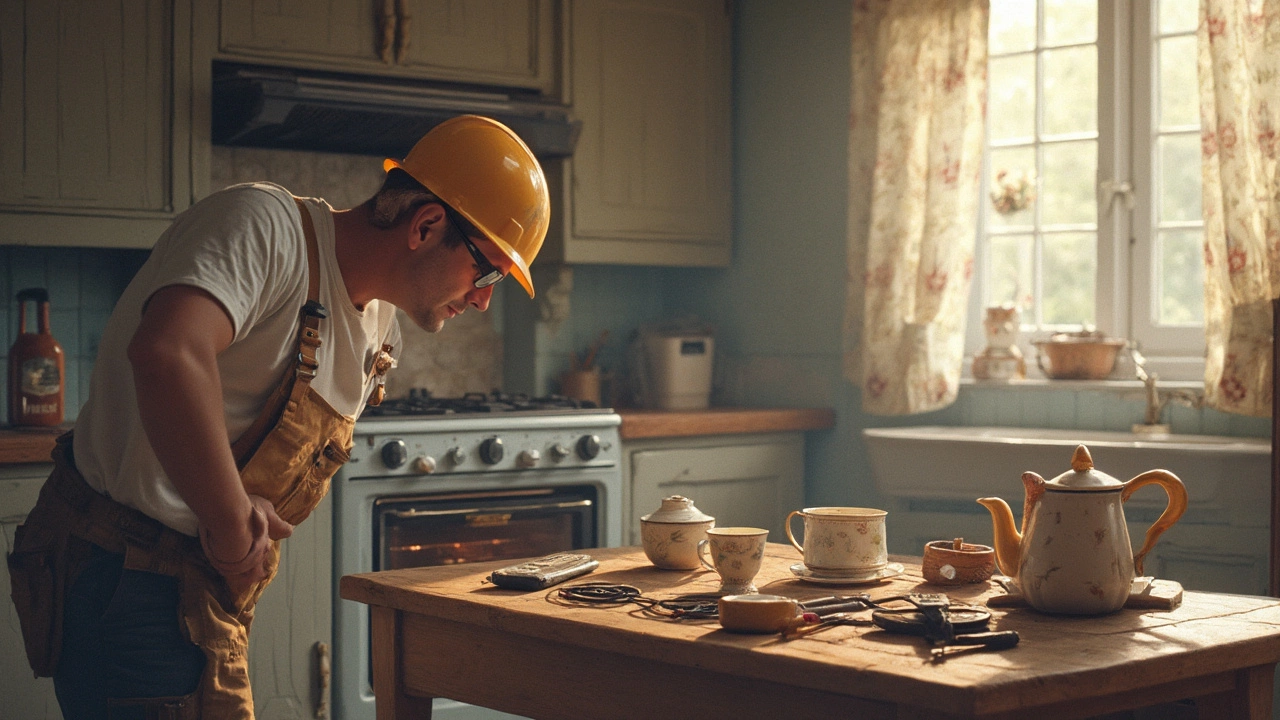
Repairing an electric oven on your own can be daunting, but it may be easier than it seems. This article explores the basics of oven function, safety tips, and common issues like heating problems or broken knobs. You'll find valuable advice on identifying problems and learning when it's best to call a professional. With a bit of knowledge, some troubleshooting, and a few tools, you might be able to save money on repair costs. Remember to prioritize safety above all while attempting repairs.
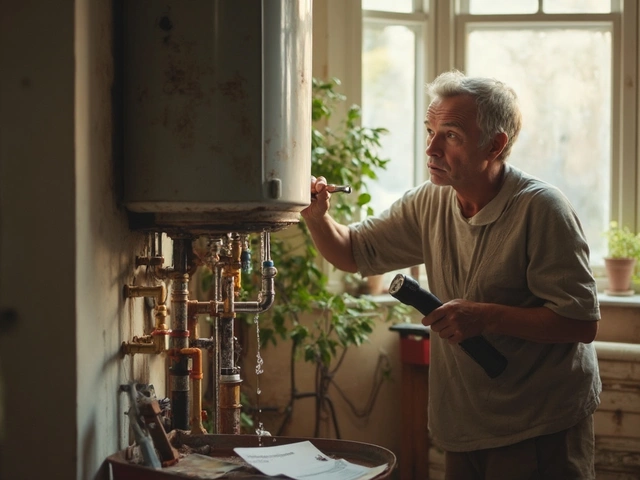
Wondering if your hot water heater is about to quit? This article breaks down the most common signs that your water heater needs to be replaced, from strange noises to rusty water. Find out how long these tanks usually last, what to look for during regular maintenance, and how to handle sudden issues. You'll get practical tips to keep your heater running smoothly and avoid a cold shower surprise. If you've ever worried about flooding, energy bills, or weird knocking, this is for you.
Learn why a toilet is classified as a plumbing fixture, not an appliance, and how this impacts warranties, insurance, and repair choices.
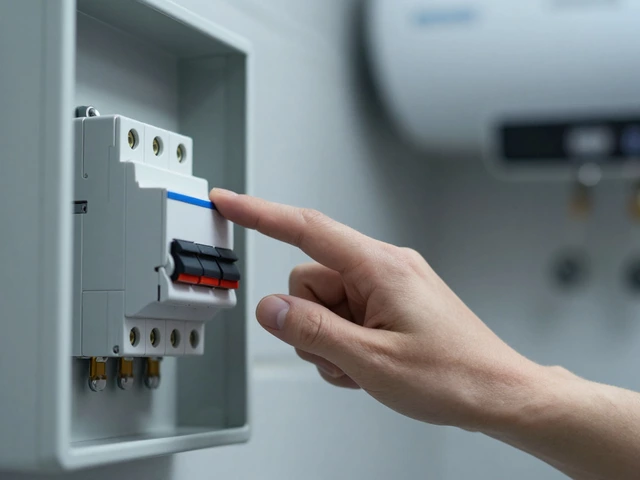
Struggling with a broken hot water heater? Learn how to troubleshoot common issues like tripped breakers, thermostat faults, and leaks before calling an expensive repair service.
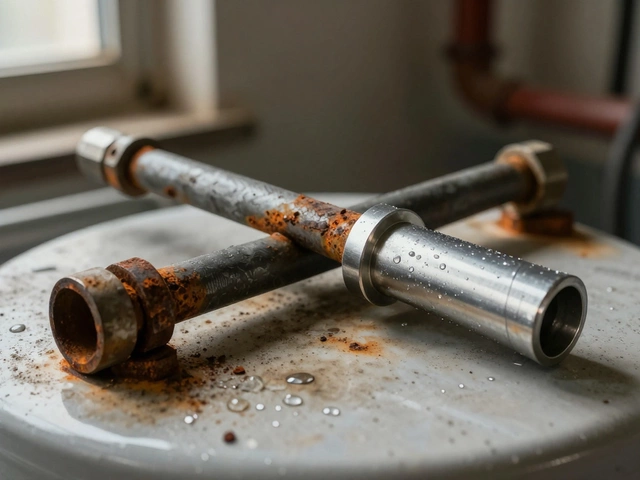
Replace your water heater's anode rod every 1-2 years in hard water areas to prevent tank corrosion. A simple £20 part can save you hundreds in repairs.
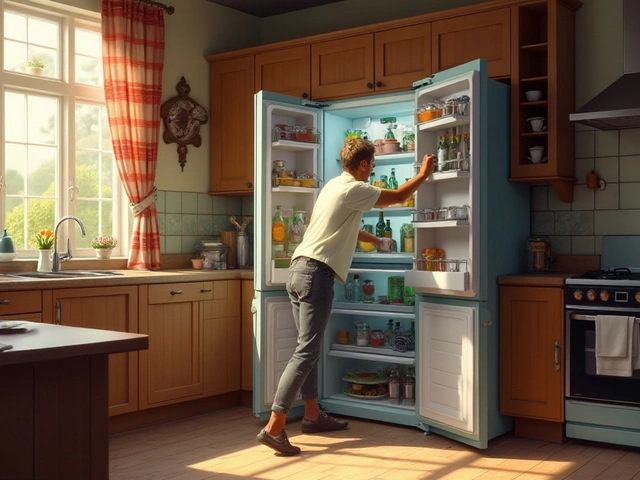
Refrigerators are a crucial part of our daily lives, and when they malfunction, it can be a real headache. One of the most common repairs involves fixing the refrigerator's cooling system. Often, issues arise from problems with the condenser coils, which can become dirty or worn out over time. By understanding these common problems, homeowners can better maintain their appliances, potentially saving time and money.