If your pressure cooker won’t build pressure, hisses loudly, or leaks steam from the lid, you’re not alone. These aren’t rare glitches-they’re the same issues that show up in kitchens across the UK every week. Most people think a pressure cooker is either working or broken. But the truth is, it’s usually just one small part failing. And fixing it doesn’t always mean buying a new one.
The Most Common Problem: A Bad Seal
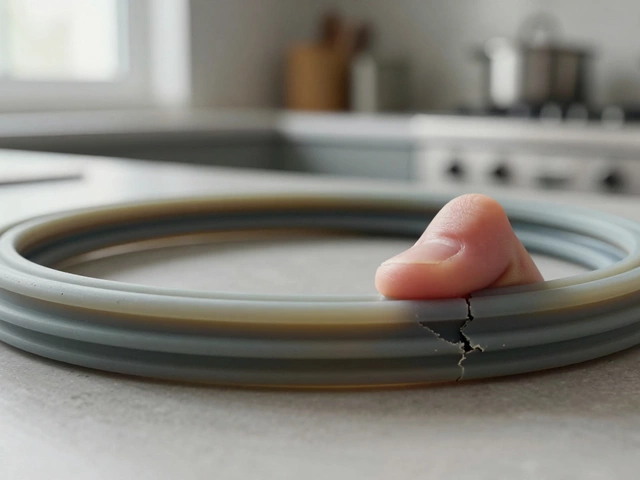
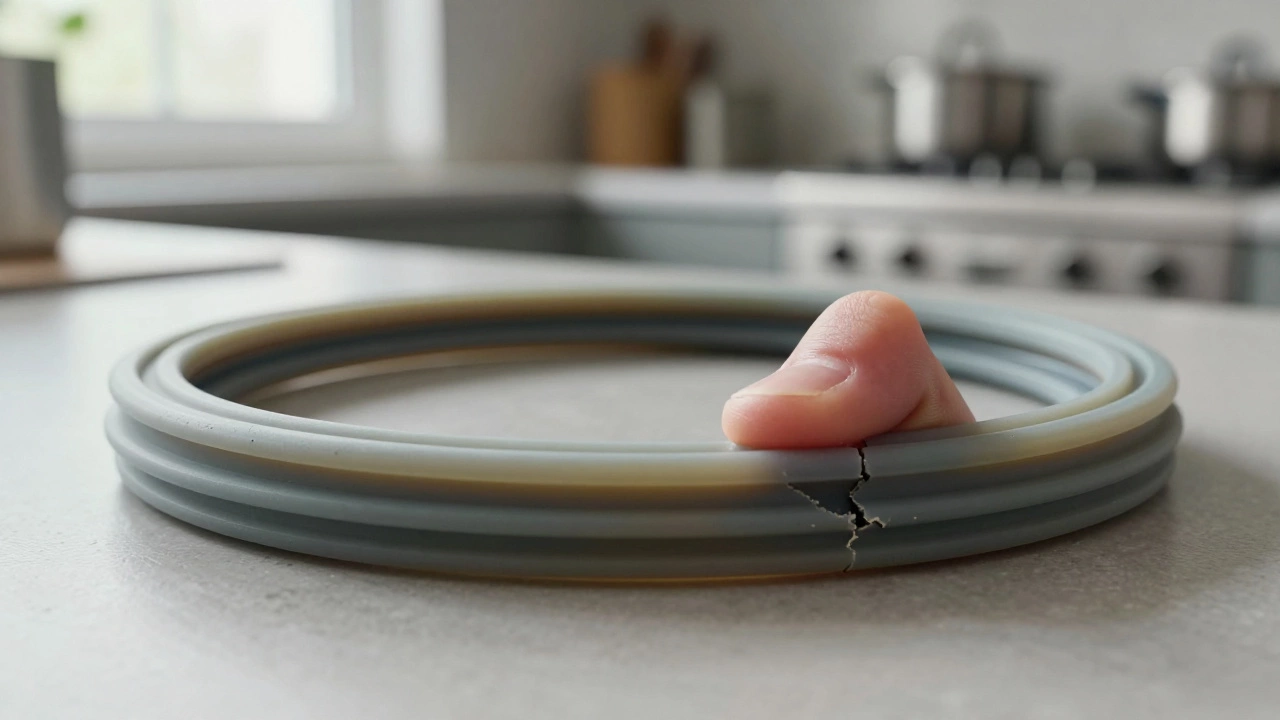
The rubber gasket, or sealing ring, is the first thing to go. It’s made of silicone or rubber, and it’s under constant heat and pressure. Over time, it gets hard, cracks, or loses its shape. You might not notice until you turn on the cooker and hear a steady hiss instead of the quiet hum you’re used to. Or worse-you wait 20 minutes and the pressure never builds.
A worn seal doesn’t always look obviously damaged. Sometimes it just doesn’t bounce back when you press it. Try this: take the ring out, lay it flat on the counter, and press your thumb into it. If it stays indented instead of popping back, it’s done. Most manufacturers recommend replacing the seal every 12 to 18 months, even if it looks fine. That’s because silicone degrades with heat cycles, not just visible wear.
Steam Leaking from the Lid
Steam escaping around the lid edge isn’t always the seal’s fault. The lid itself might be warped, or the locking mechanism could be misaligned. If the lid doesn’t sit flush, pressure can’t build. Try this simple test: close the lid without locking it, then gently try to twist it side to side. If it moves even a little, the locking lugs or the pot’s rim are worn or bent.
Older models, especially those with metal lids, can warp if left soaking in hot water. Always let the lid cool down before washing. If you’ve dropped the cooker or knocked it hard, even a tiny dent on the rim can break the seal. Inspect the rim with your fingers-run them around the top edge. If you feel a ridge, bump, or uneven spot, that’s your leak source.
The Safety Valve Isn’t Working Right
Pressure cookers have two safety valves: the main pressure regulator and the backup release. The main one is the little weight or spring-loaded valve on top that jiggles when pressure builds. If it’s clogged with food residue, steam can’t escape properly. That leads to overpressure-and that’s when things get dangerous.
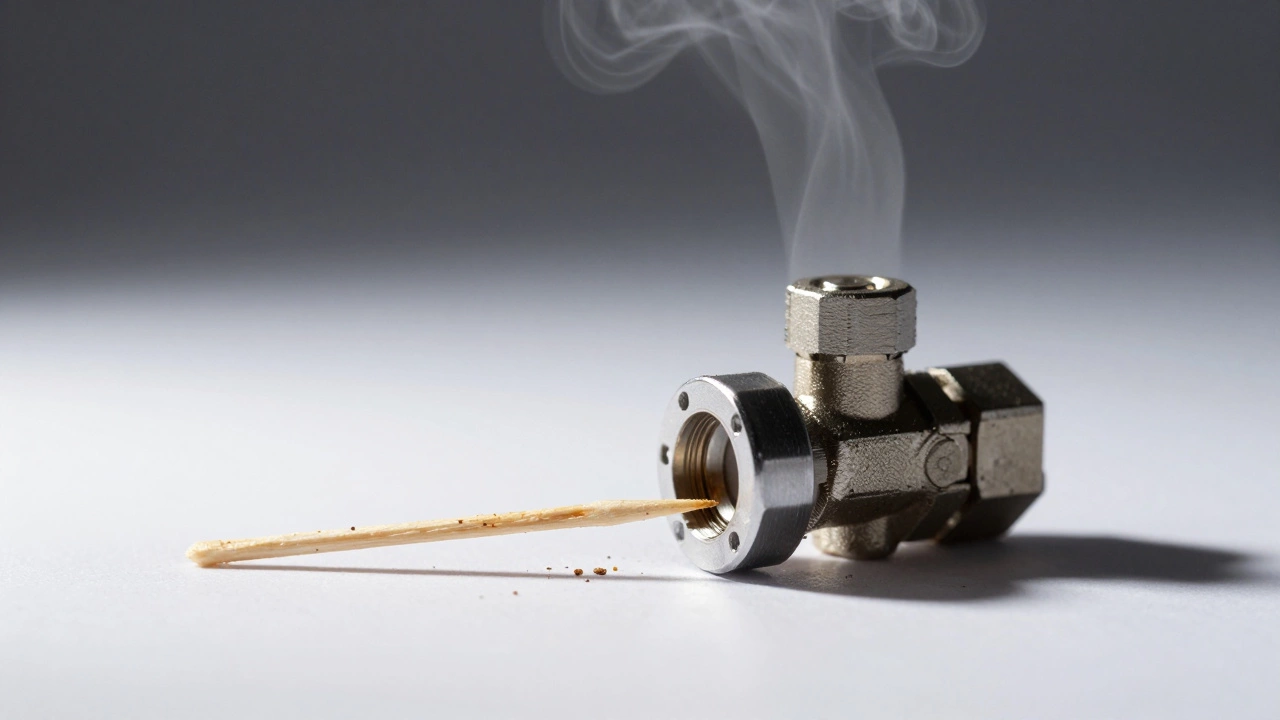
Every time you use the cooker, tiny bits of food, starch, or spices get pushed up into the valve. Over time, it gums up. You might hear a constant loud whistle, or the valve might not jiggle at all. Neither is good. To clean it, remove the valve (check your manual-it’s usually twist-off), soak it in warm soapy water for 15 minutes, then use a toothpick or pipe cleaner to clear the hole. Don’t use metal tools-they can scratch the valve and make it worse.
The backup valve, usually near the handle, is a pressure release that activates if the main one fails. If this one leaks even when the cooker is cold, it’s faulty. Replace it immediately. It’s not expensive-under £15 for most models-and it’s the difference between a messy kitchen and a potential accident.
Lid Doesn’t Lock or Unlock
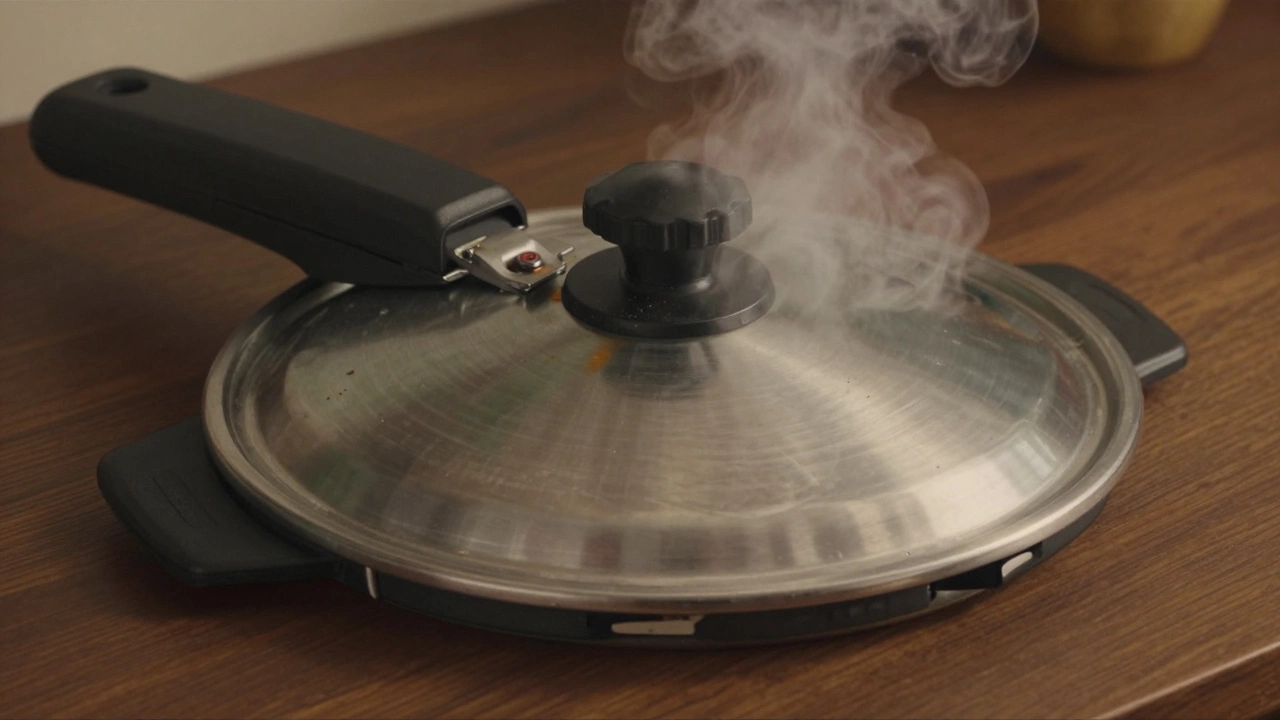
If the lid won’t lock into place, or you can’t turn it to unlock after cooking, the problem is mechanical. The locking arms or the handle mechanism can get bent, especially if you force the lid when it’s still under pressure. Never try to open a pressure cooker before the pressure is fully released. If you do, the sudden release can warp the locking mechanism.
Check the handle: if it feels stiff or clicks unevenly when you turn it, the internal gears or springs are worn. Some models have a simple plastic gear that breaks after a few years. Others have metal parts that rust if washed in the dishwasher. Always hand-wash the lid. If the handle turns but the lid doesn’t move, the coupling between the handle and the locking pins is broken. You can replace the handle assembly for under £20 on most brands like Instant Pot, Fagor, or WMF.
Food Burning on the Bottom
This one’s tricky because it feels like a cooking issue-but it’s often a pressure issue. If your food burns even when you follow the recipe, the cooker isn’t reaching the right pressure. That means it’s taking longer to cook, and the food sits on the hot base longer than it should.
Check the inner pot. If it’s scratched, dented, or warped, heat isn’t spreading evenly. Stainless steel pots can warp if you put a cold one on a hot hob. Always preheat the pot slowly. Also, make sure you’re using enough liquid. Most pressure cookers need at least 1 cup of water or broth to build pressure. If you’re cooking something dry-like rice or beans-add the liquid before sealing. Never skip the water.
Why People Replace Instead of Repair
Most folks see a leaking pressure cooker and think, “It’s old. Time for a new one.” But a new electric pressure cooker costs £80 to £150. A new sealing ring? £8. A replacement valve? £12. A new lid handle? £18. The parts are cheap. The problem is, people don’t know where to find them.
Brands like Instant Pot, Ninja, and Crock-Pot sell replacement parts online. Even older models from Fagor or Presto have parts available on Amazon or from appliance repair shops. You don’t need to be a technician to swap a seal or a valve. Most take under 10 minutes. YouTube has clear videos for every major model.
There’s also a myth that pressure cookers are “unsafe” if they’ve had problems. That’s not true. Modern pressure cookers have at least three safety features. If one fails, the others still work. The real risk comes from ignoring the signs-like ignoring a hissing sound or forcing the lid open.
Quick Fixes You Can Do Today
- Check the seal: Remove it, rinse under warm water, and test its bounce. Replace if it’s stiff or cracked.
- Clean the valve: Soak in soapy water, clear the hole with a toothpick. Do this every month.
- Inspect the rim: Run your finger around the top edge. Feel for dents or bumps.
- Use enough liquid: Never cook without at least 1 cup of water or broth.
- Don’t force the lid: Wait until the pressure indicator drops before unlocking.
If you’ve tried all this and it still doesn’t hold pressure, the inner pot might be warped, or the heating element (in electric models) could be failing. Those are harder fixes-but still cheaper than a new cooker.
When to Call a Pro
Most pressure cooker problems are DIY fixes. But if the base is cracked, the electrical components are sparking, or the pressure gauge is inaccurate, it’s time to stop. A cracked base can explode under pressure. A faulty gauge means you don’t know how much pressure is inside. Those aren’t repairs you should guess at.
Look for local appliance repair services that specialize in kitchen gadgets. Many offer free diagnostics. If they say it’s not worth fixing, they’ll tell you why. Don’t just take a “throw it away” answer. Ask them what part failed. If they can’t name it, find someone else.
Pressure cookers last 10 to 15 years with proper care. Most people replace them after 3 or 4 because they think they’re broken. They’re not. They just need a new ring, a cleaned valve, or a little attention.