

Got an appliance that’s acting up? Before you call a technician, see if you can fix it yourself. Most kitchen and laundry gadgets have a few parts that wear out, and with the right guide you can replace them in an hour or less. Doing it yourself saves cash, gives you confidence, and lets you get back to cooking or washing sooner.
First, always turn off power and shut off water where needed. A quick safety check prevents shocks and leaks. Keep a basic toolkit handy – screwdrivers, pliers, a multimeter, and a set of replacement parts you can buy from a local store or online. With those basics you’re ready for the most common DIY fixes.
1. Electric hob element replacement – If a burner won’t heat, the element is likely burnt out. Remove the hob’s top cover, disconnect the faulty element, and snap in a new one. Test with the multimeter before you reassemble.
2. Oven not heating – A cold oven often means a broken heating element or a faulty thermostat. Unscrew the rear panel, locate the element, look for a break or black spot, and swap it. If the oven still stays cold, check the thermostat with a multimeter and replace if needed.
3. Kitchen extractor fan – A noisy or weak fan can be fixed by cleaning the blades and replacing the motor. Remove the fan housing, wipe away grease, and if the motor humming but not turning, replace it with a matching model.4. Dishwasher not draining – Pull out the bottom filter, clear any food debris, and inspect the drain pump for blockages. A simple rinse can restore flow.
5. Hot water heater reset – If the water heater keeps tripping, it could be a faulty thermostat or a buildup of sediment. Flush the tank, check the thermostat settings, and reset the system. If the reset button keeps popping, it’s time for a deeper look.
Each of these fixes follows the same pattern: turn off the appliance, remove the problematic part, replace it, and test before you put everything back together. Watching a short video or reading a step‑by‑step blog post can make the process even easier.
DIY works great for simple parts, but some jobs need a qualified tech. If you see gas lines, major electrical components, or signs of corrosion, stop and call a pro. Boilers, heat pumps, and gas‑fired water heaters fall into this category – mishandling them can be dangerous.
Also, if the repair cost approaches the price of a new appliance, it might be smarter to replace. Keep receipts for parts you purchase; they can be useful if you later decide to get a professional to finish the job.
Lastly, regular maintenance can prevent many breakdowns. Clean lint filters, descale kettles, and run a monthly wash cycle on your washing machine with hot water. A little upkeep goes a long way.Ready to tackle that squeaky fridge or stubborn oven? Grab your tools, follow a reliable guide, and you’ll be surprised how much you can fix on your own. And if you hit a wall, remember that a quick call to a local repair expert can save you time and keep your home running smoothly.
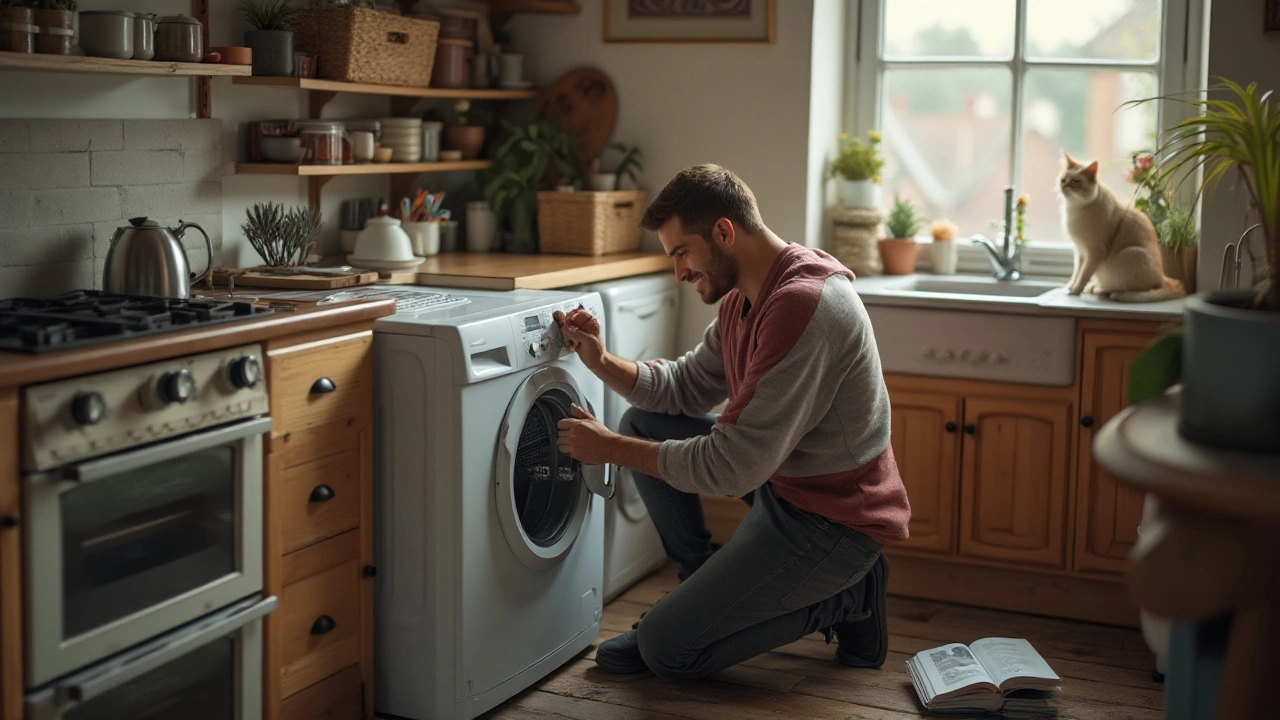
Repairing a washing machine yourself can save time and money, and it's not as difficult as one might think. This article covers the basic steps for diagnosing common issues, tools required for repairs, and safety tips to consider. Whether it's a noisy drum or a leaking gasket, we guide you through essential troubleshooting techniques. Learn how to tackle minor fixes and decide when to seek professional help.
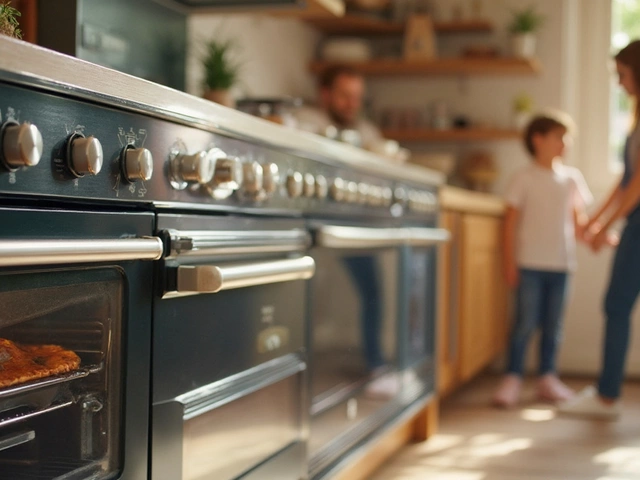
If you’re shopping for a new electric oven or worried about breakdowns, brand reliability matters big time. This article looks at which appliance brands have the fewest reported repairs, backed by recent repair data and real user experiences. You’ll see how different brands compare, which models tend to last, and when it makes sense to spend a little more upfront. Plus, you’ll pick up tips to keep your oven running smoothly, no matter which badge it wears. Everything’s packed in with real talk—no fluff to wade through.
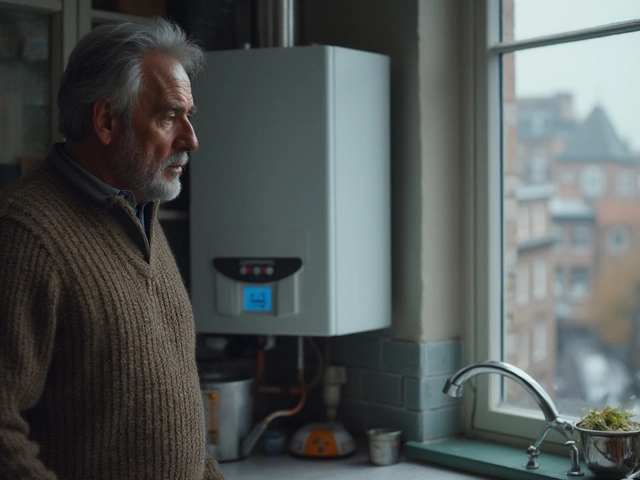
Struggling with a hot water heater that refuses to kick on can be frustrating, especially on chilly days. In this detailed guide, you'll find practical solutions and in-depth explanations to help diagnose and possibly fix some of the most common issues that prevent your hot water heater from functioning. Whether it's a simple power issue or a more complex mechanical fault, this article equips you with the knowledge to tackle the problem. It's time to stop second-guessing and start understanding what's really going on with your heating system.
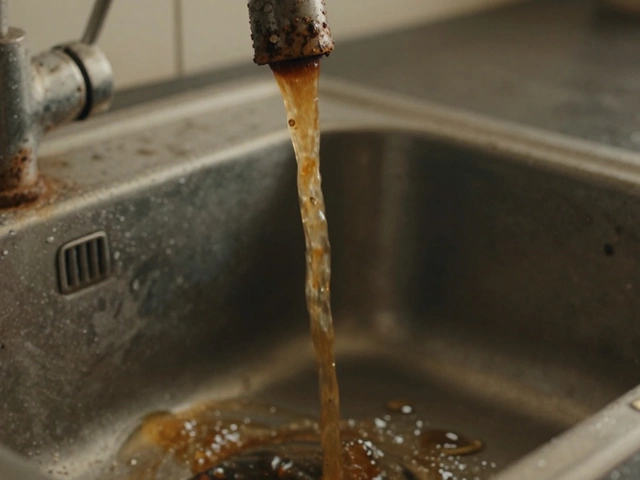
Watch for rusty water, leaks, strange noises, or no hot water-these are clear signs your water heater is failing. Age, higher bills, and bad smells mean it’s time to replace it before it breaks down.

Discover the key signs that indicate your oven needs replacing, from age and energy efficiency to safety concerns. Learn when to repair vs. replace.
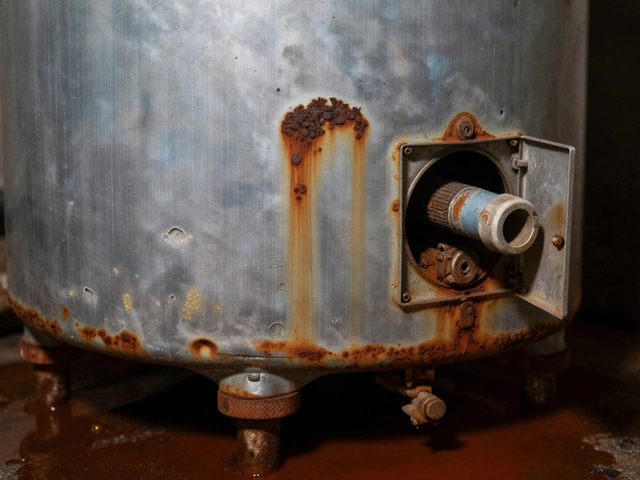
Water heaters commonly fail due to heating element burnout, thermostat issues, corrosion, and sediment buildup. Learn the top causes and how to spot them early to avoid costly repairs or sudden breakdowns.