

When you hear your tumble dryer, a home appliance used to dry clothes by circulating hot air. Also known as clothes dryer, it’s one of the most used machines in the house, it’s easy to assume it’s just another repair job. But not every noisy drum or slow spin means a fix is worth it. The truth? Most dryers last 10 to 12 years. If yours is older than that and starting to act up, you’re not fixing it—you’re delaying the inevitable. Replacing a dryer isn’t just about buying a new machine. It’s about saving money on repeated repairs, cutting energy bills, and avoiding the risk of a fire from worn-out parts.
Here’s the thing: dryer repair, the process of fixing common issues like broken belts, clogged vents, or faulty heating elements can feel like a bargain—£80 to fix instead of £500 to replace. But if you’ve had three repairs in two years, you’re already past the break-even point. A 15-year-old dryer doesn’t just wear out—it gets inefficient. Older models use up to 30% more electricity than new ones, and that adds up over time. Plus, parts for older models are harder to find. A technician might tell you they can fix it, but if they have to order a part that takes two weeks, you’re better off swapping it out now.
Don’t ignore the warning signs. If your clothes come out still damp after a full cycle, or if the dryer runs hot but doesn’t dry, the heating element or thermostat is likely failing. If you hear grinding, squealing, or the drum wobbles badly, the bearings or drum rollers are worn. And if you’re cleaning the lint filter every time—then cleaning it again because it still clogs fast—you’ve got a venting problem that’s either a sign of poor installation or a failing system. A clogged vent isn’t just a nuisance—it’s a fire hazard. The UK Fire and Rescue Service reports over 2,000 dryer-related fires each year. Most are preventable.
When you start thinking about dryer replacement cost, the total price of buying and installing a new tumble dryer, including delivery and removal of the old unit, remember this: a new condenser or heat pump dryer might cost more upfront, but it saves you hundreds in energy bills over five years. Heat pump dryers use up to 50% less power than traditional ones. They’re quieter, gentler on clothes, and last longer. If you’re replacing anyway, why not go for something that pays for itself?
You don’t need to be an expert to know when your dryer is done. If it’s over 10 years old, needs frequent fixes, takes forever to dry, or costs more in repairs than a new model, it’s time. The best decision isn’t always the cheapest one right now—it’s the one that keeps your home safe and your bills low for years to come. Below, you’ll find real stories from people who waited too long, and others who replaced at the right time. Let’s see what actually works.
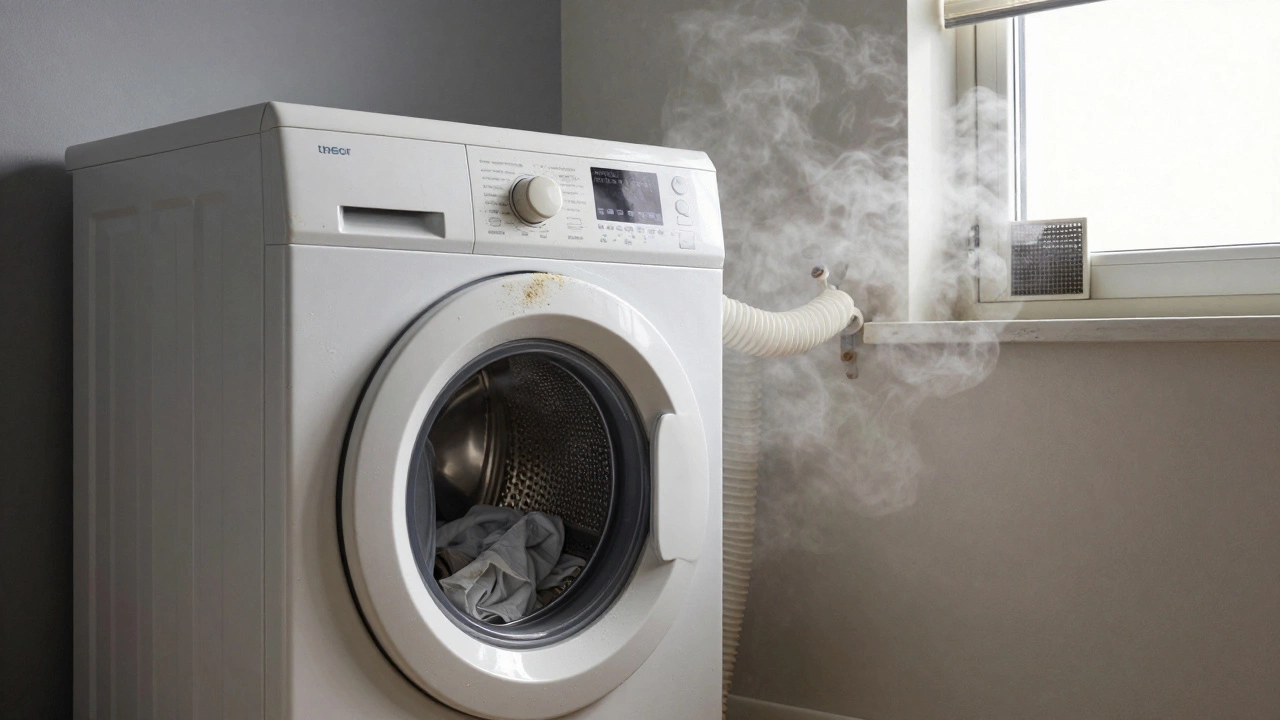
Most tumble dryers last 8-13 years, but poor maintenance can cut that in half. Learn the signs your dryer is failing, when to repair vs replace, and how to make it last longer.

Spotting the two most common electric stove problems can make repairs easier. Learn how to catch signs like faulty burners and control issues with clear, helpful steps.
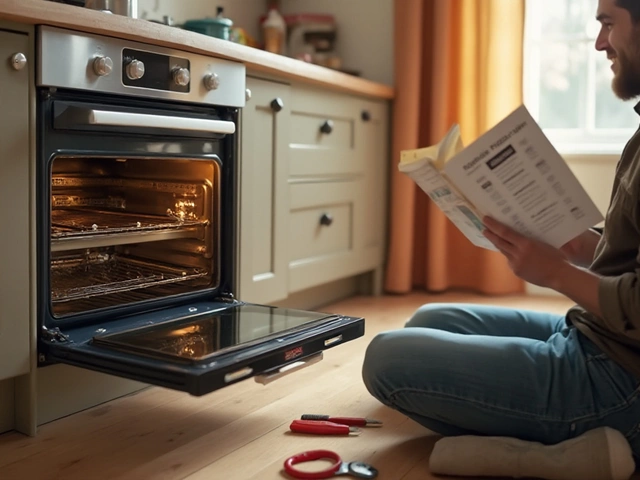
If your electric oven isn't heating properly, it might be time to replace the heating element. Understanding the costs and what's involved in the repair process can help you make informed decisions. This article dives into the factors affecting replacement costs, step-by-step guidance on how to change the element, and practical tips to ensure your oven runs smoothly. With these insights, you can tackle the repair yourself or hire the right professional for the job.

When your dryer suddenly stops working or leaves your laundry sopping wet, it’s tough to know what your best next step is. Should you call in a repair service, try a DIY fix, or bite the bullet and shop for a new one? This article breaks down the real costs, tells you what repairs make sense, and gives you actionable tips so you don’t spend more than you have to. It covers which common dryer issues can be fixed on a budget, when to say goodbye to a worn-out machine, and how to make smart decisions that save time, money, and hassle.

Extractor fans play a crucial role in maintaining the air quality of your home, yet often go unnoticed until issues arise. Regular servicing of extractor fans can prevent malfunction, improve efficiency, and extend the lifespan of the device. This article explores the importance of servicing extractor fans, signs that show when a service might be needed, and provides maintenance tips to keep these devices in tip-top condition. Learn how a well-maintained extractor fan can contribute to a healthier living environment.
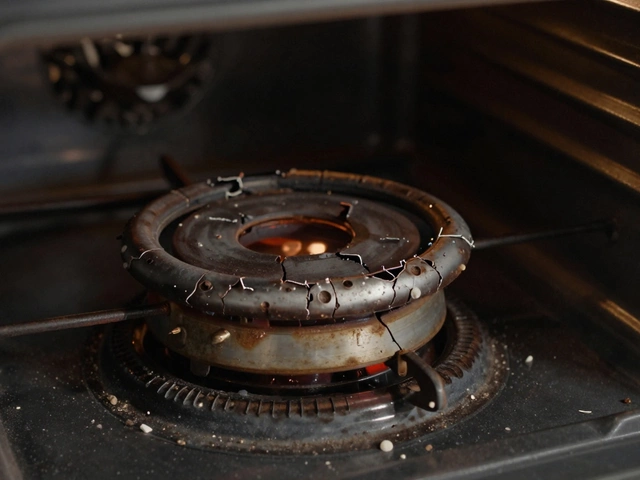
If your oven won't heat up, it's usually a simple fix-like a broken element, faulty thermostat, or blown fuse. Learn the most common causes and how to diagnose them yourself before calling a repair technician.