

Got a tumble dryer that’s making strange noises, taking forever to dry, or just won’t turn on? You’re not alone. Most homeowners face a dryer hiccup at some point, and the good news is many problems can be solved without a full service call.
In this guide we’ll walk through the most common tumble dryer issues, how to troubleshoot them, and simple steps you can take before you pick up the phone. It’s all written for a regular person – no jargon, just clear actions you can try today.
First, make sure the basics are covered. A loose plug, tripped circuit breaker, or a blocked lint filter can cause the dryer to under‑perform. Unplug the unit, clean the lint screen thoroughly, and inspect the vent hose for kinks or blockages. A clear vent improves airflow and stops the dryer from overheating.
Next, listen for the motor. If you hear a humming but the drum doesn’t spin, the belt might be broken or slipped off. Most tumble dryers use a simple rubber belt that’s easy to replace. Pull the dryer away from the wall, remove the rear panel, and check the belt’s condition. If it’s frayed or missing, swapping it out is a cheap DIY job.
Dryer won’t heat. This is usually caused by a faulty heating element, a blown thermal fuse, or a problem with the thermostat. Unplug the dryer, locate the heating element (often behind the front panel), and test it with a multimeter for continuity. If the element shows no continuity, replace it. The thermal fuse is a safety device – if it’s blown, the dryer will run but stay cool. Replace the fuse with an identical part and re‑test.
Long drying times. Besides a clogged vent, check the moisture sensor. Many modern dryers have metal bars inside the drum that sense dampness. If they’re covered in lint, the dryer thinks clothes are still wet and keeps running. Wipe the bars clean with a cloth and a little rubbing alcohol.
Noise and vibration. Odd thumping or rattling often points to worn drum rollers or a mis‑aligned drum. Open the dryer’s rear or front access panel, spin the drum by hand, and feel for resistance. If the drum wobbles, the rollers may need lubrication or replacement. Tightening any loose screws on the drum support can also quiet things down.
If you’ve tried these steps and the dryer still misbehaves, it’s time to call a professional. Our Bognor Regis Appliance Repair Experts have the tools and experience to diagnose tricky electrical faults, replace motors, or handle warranty work safely.
Remember, regular maintenance keeps your tumble dryer efficient and extends its life. Clean the lint filter after every load, check the vent every few months, and give the drum rollers a quick spin check annually. With a bit of attention, you’ll avoid most breakdowns and keep your dryer humming along for years.
Need a hand? Our team offers fast, reliable service throughout Bognor Regis. Give us a call, and we’ll have your dryer back to normal in no time.

Is your 10 year old dryer gasping for air, and you’re wondering if it’s time to fix or toss it? This article breaks down how long dryers usually last, what typical repair costs look like, and when it just makes more sense to get a new one. You’ll find smart tips to figure out if fixing an older dryer is throwing good money after bad or saving yourself from an expensive upgrade. Get real-life advice that skips the fluff and gets to the point.

Dryers are workhorses in the laundry room, but they aren't immune to problems. This article breaks down the most common issues found in tumble dryers, from weird noises to clothes that just won't get dry. You'll find straightforward explanations for why these problems happen and learn some practical tips to fix or prevent them. Plus, get the inside scoop on when you should call for a pro. Save money, avoid headaches, and keep your dryer running smoother for longer.

Choosing the right extractor fan can be a tricky task with so many options on the market. This guide breaks down key factors like fan types, sizes, noise levels, and energy efficiency to help you make an informed decision. We dive into tips on proper sizing and essential features to look for. Find maintenance tips and tricks to keep your fan running smoothly. Equip yourself with the knowledge you need to ensure a wise investment.

Repairing an electric oven on your own can be daunting, but it may be easier than it seems. This article explores the basics of oven function, safety tips, and common issues like heating problems or broken knobs. You'll find valuable advice on identifying problems and learning when it's best to call a professional. With a bit of knowledge, some troubleshooting, and a few tools, you might be able to save money on repair costs. Remember to prioritize safety above all while attempting repairs.
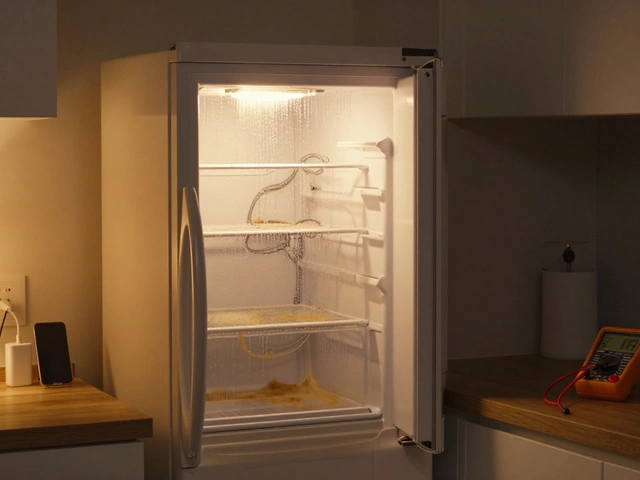
Your fridge suddenly stopped cooling? It's not magic-it's usually a simple fix. Learn the top 6 reasons why fridges fail and what to do before calling a repairman.

When your dishwasher starts acting up, a quick, accurate diagnosis can save you from bigger headaches and pricey repairs. This article walks through simple methods to spot dishwasher problems, from weird noises to stubborn leaks. You'll learn what to check first, how to tell if it's a DIY fix, and when it's time to call in a pro. Handy tips and real-life examples make this guide easy to follow, even if you're not a born handyman. Don't let a small hiccup become a kitchen disaster — know what to look for and act fast.
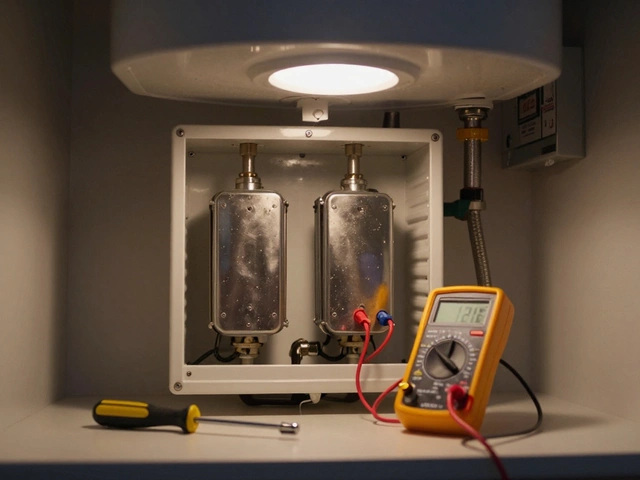
Fix a water heater producing cold water by checking the power, testing heating elements, adjusting the thermostat, flushing sediment, and replacing faulty parts like the dip tube or thermocouple. Most issues are simple DIY fixes.