

Thermostats are the brain of your heating system, so when they misbehave you feel it everywhere. The house gets too cold, too hot, or just won’t reach the set temperature. Before you call a technician, try a few quick checks that often solve the problem.
First, look at the power source. Many wall‑mounted thermostats run on batteries; a dead or weak battery can cause erratic readings or a blank screen. Swap in fresh A‑size or AA batteries and see if the display comes back to life. If the unit is hard‑wired, make sure the circuit breaker hasn’t tripped and that the wiring connections are snug.
Next, verify the settings. A common mistake is leaving the thermostat on “off” or on a fan‑only mode. Switch it back to “heat” and set a comfortable temperature a few degrees above the current room temp. Give the system 15‑20 minutes to respond. If you have a programmable model, reset the schedule to a basic setting – sometimes a corrupted program stops the system from kicking in.
Dirty or misplaced sensors can also cause trouble. The thermostat’s temperature sensor sits right behind the front cover; dust can insulate it and make the unit think the room is warmer than it is. Gently wipe the sensor with a dry cloth. Also, make sure the thermostat isn’t installed near a heat source like a lamp, refrigerator vent, or direct sunlight, which can skew the reading.If the thermostat runs but the heat pump or boiler doesn’t fire, check the “system” switch on the unit. Many thermostats have a toggle that lets you select between “heat”, “cool”, or “auto”. Selecting the wrong option will stop the heating element from turning on. Double‑check that it matches your actual system.
For digital thermostats, a quick reset can clear hidden glitches. Turn off the thermostat (or remove the batteries), wait a minute, then power it back up. The unit will reboot and often return to normal operation. Keep the user manual handy – it usually lists a specific reset procedure for your model.
If you’ve tried the above steps and the house still won’t heat, the issue is likely deeper in the HVAC system. Faulty wiring, a broken heat‑pump relay, or a malfunctioning furnace control board requires a qualified technician. Attempting to open the wiring panel yourself can be dangerous and may void warranties.
Another red flag is repeated short‑cycling – the system turns on and off quickly. This can overheat the furnace or damage the heat pump. A pro will test the thermostat’s signal voltage, inspect the relay contacts, and calibrate the sensor properly.
Older thermostats, especially analog or early digital models, may simply be at the end of their life. Replacing them with a modern, programmable unit can improve comfort and cut energy bills. Installation is straightforward, but a professional ensures the new unit is wired correctly and works with your heating system.
Lastly, keep an eye on error codes. Many smart thermostats flash a blinking sequence or show an error message when they detect a problem. Write down the code and look it up in the manual – it often points you to the exact component that needs attention.
In most cases, a dead battery, dust‑covered sensor, or wrong setting is enough to bring your thermostat back to life. By walking through these quick checks, you can save time, money, and the hassle of an unexpected repair call. If the problem persists, don’t hesitate to get a certified heating professional to diagnose and fix the issue safely.
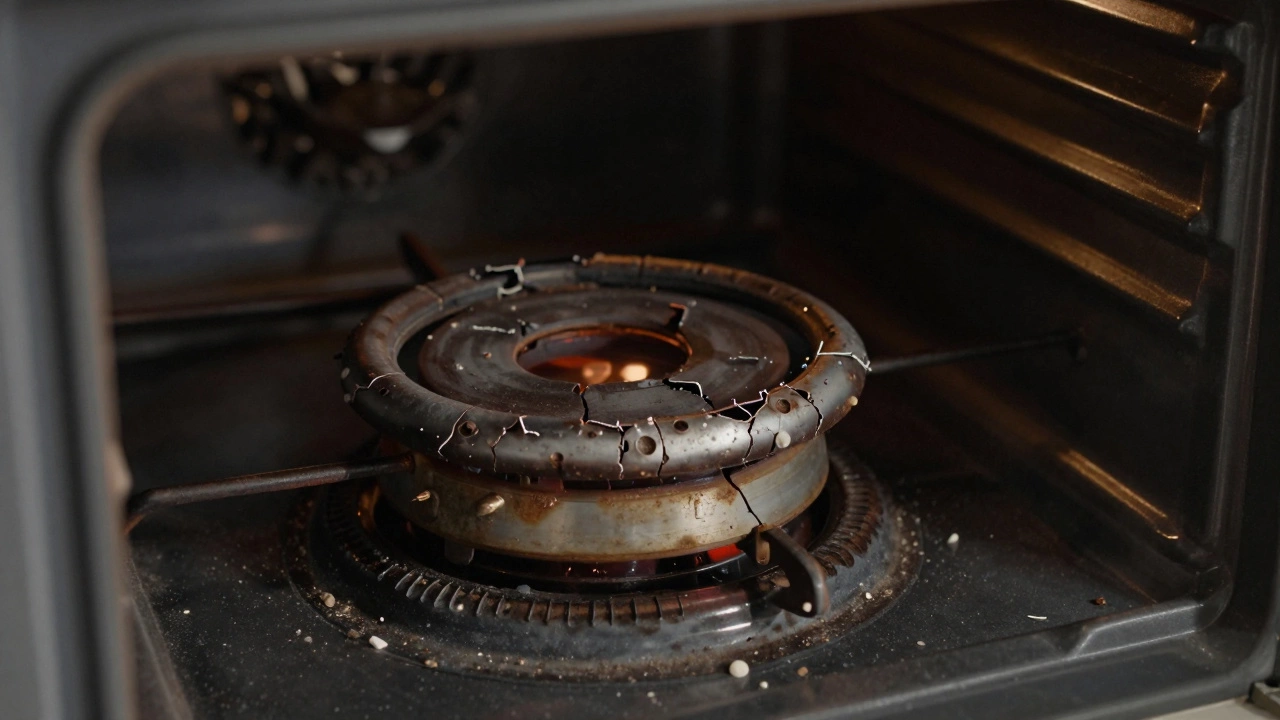
If your oven won't heat up, it's usually a simple fix-like a broken element, faulty thermostat, or blown fuse. Learn the most common causes and how to diagnose them yourself before calling a repair technician.
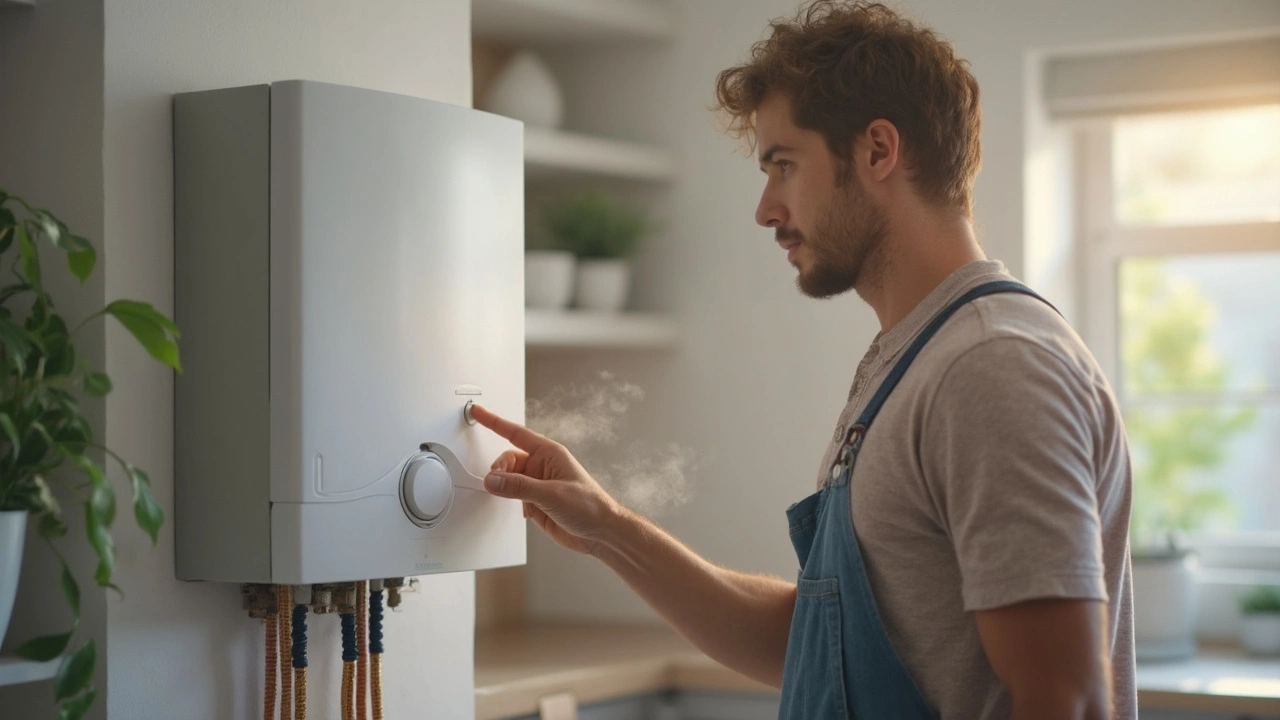
Dealing with a water heater that keeps tripping can be a headache—hot water one minute and a cold shower the next. This article breaks down the most common reasons for this irritating problem, giving you clear steps for figuring out if it’s a simple DIY fix or if you should call in a pro. You’ll get straight talk, not complicated jargon or long-winded explanations. Learn what to check, what parts usually fail, and when your water heater might just be on its last leg. Get the confidence to handle the problem and save yourself a ton of hassle.
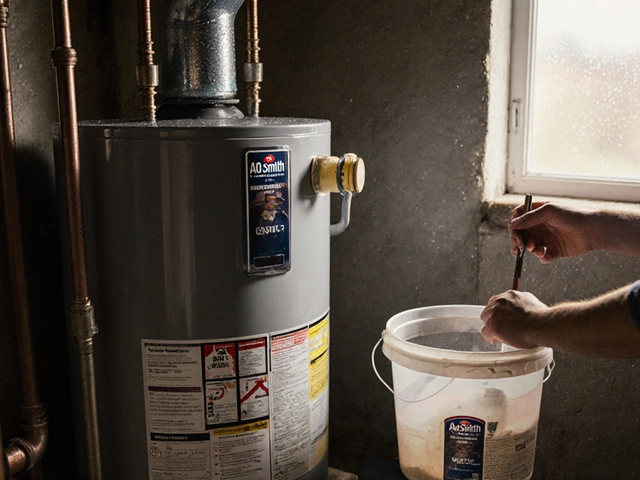
AO Smith, Bradford White, and Rheem are the most durable water heater brands, often lasting 12-15 years with proper maintenance. Learn what really affects lifespan and how to make your heater last longer.

Is it worth repairing a 7-year-old fridge freezer? Usually yes-if the repair is under £200 and the unit still runs efficiently. Learn what fixes make sense, which problems mean replacement, and how much you’ll save on energy bills.
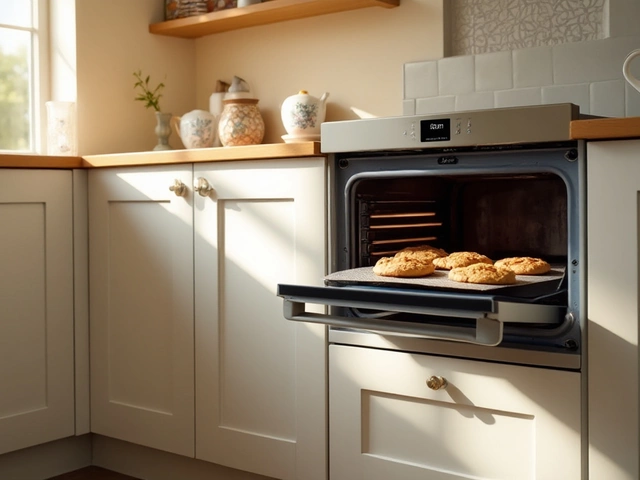
An electric oven is a staple in most kitchens, used for everything from baking cookies to roasting savory meals. Knowing how long an electric oven is expected to last can help homeowners budget and plan for replacement or repairs. This article explores the average lifespan of electric ovens, factors influencing their durability, and tips on maintenance to extend the life of the appliance. Understanding these aspects will aid in maximizing the utility and performance of your oven.
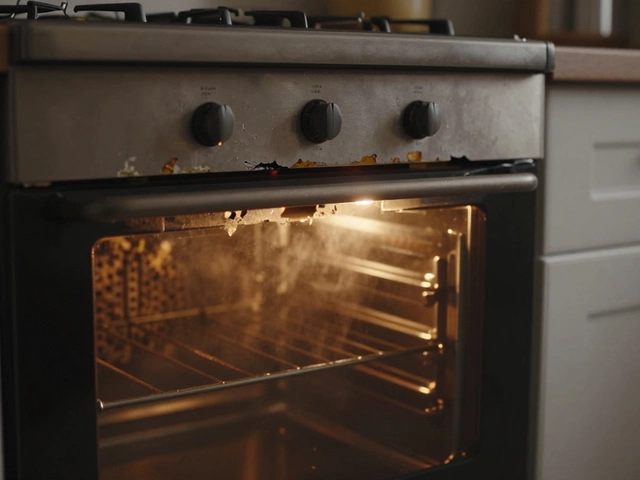
Most ovens last 10 to 15 years, but usage and maintenance affect lifespan. Learn the signs your oven is failing, when to repair vs. replace, and how to make it last longer.
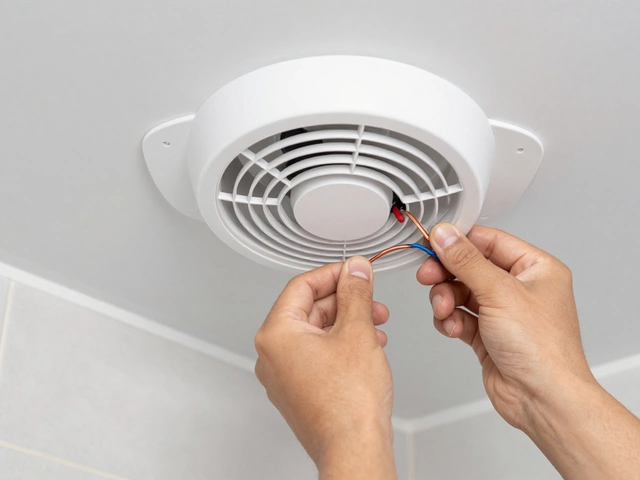
Wondering who should install your extractor fan? Learn when to hire an electrician, HVAC tech, or handyman for safe and efficient ventilation installation.