

Every appliance you own loses a little efficiency each year you skip a check‑up. A simple routine can stop a cheap repair from turning into a costly replacement. Below you’ll find the most useful tasks you can do yourself, plus clear signs it’s time to call a professional.
Start with the basics. A damp cloth, a screwdriver and a few minutes are all you need for most jobs.
These tasks take less than ten minutes each and spare you from unexpected breakdowns.
DIY can handle wear and minor faults, but some problems need a qualified technician.
If you hear buzzing, see smoke, or smell gas, shut the appliance off and contact a professional immediately. Same goes for persistent error codes on digital displays – they often hide electrical issues you shouldn’t tinker with.
Boiler and gas‑related work must be done by a Gas Safe registered engineer. Attempting it yourself is illegal and dangerous.
For complex electronic failures—like a refrigerator that runs but never cools even after coil cleaning—a qualified repair service can diagnose the exact component and replace it safely.
Knowing where to draw the line saves time, money and keeps your home safe.
Regular maintenance, combined with the right professional help, extends the life of every appliance in your house. Keep this checklist handy, schedule a quick check‑up each season, and you’ll enjoy reliable performance without surprise repairs.
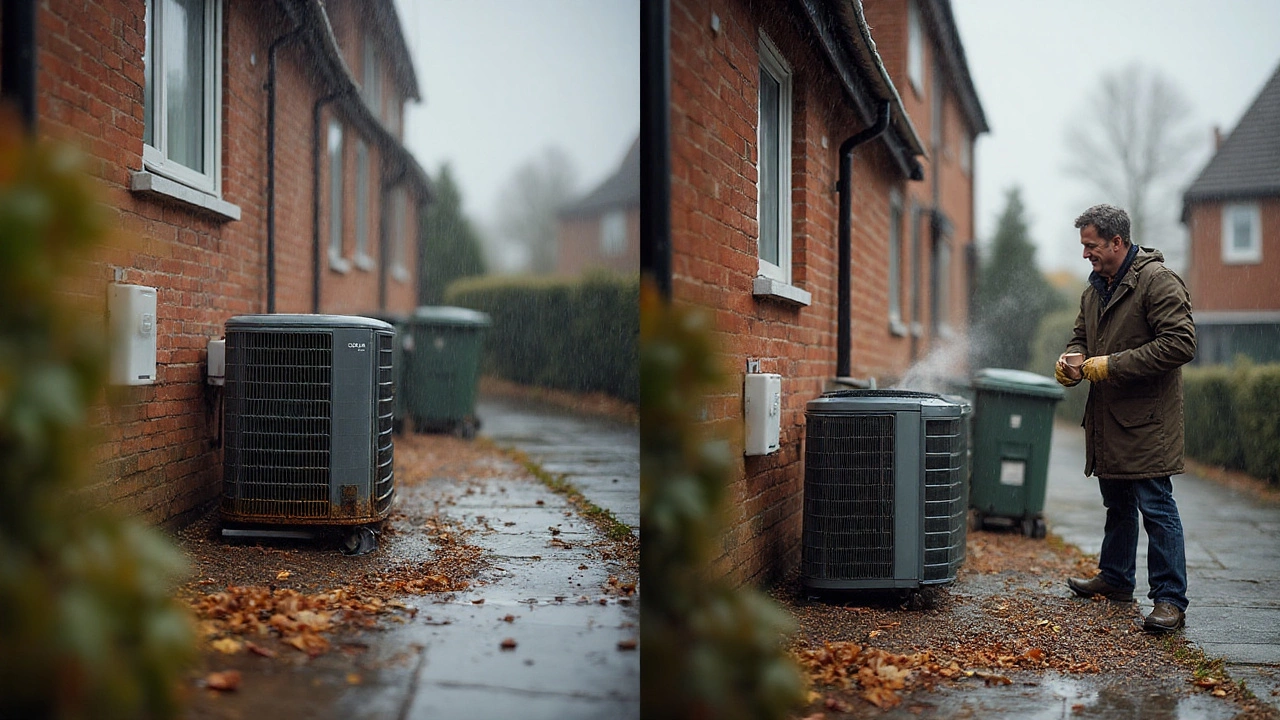
Real UK lifespan for air vs ground source heat pumps, what shortens or extends life, maintenance steps, and a simple repair-or-replace guide you can actually use.
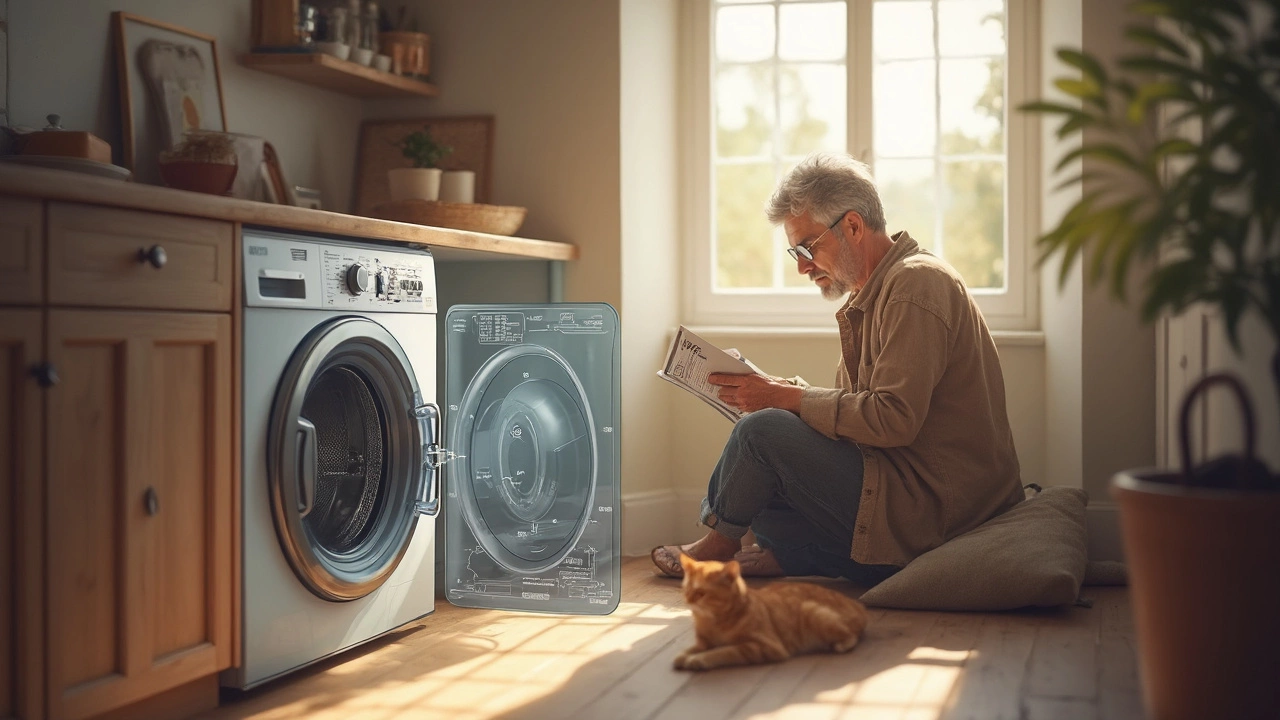
Discover which washing machine parts break down most often, why they fail, and how to prevent expensive repairs. Get tips to keep your washer running smoothly.
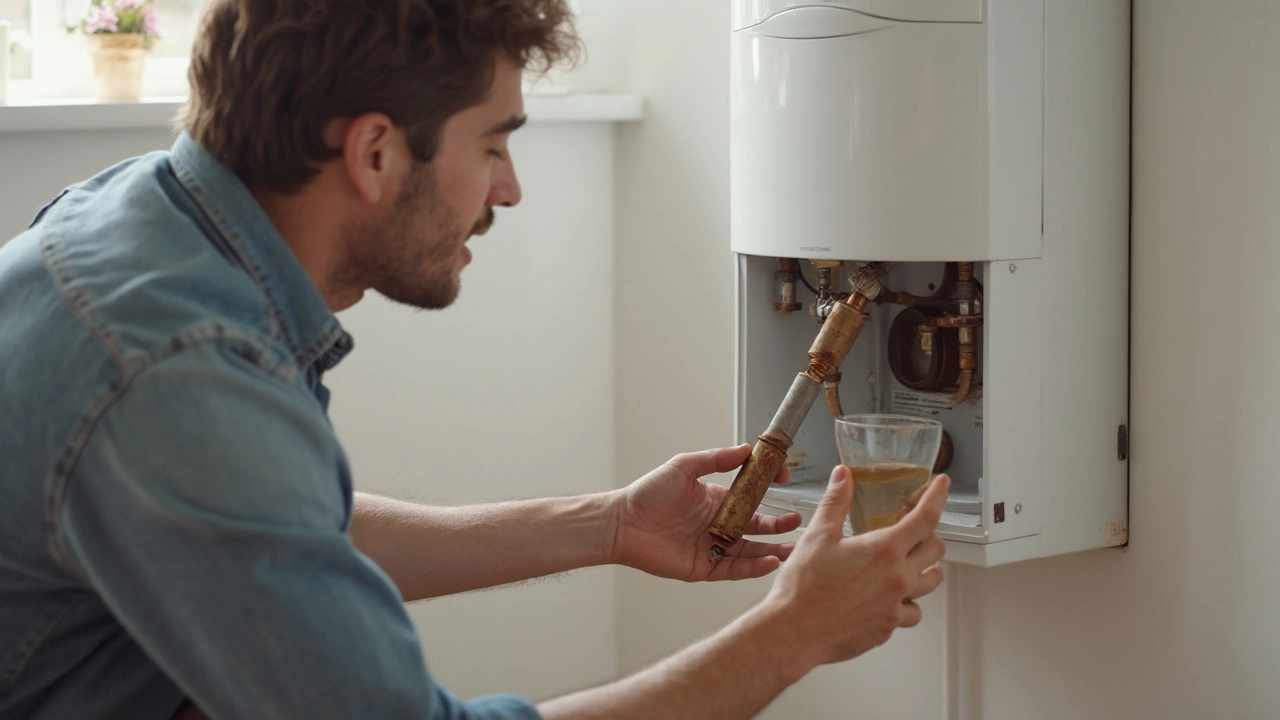
Not sure if your water heater's anode rod is shot? This article breaks down the telltale signs that your anode rod is past its prime, from weird smells to rusty water. Find out how long these rods actually last, why they're so important, and how to check them yourself. With some simple tips, you'll spot trouble before it wrecks your tank. Get the facts so you can keep hot water flowing without a nasty surprise.
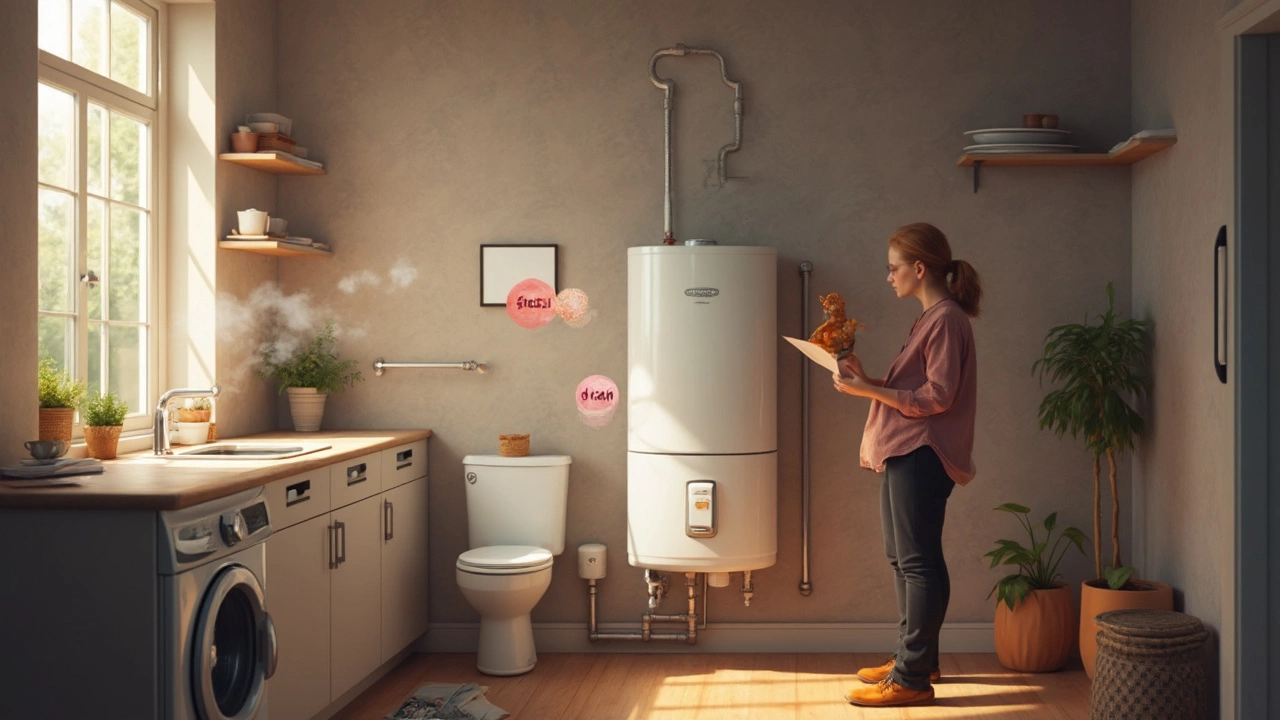
Wondering if you should flush or just drain your water heater? This article breaks down the difference, when each method makes sense, and what actually helps your water heater last longer. You'll find practical advice, simple tips, and a few things even pros forget. Discover the truth about tank cleaning—without the jargon or confusion. Your next maintenance day just got a lot less stressful.
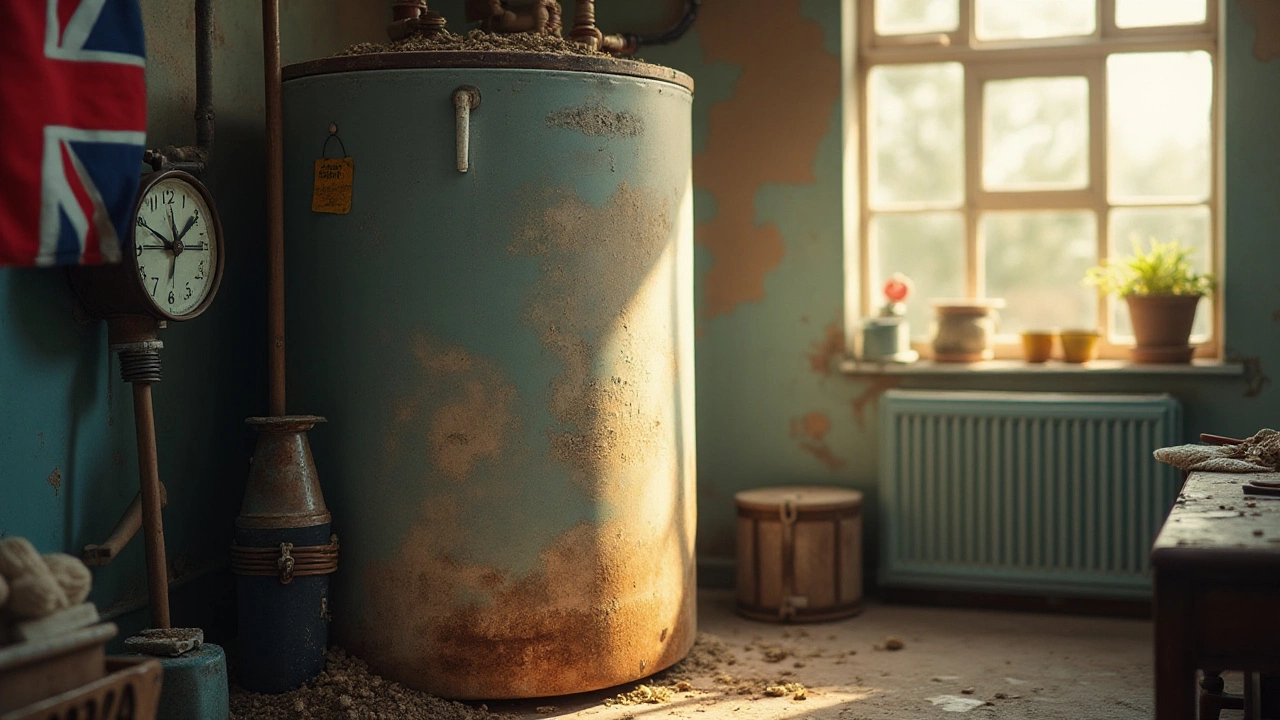
Neglecting to flush your water heater can lead to a host of issues, from inefficiency to full-blown malfunctions. Sediment buildup can decrease heating efficiency and even cause damage over time. This article explores what happens if you never flush your water heater, why regular maintenance is crucial, and how you can perform these tasks. Dive into practical advice and tips for maintaining a healthy water heating system.

Discover how to ensure your water heater is in proper working condition with this detailed guide. Learn to identify signs of malfunction, perform essential maintenance tasks, and understand common issues that may arise. Whether it's electric or gas, having a reliable water heater is crucial for every home. Keep your heater running smoothly with practical and safety-focused advice.
Repairing an electric oven on your own can be daunting, but it may be easier than it seems. This article explores the basics of oven function, safety tips, and common issues like heating problems or broken knobs. You'll find valuable advice on identifying problems and learning when it's best to call a professional. With a bit of knowledge, some troubleshooting, and a few tools, you might be able to save money on repair costs. Remember to prioritize safety above all while attempting repairs.

Deciding between repairing and replacing a freezer can be tricky. This article guides you through evaluating repair costs, expected lifespan, and energy efficiency before making a decision. It provides practical advice to help you make an economical choice, whether to fix or replace your freezer. Learn important factors to consider, like repair frequency and environmental impact, to ensure you spend wisely.
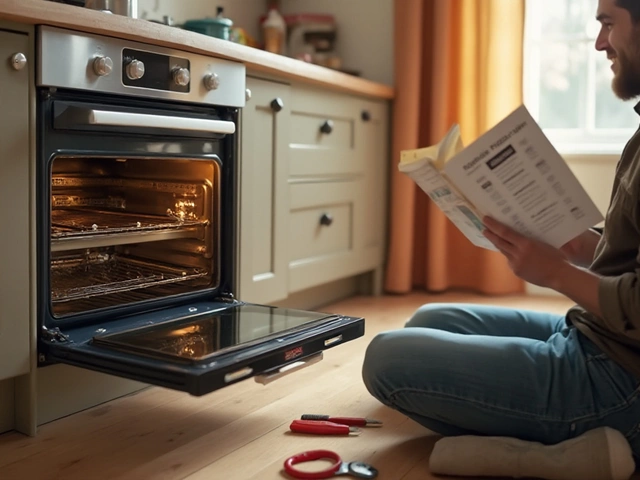
If your electric oven isn't heating properly, it might be time to replace the heating element. Understanding the costs and what's involved in the repair process can help you make informed decisions. This article dives into the factors affecting replacement costs, step-by-step guidance on how to change the element, and practical tips to ensure your oven runs smoothly. With these insights, you can tackle the repair yourself or hire the right professional for the job.

Plumbers can install extractor fan ductwork, but only electricians can legally wire them. Learn who to call for safe, code-compliant installation and how to avoid costly mistakes.
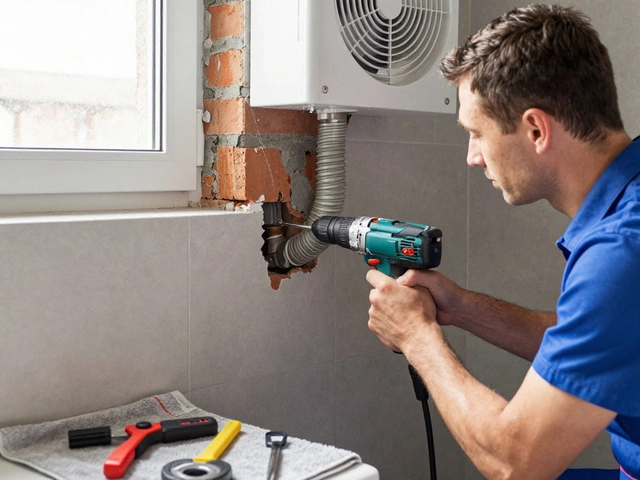
Can a plumber fit an extractor fan? While they can install the unit, only a qualified electrician can legally and safely handle the wiring. Learn what you need to know before hiring anyone.