

Cold showers are the worst, right? Whether it’s a winter chill or a sudden drop in temperature, hot water problems can ruin your day. The good news is many issues are simple to spot and fix yourself. Below are the most common culprits, quick checks you can do, and the signs that it’s time to call in a professional.
Start with the basics. Is the pilot light on for gas‑fed boilers? Is the circuit breaker tripped for electric heaters? Turn the tap on fully – sometimes a partially closed valve tricks you into thinking the water isn’t heating.
Next, feel the pipe leading away from the heater. If it’s warm but the water coming out is still cold, the problem is likely in the thermostat or the heating element. A quick reset of the thermostat (usually a button on the unit) can restore heat within minutes.
For storage tanks, sediment builds up over time. A cloudy layer at the bottom reduces efficiency and can cause cold spots. Flushing the tank once a year clears the sludge and restores performance. The steps are easy: turn off power or gas, attach a garden hose to the drain valve, open the valve, and let the water run until it’s clear.
If you’ve checked the pilot, reset the thermostat, and flushed the tank but the water is still lukewarm, it’s time to look deeper. A faulty heating element, cracked heat exchanger, or a failing pressure valve can cause ongoing issues. These parts require special tools and safety precautions, especially with gas units.
Another red flag is a strange smell (like rotten eggs) or visible leaks around the heater. Leaks not only waste water but can lead to corrosion and even mold. In such cases, a qualified technician should assess the system. They’ll test pressure, inspect internal components, and recommend repair or replacement.
Older boilers (over 10‑15 years) often lose efficiency, making them expensive to run. If you’re consistently dealing with cold water, low pressure, or frequent breakdowns, upgrading to a modern condensing boiler could save you money in the long run.
Bottom line: start with the easy checks – pilot light, power, thermostat, and flushing. If those don’t work, or you spot leaks, weird noises, or a bad smell, call a certified plumber or heating engineer. Quick DIY fixes keep you warm, but professional help ensures safety and lasting performance.
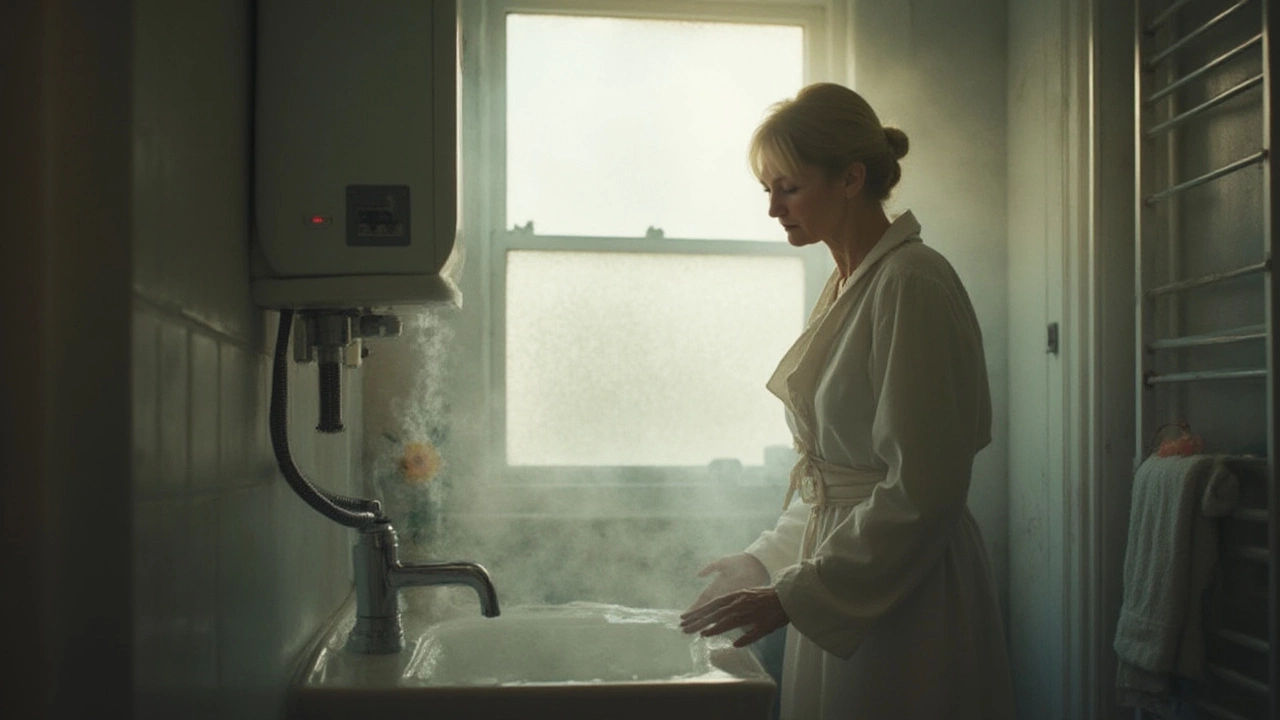
Wondering why your water heater keeps needing a reset before you get hot water? Learn the real reasons, what you can safely check, and when it’s time to call for help.

Is your hot water heater suddenly not working? Here’s what can go wrong, how to spot the problem fast, and pro tips to get hot water back right away.
Dealing with a lack of hot water can be incredibly frustrating, especially during colder months. This article provides step-by-step guidance to identify and fix common issues with water heaters, ensuring you can tackle minor problems yourself before calling a professional. By understanding the functionality and common problems associated with water heaters, you can save time, money, and avoid inconvenient cold showers.
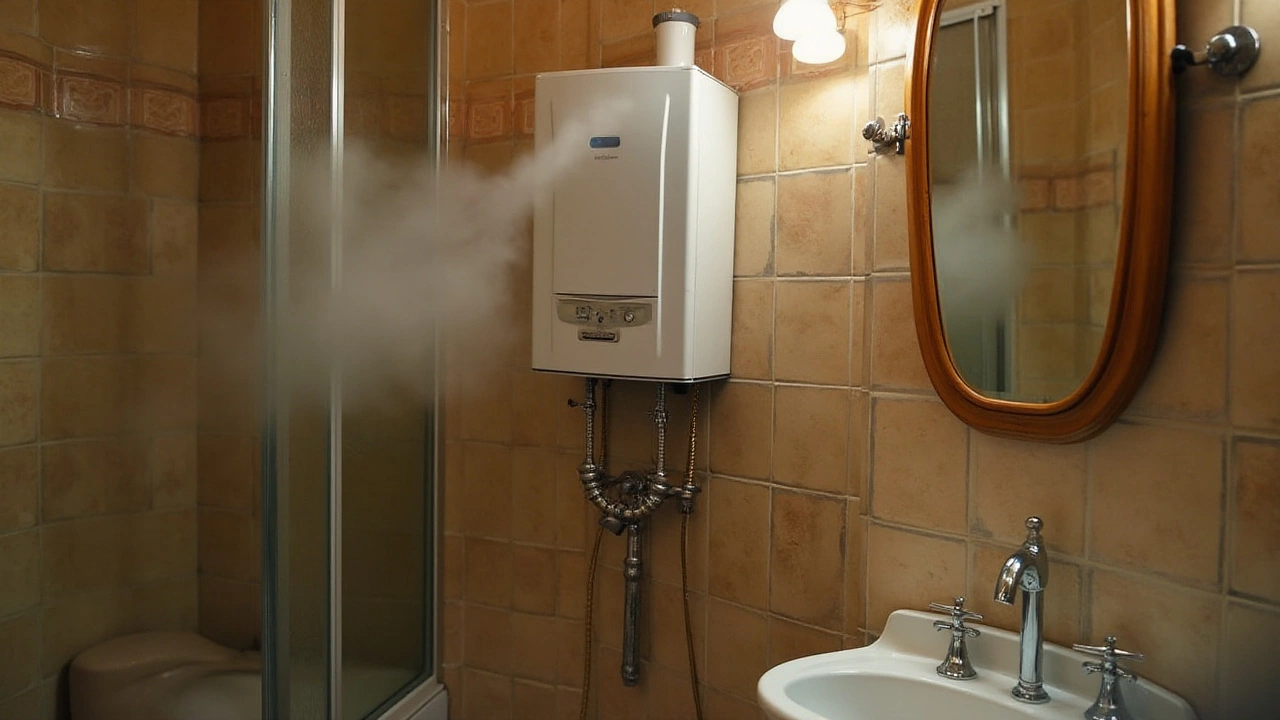
When your hot water heater isn't supplying the steamy showers you're used to, it might be due to a faulty heating element. This article dives into common indicators of a malfunctioning water heater element, such as unusual noises, inconsistent water temperatures, and an unexpected spike in your energy bills. You'll learn how to diagnose potential issues and gather insights on troubleshooting these problems. While some fixes might require professional expertise, understanding the basics can help you pinpoint the root of the problem and decide the best course of action. Get ready to reclaim your warm water comfort!

Experiencing a sudden loss of hot water can be inconvenient and potentially alarming. Understanding common reasons for this issue, such as thermostat malfunctions or a broken heating element, can help you troubleshoot the problem. Sometimes the solution is as simple as relighting the pilot light or adjusting the thermostat settings. For more complex issues, professional repair might be necessary. This article provides insightful tips and practical information to help you get your hot water flowing again.
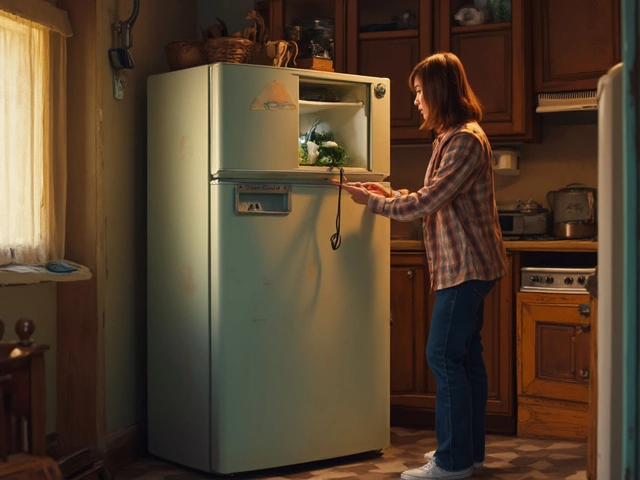
When your refrigerator suddenly stops working, it can cause quite a panic. But before calling in the repair services, there's one crucial thing you should check first: the power source. This step is often overlooked but can save you both time and money. Reliability and efficiency in troubleshooting can help bring your fridge back to life or at least determine the next best steps.
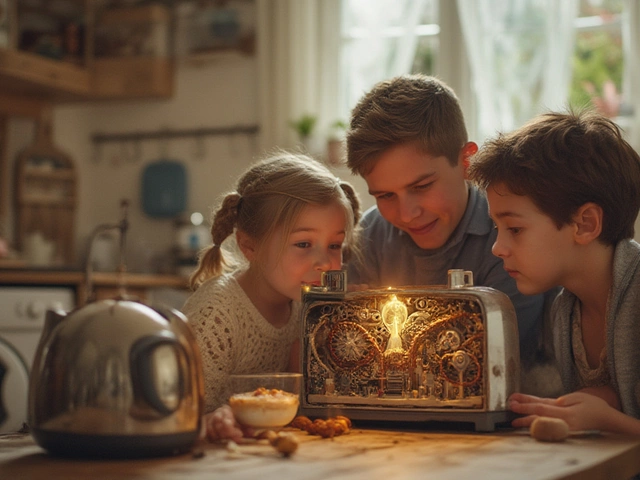
Curious about how your home appliances actually work? Get a full breakdown of what happens inside, troubleshooting tips, and smart ways to keep everything running smoothly.
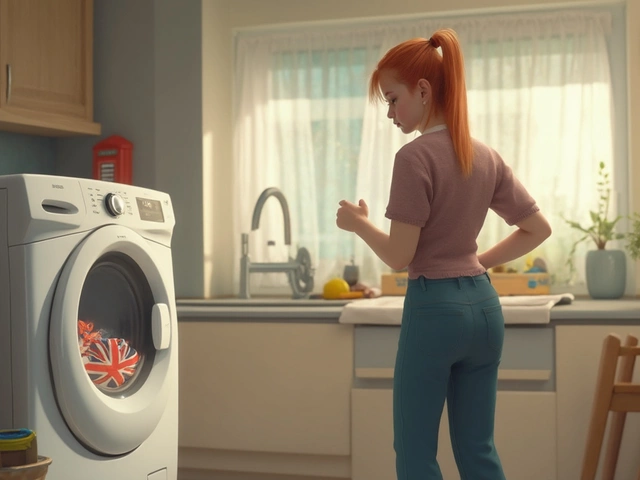
Ever found yourself standing in front of a stubborn washing machine that just won’t cooperate? It can be frustrating, right? This practical guide walks you through the simple steps to reset your washing machine, saving you from unnecessary headaches. From spotting common issues to quick fixes, you'll find all you need to get your washer back on track.
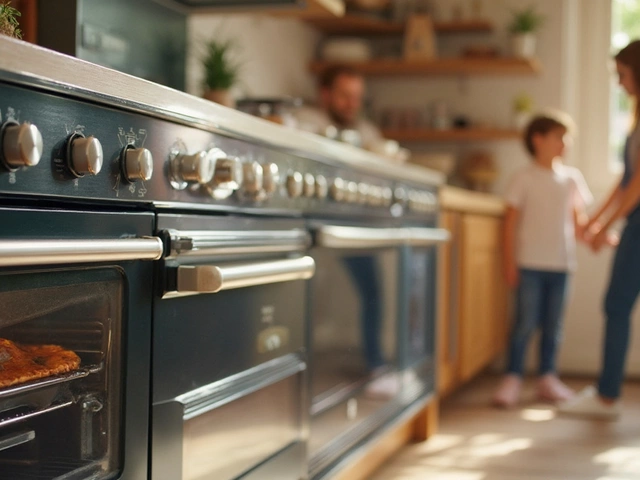
If you’re shopping for a new electric oven or worried about breakdowns, brand reliability matters big time. This article looks at which appliance brands have the fewest reported repairs, backed by recent repair data and real user experiences. You’ll see how different brands compare, which models tend to last, and when it makes sense to spend a little more upfront. Plus, you’ll pick up tips to keep your oven running smoothly, no matter which badge it wears. Everything’s packed in with real talk—no fluff to wade through.
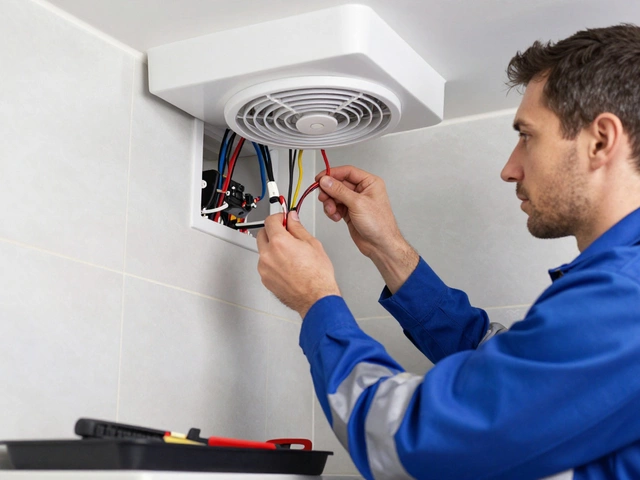
Discover which tradesperson fits an extractor fan. Learn when to hire an electrician vs. a plumber for safe, compliant UK installations.