

When dealing with hot water heater warning signs, the obvious clues that something's wrong with your water heating system. Also known as hot water heater red flags, these indicators let you catch a failure before you’re left with a cold shower.
One of the most common related clues is a water heater reset, the safety button that trips when the unit overheats. If you find yourself pressing it repeatedly, that’s a direct sign that pressure or temperature is out of range. Another linked entity is boiler warning signs, symptoms like low pressure, strange noises, or pilot light issues that affect overall hot water supply. Finally, consider the broader hot water system maintenance, regular tasks such as flushing the tank, checking anodes, and inspecting valves that keep the heater running smoothly. Each of these entities influences the main warning signs and helps you pinpoint the root cause.
First, pay attention to temperature fluctuations. If the water feels lukewarm one minute and scalding the next, the thermostat may be failing – a classic hot water heater warning sign. Second, listen for rumbling or hissing noises inside the tank; that usually means sediment build‑up is causing the heater to work harder. Third, check for leaks around the base; water pooling indicates a cracked tank or faulty valve. Finally, note any unusual odors, especially a rotten‑egg smell, which points to a failing anode rod and possible corrosion.
These symptoms don’t exist in a vacuum. A faulty thermostat can trigger the water heater reset safety switch, causing the unit to shut down repeatedly. Likewise, a low‑pressure boiler can starve the heater of hot water, making temperature swings more noticeable. By connecting the dots – thermostat issues, reset trips, and boiler alerts – you get a clearer picture of what’s really happening inside your system.
Beyond the obvious, consider the age of your unit. A water heater that’s been running for 15‑20 years is more likely to show warning signs like reduced efficiency or frequent resets. Regular flushing, which removes mineral deposits, can extend life and calm many of the noises you hear. If you haven’t flushed the tank in the past year, that’s a missed opportunity to prevent sediment‑related warnings.
Another hidden sign shows up on your energy bill. A sudden jump in heating costs often means the heater is working overtime because of poor insulation or a failing heating element. Checking the element for signs of burnout – visible cracks or broken wires – can save you from an expensive repair later. When the element fails, the unit may still produce warm water but at a much slower rate, another subtle warning sign.
Safety should never be an afterthought. If you ever smell gas near the heater, or if the pilot light flickers, treat it as an urgent boiler warning sign and shut off the gas supply. While most modern water heaters have safety features, ignoring these cues can lead to dangerous situations. A quick visual inspection of the venting system can also reveal blockages that cause overheating and trigger the reset button.
Putting all this together, you now have a checklist of practical, real‑world signs: temperature swings, noises, leaks, odors, reset trips, high energy use, and age‑related wear. Each item ties back to the core idea of spotting warning signs early, and each relates to at least one of the supporting entities we mentioned. Understanding how they interact equips you to decide when a DIY fix will work and when you need a professional.
Below you’ll find a curated collection of articles that dive deeper into each of these topics – from resetting your heater safely to flushing the tank and navigating boiler alerts. Keep reading to get step‑by‑step guidance, cost estimates, and expert tips that will help you stay warm and avoid costly breakdowns.
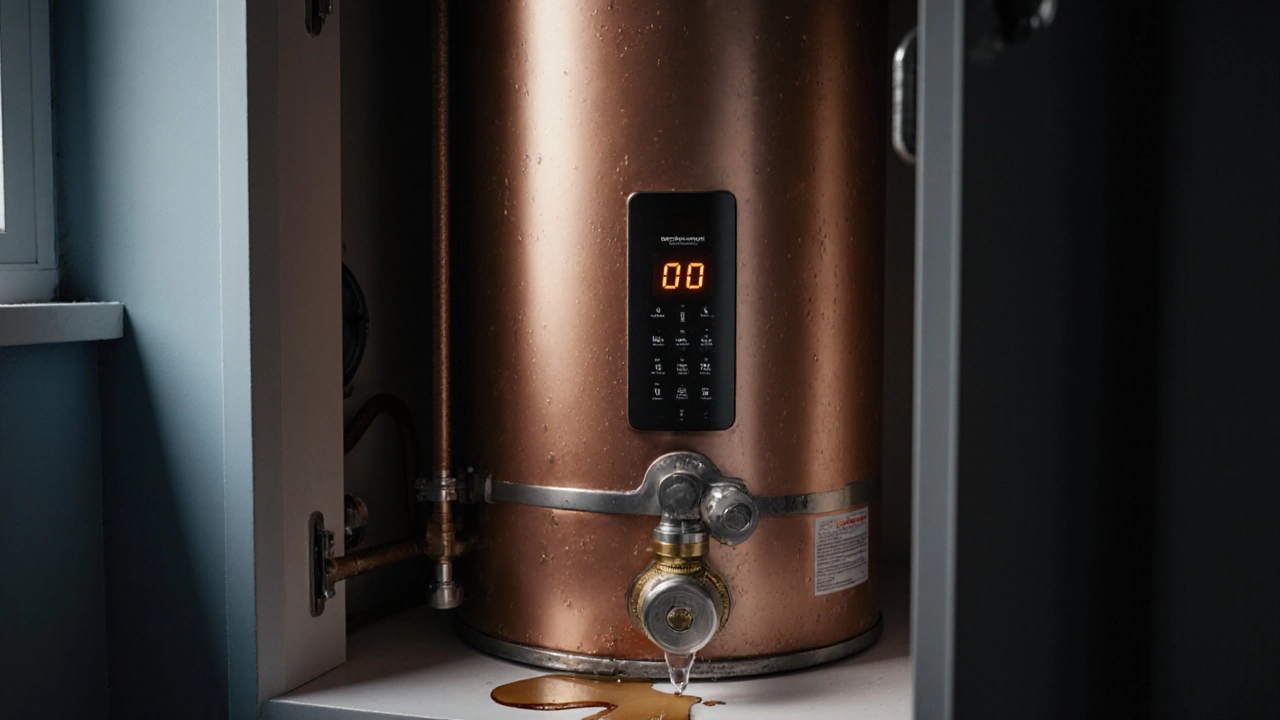
Spot the top warning signs of a failing hot water heater, from strange noises and leaks to temperature swings and error codes, plus practical fixes and when to call a pro.
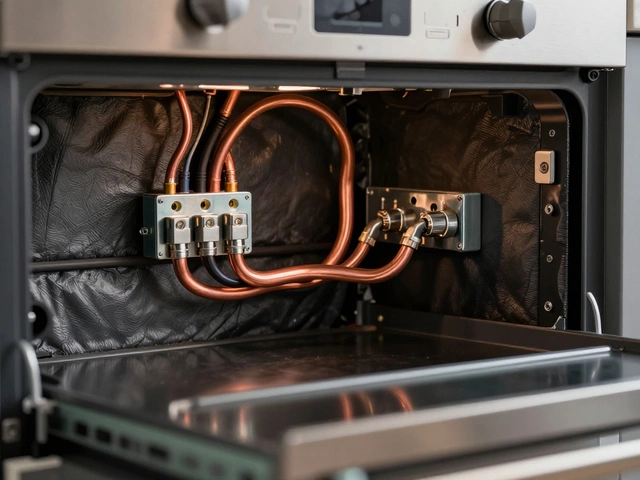
Discover whether you can replace an electric oven yourself or need to hire a professional. Learn about voltage requirements, safety risks, and legal building codes for appliance installation.
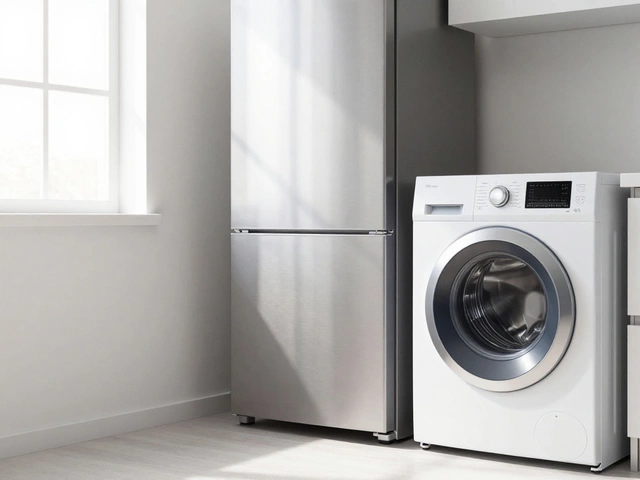
Discover what appliance service really means and how it differs from repair. Learn why regular maintenance saves money, extends lifespan, and ensures safety for your home appliances.

Wondering if you can change your kitchen extractor fan yourself? This guide covers steps, safety, tools, common mistakes, and installation tips for a smooth DIY experience.
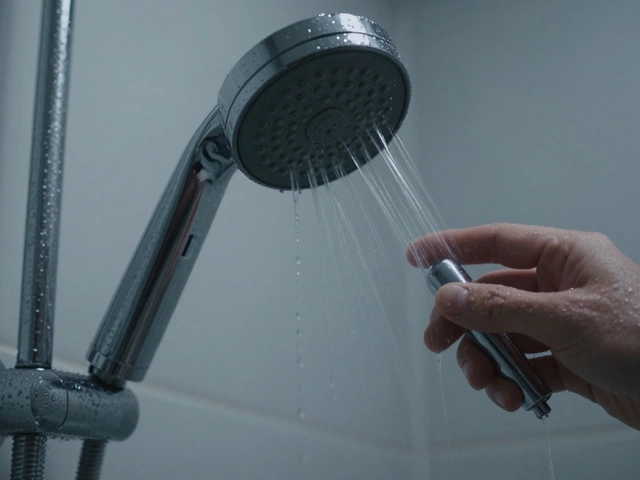
Find out if a broken boiler always means no hot water. Learn common causes like diverter valve failure, low pressure, and how to troubleshoot your system.

Discover how long extractor fans last, signs of failure, and when to repair vs replace. Expert tips for extending lifespan and maintaining kitchen/bathroom ventilation.